Top Things to Do and See in Chongqing
Chongqing is a vibrant city where modern skyscrapers meet historic streets and scenic riverside views. Whether you're wondering what to do in Chongqing, what to see, or the best things to do during your visit, this guide covers top attractions, hidden gems, and experiences that show the city's unique culture, food, and energy.
The prices shown here are meant as a rough guide and can vary over time. While I update exchange rates regularly, local prices are typically refreshed only when I revisit the destination.
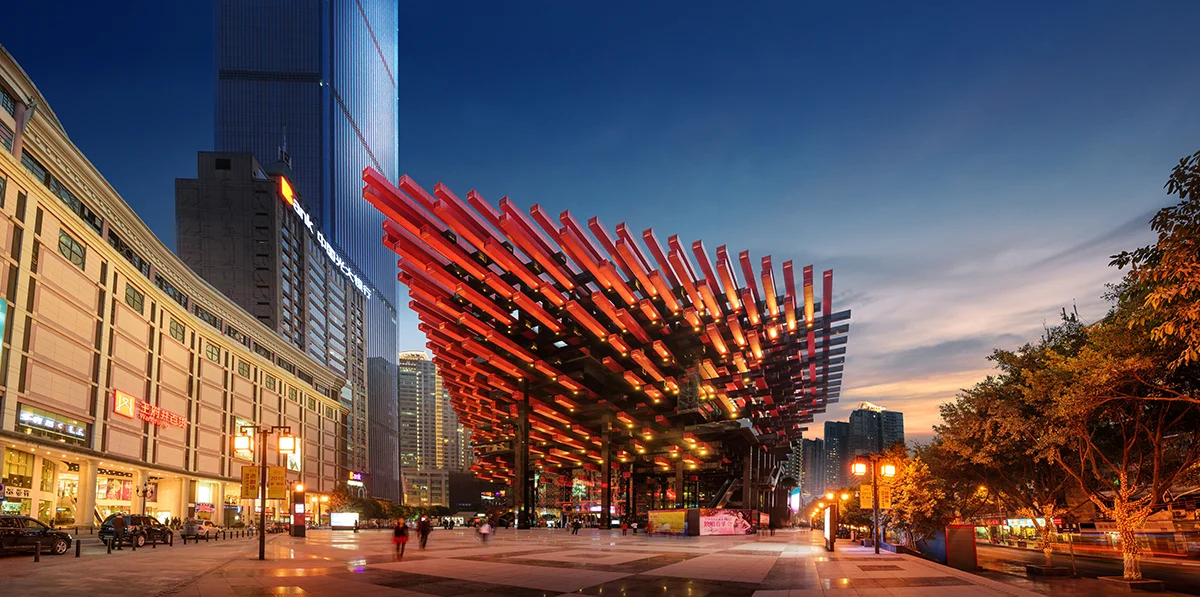
Chongqing Art Museum
Located in Yuzhong District, the Chongqing Art Museum focuses on traditional Chinese painting, printmaking, and small-scale sculpture. The building is especially known for its bold exterior: interwoven red and black beams inspired by chopsticks and Chongqing's famous hot pot, creating one of the city's most recognizable contemporary landmarks.
How to Get There
The museum is located in the Yuzhong District, which is the central area of Chongqing. You can take the metro to Linjiangmen Station (Line 2) and then walk for about 10 minutes to reach the museum. Alternatively, you can take a taxi or use a ride-hailing app for a more direct route.
Notes
- Passport might be required for entry
- It's not always open, so check the website before you go
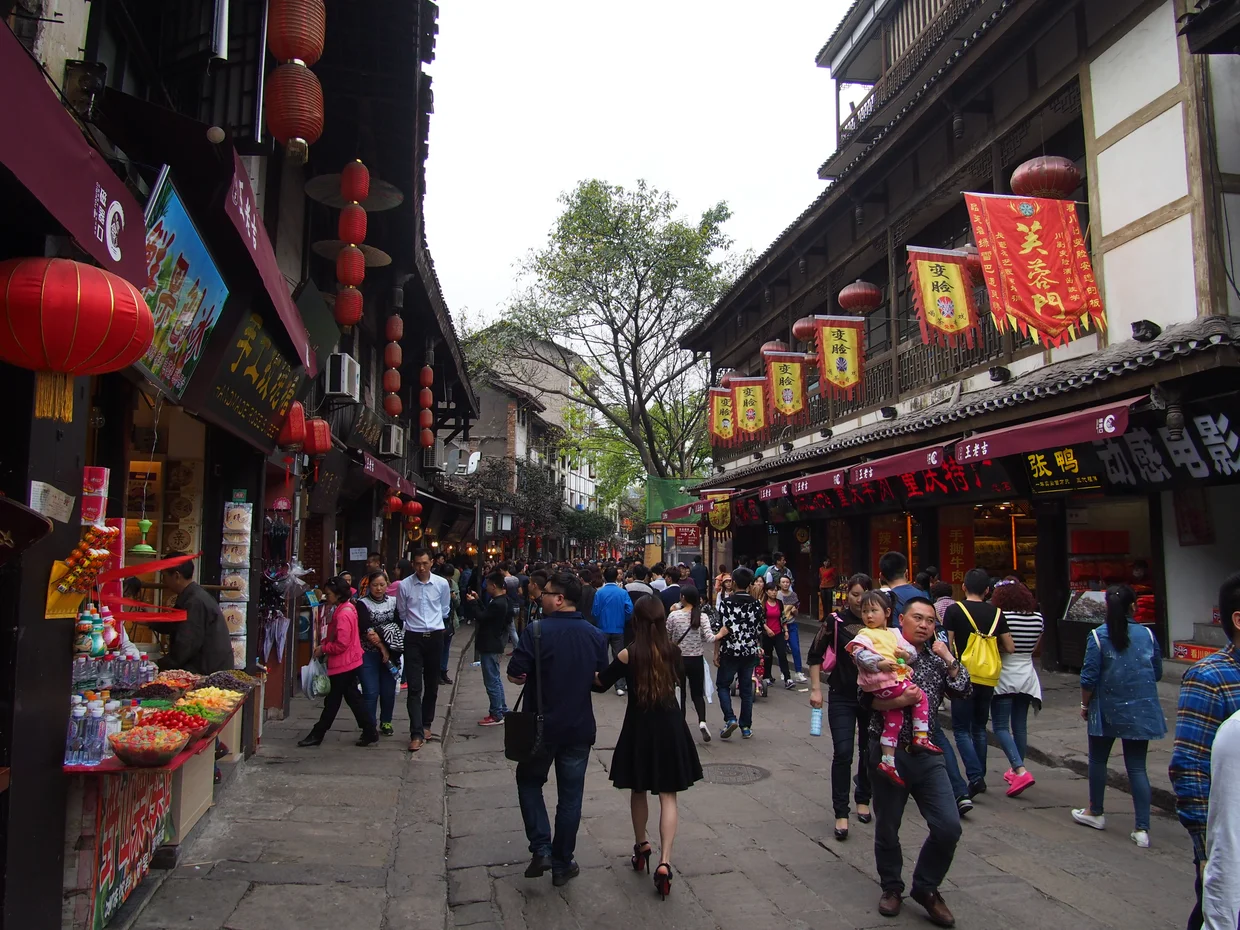
Ciqikou Ancient Town
Ciqikou is a well-preserved ancient town from the Ming and Qing dynasties, built along the Jialing River. Its narrow stone alleyways are lined with traditional wooden buildings housing tea houses, snack stalls, and craft shops. The area is famous for Chongqing street food, particularly the spicy crispy pork and mao xue wang, and gives a sense of the city before the skyscrapers arrived. It gets crowded on weekends, but the core lanes are pleasant in the early morning when vendors are just setting up.
How to Get There
Take Metro Line 1 to Ciqikou Station and walk about 10 minutes to the main entrance. Alternatively, buses 215, 461, and 808 stop nearby.
Notes
- Busiest on weekends and public holidays. Go on a weekday morning if possible
- The food stalls are the real draw; don't skip trying the local snacks
- The riverfront area at the edge of town offers a quieter view of the Jialing
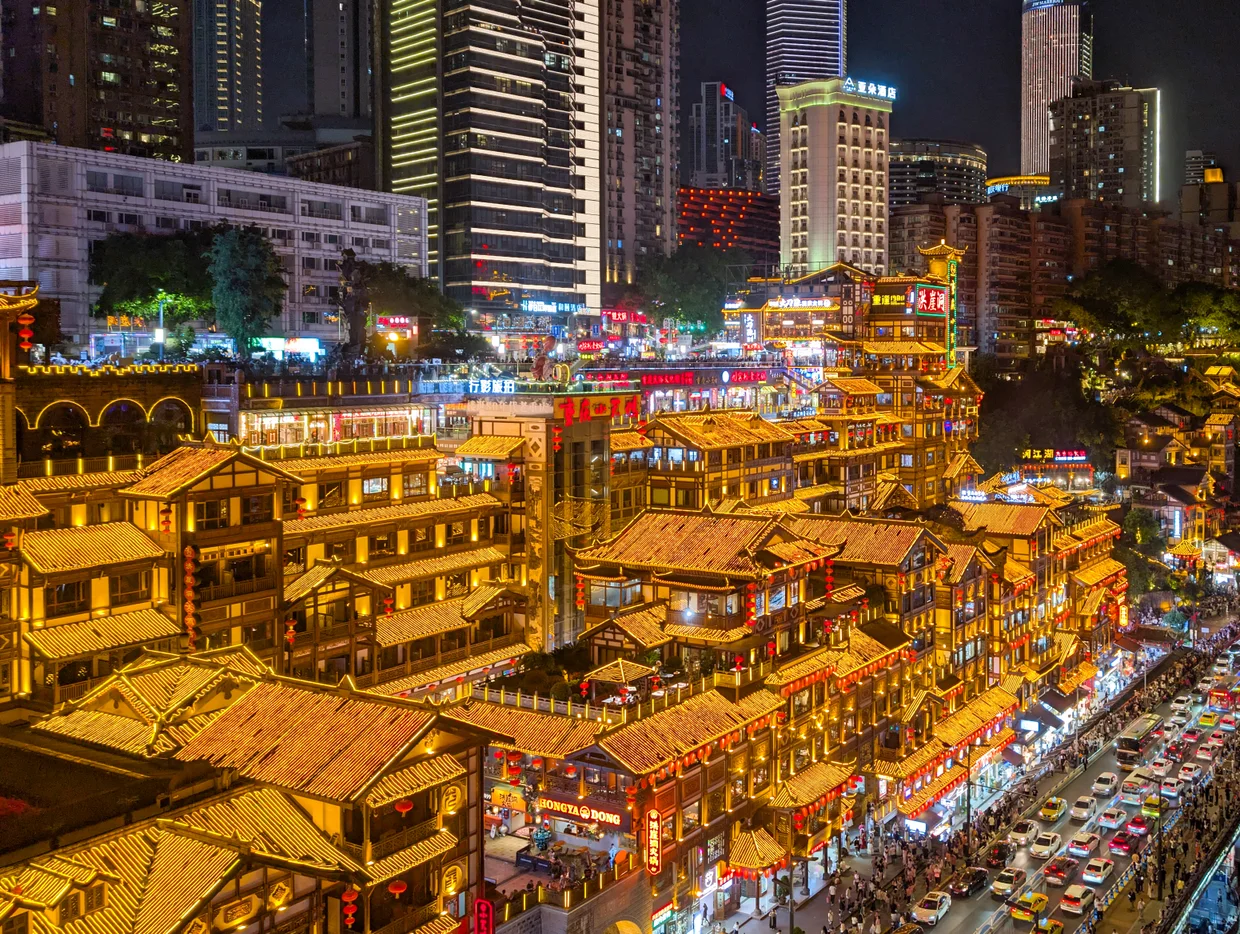
Hongya Cave
Hongya Cave is a multi-story stilted building complex clinging to a cliff above the Jialing River. At night, the structure is fully lit and reflects dramatically off the water below. Probably the most photographed scene in Chongqing. Inside, the stacked floors are filled with restaurants, bars, souvenir shops, and local snack vendors. It functions more as a tourist commercial hub than a quiet cultural site, but as a visual spectacle from the outside, particularly from the riverside promenade, it delivers. Go at dusk to catch both the sunset and the lights coming on.
How to Get There
Take Metro Line 1 or Line 2 to Xiaoshizi Station and walk about 10 minutes north along the river. Alternatively, Line 6 to Linjiangmen Station is also close.
Notes
- Best experienced at night when the lights are on
- The riverside promenade gives the best exterior view
- Interior can be congested; the restaurants inside are pricier than elsewhere in the city
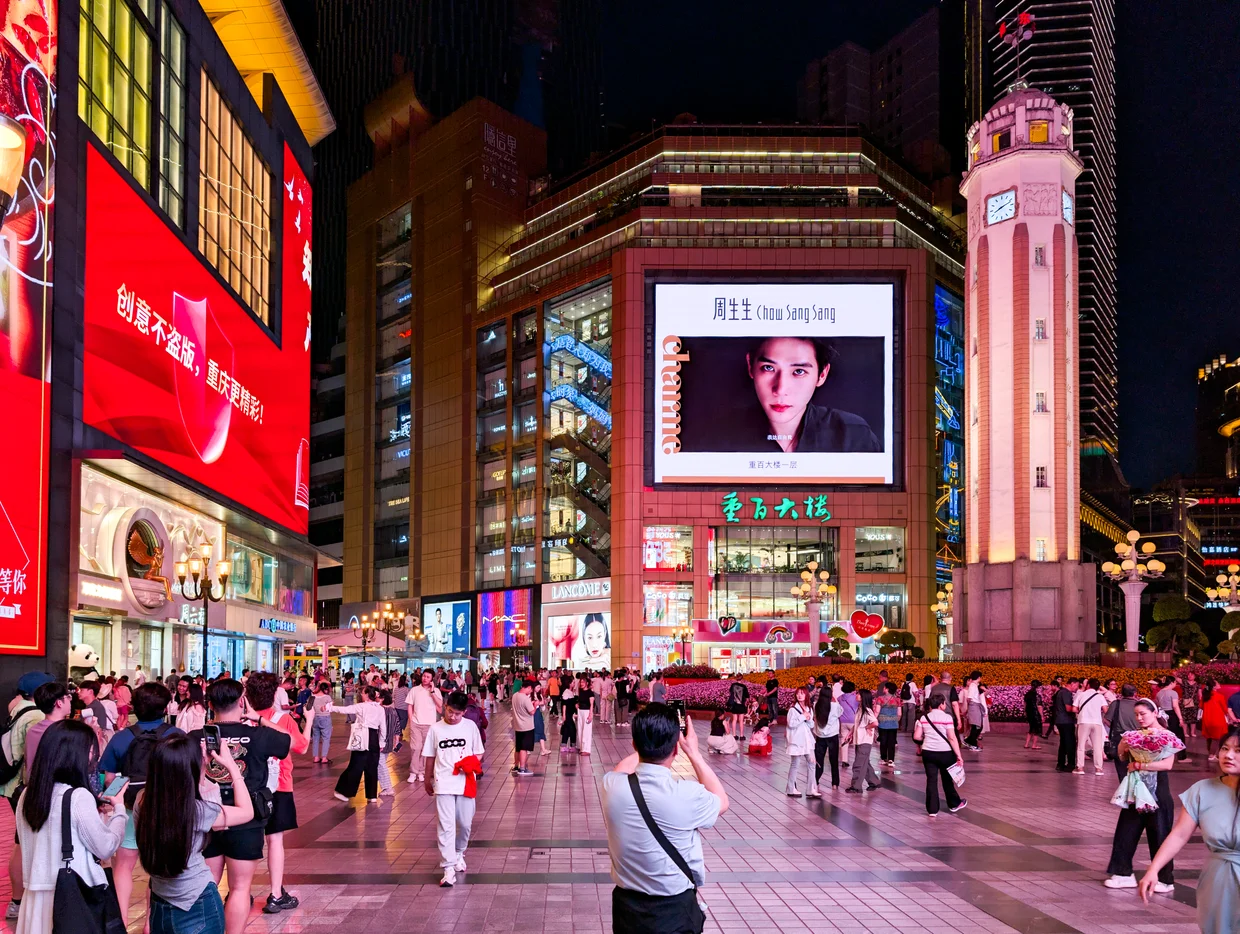
Jiefangbei
Jiefangbei, or the Liberation Monument, is the symbolic center of Chongqing, a clock tower built in 1945 surrounded by one of the city's busiest pedestrian shopping districts. As a monument it is modest in scale, but its position at the heart of the city makes it a natural reference point. The surrounding streets are packed with malls, restaurants, and chain stores, functioning more as a commercial hub than a sightseeing destination. It's worth passing through rather than making it a dedicated stop, but the underground Chaotianmen Square and nearby riverside are a decent extension if you have time.
How to Get There
Metro Line 1 and Line 6 both stop at Jiefangbei Station, placing you directly in the pedestrian zone.
Notes
- The monument itself is small, the surrounding area is the main draw
- Combine with a walk down to Chaotianmen riverfront (about 15 minutes on foot)
- Very busy on weekends and evenings
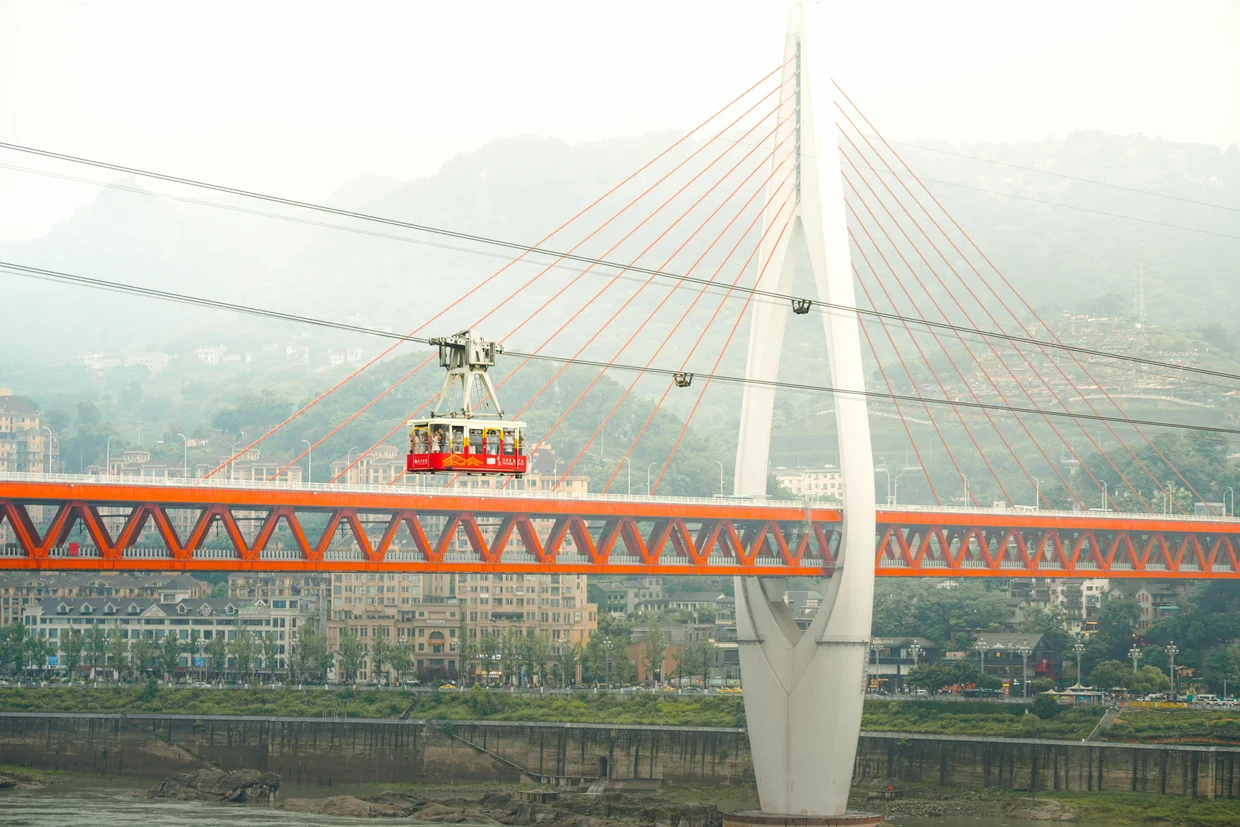
Yangtze River Cable Car
The Yangtze River Cable Car crosses directly over the Yangtze, connecting Yuzhong District on the north bank to Nanshan on the south. The crossing takes only a few minutes but offers an unusual perspective, suspended above one of the world's great rivers, with Chongqing's layered skyline on one side and the broad water below. It's not a sightseeing ride in the conventional sense, but it's a memorable one. The views from the gondola, particularly looking back toward the city and down at the river traffic, are genuinely striking. Worth doing for the experience rather than the transport.
How to Get There
The north (Yuzhong) terminal is near Xinhua Road, accessible from Xiaoshizi Metro Station (Line 1 / Line 6) with about a 10-minute walk. Follow signs for the cable car from the station.
Notes
- One-way ticket is around 5-10 CNY; buy a return if you don't plan to explore Nanshan
- Queues can build during peak hours and weekends
- The gondola is small. If you are uncomfortable with heights or enclosed spaces, consider skipping
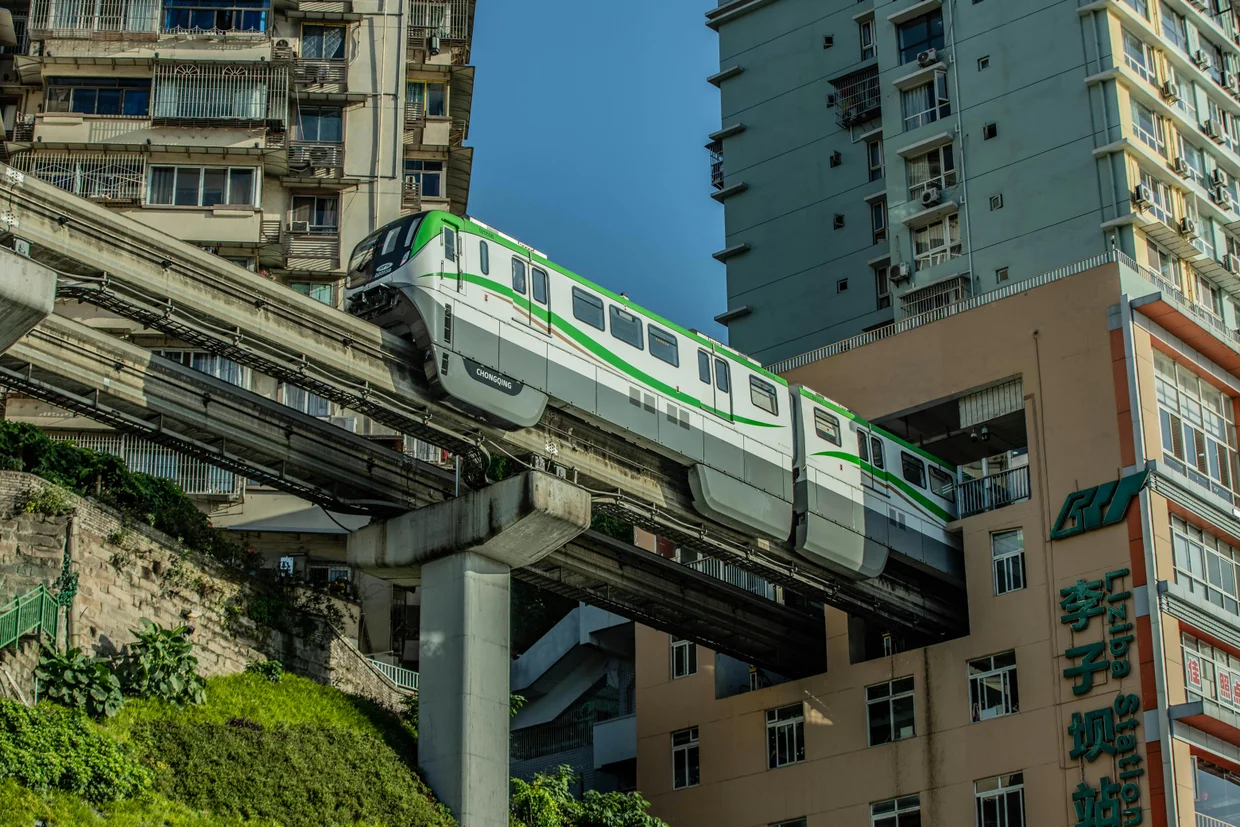
Liziba Metro Station
Liziba is a metro station on Line 2 where the train passes directly through the middle of a residential skyscraper: floors 6 through 8 of a 19-story apartment building. It became a widely shared curiosity online, and in person it delivers exactly what it promises: a train emerging from and disappearing into a building. The station itself is unremarkable, but watching the train pass through the structure from the outside platform or the street below is a genuinely strange and entertaining sight. It's not worth a special trip, but if you're in the area or using Line 2, stopping for 10 minutes costs nothing extra beyond the metro fare.
How to Get There
Take Metro Line 2 to Liziba Station directly. The station is on the elevated section of Line 2 in Shapingba District.
Notes
- Cost is just the standard metro fare; no separate admission
- The best view of the train-through-building effect is from the station platform or the street level below
- Trains run frequently, so you won't wait long to see one pass through
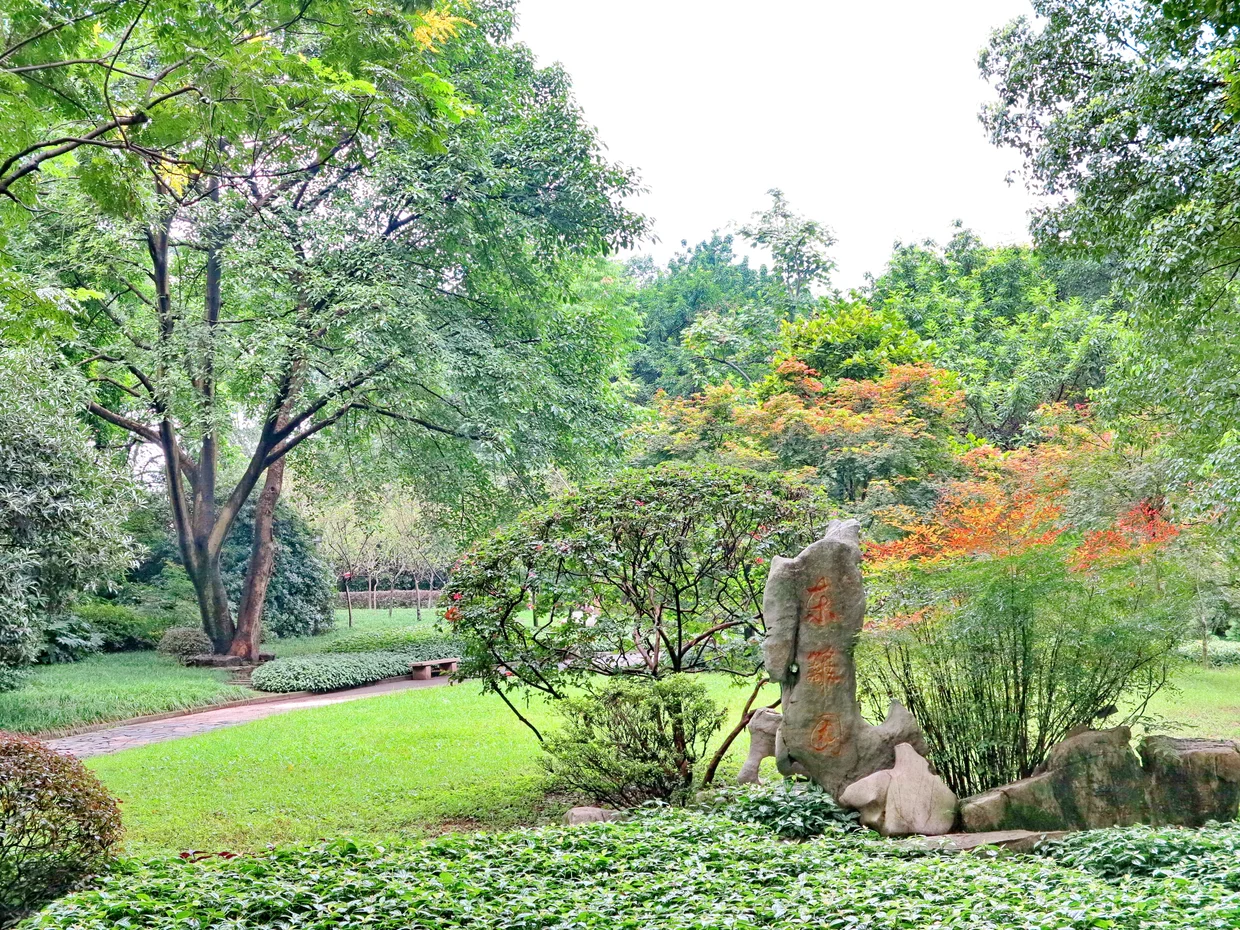
Eling Park
Eling Park sits at the highest point of the Yuzhong Peninsula, offering one of the best panoramic viewpoints in central Chongqing. From the main overlook, you can see the confluence of the Jialing River and the Yangtze River. Two great rivers meeting below the city's ridge. The park itself is a pleasant green space with pavilions, walking paths, and older trees, used mostly by locals in the morning for exercise. The view of the river junction is the main reason to visit, and it's best on a clear day or at dusk when the light flattens the haze.
How to Get There
Take Metro Line 1 to Lianglukou Station and transfer to bus, or take a taxi directly to Eling Park (Eling Gongyuan). The ride from central Jiefangbei is about 15 minutes by taxi.
Notes
- Best visited on a clear day. Chongqing's frequent haze can obscure the view significantly
- The park is also popular with locals doing morning exercises; early visits have a pleasant atmosphere
- Small entry fee applies; combined ticket with pavilions is available
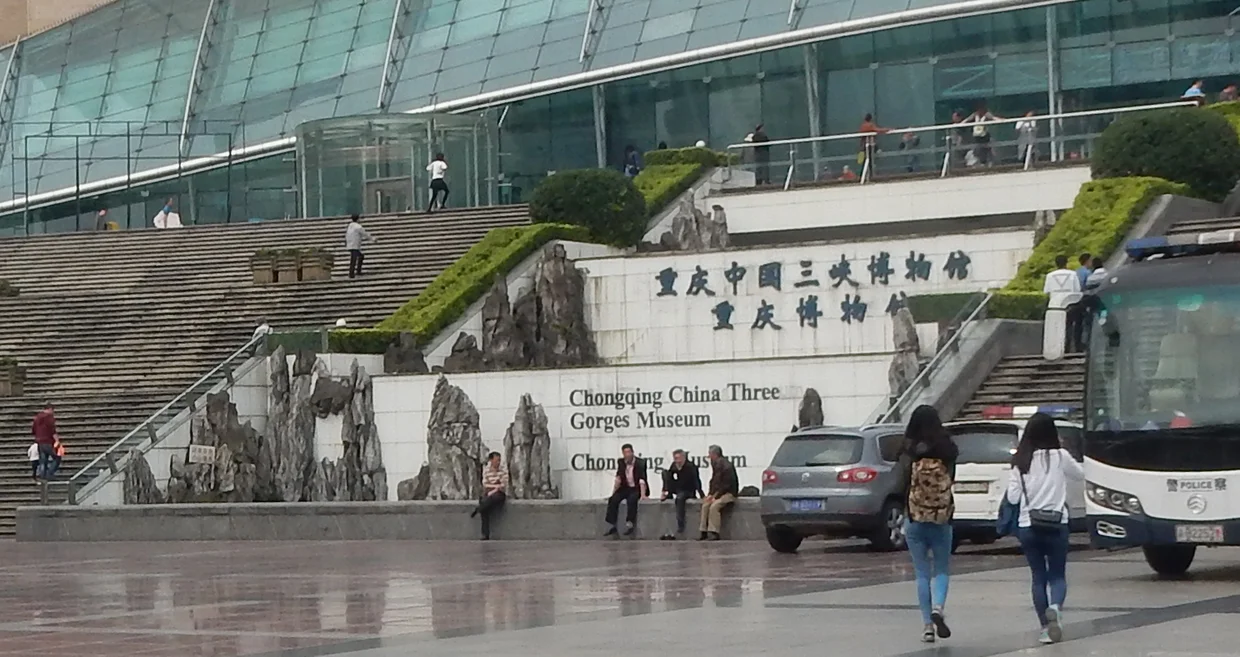
Chongqing Three Gorges Museum
The Three Gorges Museum is one of the most comprehensive museums in southwest China, covering the history, culture, and ecology of the Three Gorges region including the massive Three Gorges Dam project and the communities and artifacts that were relocated as a result of the reservoir's flooding. The collection spans Ba-Yu prehistoric culture, ancient navigation, folk customs, and modern industrial history. The building itself is imposing and the exhibits are well-organized, though labels are primarily in Chinese with limited English translations. A worthwhile stop for anyone interested in the context behind one of the world's largest infrastructure projects and the river culture it transformed.
How to Get There
Take Metro Line 1 or Line 2 to Lianglukou Station and walk about 15 minutes, or take a short taxi ride. The museum is at Renmin Square, which is also served by several bus routes.
Notes
- Free entry but advance reservation is typically required. Book online through the official WeChat account or website
- Passport required for entry
- English labeling is limited; a translation app is useful
- Located directly across from the Great Hall of the People, which is also worth a glance from the outside
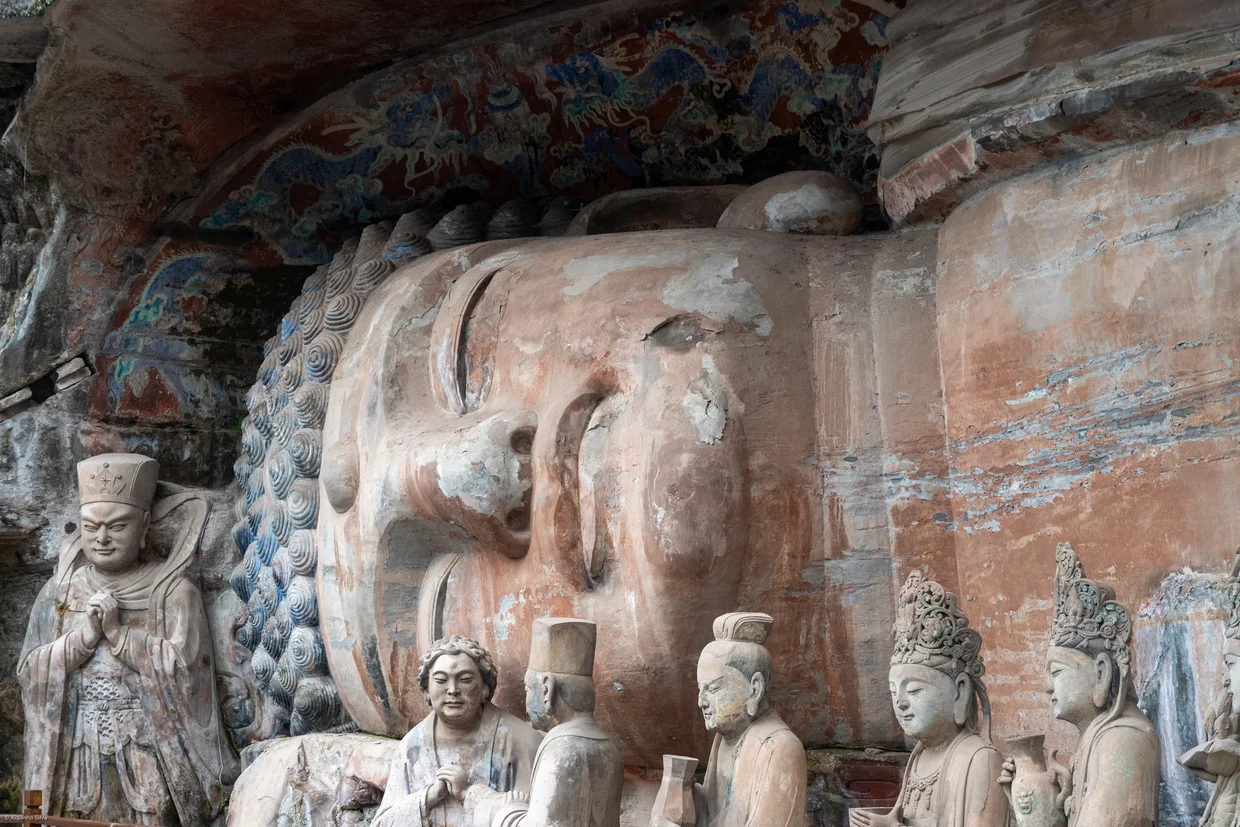
Dazu Rock Carvings
The Dazu Rock Carvings are a UNESCO World Heritage Site about two hours from Chongqing's city center, comprising thousands of Buddhist, Taoist, and Confucian carvings carved into cliffside niches between the 7th and 13th centuries. The main site at Baoding Hill is the most substantial: a curved cliff face densely packed with painted sculptures ranging from small devotional figures to a 31-meter reclining Buddha. The craftsmanship and narrative detail across the carvings are exceptional, with scenes depicting Buddhist cosmology, moral parables, and everyday life from the Song Dynasty. It's a long day trip from Chongqing, but among the most significant historical sites in the region and well worth the effort.
How to Get There
High-speed train from Chongqing North Station to Dazu North Station takes about 40 minutes, then a taxi or local bus to Baoding Hill (around 20 minutes). Alternatively, long-distance buses depart from Caiyuanba Bus Station and take about 2 hours. Organized day tours from Chongqing are available and handle all transfers.
Notes
- Baoding Hill is the main and most impressive site; budget most of your time there
- Getting there independently requires a bus from Chongqing's Caiyuanba or Longtousi station (about 2 hours), then a local transfer. A tour or hired car is more efficient
- A combined ticket covers multiple carving sites; Baoding Hill alone is the priority
- UNESCO World Heritage Site since 1999 (https://whc.unesco.org/en/list/912)
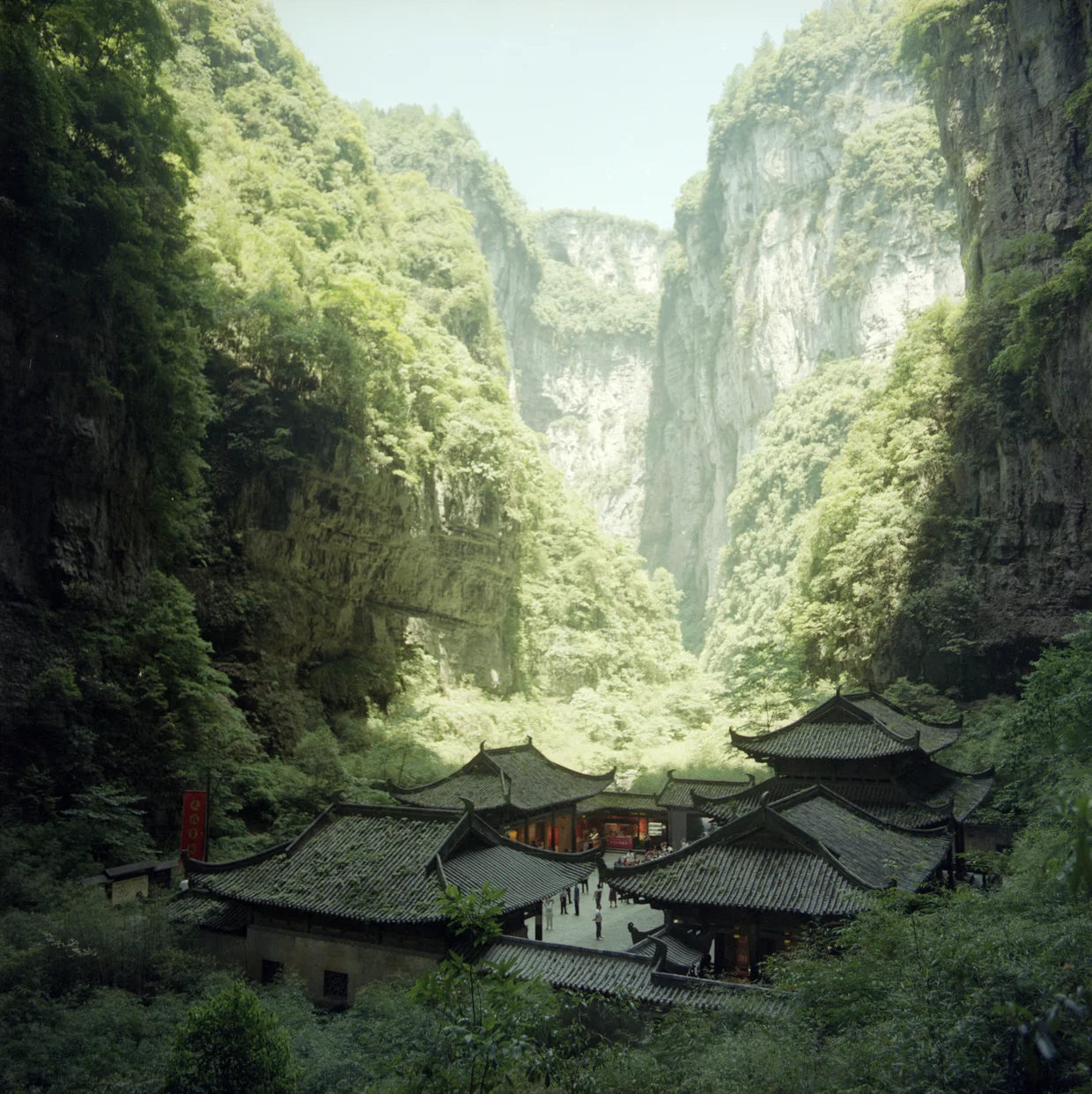
Wulong Karst
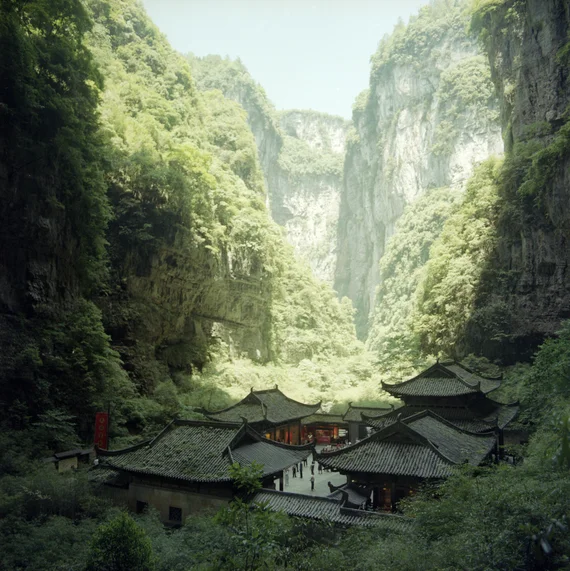
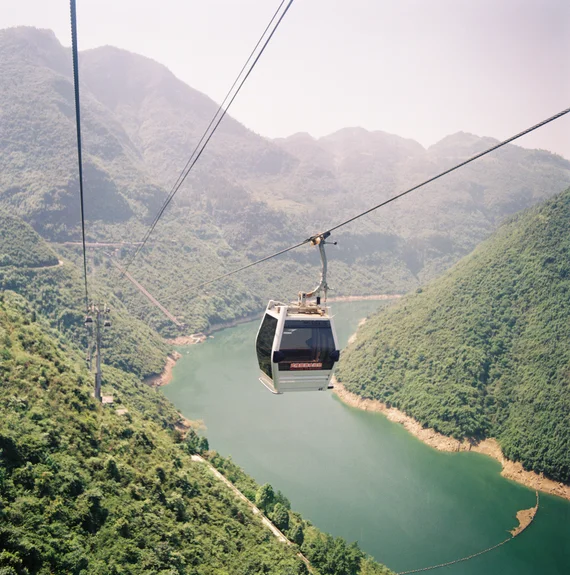
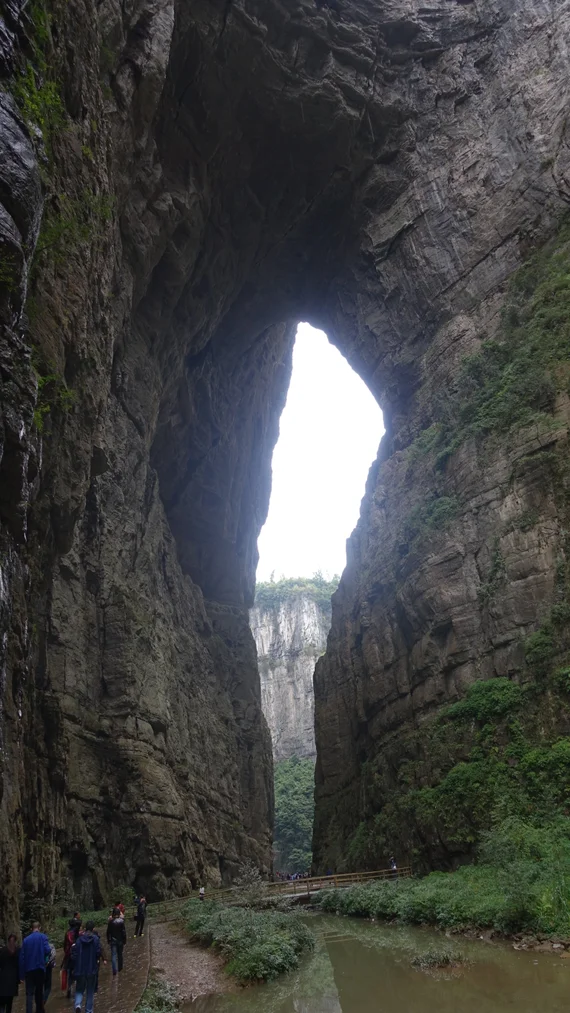
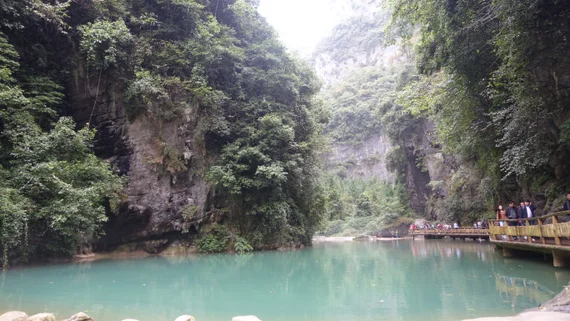
Wulong Karst National Park, about three hours from central Chongqing, is the most spectacular natural landscape accessible from the city. The Three Natural Bridges, three massive freestanding limestone arches within a deep gorge, are the centrepiece, and the scale of the formations is genuinely hard to absorb. The descent into the gorge passes through different geological layers, with the arches framing each other as you move between them. Fairy Meadow (Xiannu Shan), a separate area within the park, offers alpine meadows and a dramatically different atmosphere, particularly in summer when the lower city is oppressively hot. Wulong is a long day or, ideally, an overnight trip. Those who rush it usually regret not staying longer.
How to Get There
High-speed trains from Chongqing North or West stations to Wulong Station take about 1.5 to 2 hours; the park is then a 30-minute taxi or shuttle ride. Direct buses also run from Chongqing's Nanping Bus Station. Organized day tours from Chongqing are available but leave very early and return late.
Notes
- Three Natural Bridges and Fairy Meadow are separate ticketed areas within the park; budget for both if time allows
- The descent into the gorge is steet, so wear suitable footwear
- An overnight stay in Wulong town allows a much more relaxed visit and avoids the long same-day return
- Part of the South China Karst UNESCO World Heritage Site (https://whc.unesco.org/en/list/1248)
Published September 2025.