Sunshine, Art, and Mild Identity Crisis
St. Pete, as the locals call it, is one of my favorite cities in the world, and I still cannot fully explain why.
The city sits on Florida's west coast, on a peninsula jutting into Tampa Bay. It is the fifth most populous city in Florida, but carries none of the restless energy that number might suggest. It is not huge, not trying to cosplay as Miami, and not shouting for attention every five minutes. But it keeps pulling you in with waterfront parks, museums, palm-lined streets, and that dangerous sentence every traveler says right before changing plans: "Let's stay one more day."
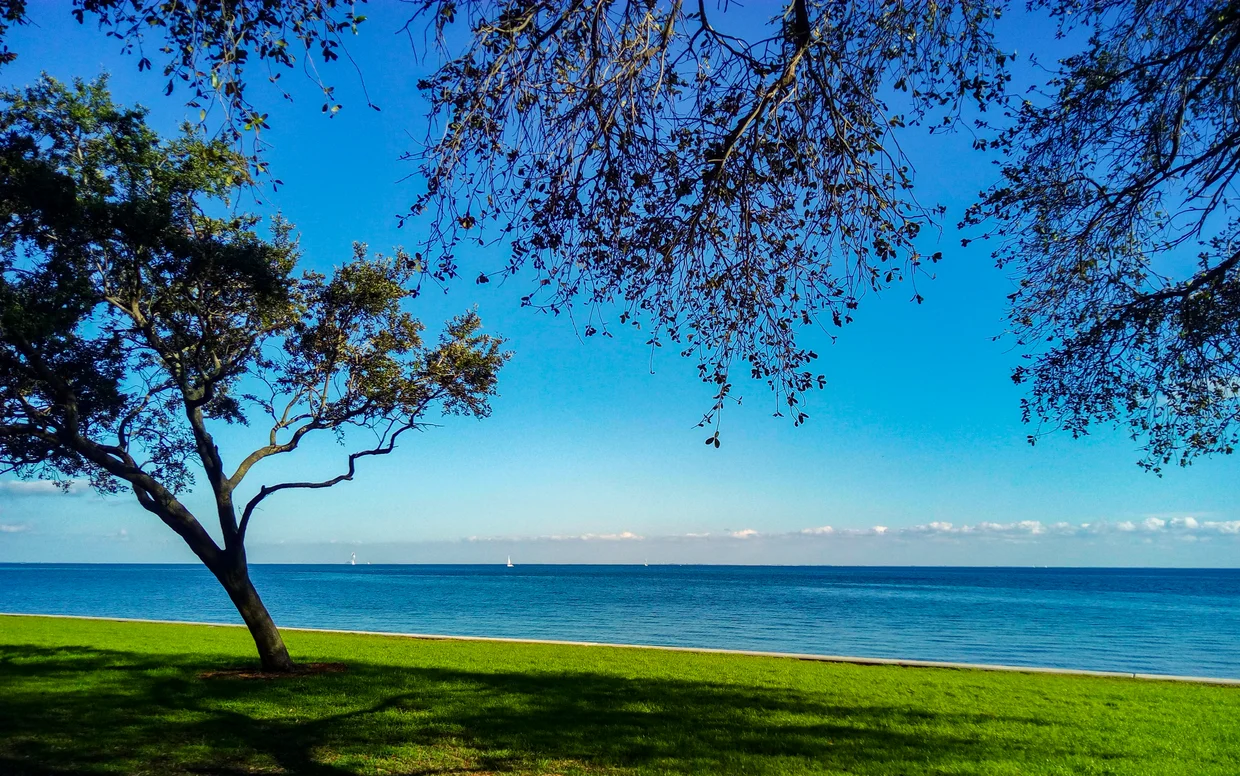
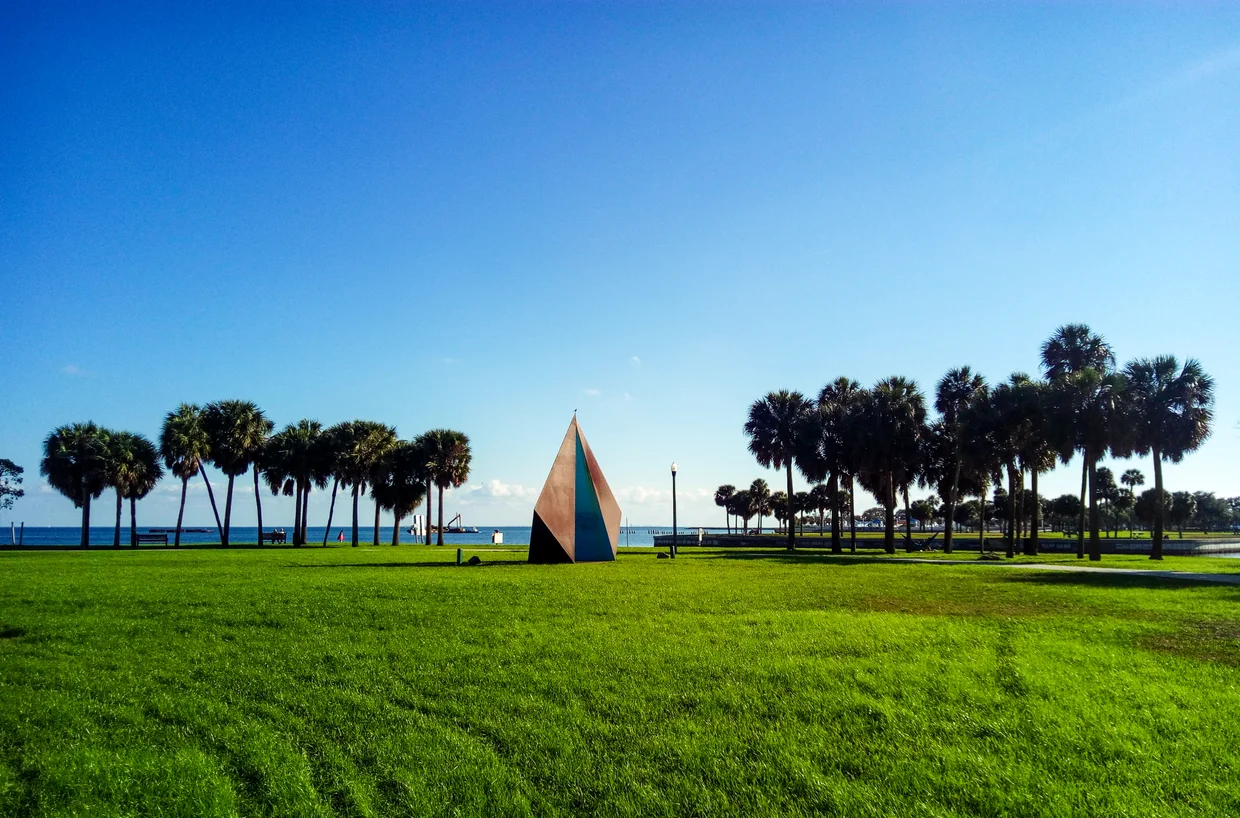
St. Petersburg is quite a young city by European standards, and you should not expect anything similar to the original St. Petersburg in Russia. Same name, very different mood. The Florida version was named after a coin toss in the late 19th century. One founder from Russia won naming rights, and that was that. Simple, efficient, mildly absurd.
The Sunshine City Reputation
With a nickname like "Florida's Sunshine City" and the motto "Always in Season," you know exactly what you are signing up for: 361 sunny days a year on average. No kidding. If you are there for a few days and the sky is constantly overcast or it is even raining, you are a damn unlucky little bastard. I pity you profoundly. But I am sure you will find enough to do even when the sky is playing heavy metal on you.
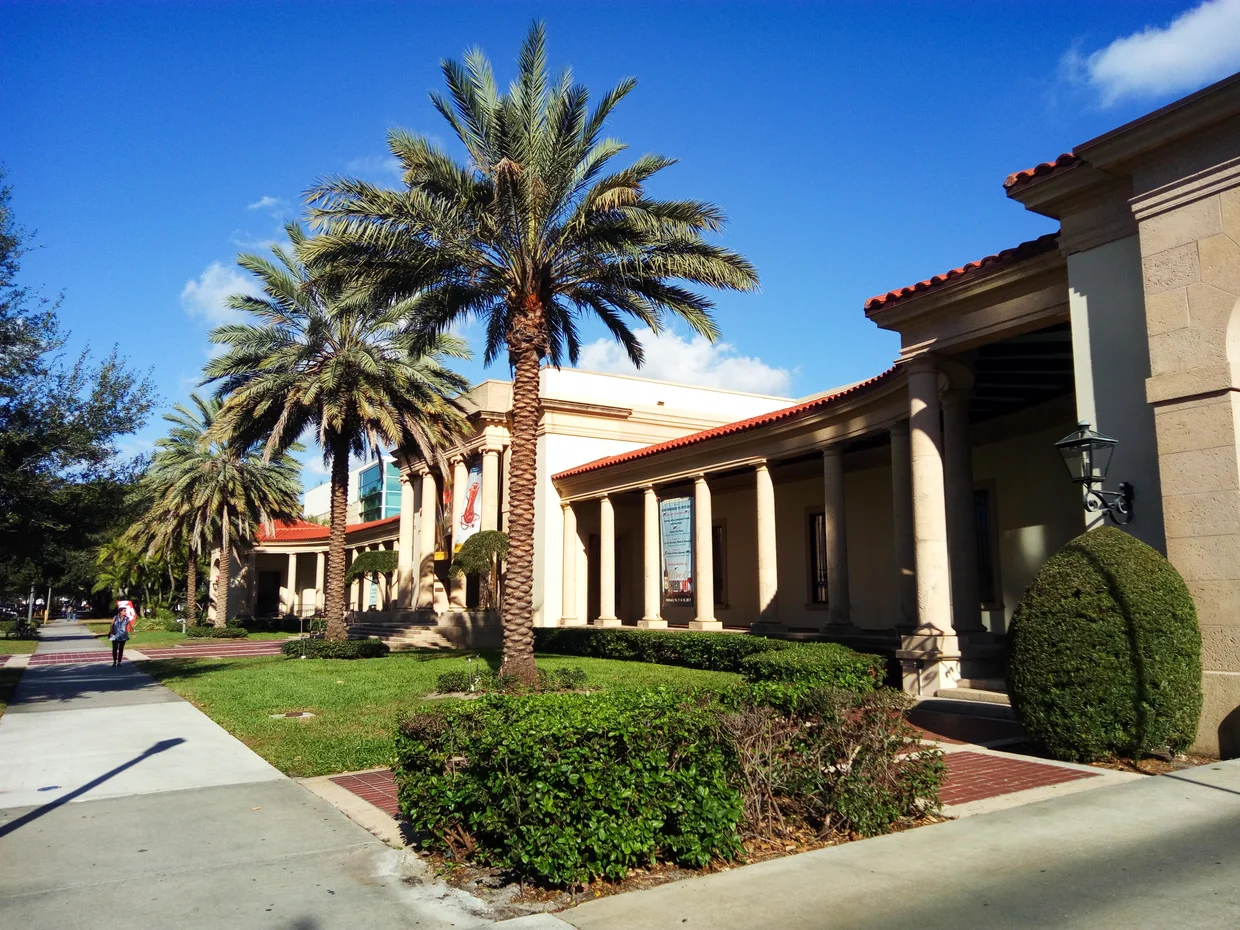
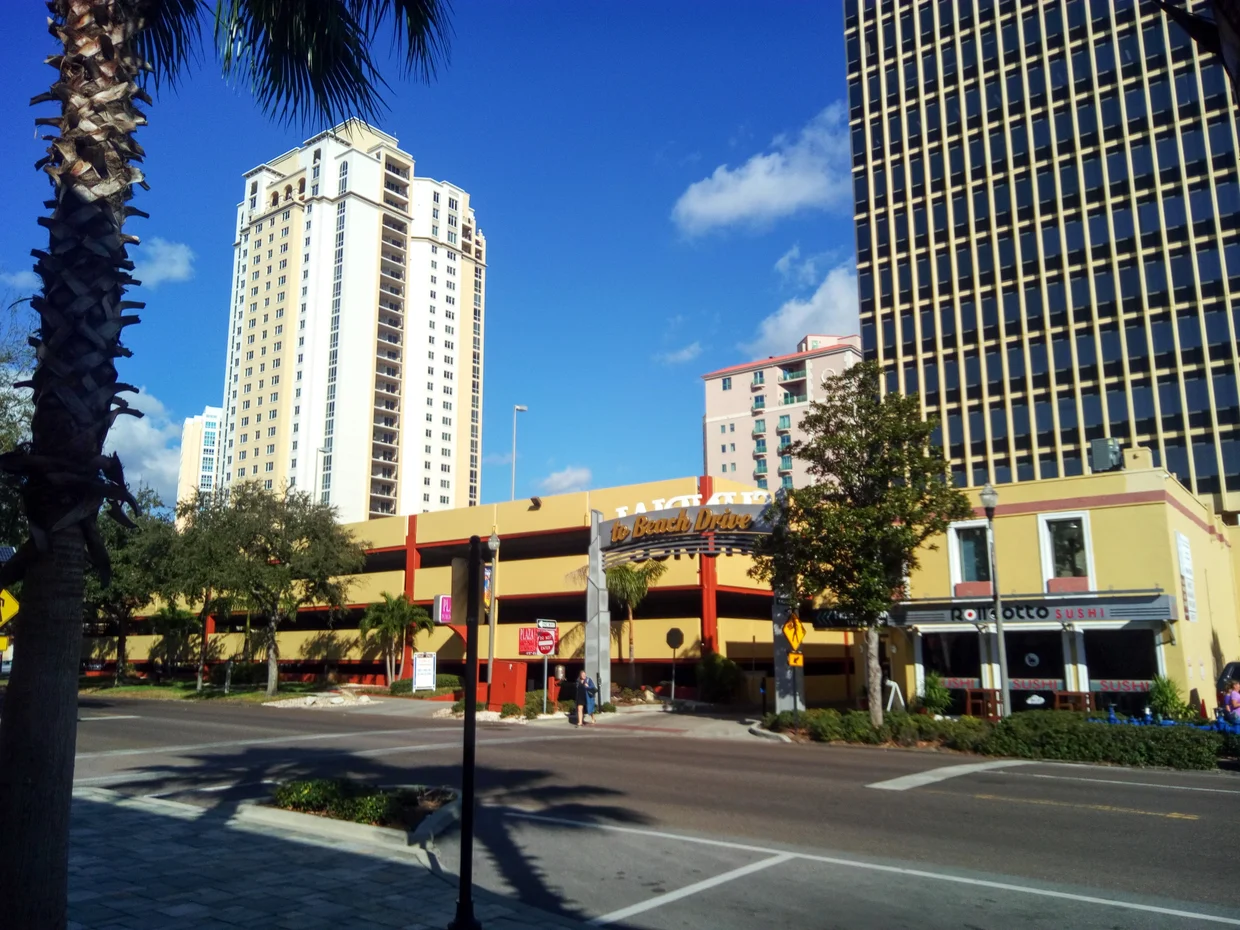
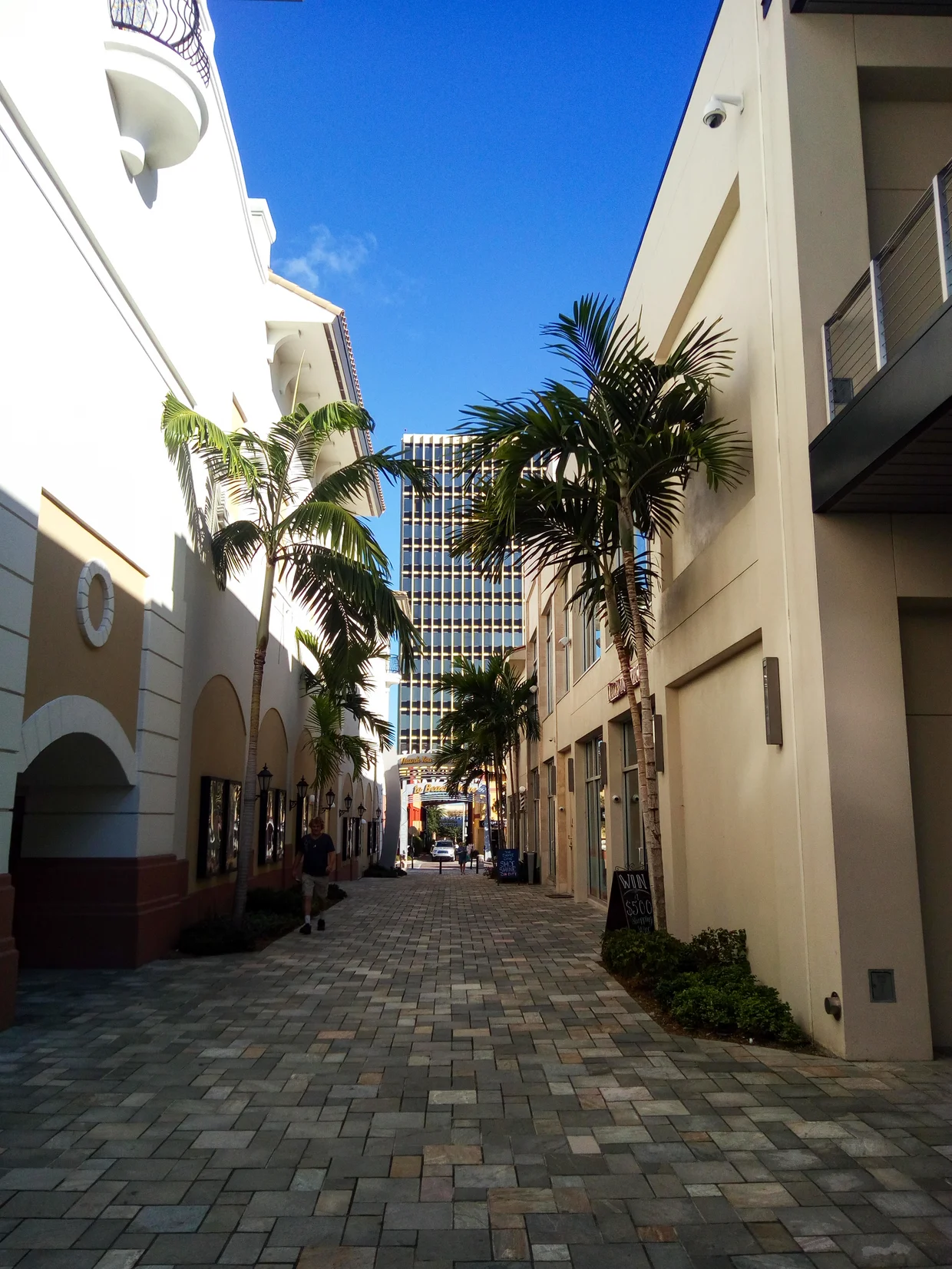
I have noticed that downtown is almost entirely yellowish, probably on purpose. It is like every single building was tinted in a pastel yellow. Combined with the green palms, the deep blue water, and the relentless sunshine, you have no other choice than to enjoy summer feelings and forget every single trouble you might be (or get) into. Maybe that is the reason I fell for this city. You know the feeling when you are lying in the sun and a warm wind is softly breezing through your hair and you just enjoy it? That is how this city feels, at least at daytime.
Big City Services, Coastal Town Mood
What makes St. Pete work is the mix. You get city convenience, good hotels, restaurants, museums, and nightlife, but the rhythm stays softer than in larger Florida hubs. You can do art museums and cocktail bars, then walk ten minutes and suddenly behave like a retired seagull on a park bench.

The downtown waterfront is the anchor. Parks stretch along the bay, the Pier draws people toward the water, and Beach Drive runs parallel with restaurants, galleries, and bars that have the kind of lighting that makes everyone look like they are on vacation, even when they live here. A few blocks inland, Central Avenue picks up the street art, the breweries, and the late-night energy. Between the two corridors, you have most of what you need without ever calling a rideshare.


Destination Info
Quick Facts
Overview
- Best 3 to 4 days in November till April.
- At 13m in North America, time zone UTC-5 (UTC-4 DST).
- The population of 265K people speaks English, writes in Latin script.
- US Dollar (USD) is the official currency, and tipping is expected (15-20%).
Local Flavor
- Get a Craft Beer and Grouper Sandwich.
- The main festival here is Firestone Grand Prix, and popular sports include Baseball.
Practicalities
- You can use Buses, SunRunner, trolleys for public transportation, while driving on the right.
- You can get here mostly via Tampa (TPA).
- The best area to stay is Downtown East, Waterfront and Central Arts Axis.
Street Smarts, Not Street Fear
It is not all roses. Or palms in this case. According to Neighborhood Scout, St. Petersburg is more dangerous than 93% of all cities in the United States. Should you be worried or even remove this city from your itinerary? Not at all. Just be smart, as always.
An Airbnb host of mine told me once, when I asked about the safety of a particular area in London: "If you see a bunch of people at night in dark clothes armed to the teeth, it is maybe wise if you switch to the other side of the street." In other words, ask some locals where to go and where better not to. Stick to the downtown core, the waterfront, and the main corridors at night and you will be fine. The tourist areas are well-lit, well-patrolled, and full of other people doing the exact same thing you are: walking slowly, eating too much, and wondering if one more craft beer counts as a nightcap or a problem.
If you want a practical refresher, check the general guide on travel safety.
What to Do
There are many things to experience, to see and to do in St. Petersburg. These are my personal highlights.

The Dali Museum

St. Pete Pier

Sundial St. Pete
See the full what to do in St. Petersburg guide.
Fish, Grouper, and Zero Dietary Discipline
St. Pete is surrounded by water, so seafood is not a niche category here. The grouper sandwich is the local classic, and it comes in two schools of thought: blackened or fried. The blackened version is usually better, but this is the kind of debate that locals will fight about while simultaneously insisting it does not matter. It matters.
Beyond grouper, the city has an excellent brewery density along Central Avenue and 4th Street. The craft beer scene is strong enough that you could spend a full afternoon walking from taproom to taproom and still not cover all of them. Green Bench, Cycle, and 3 Daughters are names you will hear repeatedly, and none of them will disappoint unless you walk in hoping for a wine list.
For something more structured, the Saturday Morning Market at Al Lang Stadium (October through May) is worth the early alarm. Local produce, prepared food stalls, live music, and a waterfront setting that reminds you why you are not having breakfast at the hotel.
Tacos, burgers, and pizza are everywhere and generally good. This is a city that does casual American food well without pretending to be a fine dining destination. A few spots reach higher, but the sweet spot is a patio table, something fried, and the awareness that your diet is on vacation too.
Vegetarian and vegan options exist but this is not a city that leads with them. Expect to work a little harder outside the downtown core. Inside it, most restaurants have at least a few meat-free options that go beyond a sad side salad.
Best Time to Visit
November through April is the sweet spot: warm, dry-ish, and comfortable for long outdoor days. Temperatures sit in the low-to-mid 20s Celsius, the humidity is manageable, and the snowbird population swells the restaurant scene with people who have strong opinions about early dinner reservations. This is peak season, and prices reflect that, but the weather earns the premium.
Summer is workable but comes with conditions. Expect humidity that makes your sunglasses fog up the moment you step outside, afternoon thunderstorms that arrive on schedule and vanish within an hour, and the annual game of "is that cloud dramatic or operationally dangerous?" If your priority is lower rates and fewer crowds, summer can still work as long as your plans stay flexible and your expectations for hair volume remain low.
Hurricane season runs June through November, with the highest risk in August and September. Actual direct hits are rare, but tropical storms can still disrupt a trip with flight delays and closed beaches. Keep an eye on forecasts during those months and have a plan B that involves air conditioning and a good book.
Best Base
Where to Stay
Downtown East, Waterfront and Central Arts Axis
This is the best all-round area for most travelers: eastern Downtown near the waterfront, the Waterfront Arts District, the Central Arts District spine, and the pockets around 4th Ave N. You are close to museums, parks, the bayfront, and a dense restaurant/bar scene, while still finding noticeably calmer blocks than in party-heavy beach strips. Hotel prices are higher than outer areas, but you get better walkability, lower day-to-day hassle, and easy access to major sights.
Getting Around
St. Pete is not a transit city, but it is more walkable than most of Florida. The downtown core and waterfront are compact enough that you can cover most of the highlights on foot. Bring comfortable shoes and sunscreen. The sun here does not negotiate.
The SunRunner bus connects downtown St. Pete to St. Pete Beach along a dedicated route and runs frequently enough to be useful. It is one of the few public transit options in the Tampa Bay area that tourists can realistically use without a rental car.
Beyond that, rideshares (Uber and Lyft) are readily available and affordable for short trips. If you want to hit Fort De Soto Park, Gulfport, or anywhere outside the downtown grid, a rental car helps. Parking downtown is metered but generally manageable outside of peak event days.
Cycling works along the waterfront trails and in the downtown area, but the heat and the distances to outlying attractions make it more of a recreational choice than a primary way to get around. This is Florida, not Amsterdam. You will want the air conditioning at some point.
Published 2018. Last update March 2026