Europe's Worst Kept Secret
Portugal occupies a narrow strip of the Iberian Peninsula, facing the Atlantic like it's been staring at the horizon and thinking about boats for eight hundred years. Which it has. This is the country that launched the Age of Exploration, sent ships to places no European had been, built a global empire from a nation smaller than Indiana, and then quietly settled into a few centuries of fading grandeur and excellent pastries.


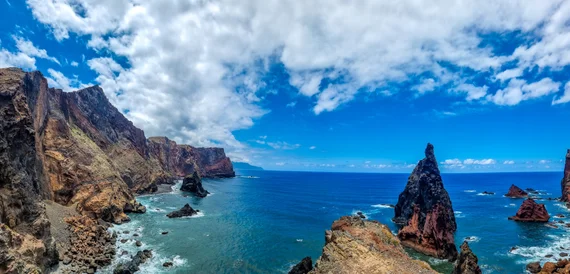
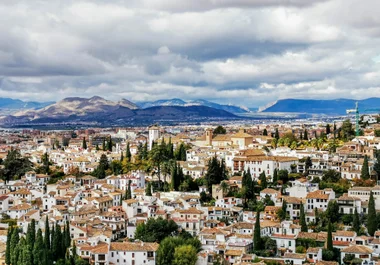
It's about 10 million people, a coastline that runs from the wild, green north to the sun-baked cliffs of the Algarve, and cities where crumbling azulejo-covered facades sit next to hipster coffee shops and Michelin-starred restaurants. Lisbon climbs impossible hills. Porto hugs the Douro river and takes its port wine seriously. And rightly so; for me, there's no better wine than port wine. The interior is empty, rural, and largely ignored by tourists who never leave the coast. The Algarve has some of the most dramatic sea cliffs in Europe.
For years, Portugal was the affordable, overlooked neighbor of Spain. Then digital nomads, budget airlines, and Instagram discovered it simultaneously, and now Lisbon has become one of Europe's most talked-about cities. The prices have risen. The secret is out. But Portugal hasn't lost the thing that made it special in the first place: a warmth, a melancholy, a way of being that's its very own.
Why Portugal
It's still affordable by Western European standards. Not as cheap as it was five years ago, and Lisbon's center has gotten genuinely expensive for accommodation. But step outside the tourist core and Portugal remains one of the best-value destinations in Western Europe. A proper meal with wine for 15 euros. A coffee for one euro. A glass of good wine for two. The north and the interior are especially kind to your wallet. Compared to France, Italy, or Spain's big cities, Portugal feels like a discount, except the quality isn't discounted at all.
The food is extraordinary. Portuguese cuisine doesn't get the international fame of French or Italian cooking, and that's a crime. It's honest, ingredient-driven, and generous. Fresh seafood pulled from the Atlantic that morning. Grilled sardines that taste like the ocean. Bacalhau in 365 variations. Supposedly one for every day of the year, and the Portuguese might not be exaggerating. Pastéis de nata that ruin every other custard tart forever. Cured meats, sharp cheeses, hearty stews, and bread that actually tastes like bread. Maybe not like German bread, but bread nonetheless. This is a country that takes its food seriously without making a performance of it.
The coastline is absurd. Over 1,700 km of Atlantic coast, from the dramatic cliffs and hidden coves of the Algarve to the wild, wind-battered beaches of the west coast to the green, rugged north. Some of the best surfing in Europe is in Nazaré and Peniche. The Algarve's Benagil Cave is one of the most photographed spots in the country. And the water temperature ranges from "refreshing" to "I can't feel my legs," depending on the region and season, because this is the Atlantic, not the Mediterranean.

The people. The Portuguese are warm in a way that feels effortless. Not the forced friendliness of tourist-dependent economies. A genuine hospitality that comes from a culture that values human connection. English is widely spoken, especially among younger people and in tourist areas, which makes everything easier.
Saudade. There's a Portuguese word that has no direct translation: saudade. It's a melancholic longing for something absent, a person, a place, a time. Lisbon has this quality of beautiful sadness, of a city that was once the center of a vast empire and now sits quietly on its hills, watching the river and the light. It's not depressing. It's atmospheric. It gives the country a depth that purely sunny, purely cheerful places don't have.

It's compact. Lisbon to Porto is three hours by car. The Algarve is three hours south of Lisbon. You can realistically cover the main regions in a week or two without feeling rushed. Compared to countries like France, Spain, or Italy, Portugal's size is an advantage. Less transit time, more time actually being somewhere.
Best Time to Visit
Portugal's climate is one of its biggest selling points. It's one of the warmest countries in Europe, and even winter is mild by continental standards.
Spring (April to June) is the sweet spot. Warm but not hot, wildflowers everywhere, fewer crowds than summer, and prices that haven't peaked yet. Lisbon in May is close to perfect: 20-25°C, long evenings, manageable tourists. The Algarve is warm enough for beach days by May. The interior blooms.

Summer (July to August) is hot. The Algarve and Alentejo regularly hit 35-40°C. Lisbon is 30°C and up. The Algarve's beaches are packed with European vacationers. Prices peak. If you don't mind heat and crowds, the long days and guaranteed sun are appealing. The north stays slightly cooler and less crowded.
Autumn (September to October) is arguably as good as spring. The summer crowds thin out, the water is at its warmest after months of sun, the light turns golden, and the wine harvest starts in the Douro Valley. Late September in the Douro is one of Europe's great travel experiences.
Winter (November to March) is mild but rainy, especially in Lisbon and the north. The Algarve gets the most winter sun and rarely drops below 15°C during the day. Lisbon in winter averages 10-15°C. Porto gets proper rain. It's quiet, it's cheap, and it's a perfectly pleasant time if you're not chasing beach weather. Just bring a waterproof jacket.
The recommendation: May, June, September, or early October. You get the weather without the peak-season crowds and prices.
The Regions
Portugal is small, but each region has its own character. The difference between the green, rainy north and the sun-bleached south is bigger than the distance suggests.
Lisbon and surroundings is where most visitors start and many never leave. The capital city sprawls across seven hills above the Tagus estuary. The Alfama district is a maze of narrow streets, tiled buildings, and fado bars. Belém has the Jerónimos Monastery and the pastel de nata that started it all. Bairro Alto is the nightlife district. Nearby Sintra has fairy-tale palaces surrounded by misty forests and is a mandatory day trip. Cascais and the coast west of Lisbon offer beaches within easy reach.
Porto and the North is greener, rainier, and less international than Lisbon. The city is grittier, more authentic, and arguably more charming than Lisbon, though saying that in Lisbon will start an argument. The Douro Valley inland is one of Europe's most beautiful wine regions: terraced vineyards dropping toward the river. Braga and Guimarães in the Minho offer history and excellent food. The far north along the Spanish border is wild and empty.
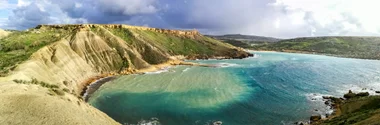
The Algarve is Portugal's southern coast and the country's beach destination. Dramatic sandstone cliffs, hidden coves, turquoise water, and a coastline that looks like it was designed by someone who thought the Mediterranean was too subtle. The western Algarve (Lagos, Sagres) is wilder and less developed. The central Algarve (Albufeira, Vilamoura) is resort territory. Polished, international, and very different from the rest of Portugal. The eastern Algarve (Tavira, Olhão) is quieter.
The Alentejo is Portugal's forgotten middle. Vast plains of cork oak and olive groves, medieval hill towns with white-washed walls, and some of the best food in the country. Évora is the main city, a UNESCO World Heritage Site with a Roman temple, a bone chapel, and excellent restaurants. The Alentejo coast has wild, empty beaches that the Algarve crowds haven't reached. This region moves at its own pace. If you want rural, quiet, and deeply Portuguese, this is it.

Central Portugal (Coimbra, Nazaré, Tomar, the Serra da Estrela) is the middle ground geographically and spiritually. Coimbra has one of the oldest universities in Europe and a student-town energy. Nazaré has the biggest waves in the world and a traditional fishing village that hasn't completely lost its character. Tomar has the Convento de Cristo, one of the most important Templar sites anywhere. The Serra da Estrela is the highest mountain range in mainland Portugal and the closest thing the country has to alpine scenery.
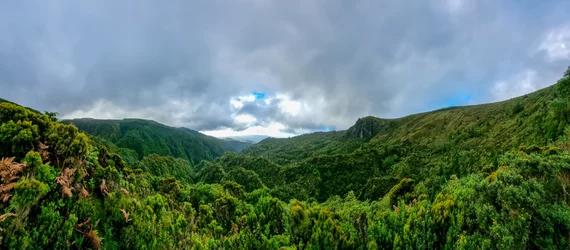
The Azores and Madeira are Atlantic islands that belong to Portugal but feel like a different world. The Azores (1,500 km west of Lisbon) are volcanic, green, and spectacularly beautiful. Crater lakes, hot springs, whale watching, and almost no crowds. Madeira (off the coast of Morocco) has dramatic mountain scenery, walking trails, and a subtropical climate. Both are increasingly popular but still feel like discoveries rather than destinations.


What to Pack
Layers. Portuguese weather can shift within the same day, especially in Lisbon and the north. Morning fog, afternoon sun, evening breeze off the river. A light jacket or sweater handles the transitions. In winter, bring a proper waterproof layer.
Comfortable walking shoes with grip. Lisbon is hills. Cobblestone hills. Wet cobblestone hills when it rains. Flat-soled shoes are a recipe for falling on your face. Porto's Ribeira is similarly steep and slippery. Bring shoes with actual traction.
Sunscreen. The sun, especially in the Algarve and during summer, is strong. The Atlantic breeze masks it. You'll burn without realizing until the shower afterwards.
A reusable water bottle. Tap water in Portugal is safe and good. There's no reason to buy bottled water. Fill up and go.
You see, you actually don't need so much.
Preparation
Book accommodation early for Lisbon and the Algarve in summer. Seriously. Lisbon's central neighborhoods (Alfama, Baixa, Bairro Alto) have been heavily converted to short-term rentals. In peak season, good options at reasonable prices disappear fast. Porto is slightly easier but also filling up.
Get a Viva Viagem card in Lisbon. The rechargeable transit card works on the metro, buses, trams, and ferries. It saves money and time compared to buying individual tickets. Available at metro stations. Porto has a similar system (Andante card).
Learn "obrigado/obrigada." Thank you (masculine/feminine). Portuguese people appreciate it. Beyond that, English is widely spoken in tourist areas and among younger people. In rural areas and with older generations, it's more limited, but people will go out of their way to communicate regardless. Spanish is understood but not always appreciated — Portugal is not Spain, and the Portuguese are gently but firmly clear about this.
Download Bolt or Uber. Both work well in Lisbon and Porto. Cheaper than taxis. Useful at night or when Lisbon's hills defeat you.
Don't skip cash entirely. Card payments are widely accepted in cities, but smaller restaurants, markets, and shops in rural areas still prefer cash. Some traditional tascas (taverns) are cash-only. Keep some euros on hand.
Check the surf forecast. If you're heading to the west coast or Nazaré, conditions vary dramatically. Nazaré's giant waves (November to February) are a spectator sport from the cliff. Swimming at beaches with strong currents and no lifeguards requires caution.
Customs & Etiquette
Tipping is appreciated but not obligatory. Portugal is not a heavy tipping culture. Rounding up the bill or leaving 5-10% at a sit-down restaurant is generous. At a café, leaving the coins from your change is normal. Nobody will be offended if you don't tip, but good service is worth acknowledging.
Meal times are later than Northern Europe. Lunch is typically 12:30-14:00, dinner from 19:30 or 20:00 onward. Restaurants that open at 18:00 are catering to tourists. The Portuguese eat late and take their time. A proper Portuguese dinner is a two-hour affair minimum.
The couvert is not free. When you sit down at a restaurant, bread, butter, olives, and sometimes cheese or spreads will appear on your table before you order anything. This is the couvert (cover charge). It's not complimentary. You'll be charged for whatever you eat, typically 1-3 euros per person. If you don't want it, you can send it back. Nobody will be offended. But try the olives.
Coffee culture is specific. A "café" is an espresso. A "meia de leite" is half coffee, half milk (like a latte). A "galão" is a tall glass of milky coffee. Ordering a "latte" or an "Americano" works in touristy spots but gets blank stares in traditional cafés. Learn the local terms.
Dress is casual but put-together. The Portuguese dress well without overdressing. Clean, neat, and appropriate for the setting. You won't need formal wear, but walking into a nice restaurant in flip-flops and a tank top will feel wrong. Beachwear stays at the beach.
Greetings involve kisses. Two kisses on the cheek (right, then left) between women and between men and women. Men shake hands with men. This applies to social situations. Don't try to kiss people in shops. There and in restaurants, a simple "bom dia" (good morning), "boa tarde" (good afternoon), or "boa noite" (good evening) is sufficient and appreciated.
What to Skip
The Tram 28 death trap. Lisbon's iconic yellow tram that winds through the Alfama is on every list. It's also a sardine can of tourists and pickpockets, especially in summer. The ride itself is short and the views are available on foot. Walk the route instead. You'll see more, get pickpocketed less, and actually enjoy the neighborhoods the tram passes through. If you want the tram experience, ride Tram 25 or the Tram 28 early in the morning.
Albufeira's strip. The central Algarve's main party town. If you want British pubs, neon signs, and sunburned tourists in football shirts, this is your place. Otherwise, Lagos, Tavira, or Olhão.

Tourist restaurants in Lisbon's Baixa. The flat, grid-patterned downtown area between Rossio and Terreiro do Paço is full of restaurants with photo menus and aggressive greeters. The food is mediocre, the prices are inflated, and you're two blocks from places that are actually good. Walk uphill in any direction.
Pastéis de nata from random shops. Not all nata are created equal. The industrially produced ones in tourist shops are sad imitations. Pastéis de Belém is the famous original (and worth the queue). Manteigaria in Lisbon and Porto does excellent ones too. A good nata has a caramelized, slightly burnt top, a crispy flaky shell, and a creamy filling that's barely set. If it tastes like custard in a cardboard cup, you've gone to the wrong place.
Driving in central Lisbon. Don't. The streets are narrow, the hills are steep, the trams block the road, parking is non-existent, and the one-way system was designed by someone who wanted drivers to suffer. Use the metro, trams, Uber, or your feet. Get a car when you leave the city.
What Not to Skip
A pastel de nata at Pastéis de Belém. The original since 1837. Yes, there's usually a queue. Yes, it's worth it. Eat it warm, dust it with cinnamon and powdered sugar. Pair it with a café. It costs two euros. That's among the best price-to-joy ratios in European travel.
Sintra. A 40-minute drive from Lisbon takes you to a forested hilltop covered in extravagant palaces. Pena Palace looks like a wedding cake designed by a madman. The Moorish Castle ruins have views that stretch to the Atlantic. Quinta da Regaleira has underground tunnels and initiatic wells. Go early, before the tour buses arrive.
Porto's Ribeira at sunset. Cross the Dom Luís I Bridge to Vila Nova de Gaia, sit at one of the port wine lodges overlooking the Douro, and watch the light turn Porto's riverside golden. Then drink port wine until the golden light is coming from inside your head.
The Douro Valley. Portugal's premier wine region, and one of the most beautiful landscapes in Europe. Terraced vineyards climb the valley walls on both sides of the river. Take a boat cruise, drive the winding roads, stay at a quinta (estate), and taste wines (and don't drive).
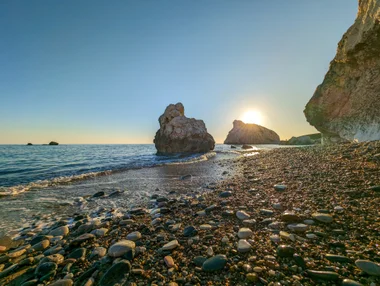
The Alentejo coast. While everyone fights for towel space in the Algarve, the Alentejo coast sits empty and spectacular. Wild beaches backed by cliffs, almost no development yet. Zambujeira do Mar, Porto Covo, Vila Nova de Milfontes. This is the coast Portugal used to be before the rest of the world found out.

Eating at a tasca. A tasca is a traditional Portuguese tavern. Small, family-run, handwritten daily specials on a chalkboard, and the kind of food that makes you wonder why Portugal isn't more famous for its cuisine. Order whatever they recommend. It'll cost 8-12 euros for a massive plate with wine.
What to Eat
Portuguese food is the opposite of pretentious. It's built on quality ingredients, straightforward preparation, and portions that assume you came hungry. The cuisine doesn't try to be fancy. It just tries to be good. It succeeds.
Pastéis de nata. Custard tarts with a flaky puff pastry shell and a creamy egg custard filling, blistered on top. Eaten warm, dusted with cinnamon and powdered sugar. The best ones come out of the oven minutes before you eat them. Available everywhere, but the quality range is enormous. A great nata is transcendent. A bad one is just a tart.
Bacalhau. Salted cod, prepared in what the Portuguese claim is 365 different ways. Bacalhau à Brás (shredded with eggs, onions, and crispy potatoes) is the most common. Bacalhau com natas (baked with cream) is comfort food. Bacalhau à lagareiro (roasted with olive oil and garlic) is simple and perfect. The Portuguese eat more cod per capita than any other country. It's not a dish, it's a national identity.
Grilled sardines (sardinhas assadas). The icon of Portuguese summer. Whole sardines grilled over charcoal and served on bread that soaks up the juices. Eaten outdoors, with your hands, ideally during the June festivals in Lisbon. The smell of grilling sardines is the smell of Portugal in summer. Simple, oily, perfect.
Caldo verde. Green soup. Potato, kale (thin-sliced couve), olive oil, and a slice of chouriço. It's Portugal's comfort food, served everywhere from Michelin-starred restaurants to grandmothers' kitchens. Humble, warm, and satisfying in a way that complex dishes rarely achieve.
Queijo da Serra. A soft, creamy sheep's cheese from the Serra da Estrela region. When properly aged, you cut the top off and scoop out the runny interior with bread. It's rich, pungent, and one of the best cheeses in Europe. Pair it with bread.
Port wine. Not a food, but essential. Tawny, ruby, white, rosé, vintage. The port wine lodges in Vila Nova de Gaia offer tastings that range from free (basic wines) to expensive (vintage ports that cost more than your hotel room). A 10-year tawny is the sweet spot between quality and affordability. Drink it slowly.
Ginjinha. Sour cherry liqueur, served in a chocolate cup or a shot glass. Sold from tiny storefronts in Lisbon's Rossio area. Sweet, strong, and the best 1.50 euros you'll spend in the city.
Costs
Portugal is one of Western Europe's most affordable destinations. Compared to France, Italy, the UK, or Scandinavia, your money goes noticeably further. Prices have risen in Lisbon's center, but the rest of the country remains excellent value.
The prices shown here are meant as a rough guide and can vary over time. While I update exchange rates regularly, local prices are typically refreshed only when I revisit the destination.
The couvert (1-3 EUR per person), the occasional tourist markup, and Lisbon's inflated accommodation are the main budget surprises. The rest of Portugal is refreshingly honest in its pricing.
Safety & Health
Portugal is one of the safest countries in Europe and consistently ranks among the safest in the world. Violent crime is very rare. The main concerns are minor and practical.
Pickpocketing. The biggest risk, concentrated in Lisbon's tourist areas: Tram 28, Baixa, Alfama, Bairro Alto at night, Belém near the Jerónimos Monastery. Standard precautions apply: keep valuables secure, use a crossbody bag, be aware in crowded spaces. Porto has less of this problem but tourism is growing, so is the pickpocket's interest.
Sun exposure. The Portuguese sun, especially in the Algarve and during summer, is stronger than the temperature suggests. The Atlantic breeze keeps you cool while you burn. Sunscreen, always.
Ocean currents. The Atlantic coast has powerful waves, strong currents, and cold water. Beaches with lifeguards fly flags to indicate conditions: green (safe), yellow (caution), red (no swimming). Respect them. The west coast and the Algarve's western tip have particularly strong currents. People die every year ignoring the flags.
Driving. Portuguese driving culture is... spirited. Tailgating on highways is common. Rural roads can be narrow with limited visibility. The IP roads (highways) are well-maintained. The smaller roads in the interior require attention. Roundabouts follow a logic that becomes clear after the third or fourth near-miss. And the Algarve has a lot of roundabouts, in any all sizes.
Healthcare. Public hospitals exist in all major cities, and private clinics are widely available. EU citizens with an EHIC card get access to public healthcare. Quality is generally good. Pharmacies are plentiful and pharmacists can advise on minor issues. Travel insurance is always wise but not as critical as in countries with expensive private healthcare.
Tap water. Safe everywhere in mainland Portugal. Tastes fine. Drink it.
Getting Around
Trains connect the major cities well. The Alfa Pendular (high-speed) runs Lisbon to Porto in about 2.5 hours and is comfortable and punctual. Intercidades (intercity) trains are slightly slower and cheaper. Regional trains cover smaller routes and are affordable but very slow. The CP (Comboios de Portugal) website and app work for booking, though the interface takes patience.
A rental car is the best way to explore the Alentejo, the Algarve coast, the Douro Valley, and anywhere rural. Roads are generally good. Highways (autoestradas) are toll roads, some use electronic tolling only, which requires either a rental car transponder or registering your license plate online. Ask your rental company about tolls or you'll get surprise bills. Fuel costs are moderate by European standards but not cheap.
Buses (Rede Expressos and others) fill the gaps where trains don't reach. Comfortable, cheap, and covering most of the country. The Algarve, in particular, is better connected by bus than by train.
Metro systems exist in Lisbon and Porto. Both are clean, cheap, and cover the main areas, but that's about it. Lisbon's metro doesn't reach some tourist spots (Belém, for example), trams and buses fill the gaps.
Uber and Bolt work well in Lisbon and Porto. Often cheaper than taxis. Essential for getting up Lisbon's hills when your legs give up, which they will.
Ferries cross the Tagus in Lisbon, connecting the city to the south bank (Almada, Cacilhas). The crossing takes 10 minutes, costs next to nothing, and gives you one of the best views of Lisbon's skyline. Not just transport, a mini-experience.
Walking. Portuguese cities, especially the historic centers, are best explored on foot. Lisbon demands fitness. Porto demands determination. But the rewards are in the details you only see at walking pace: the tiles, the street art, the hidden miradouros (viewpoints), the smell of grilling sardines from a side street.
Destination Info
Published March 2026.