Europe's Green Paradise
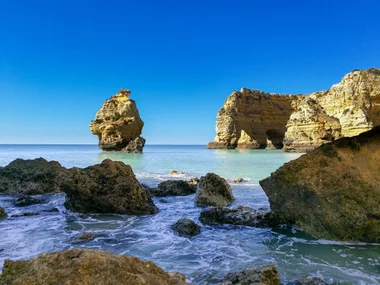
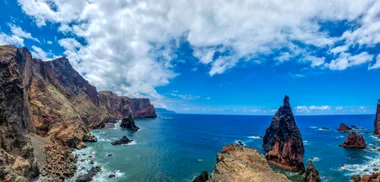
The Azores are nine volcanic islands in the middle of the Atlantic, offering dramatic landscapes, hot springs, tons of peace, and whale watching. It's green, wild, and wonderfully remote. Just perfect for you if you're a nature lovers who wants to escape the crowds.

Unlike many typical island destinations, the Azores are not about some famous beaches, coconut palms and a resort strip. Here everything is about crater lakes, cloud forests, black lava coastlines, steaming geothermal valleys, and villages that still move at a local rhythm. Even when tourism is busy in summer, the islands still feel spacious.
Politically, the archipelago belongs to Portugal, but culturally and geographically it has a very distinct Atlantic identity. Weather, light, and sea conditions change quickly, and that unpredictability is part of the experience. If you like polished certainty, this can feel inconvenient. If you like wild nature and dramatic mood shifts, and don't mind getting stuck on an island for a day or two, it feels perfect.


The Islands
Nine volcanic islands spread across roughly 600 kilometers of the mid-Atlantic, each with its own character. They are usually grouped into three clusters. The Eastern Group has São Miguel and Santa Maria. The Central Group includes Terceira, Graciosa, São Jorge, Pico, and Faial. The Western Group has Flores and Corvo. No two islands look or feel the same, and that is the whole point of island-hopping here.

Distances look small on a map, but moving between islands still takes planning. Flights are the fastest option, while ferries are more limited and seasonal depending on route and sea conditions. If you want to explore several islands, build buffer time into your itinerary. Flights between islands are covered by turboprops that are more sensitive to strong winds and therefore regularly delayed or canceled.
Each island has a different personality. Some are ideal for first-time visitors, some for hiking, some for deep quiet and remoteness. Choosing the right mix matters more than trying to "collect" all nine in one rushed trip.
São Miguel
In most guides, São Miguel is set to be the best starting point. While I do agree that it is the easiest island for first-time logistics, I would always choose it as the last destination. I'll cover the reasons on the dedicated São Miguel page. Aside from this, it has the biggest population, the most developed tourism infrastructure, and enough diversity to fill an entire week without feeling like being cast for Groundhog Day II.
This is where you get many of the classic Azores highlights: Sete Cidades viewpoints, Furnas geothermal activity, tea plantations near Ribeira Grande, natural pools, and strong food variety in and around Ponta Delgada. Roads are generally good, but weather can change quickly, especially around mountain viewpoints.


Santa Maria
Santa Maria is calmer, sunnier, and generally drier than many of the other islands. It is often described as one of the best options if you want more beach-friendly conditions.
Compared with São Miguel, sightseeing is less about dramatic volcanic lakes and more about gentle hills, coastal trails, and relaxed villages. It is a good island for travelers who want less driving pressure and more quiet downtime.
Terceira
Terceira combines culture and nature very well. Angra do Heroísmo, the historic main city, gives the island a different feel from more purely nature-driven islands, and the local traditions are still very visible in daily life. This is the island I recommend to start with.
Beyond city walks, the island offers volcanic caves, green viewpoints, and coastal scenery with easier day-trip planning than larger islands. If you want a balanced mix of history, food, and manageable outdoor stops, Terceira is a strong choice.


Graciosa
Graciosa is one of the quietest islands and feels noticeably less visited. It is compact, easy to navigate, and ideal if you prefer uncrowded roads and short transfer times between sights.
The island is known for calm rural landscapes and lava-related geology, including its well-known volcanic cave area. Graciosa works best for a short, peaceful stay rather than a packed adventure schedule.
São Jorge
São Jorge is famous for its dramatic cliffs and "fajãs", flat coastal strips created by lava flows and landslides. These unique landscapes make the island one of the most interesting for hikers and photographers.
Roads can be steep and winding, and weather shifts can strongly affect visibility. But when conditions are clear, views are outstanding. The island is also known for São Jorge cheese, one of the Azores' best-known regional products.
Pico
Pico is defined by altitude and ocean. Mount Pico is actually Portugal's highest mountain. It dominates the island and looks really pretty.
Even if you don't climb, the island has a powerful atmosphere: black lava fields, traditional vineyards protected by lava stone walls, and, given the right season, strong whale-watching opportunities in the surrounding waters. Pico is rugged, minimalist, and one of the islands you will never forget.


Faial
Faial is often paired with Pico due to close distance and frequent links between islands. Horta marina is famous among Atlantic sailors, giving the island a lively harbor culture. It's not Dubai Marina, but livelier compared with quieter islands
The volcanic landscape is a highlight, especially around Capelinhos, where the terrain looks almost lunar in places. Faial is a good island for combining volcanic scenery, seafaring history, and practical inter-island connections.
Flores
My favorite, my gem. No matter what others say, Flores is the most beautiful island in the archipelago. Period. Waterfalls, crater lakes, and lush valleys define its identity, and it often feels like a natural sanctuary at the far edge of Europe.
Because of its distance and weather sensitivity, transport disruptions are more common here than on central islands. If you include Flores, plan extra flexibility and avoid tight onward connections. It's a diva.


You can find more details about Flores on its dedicated page.
Corvo
Corvo is the smallest inhabited island in the Azores and feels truly isolated. Most visitors come for the crater landscape and the rare sense of complete detachment from urban pace.
It is usually visited as a short extension from Flores, though overnight stays are possible and rewarding if you want silence and simple village life. Corvo is not about a long checklist of attractions. It is about scale, stillness, and atmosphere.
When to Go
May to September offers the most reliable weather window, though rain is possible year-round. Summer (June to August) is warmest and busiest, with the best chance for stable hiking and boat conditions.
April, May, late September, and October are excellent shoulder-season months if you want fewer crowds and greener landscapes after rainfall. Winter is relatively mild by temperature but often wet and windy, which reduces visibility and will mess with your outdoor plans.
Whale watching is strongest from spring into autumn, with seasonal variation by species. If marine wildlife is a priority, build at least a few flexible days into your schedule to improve your chances of good sea conditions.

How Long to Stay
In general, it depends on which islands you wanna cover. As a rule of thumb, plan with 4 days for one island. That gives you at least some time to absorb weather changes and still enjoy your key activities. A shorter stay can work, but it leaves less room for flexibility when viewpoints are foggy or ocean tours are canceled.
For island-hopping, 10 to 14 days is a realistic minimum for 3 islands. If you try to cover too many islands too quickly, the trip becomes mostly transfer logistics. The Azores reward slow travel, repeated attempts at viewpoints, and days that are not rigidly planned.
What to Skip
Whale watching in rough conditions. The tours run when they can, and operators are generally responsible about canceling when the sea is too rough. But "not canceled" doesn't mean "comfortable." If the forecast shows high swells and you get seasick easily, save your money and wait for a better day. A miserable three hours on choppy water staring at the horizon is not the Azores experience anyone is selling you.
Overplanning around Sete Cidades. The twin lakes viewpoint is iconic, but it depends entirely on weather. Many visitors block out a specific morning, drive up, find the crater completely fogged in, and leave disappointed. Instead, keep it flexible. Check the webcam (yes, there is one), go when the clouds break, even if that means changing your plan last minute. The Azores reward spontaneity, not rigid schedules.
Tourist restaurants in Ponta Delgada's marina area. The waterfront places charge more for less. Walk a few streets inland and the quality improves while prices drop. The locals don't eat at the marina, and that tells you what you need to know.
Trying to see all nine islands in one trip. Unless you have three weeks and a relaxed attitude toward canceled flights, don't attempt it. Three islands in 10 to 14 days is a good pace. Four is ambitious. Nine is a logistics nightmare that turns a nature trip into an airport shuttle schedule.
São Miguel on day one. I know I mentioned this in the São Miguel section, but it bears repeating. Starting with the biggest, most developed island sets the wrong baseline. You see the highlights first and everything after feels smaller. Start with a quieter island and build toward São Miguel. The contrast works better in that direction.
What Not to Skip
Flores. Full stop. If the logistics work and you can handle the weather uncertainty, Flores is the single most beautiful island in the archipelago. Crater lakes, waterfalls tumbling down green cliffs, the Rocha dos Bordões basalt columns, and a sense of being at the edge of the world. It requires patience and flexibility, but what it gives back is extraordinary.

A clear day at Sete Cidades. When the clouds lift and you see the twin lakes from Boca do Inferno or the viewpoint above the village, it's one of the great views in Europe. Blue lake, green lake, crater walls covered in forest, the ocean beyond. Worth waiting for. Worth rearranging your schedule for.
The geothermal experience in Furnas. Not just the Cozido (though that's worth trying). The whole valley: the boiling pools, the iron-rich hot springs, the sulfur steam rising from the ground, Terra Nostra Park with its massive thermal pool. It smells like sulfur and looks like another planet. In a good way.


Serra do Cume viewpoint on Terceira. The panoramic view over the green patchwork fields is one of those moments where the Azores click into place. The island is so green, so carefully divided into pastures by stone walls, that it looks like someone designed it. Go when the sun is out and the clouds are high.
Pico's vineyards. The UNESCO-listed vineyard landscape, black lava walls protecting grapevines from Atlantic wind, is unlike anything else in Europe. Walk through the paths between the walls, visit a local wine cooperative, and drink Verdelho that tastes like the volcanic soil it grows in.
Sunset from Faial with Pico in the background. Watch Mount Pico's silhouette darken against the sky from Horta or the western coast of Faial. The mountain across the channel, cloud or no cloud on the summit, is one of the most dramatic sunset backdrops in the Atlantic.
São Jorge cheese at the source. Buy it on the island, from a cooperative or a local shop. The aged version has a sharpness and depth that the exported stuff never quite matches. Pair it with bread and local wine. This is one of Europe's great regional cheeses, and most people have never heard of it.

Food
If you like fresh seafood, they say it is excellent across the islands, especially limpets, tuna, octopus, and local white fish. Since I don't eat seafood, I can't judge it. Cozido das Furnas is the iconic dish in São Miguel: a mixed meat and vegetable stew cooked underground with geothermal heat.
You should also try regional cheeses, especially from São Jorge, plus island-style breads, soups, and simple grilled dishes that rely on ingredient quality rather than heavy technique. In São Miguel, local pineapple and tea are easy wins.
Food in the Azores is generally traditional rather than trend-driven. Expect large portions, straightforward menus, and strong value compared with many mainland European destinations.
Costs
The Azores are affordable by Western European island standards, though not as cheap as mainland Portugal. Prices have risen with tourism growth, especially on São Miguel in summer, but the islands still offer strong value compared to the Canaries, Madeira, or Mediterranean destinations.
The prices shown here are meant as a rough guide and can vary over time. While I update exchange rates regularly, local prices are typically refreshed only when I revisit the destination.
The biggest variable is the car rental, and on most islands you genuinely need one. Factor it into your budget from the start. The biggest savings come from eating at local snack bars and tascas instead of tourist-facing restaurants, and from booking accommodation on the smaller islands where supply is lower but so are prices.
Getting Around
Renting a car is the most practical choice on most islands and makes a major difference to what you can see in a day. Public transport exists but is limited, and routes and schedules are often not traveler-friendly for viewpoint-heavy itineraries.
Inter-island travel is by domestic flights and ferries. Flights are usually the default for most routes, while ferries are more useful within parts of the Central Group, depending on season and timetable.
Road quality is generally good, but mountain roads can be narrow, steep, and fog-prone. Drive defensively, keep a weather app handy, and plan alternates for exposed viewpoints.

The Ducks
At some point during your visit to São Miguel or Terceira, you will encounter feral Muscovy ducks. They're everywhere around the island's parks and lakes, especially at Furnas, Sete Cidades, and the botanical gardens. Large, black-and-white, with the distinctive red warty faces that look like they were designed by someone who ran out of ideas halfway through. Some have white heads and a green iridescent sheen. They sit by lakeshores, waddle across paths, and stare at you with an expression that suggests they were here first, won't move and don't care about you.


These are not wild ducks in the normal sense. Muscovy ducks are native to Central and South America and were likely brought to the Azores centuries ago as domestic birds. Some escaped, some were released, and now they've established feral populations across the archipelago's parks and green spaces. They're hardy, adaptable, and clearly thriving.
They're not aggressive, but they're not shy either. If you sit down with food near a lake, expect company. They will approach with the calm confidence of animals that have never once been told no. The males are large, sometimes a meter long including the tail, and the hissing sound they make instead of quacking is mildly unsettling the first time you hear it.
For photographers, they're surprisingly photogenic. The iridescent green-black feathers catch light beautifully, and they hold still long enough to get a good shot, mainly because they can't be bothered to move. They are part of the landscape now, as much as the hydrangeas and the cryptomeria forests. The Azores are volcanic islands in the middle of the Atlantic where South American ducks sit under Japanese cedar trees planted by Portuguese settlers. Nothing about this place is supposed to make sense, and somehow all of it does.
Common Mistakes
Packing light on rain gear. The Azores can go from sunshine to sideways rain in twenty minutes and back again. A packable rain jacket is not optional equipment. An umbrella is useless in the wind. Waterproof layers that you can throw on and take off quickly are the way.
Booking tight connections between islands. Flights get delayed and canceled regularly, especially to the western islands. If your plan depends on catching a specific flight to make the next thing work, the Azores will teach you a lesson about expectations. Build buffer days into every island transition.
Only visiting São Miguel. It's the most accessible island and it's beautiful, but the Azores are nine islands, each with a different character. São Miguel alone gives you about 30% of the experience. Add at least one or two more islands and the trip transforms from "nice volcanic island" to "one of the most varied archipelagos in Europe."
Relying on public transport. Buses exist on the larger islands but they run infrequently, skip the viewpoints, and don't connect the places you actually want to see. Without a car, you'll spend more time waiting at bus stops than looking at crater lakes. Rent a car on every island. It's the single biggest quality-of-life improvement you can make.
Skipping viewpoints because of fog. The cloud cover moves fast in the Azores. A viewpoint that's completely socked in at 10 AM can be crystal clear by noon. Don't write off a spot after one foggy attempt. Check back later, try the next morning, or drive up on your way to something else. The best views often come when you least expect them.

Rushing through meals. Azorean portions are enormous and the food is straightforward but good. Ordering three courses like you might in Lisbon will leave you unable to move. One main dish is usually plenty. And the local restaurants where the menu is handwritten or nonexistent are almost always better than the ones with English translations and photos.
Not budgeting for car rental. It's the biggest expense after accommodation and flights, but it's not optional on most islands. Factor it in from the start rather than being surprised. And book early for smaller islands where there might only be two or three rental operators.
Ignoring the western islands. Flores and Corvo are harder to reach and weather-dependent, but Flores in particular is the most beautiful island in the Azores. If you can make the logistics work, the reward is extraordinary. Most visitors never go further west than Faial, and most visitors miss the best the Azores have to offer.
Destination Info
Published March 2026.