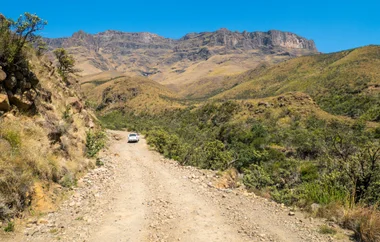
The Mountain and the Sea
Cape Town sits between a mountain and two oceans, and it knows exactly how good it looks. Table Mountain rises flat-topped behind the city like it was placed there by a set designer. The Atlantic crashes against the western shore. The Indian Ocean warms the eastern side. In between, a city sprawls across slopes, beaches, and wine valleys with a beauty that feels almost unfair to other cities.

It's consistently ranked among the most beautiful cities in the world, and for once, the rankings are right. The setting is ridiculous. Every angle has a postcard in it. The light in the late afternoon, when Table Mountain catches the golden hour and the ocean turns deep blue, is the kind of thing that makes people sell their apartment in London and never look back.
But Cape Town is also a city of contrasts so sharp they cut. The Atlantic Seaboard has mansions that rival anything in Monaco. Twenty minutes away, the Cape Flats hold some of the poorest and most dangerous neighborhoods in the country. The inequality is physical, built into the geography by decades of apartheid-era planning. You can see both from the top of Table Mountain. That view tells you everything about Cape Town: spectacular, complicated, impossible to reduce to a single story.
And then there's the safety question. In the very touristy parts, you're fine. V&A Waterfront, Kirstenbosch, Table Mountain, Boulders Beach: no problem. But in the "normal" parts of the city? I never really felt safe. I stayed at an Airbnb in what was supposedly a good neighborhood. The lady who took care of the place for the owners stepped out onto the balcony with me and casually pointed out at least five spots where she'd been mugged over the decades she lived there. Not exactly the welcome speech you want to hear. Cape Town is gorgeous, but it doesn't let you forget that it has teeth.
Table Mountain
You have to go up. This is non-negotiable. Table Mountain defines Cape Town the way the Eiffel Tower defines Paris, except Table Mountain was here 600 million years before anyone built anything. It wins that contest.
The cable car takes about five minutes and rotates 360 degrees on the way up, which is either a nice touch or a cruel joke depending on how you feel about heights. The views from the top stretch across the entire Cape Peninsula, from the city bowl to Robben Island to the mountains disappearing south toward the Cape of Good Hope. On a clear day, it's one of the best viewpoints on the continent. On a cloudy day, it's an expensive ride into a white room.

You can also hike up. Platteklip Gorge is the most direct route, steep and relentless, about 2 to 3 hours depending on fitness. It's not technical, just vertical. Your legs will have opinions about it the next day. The reward is the same view plus the satisfaction of having earned it. Other routes like Skeleton Gorge from Kirstenbosch are longer but more scenic, winding through forest before reaching the top.
The top itself is surprisingly large. There are walking trails, dassies (small furry animals that look like overgrown guinea pigs and are somehow related to elephants, and I couldn't help but comparing them to Gremlins), and a cafe. You can spend a couple of hours wandering.


The "tablecloth" cloud that rolls over the flat top is famous. When it comes, it moves fast and the temperature drops. Bring a layer even on a warm day.
Go early in the morning or late in the afternoon. Midday brings clouds, heat, and queues at the cable car. Sunset from the top is exceptional but means coming down in the dark, so plan accordingly.
The Cape Peninsula
The drive from Cape Town to the Cape of Good Hope is one of the great coastal drives. Chapman's Peak, carved into the cliff face between Hout Bay and Noordhoek, is the highlight: a winding road with the Atlantic hundreds of meters below and mountains above. It's a toll road and sometimes closes for rock fall, but when it's open, it's the kind of road that makes you glad you rented a car instead of joining a bus tour.

The Cape of Good Hope itself is not the southernmost point of Africa (that's Cape Agulhas, about 150 km southeast). But it doesn't matter. The peninsula's tip, where the land ends and the ocean stretches to Antarctica, has a wildness that lives up to the name. The hike from the parking area to the old lighthouse takes about 30 minutes and gives you a view of the whole peninsula behind you.

Simon's Town has a colony of African penguins at Boulders Beach. Yes, penguins in Africa. They're small, loud, and completely uninterested in your existence. Most of them just waddle around doing penguin things while tourists melt. But don't let the cuteness fool you: some of them are aggressive little monsters and will bite if you get too close and they decide you've overstayed your welcome. They're adorable right up until they're not. The boardwalk lets you watch the colony from a safe distance, which is both respectful to them and a smart move for your ankles.


Kalk Bay is a fishing village turned trendy stop, with antique shops, cafes, and a harbor where fishermen sell their catch directly. The ice cream at the main street shops is unreasonably good.
You can do the peninsula as a day trip from Cape Town. Leave early, drive the Atlantic side down, come back via the False Bay side. Stop often. The whole route is beautiful, and rushing it should be illegal.
The Waterfront and City Center
The V&A Waterfront is Cape Town's most visited attraction. A working harbor surrounded by shops, restaurants, hotels, and the Zeitz Museum of Contemporary Art Africa (Zeitz MOCAA), which occupies a converted grain silo and is architecturally stunning. The waterfront is polished, safe, and pleasant. It's also commercial in the way all waterfront developments are. You'll spend time here, enjoy it, buy something you didn't need, and move on.


The city center is more interesting. Long Street has bars, restaurants, and a backpacker energy that comes alive at night. Bree Street is the food street, where Cape Town's restaurant scene has concentrated itself with increasingly impressive results. The Company's Garden, the oldest cultivated garden in South Africa, is a green lung in the middle of the city, quiet and shaded.
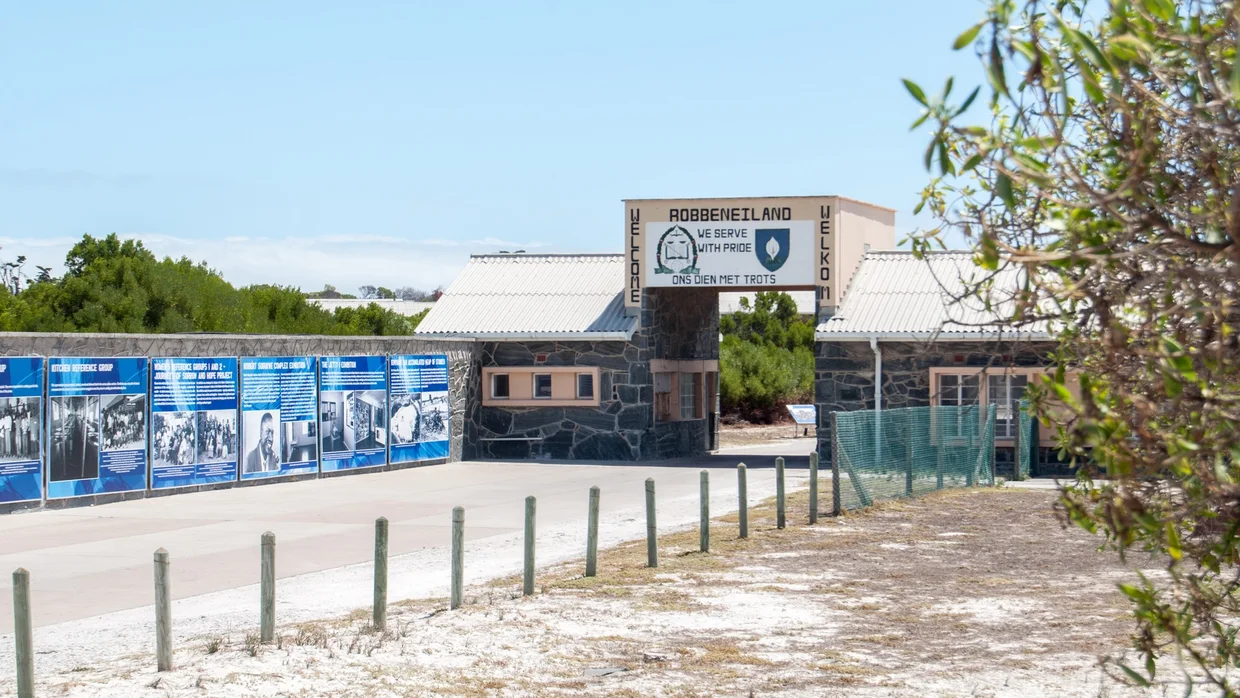
Robben Island, visible from the waterfront, is where Nelson Mandela was imprisoned for 18 of his 27 years. The ferry takes 30 minutes. Tours are led by former political prisoners, which makes the experience personal and powerful in a way that no museum display can replicate. Book in advance. It fills up.
Bo-Kaap
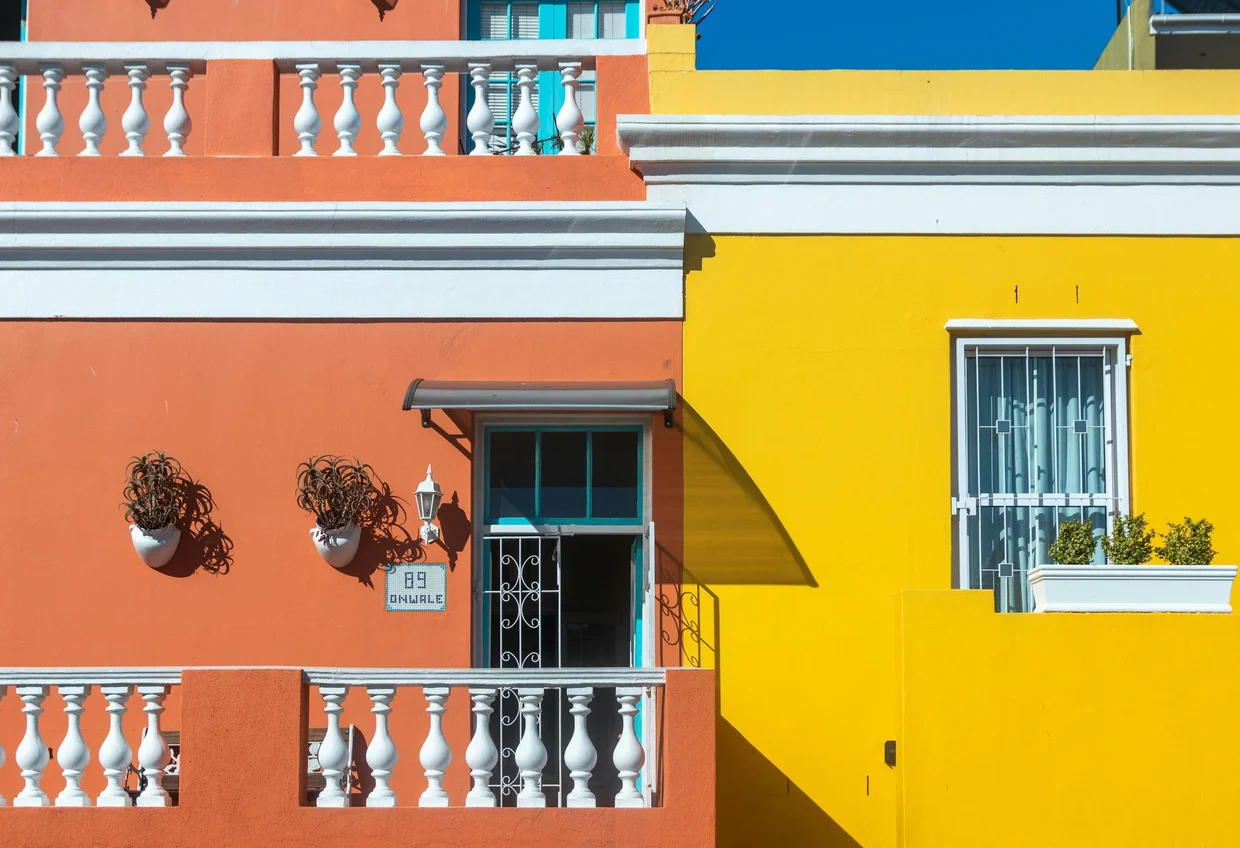
Bo-Kaap is the neighborhood on the slopes of Signal Hill with the brightly colored houses that appear on every Cape Town postcard. The colors are real, not a tourist gimmick. The neighborhood has been home to the Cape Malay community since the 1760s, descendants of enslaved people brought from Southeast Asia by the Dutch.
Walk the streets, visit the Bo-Kaap Museum, and eat. The food here, Cape Malay cooking, is one of Cape Town's great treasures. Rich curries, samoosas, koeksisters, dhaltjies (chili bites), all with flavors that trace back centuries to Indonesia, Malaysia, and India via the spice trade. If you leave Bo-Kaap without eating something, you did it wrong.
The neighborhood is gentrifying, and longtime residents are being pushed out by rising property values. It's a tension you'll feel if you look. The colorful houses make for easy photos, but there's a community behind them that's fighting to stay.
The Beaches
Cape Town has two coasts with completely different personalities.
The Atlantic side (Camps Bay, Clifton, Llandudno) has white sand, turquoise water, and mountain backdrops that look computer-generated. The water is freezing. The Benguela Current comes straight from Antarctica, and swimming here is a brief, gasping, deeply regrettable affair. You go in, you scream, you come out. People come for the scenery, the sundowners, and the posing. Camps Bay at sunset, with the Twelve Apostles mountain range behind it, is absurd in its beauty.

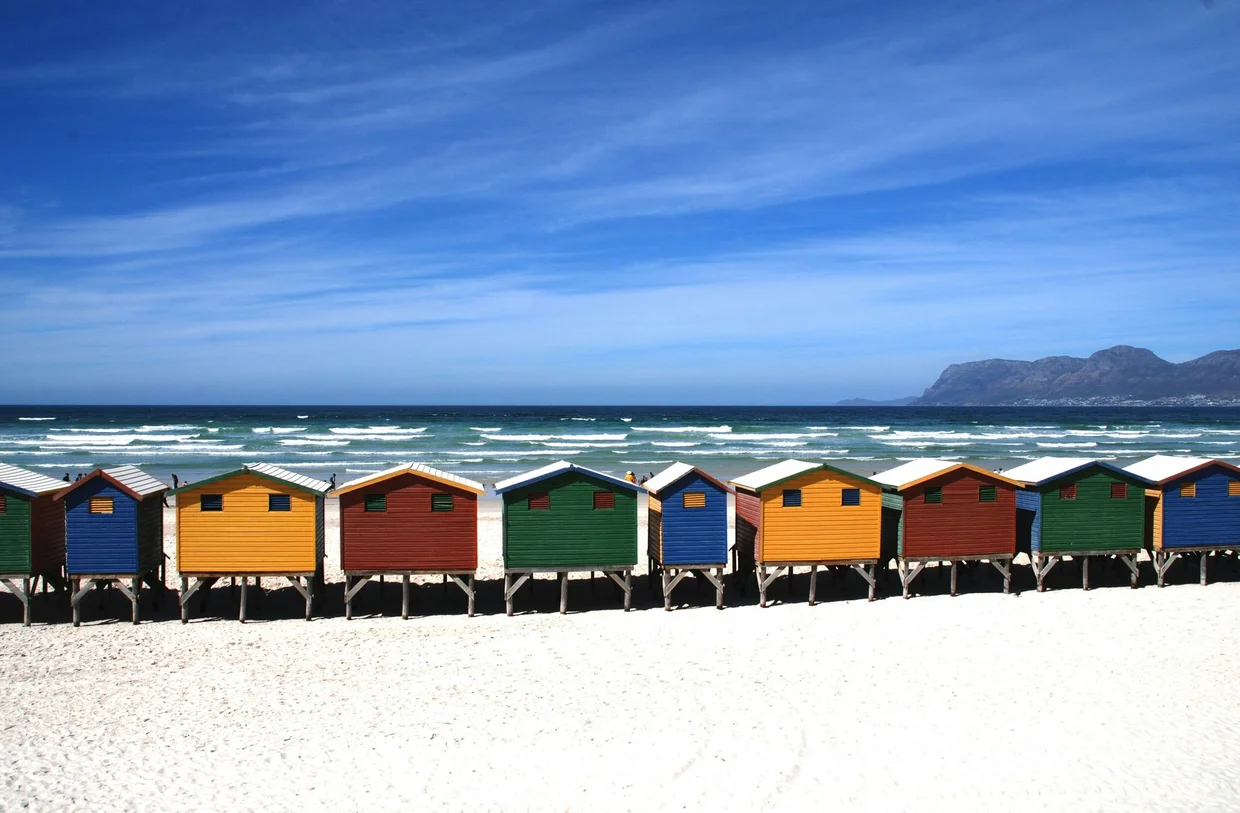
The False Bay side (Muizenberg, Fish Hoek, Kalk Bay) has warmer water, a more relaxed atmosphere, and the best surfing. Muizenberg is where Cape Town surfs. The colorful beach huts are famous, the waves are forgiving for beginners, and the vibe is less glamorous but more fun than the Atlantic side.
Boulders Beach near Simon's Town combines warm-ish water with penguins. You swim next to African penguins. It costs nothing to understand why this is popular.

The Winelands
Stellenbosch, Franschhoek, and Paarl are within an hour of Cape Town, and they produce wine that competes globally. The landscape is Cape Dutch architecture (white-washed, gabled farmhouses), vineyards against mountain backdrops, and oak-lined streets. It looks like someone designed a wine region from scratch and forgot to include any flaws.
Stellenbosch is the largest wine town, with the most estates and the best walking. The town center is charming, compact, and filled with restaurants that range from casual bistros to serious fine dining. Franschhoek is smaller, more polished, and calls itself the food and wine capital of South Africa with enough justification to get away with it. Paarl is more spread out and less touristy.
Tastings are cheap by international standards. Most estates charge 50 to 150 rand (3 to 8 euros) for a flight of five or six wines. Some waive the fee if you buy a bottle. The wines are good. Pinotage, Chenin Blanc, and Bordeaux-style blends are the signatures. You will leave with more bottles than you planned for. Everyone does.
If you drink, don't drive. The roads between estates are beautiful but winding, and South African police take drink-driving seriously. Organized wine tours, Uber, or a designated driver are the way to go.
What to Do
There are many things to experience, to see and to do in Cape Town. This here is just my personal highlight. For a more comprehensive and detailed overview, visit my dedicated what to do in Cape Town page.
Table Mountain
Non-negotiable. Table Mountain is 600 million years old, flat-topped, and visible from almost everywhere in the city. The cable car rotates 360 degrees on the way up, which is either thrilling or... see more
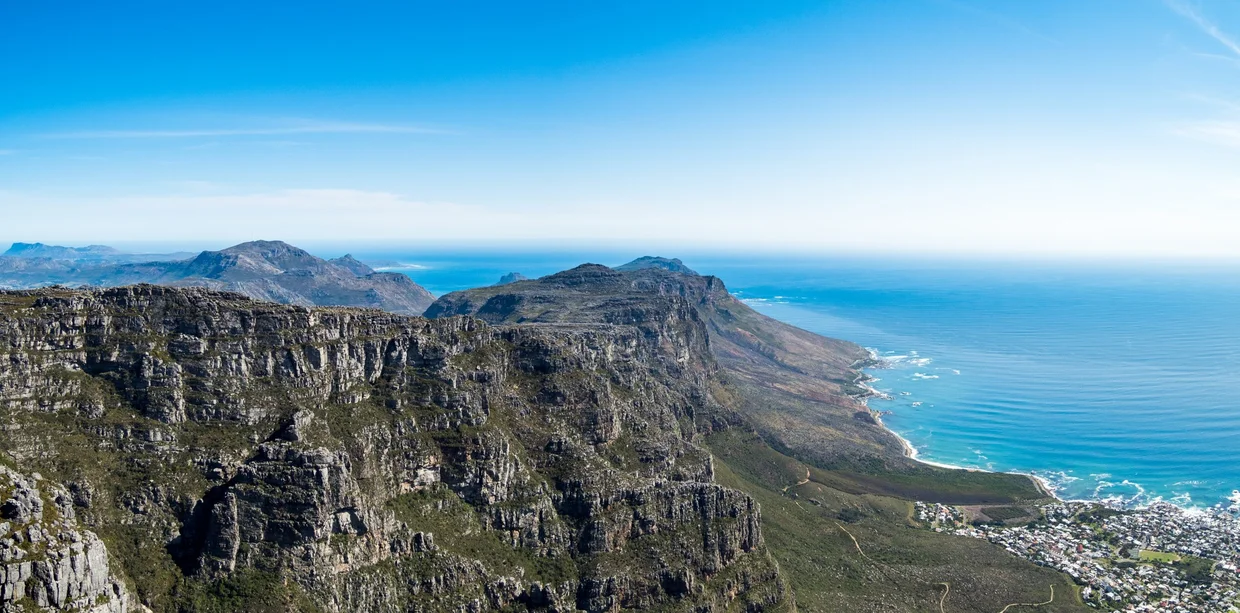
Cape Peninsula Drive
The full loop from Cape Town down to the Cape of Good Hope and back is one of the best day drives in the world, and that's not an exaggeration. Chapman's Peak is the star: a road carved into a cliff... see more
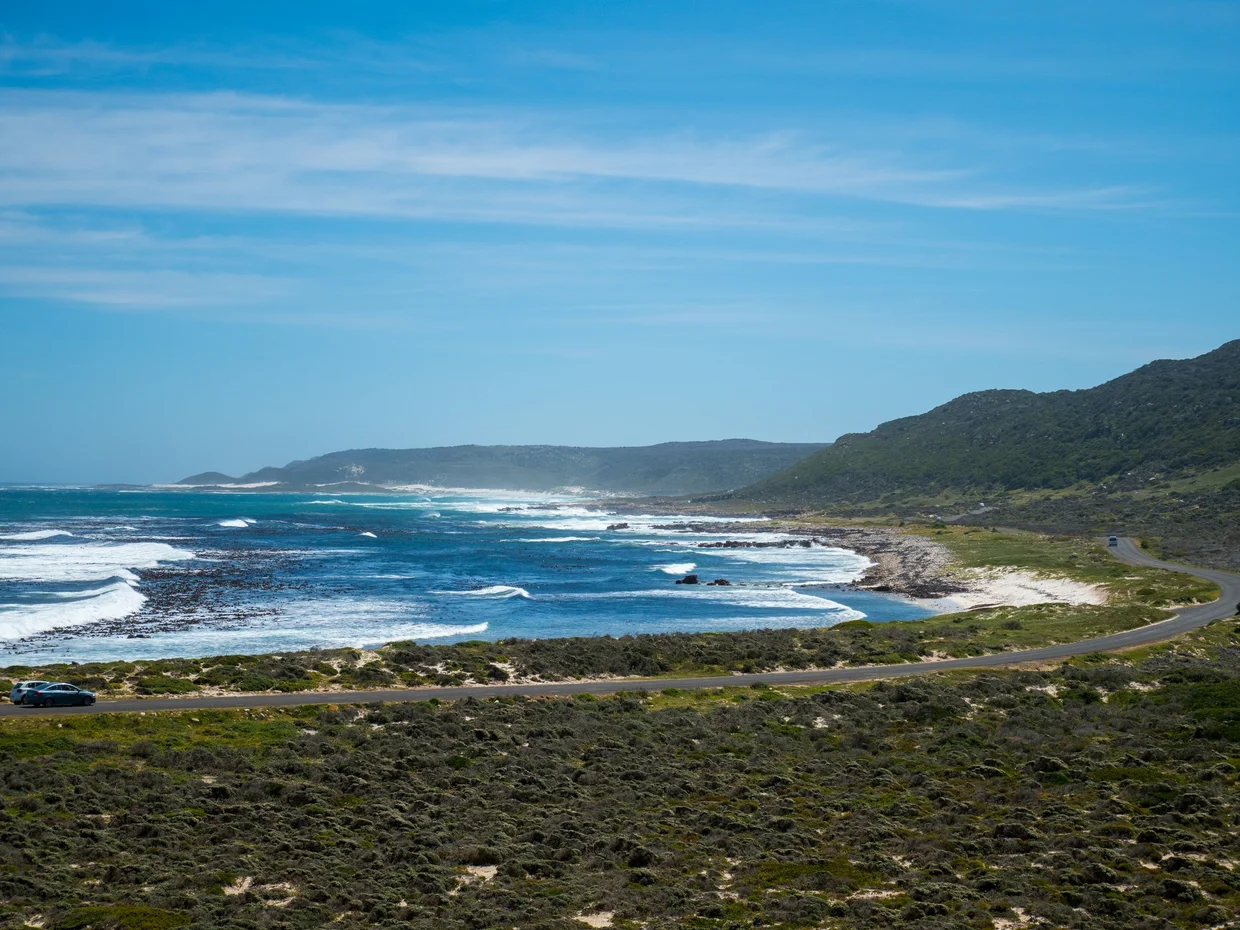
Boulders Beach Penguins
Yes, penguins in Africa. A colony of African penguins lives at Boulders Beach near Simon's Town, and watching them waddle around the sand, swim in the shallows, and generally carry on with their lives... see more
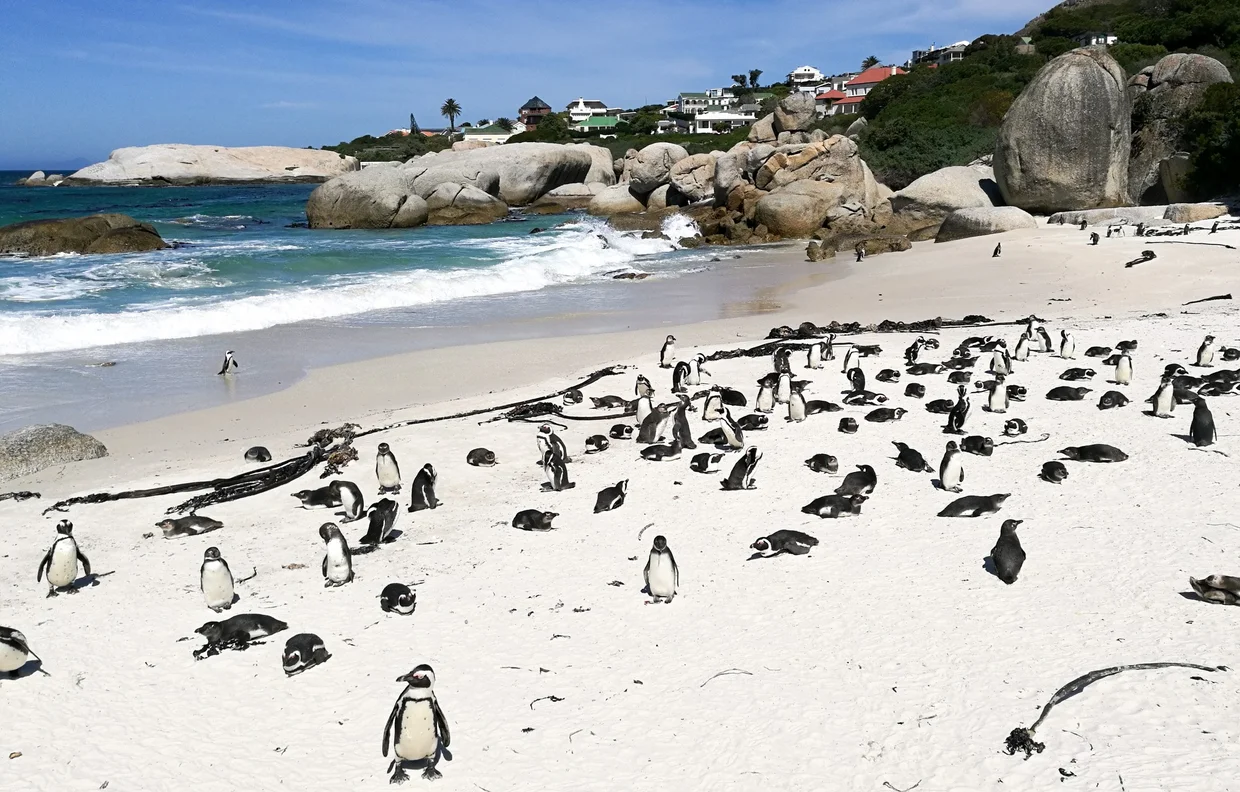
Kirstenbosch National Botanical Garden
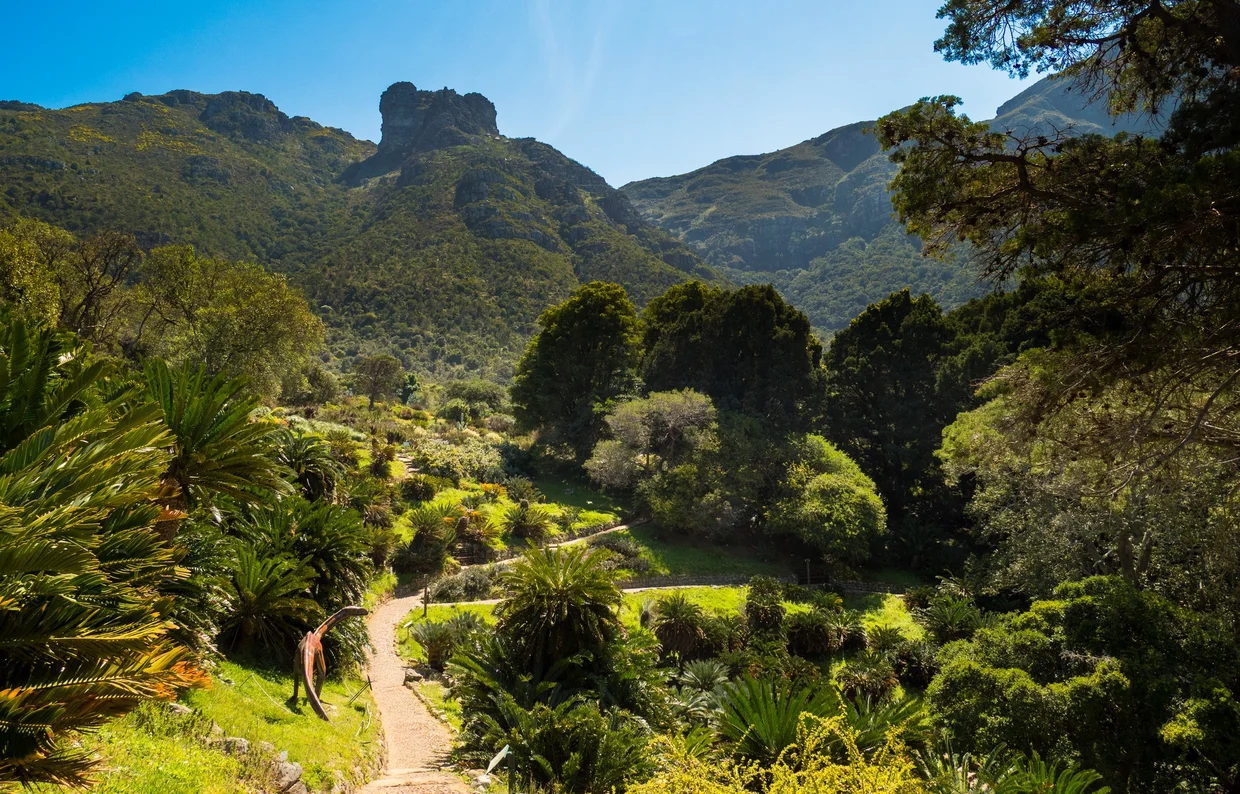
Kirstenbosch sits on the eastern slopes of Table Mountain and is one of the great botanical gardens of the world. The setting alone justifies the visit: manicured gardens backed by the mountain's... see more
Robben Island
Robben Island is where Nelson Mandela spent 18 of his 27 years in prison, and visiting it is one of the most powerful experiences Cape Town offers. The ferry takes 30 minutes from the V&A Waterfront.... see more
Bo-Kaap
Bo-Kaap is the neighborhood on the slopes of Signal Hill with the brightly colored houses that show up on every Cape Town Instagram post and travel brochure. But it's not a set piece built for... see more
Winelands Day Trip
Stellenbosch and Franschhoek are less than an hour from Cape Town and produce wine that competes globally. The landscape looks like someone designed a wine region from scratch and forgot to include... see more
Lion's Head Sunset Hike
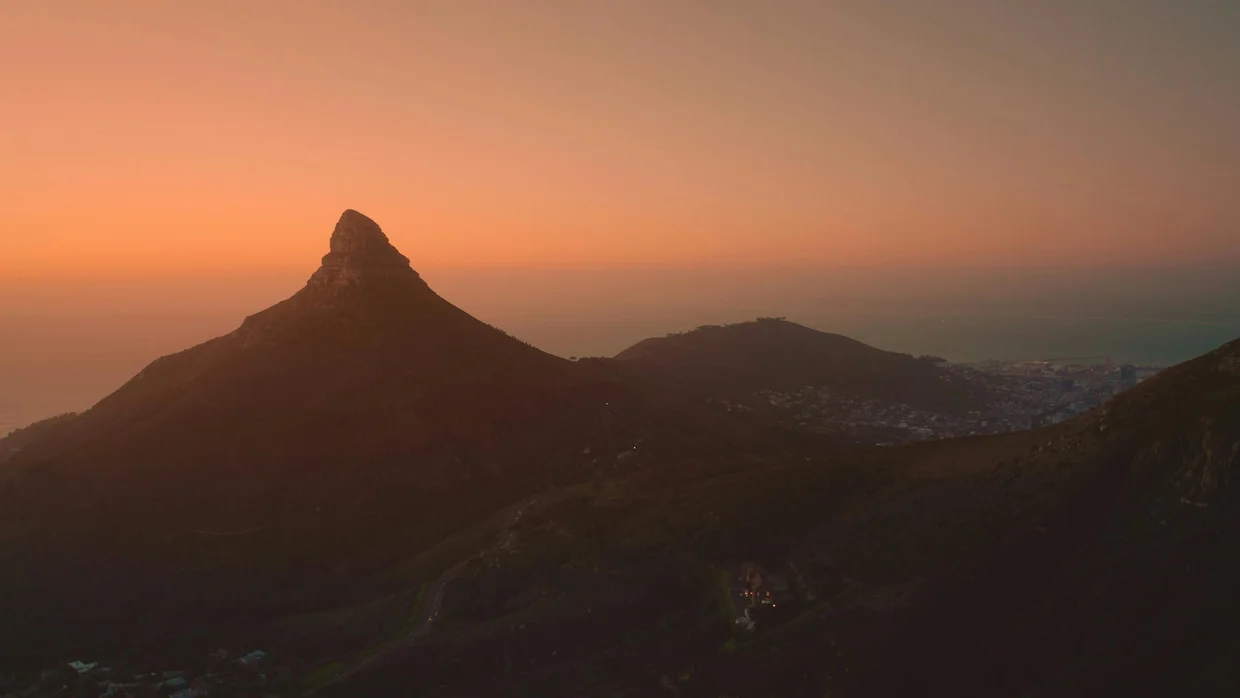
Lion's Head is the conical peak next to Table Mountain, and hiking it for sunset is one of the best things you can do in Cape Town. The trail takes about an hour up and spirals around the peak with... see more
Muizenberg Beach & Surfing
Muizenberg is where Cape Town surfs. The waves are gentle and forgiving, which makes it the best place in the city to learn. Surf schools line the beachfront and will have you standing up on a board... see more
District Six Museum
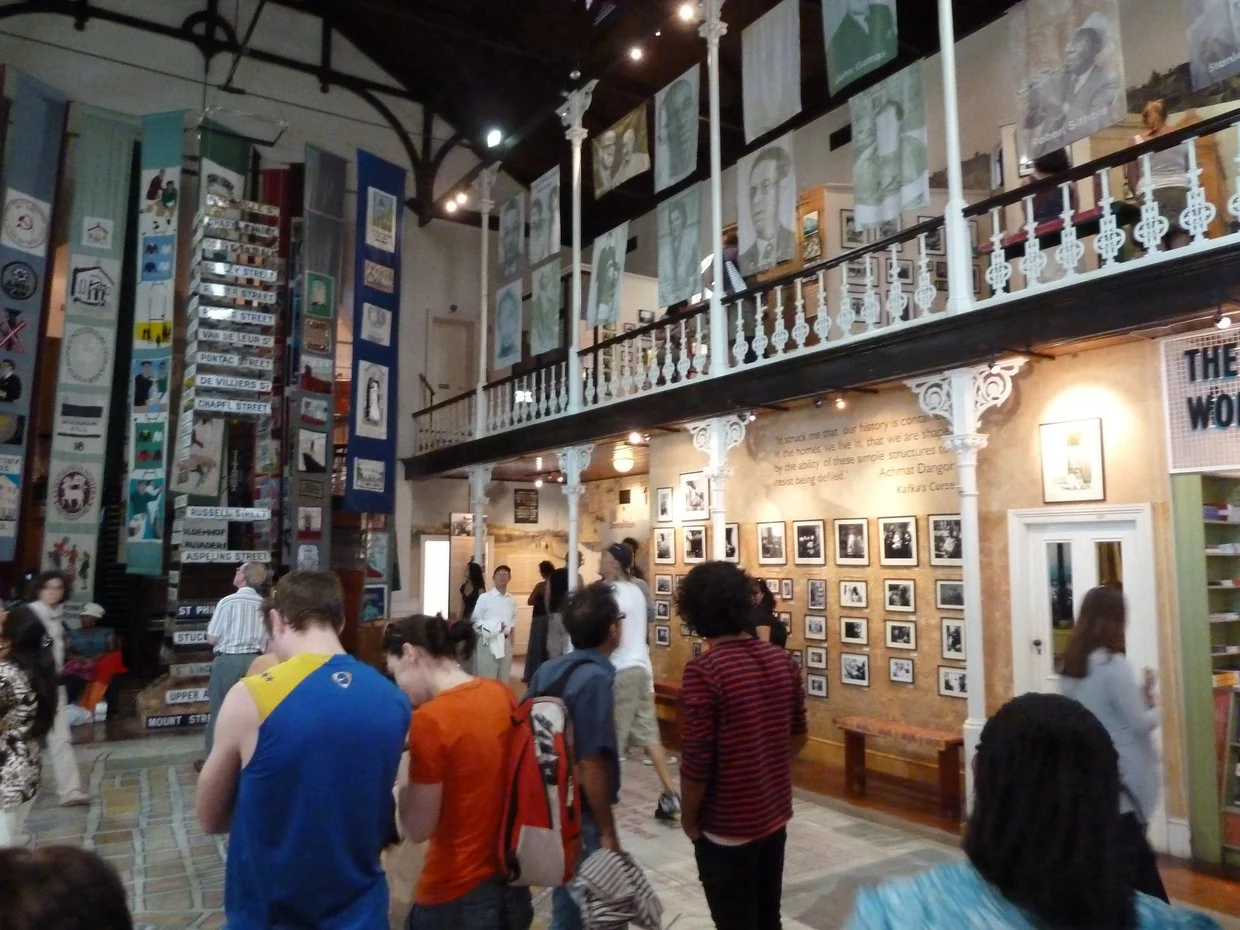
District Six was a vibrant, mixed community of 60,000 people in central Cape Town. During apartheid, the entire neighborhood was declared a whites-only area. Everyone was forcibly removed. The... see more
Food
Cape Town has the best food scene in Africa. That's a big claim, but it holds up. The mix of influences, Cape Malay, Indian, African, European, combined with excellent local produce and a wine region next door, has created something that punches well above its weight class.
The Test Kitchen and its successor restaurants put Cape Town on the global fine dining map. Reservations are needed weeks in advance. But you don't need fine dining to eat well here. The food markets (Old Biscuit Mill on Saturdays, Oranjezicht City Farm Market on weekends) are excellent, with vendors selling everything from craft coffee to Ethiopian injera to wood-fired pizza. Show up hungry.
Bree Street is where the food scene concentrates. Walk the length of it and you'll pass sushi, Italian, tapas, burgers, Thai, and South African fusion, all within a few blocks.
The seafood is exceptional. Snoek (a local fish) is traditionally smoked or braai'd. Crayfish (West Coast rock lobster) is a seasonal luxury. Fish and chips from a Kalk Bay take-away, eaten on the harbor wall, is one of the best cheap meals in the city.
Gatsby is Cape Town's answer to the loaded sub sandwich. A long roll stuffed with chips, meat or fish, sauce, and whatever else fits. It's the working-class lunch that became a Cape Town institution. One Gatsby feeds two people, sometimes three. Ordering one for yourself is a power move.
What to Skip
The Cape of Good Hope as a half-day rush. Tour buses race down the peninsula, stop for 20 minutes at the cape, and race back. You see the sign. You take the photo. You miss everything else. Drive it yourself, stop at Chapman's Peak, walk the beaches, have lunch in Kalk Bay. The peninsula deserves a full day.
Camps Bay as your only beach experience. It's beautiful. It's also crowded, expensive, and the water will punish you. Spend time on the False Bay side too. Muizenberg has more character, warmer water, and better surfing.
The tourist restaurants at the Waterfront. They're fine. They're also generic. Walk 15 minutes to Bree Street or De Waterkant for better food at better prices. Your wallet and your taste buds will both thank you.
Table Mountain on a cloudy day. If the top is covered, wait. The cable car still runs, but you'll see nothing except the inside of a cloud and other disappointed tourists. The mountain isn't going anywhere. Come back when it's clear.
Best Time to Visit
Getting Around
Uber is cheap, reliable, and the easiest way to get around Cape Town. Use it for everything from airport transfers to restaurant runs to wine estate visits.
Car rental is worth it if you're doing the peninsula drive, the Winelands, or heading out of the city. Roads are good. Parking is available. Driving is on the left.
MyCiTi buses cover some routes, including the airport to city center. They're clean and safe but limited in coverage. Not a substitute for Uber or a car.
Walking works in the city bowl, Waterfront, and some neighborhoods during the day. After dark, stick to Ubers. Cape Town at night is not a walking city unless you know exactly where you're going.
The Red Bus (hop-on hop-off) is fine for orientation on your first day. After that, you'll want more flexibility.
Where to Stay
Where you stay in Cape Town matters more than you'd think, because the city is spread out and the vibe changes dramatically from one neighborhood to the next. The City Bowl keeps you central and close to restaurants. The Waterfront area is polished and safe but a bit sterile. Camps Bay gives you sunsets and status but isolates you from the real city. Sea Point is the sweet spot for many visitors: walkable, safe, and lively without the tourist markup. Pick based on what you want your mornings and evenings to feel like.
City Bowl
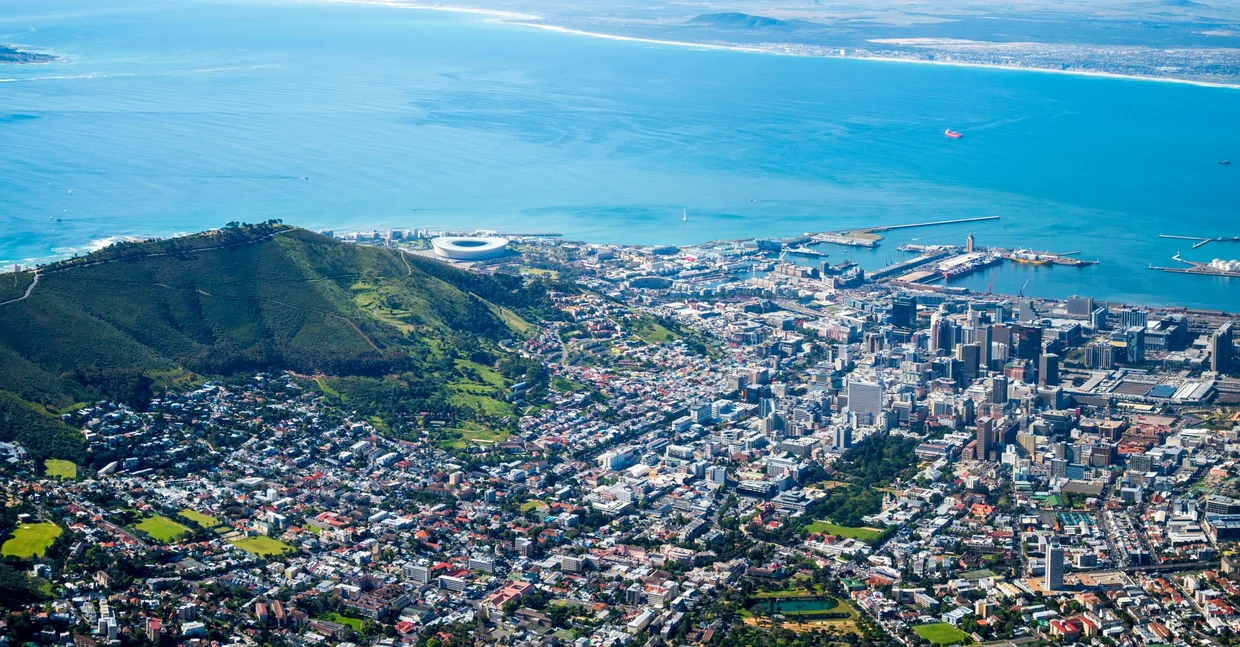
The City Bowl is the natural center of Cape Town, the area between Table Mountain, Signal Hill, Lion's Head, and the harbor. This is where the restaurants are (Bree Street, Long Street, Kloof Street), where the nightlife happens, and where you're...
District map available here.
Activate Full Experience Mode to load the neighborhood map and inspect the best base visually.
Destination Info
Published 2020. Last update March 2026