Latin America's Northernmost City
Miami was always one of those places in my head long before I ever set foot there. I couldn't even tell you exactly why. Somewhere in the back of my mind it was tied to that early-2000s trance era: the sound of Paul Oakenfold, sunset DJ sets, palm trees, neon lights, and the glossy imagery that club compilations loved so much.
And somehow all of that condensed into one name: Ocean Drive, Miami Beach.
Video available here.
Activate Full Experience Mode to load the video player and watch it directly on this page.
Even if I had never been to Miami, the picture was already there. Art Deco hotels glowing in pastel colors, sports cars cruising past, warm night air, and electronic music drifting out of open bars. The kind of scene where you half expect Crockett and Tubbs from Miami Vice to drive by in a white Ferrari. Except nowadays it would probably be a rented Lamborghini with an influencer filming a TikTok in the passenger seat.
Whether that image was accurate or just a collective club-culture fantasy didn't really matter. For years, that was Miami to me.
It also marks a personal milestone. Miami was my first real long-haul trip, my first intercontinental flight, and one of my first journeys beyond neighboring countries. In a way, it was the beginning of everything that came after. And who knows. Maybe one day it will also become the last stop, closing the circle where it all started.
Miami is where the US stops pretending to be a single culture. Spanish is the first language in half the city, the food pulls from every corner of Latin America and the Caribbean, and the vibe is closer to Bogota or San Juan than to any other American metropolis. It is loud, it is warm, it is vain, and it does not apologize for any of it. The beaches are real, the nightlife is relentless, and somewhere between the Art Deco facades and the bass from a passing car, you'll realize this city runs on a frequency all its own.
Miami is not one place. It's a sprawl of very different neighborhoods held together by highways, bridges, and a shared addiction to sunshine. The city itself, the municipality of Miami, is smaller than people think. Most of what visitors call "Miami" is actually a collection of separate cities and unincorporated areas across Miami-Dade County. Miami Beach is its own city. So is Coral Gables. So is Hialeah. The whole thing stretches across a flat coastal plain between the Everglades and the Atlantic, and none of it is more than a few meters above sea level.
What ties it together is the energy. Everyone is outside. People eat outside, work out outside, argue on the phone outside. The palm trees are everywhere, the architecture ranges from stunning to absurd, and the water is never far. Biscayne Bay separates the mainland from the barrier islands, and crossing the causeways at sunset is one of those simple Miami moments that actually delivers.

It is also a city of extremes. Extreme wealth next to real poverty. Beautiful design next to tasteless excess. Genuinely warm people next to the most superficial crowd you'll encounter anywhere. Miami doesn't do middle ground.
One thing that caught me off guard is how much wildlife just exists in Miami. Pelicans sit by the waterfront like they own the place, white ibises strut across every park and parking lot, and squirrels are everywhere. Get close enough to the Everglades or any canal and the alligators appear. Florida's wildlife doesn't hide. It coexists with the city in a way that feels almost casual, as if no one told the animals that six million people live here.


South Beach and Miami Beach
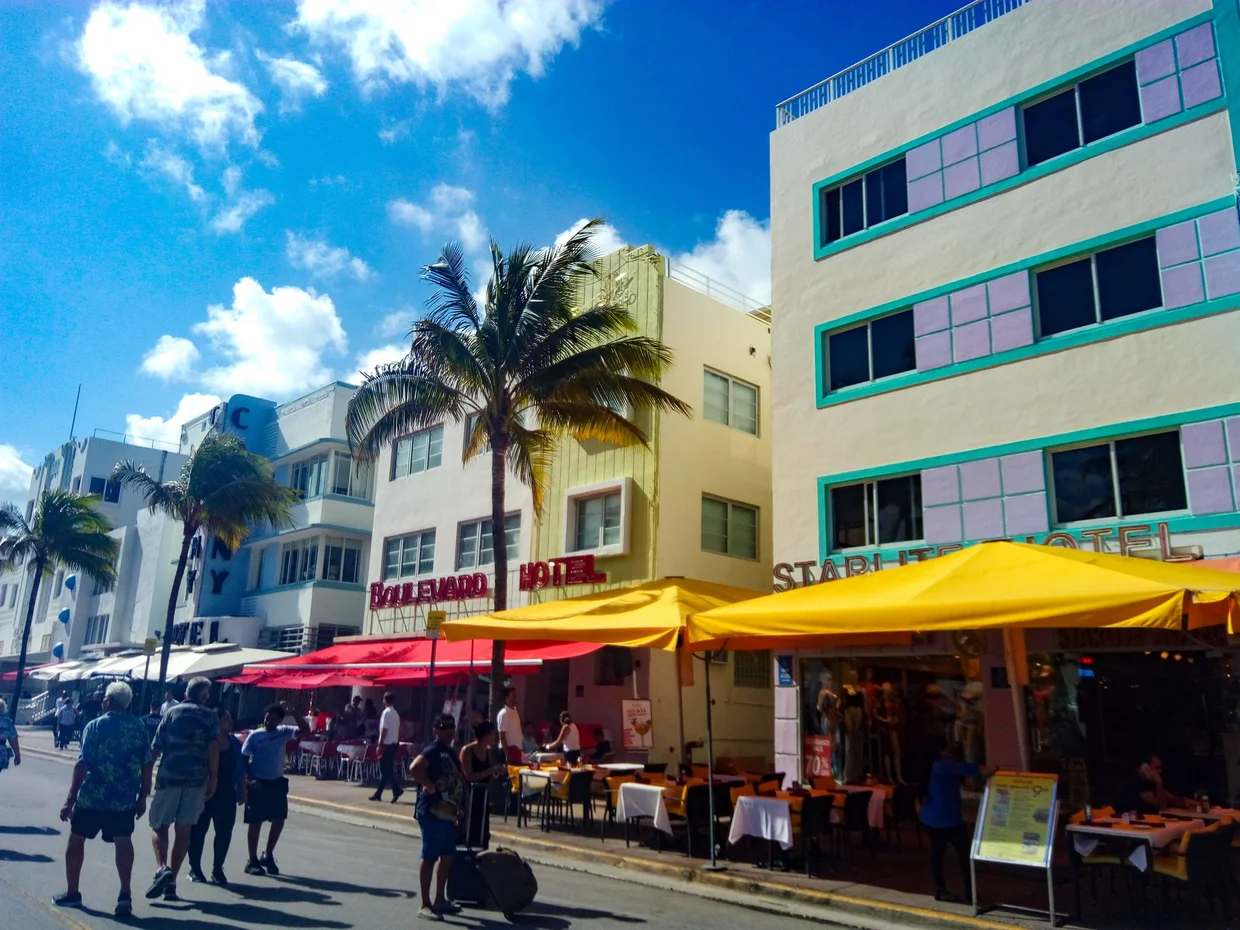
Miami Beach is a barrier island connected to the mainland by a handful of causeways. South Beach, or SoBe, is the southern tip of that island, and it's where the world's mental image of Miami comes from. The Art Deco Historic District along Ocean Drive and Collins Avenue is the real thing: hundreds of pastel-colored buildings from the 1930s and 1940s, lovingly restored and now housing hotels, restaurants, and bars. It looks like a movie set because it has been one, many times over.


The beach itself is wide, white, and stretches for miles. The water is warm, shallow, and that impossible shade of turquoise that you assume is photoshopped until you see it in person. Lummus Park runs between Ocean Drive and the sand, creating a green strip full of joggers, rollerbladers, and people who clearly spend more time at the gym than I spend awake. South Pointe Park at the very tip of the island is calmer, with a great view of the cruise ships leaving the port and Fisher Island across the cut.


North of South Beach, the rest of Miami Beach gets progressively quieter and more residential. Mid-Beach around the Faena and Edition hotels is upscale but less chaotic. North Beach and Surfside feel like a different world: smaller buildings, local restaurants, families on the beach, and none of the scene. If South Beach is the performance, North Beach is where Miami Beach actually lives.

A word on Ocean Drive at night: it is loud (but doesn't come even close to some South East Asian "strips"), it is tacky, it is great. And: it is full of restaurants employing aggressive hosts trying to lure you in with promises of two-for-one cocktails. Most of the food on Ocean Drive is mediocre at best. Eat somewhere else. Walk down Ocean Drive for the neon, for the feeling, for the felt reminiscence and for people watching, but eat on Lincoln Road, Espanola Way, or the streets one block inland.


What to Do
There are many things to experience, to see and to do in Miami. This here is just my personal highlight. For a more comprehensive and detailed overview, visit my dedicated what to do in Miami page.
South Beach Art Deco Historic District
The Art Deco Historic District along Ocean Drive, Collins Avenue, and Espanola Way is the largest collection of Art Deco architecture in the world. Hundreds of pastel-colored buildings from the 1930s... see more
Wynwood Walls
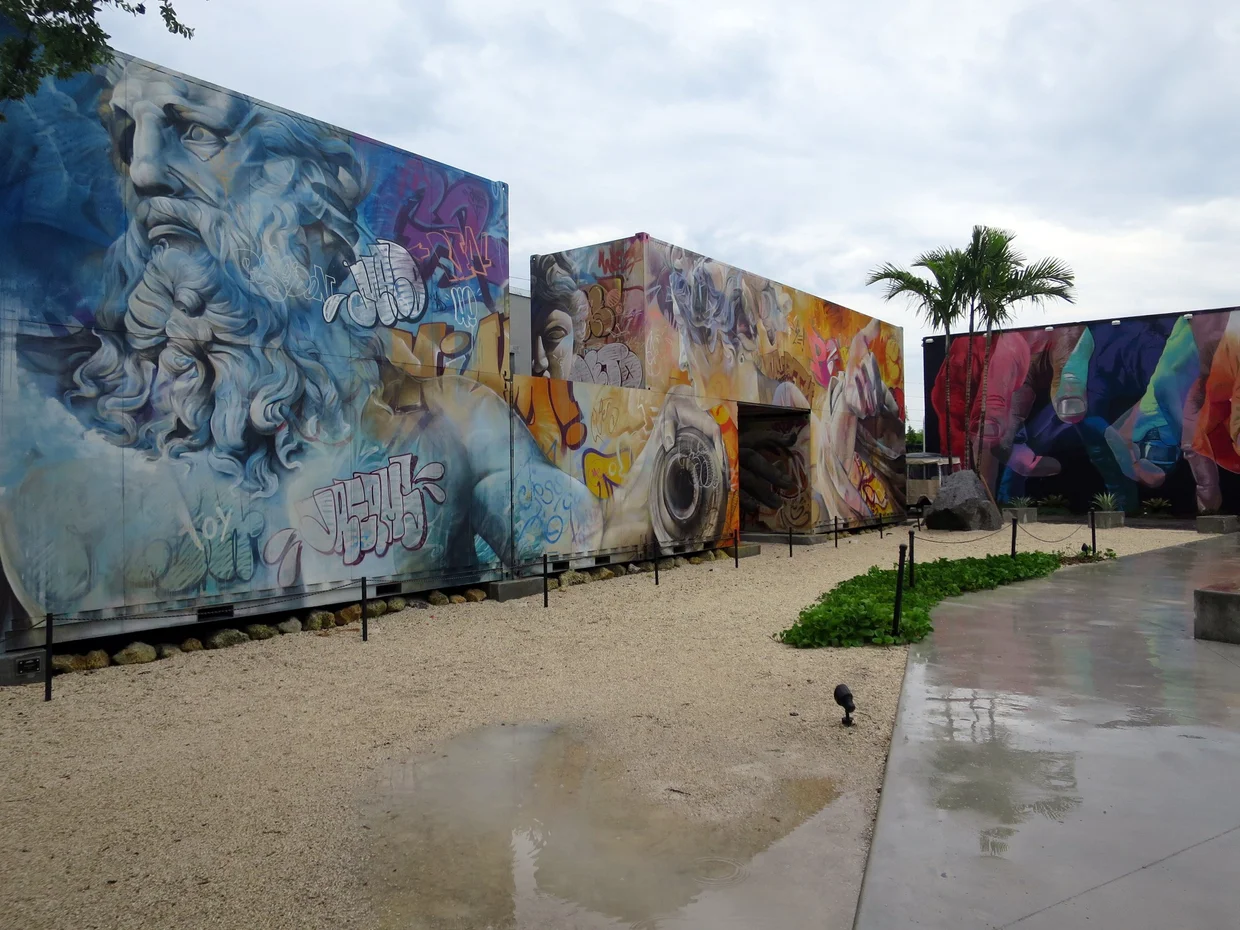
Wynwood Walls is an outdoor museum of street art spread across a former warehouse complex. The murals are large-scale, curated, and refreshed with new commissions regularly. What started as a single... see more
Little Havana and Calle Ocho
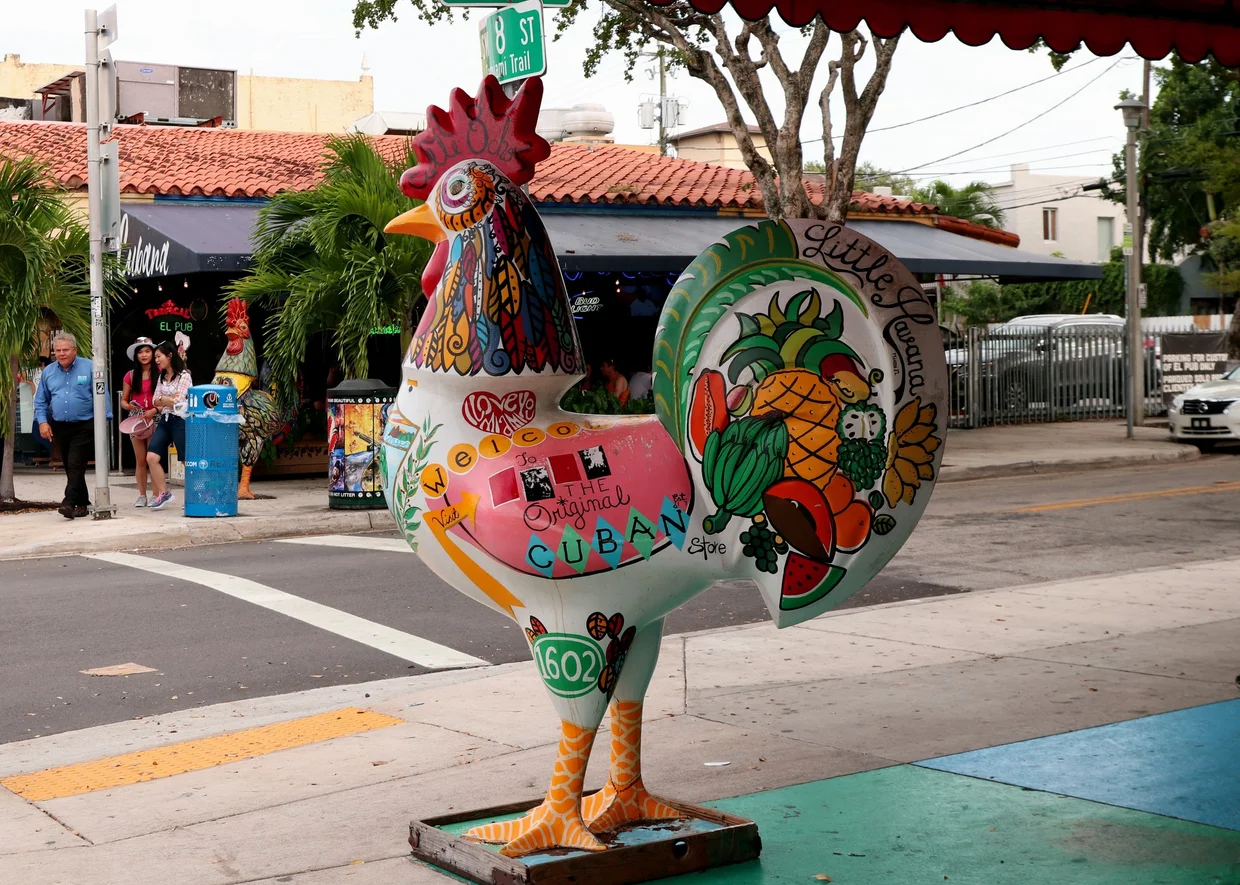
Little Havana is the cultural heart of Cuban Miami and the best place to experience the Latin American soul of the city. Calle Ocho (SW 8th Street) is the main strip, lined with cigar shops, fruit... see more
Vizcaya Museum and Gardens
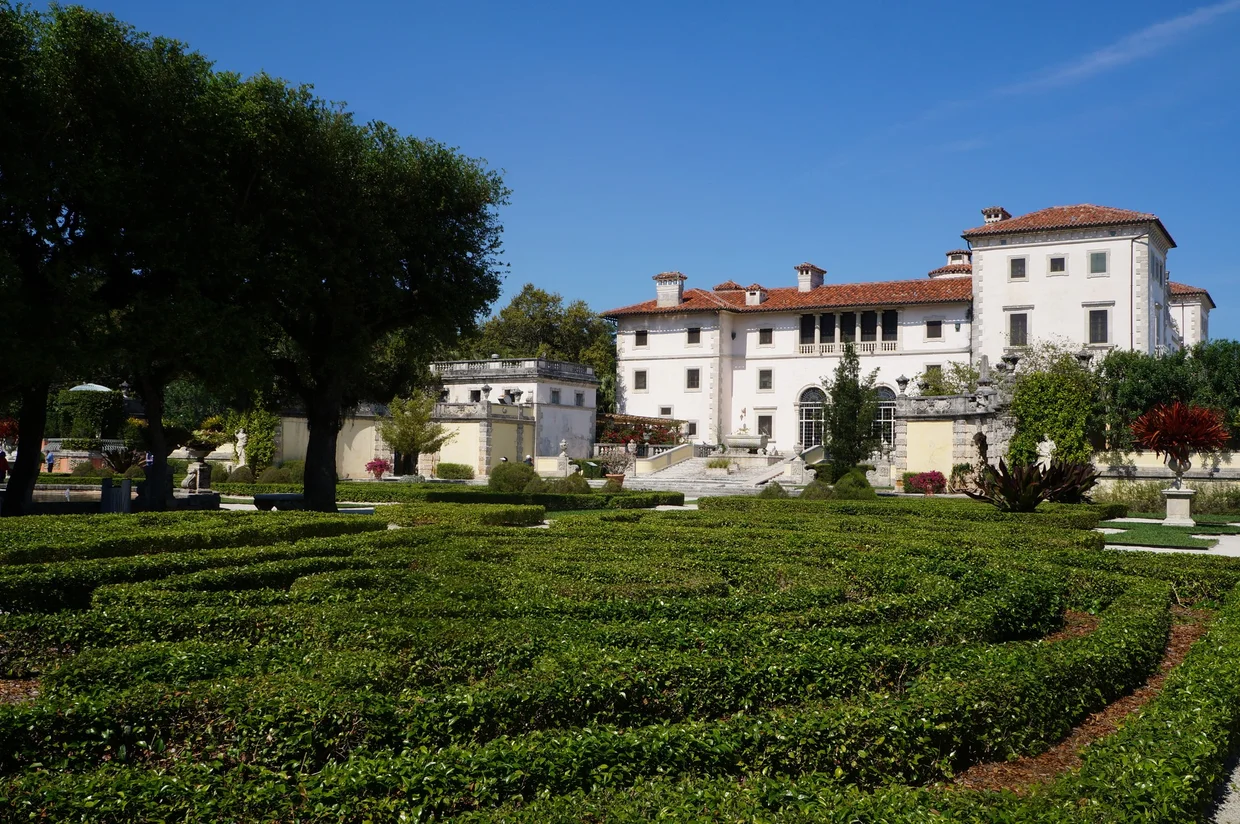
Vizcaya is a Gilded Age estate on the shore of Biscayne Bay in Coconut Grove. Built in 1916 as the winter residence of industrialist James Deering, it's a 34-room Italian Renaissance villa filled with... see more
Key Biscayne and Bill Baggs State Park
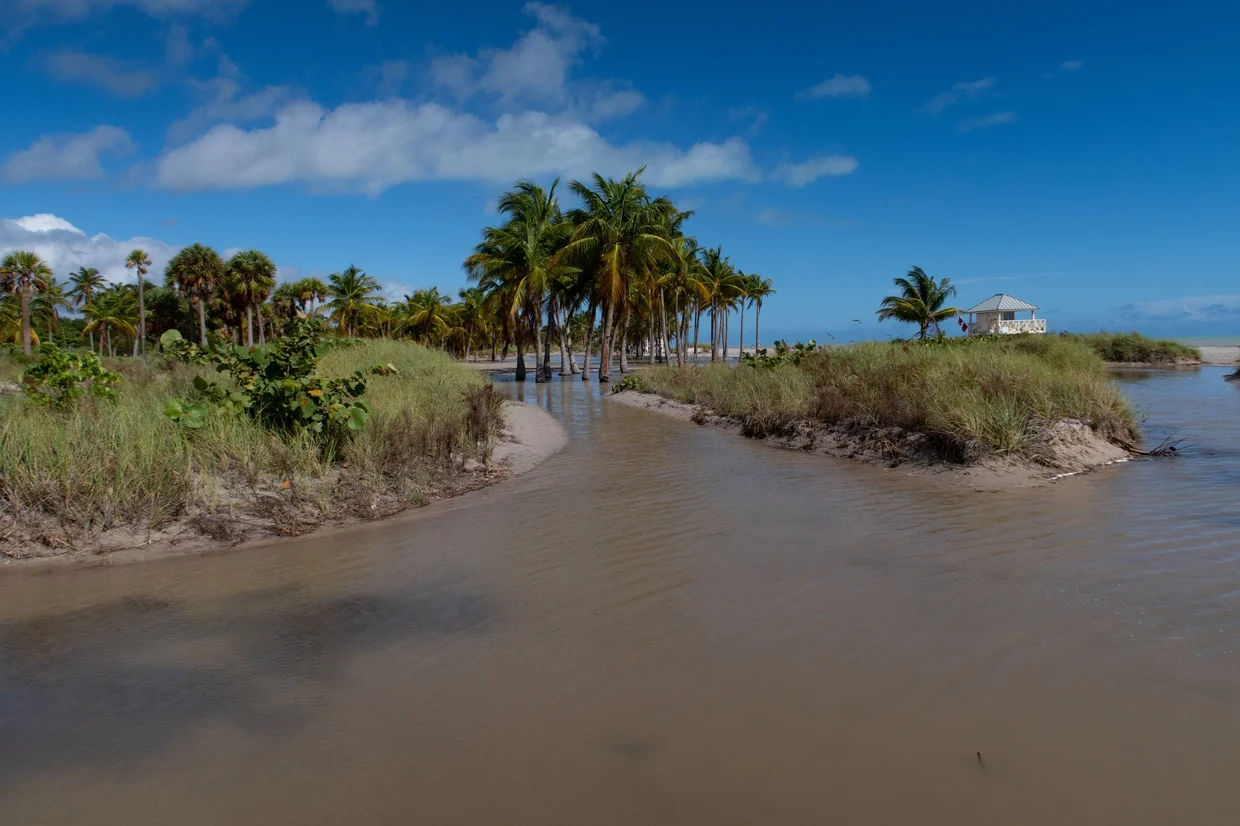
Key Biscayne is the island escape fifteen minutes from downtown Miami. Bill Baggs Cape Florida State Park at the southern tip has one of the best beaches in the metro area: cleaner water, less crowded... see more
Everglades National Park
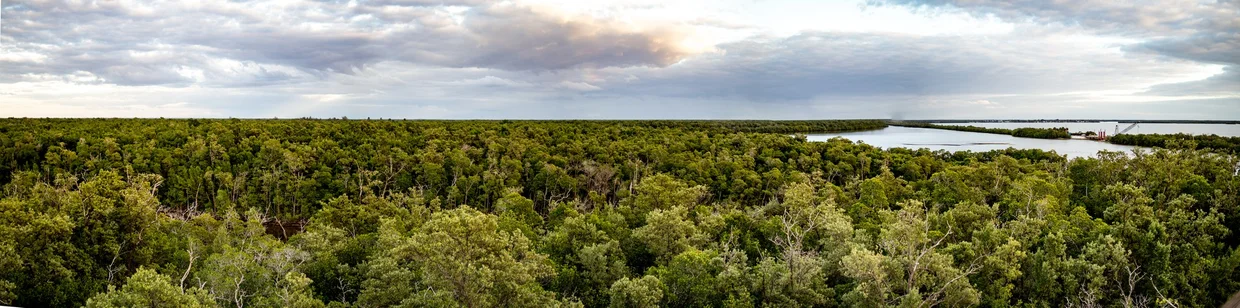
The Everglades begin where Miami ends, and the transition is abrupt. One moment you're in suburban sprawl, the next you're in a vast, flat expanse of sawgrass, mangroves, and water that stretches to... see more
Perez Art Museum Miami (PAMM)
PAMM sits on the waterfront in Museum Park, overlooking Biscayne Bay, and the building itself is half the reason to visit. Designed by Herzog and de Meuron, it's an open, airy structure with hanging... see more
Design District and ICA Miami
The Design District is Miami's luxury shopping neighborhood, but it's more interesting than that sounds. The open-air blocks are designed with genuine architectural ambition: facades by major firms,... see more
South Pointe Park
South Pointe Park sits at the very southern tip of Miami Beach, where Government Cut separates the island from Fisher Island. It's a well-maintained waterfront park with a pier, walking paths, a... see more
Coconut Grove
Coconut Grove is the oldest continuously inhabited neighborhood in Miami and it has a pace that the rest of the city lacks. Big banyan trees shade the streets, the waterfront Regatta Park opens onto... see more
Neighborhoods
Wynwood was a warehouse district. Then the street artists came, then the galleries, then the breweries, then the money. Wynwood Walls is the centerpiece: an outdoor museum of large-scale murals that gets refreshed regularly. The surrounding streets are covered in art too, and the whole area has filled up with restaurants, bars, and boutiques. It's gentrified beyond recognition, but the art is excellent and the food scene is one of the best in the city. Go during the day for the murals, stay for dinner.
Little Havana is the cultural heart of Cuban Miami. Calle Ocho (SW 8th Street) is the main artery, lined with cigar shops, fruit stands, domino players in Maximo Gomez Park, and the kind of ventanitas (walk-up coffee windows) where a cortadito costs two dollars and tastes better than anything on South Beach. The neighborhood is changing as rents rise, but the character is still there. Walk it, eat there, try the guava pastries, and get your coffee standing at the window like everyone else.
Brickell is the financial district, all glass towers and rooftop bars. It's young, it's corporate, and it's where the money that moved from New York during the pandemic settled. Brickell City Centre is a sleek shopping mall with a climate ribbon and an open-air design. The restaurants are good, the happy hours are busy, and the energy is "work hard, play hard" without a trace of irony.
The Design District is luxury shopping in an open-air setting. Gucci, Louis Vuitton, Prada, all the names, housed in architecturally interesting buildings. Even if you're not buying, the design of the district itself is worth a walk. The Institute of Contemporary Art is here and it's free.
Coconut Grove is the oldest continuously inhabited neighborhood in Miami and it feels it: big trees, quiet streets, a waterfront park, and a pace that feels almost Caribbean. It's where locals go on a Sunday afternoon. Vizcaya Museum and Gardens, a Gilded Age Italian Renaissance villa on the bay, is here and it's stunning.
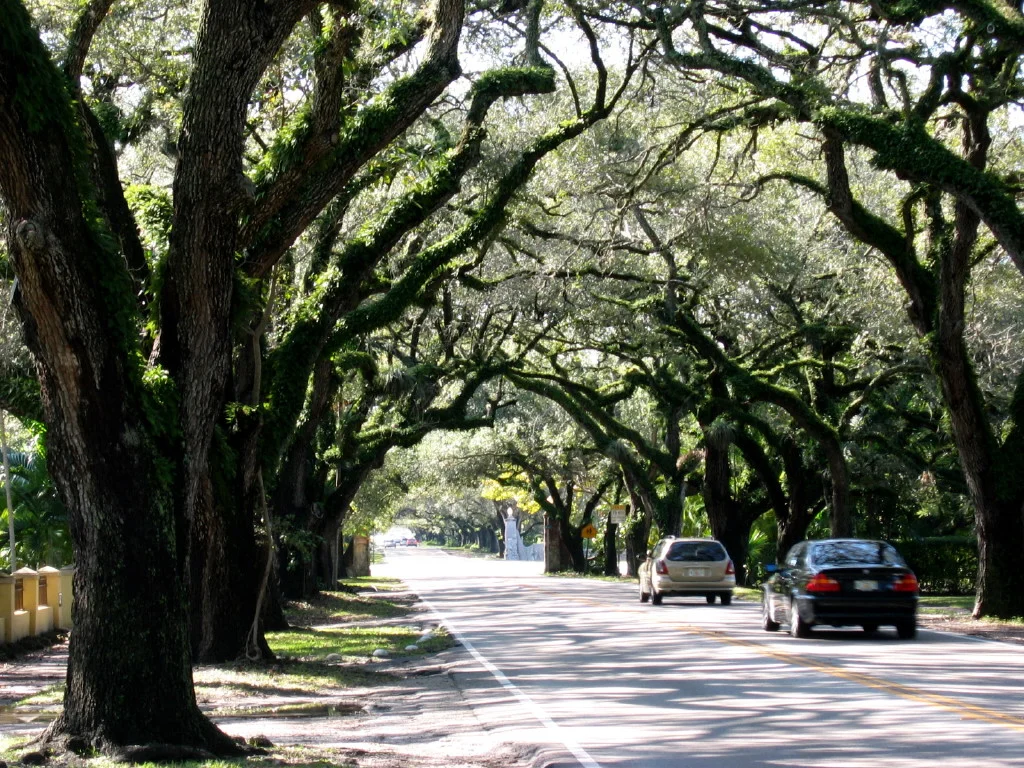
Coral Gables, technically its own city, was master-planned in the 1920s with Mediterranean Revival architecture, tree-lined boulevards, and the Venetian Pool, a spring-fed swimming pool carved out of a coral rock quarry. It's beautiful in that old Florida money kind of way. The Biltmore Hotel is a landmark. Miracle Mile is the main shopping street, more pleasant than exciting.
Key Biscayne is the island south of Miami Beach, reachable via the Rickenbacker Causeway. Bill Baggs Cape Florida State Park at the southern tip has one of the best beaches in the area: less crowded, cleaner water, and a historic lighthouse. Crandon Park on the north end is popular with families. The whole island feels like an escape from Miami while being fifteen minutes from downtown.
When to Go
November through April is the dry season and the obvious choice. Temperatures sit in the mid-20s, humidity is manageable, rain is rare, and the sky is that deep blue that makes everything look good. This is also peak season, which means higher prices, fuller beaches, and the arrival of every snowbird and seasonal resident from the northeast. Art Basel in early December turns the whole city into a cultural event. The weeks around Christmas and New Year's are packed and expensive.
May through October is the wet season. It's hot, it's humid, and afternoon thunderstorms roll in almost daily. They're spectacular, brief, and the city carries on. Hurricane season runs June through November, with the highest risk in August and September. Room rates drop significantly, the crowds thin out, and if you can handle the heat, summer Miami has its own appeal. The storms clear the air, the sunsets get more dramatic, and the restaurants are easier to get into.
March is spring break territory. If you're not in your twenties and looking for that specific experience, avoid South Beach during those weeks.
Where to Stay
Where you stay in Miami shapes your entire trip more than most cities, because the distances are real and traffic is unpredictable. South Beach puts you on the sand but locks you into the tourist bubble. Brickell gives you a modern urban base with good food and transit. Wynwood is for people who want art and nightlife on their doorstep. Miami Beach north of South Beach is the quiet middle ground. Pick based on what you actually want to do, not just what looks good on a map.
South Beach
South Beach is the default for first-time visitors and it earns that status. You're steps from the beach, surrounded by Art Deco architecture, and within walking distance of restaurants, bars, and Ocean Drive. The southern end (below 5th Street, near...
District map available here.
Activate Full Experience Mode to load the neighborhood map and inspect the best base visually.
Food
The food in Miami is shaped by immigration, and that's what makes it good. Cuban cuisine is the foundation: the Cuban sandwich (ham, roasted pork, Swiss cheese, pickles, mustard, pressed on Cuban bread), ropa vieja (shredded beef in tomato sauce), black beans and rice with everything. But the city pulls from everywhere: Colombian arepas, Peruvian ceviche, Haitian griot, Nicaraguan gallo pinto, Venezuelan cachapas. The variety is enormous and most of it is found not in fancy restaurants but in strip malls and small storefronts where the menu is in Spanish and the portions are for people who actually eat.


Seafood is the other pillar. Stone crabs are seasonal (October through May) and a Miami institution. Joe's Stone Crab on South Beach is the famous spot, but the wait is legendary and the prices match. Plenty of other places serve the same crabs without the two-hour line. Fish is fresh, ceviche is everywhere, and a good plate of fried snapper with tostones (fried plantains) at a waterfront spot is one of the best meals the city offers.
The high-end dining scene has exploded in recent years, with restaurants from New York, Los Angeles, and Latin America opening outposts in Brickell, the Design District, and Wynwood. Some are excellent, some are hype. The most memorable meals I've had in Miami were under twenty dollars at places where nobody was trying to impress anyone.
Fruit in Miami deserves a mention. Tropical fruit stands sell things you won't find in the rest of the US: mamey sapote, guanabana, fresh sugarcane juice, key lime everything. Robert Is Here, a legendary fruit stand south of the city near the Everglades, is worth the detour if you're driving that direction.
Getting Around
Miami is a car city. The urban layout, the distances, the sprawl, all of it was designed around driving. If you want to move freely between neighborhoods, a rental car is the easiest option. Parking in South Beach is expensive and frustrating, but elsewhere it's manageable. Traffic during rush hour on I-95 and the causeways is genuinely bad. Leave extra time or avoid peak hours.


Public transit exists but it's limited. The Metrorail runs one elevated line north-south through the mainland. The Metromover is a free people mover loop through downtown and Brickell, which is actually useful if you're staying in that area. Buses cover more ground but are slow and infrequent by any real urban transit standard. The new Brightline train connects Miami to Fort Lauderdale and West Palm Beach quickly and comfortably, which is great if you're exploring beyond the city.
Uber and Lyft are everywhere and often the most practical option for getting around without a car. South Beach is walkable within itself, and biking works well on the Beach and in areas like Coconut Grove and Coral Gables. The city has a bike-share system (Citi Bike) with stations throughout.

One practical note: Miami International Airport is close to downtown (about fifteen minutes without traffic) but the traffic around it can be terrible. Allow more time than you think.
Destination Info
Published March 2026.