Slovenia Travel Tips
Slovenia is one of the easiest countries in Europe to travel, but a handful of small things help the first couple of days go smoothly. Tap water you can drink anywhere, tick season you should plan around, a vignette you already have on the rental car, and one lake whose reputation is worth calibrating before you arrive. Skim it before you go and you'll land feeling like you already know the country.
It's one of the safest countries in Europe
Slovenia sits near the top of the Global Peace Index year after year. Walking Ljubljana at midnight, hiking alone in the Alps, or leaving a bag on a café chair while you go order are all things locals do without thinking. For the broader picture, the travel safety primer covers the habits that matter everywhere.
Perfect for solo travel
Ljubljana is a compact university town with visible café culture, Piran is walkable end to end, and mountain towns like Bled, Bohinj and Bovec are used to solo hikers passing through. Women travelers consistently report feeling very comfortable here, day and night.
Tap water is drinkable everywhere
Including mountain huts and remote valleys. A lot of Slovenian tap water comes straight from karst springs with minimal treatment. Bring a reusable bottle, skip the plastic, and drink it straight from the kitchen tap.
EU, Schengen and Euro — no surprises
Slovenia has been in the EU since 2004 and adopted the euro in 2007. Borders with Italy, Austria, Hungary and Croatia are open or minimal. Prices on menus match what you pay. Cards work almost everywhere.
English is widely spoken
Anyone under forty, anyone in hospitality, and most people in the cities speak good English. Italian is also widely spoken in Piran and the coast (officially bilingual), and German pops up toward the Austrian border. You rarely need more than hello and thank you in Slovene.
Power and plug adapter
Slovenia runs on 230V power with Type C/F sockets. Pick your home country to see if you need a travel adapter.
Mountain weather turns fast
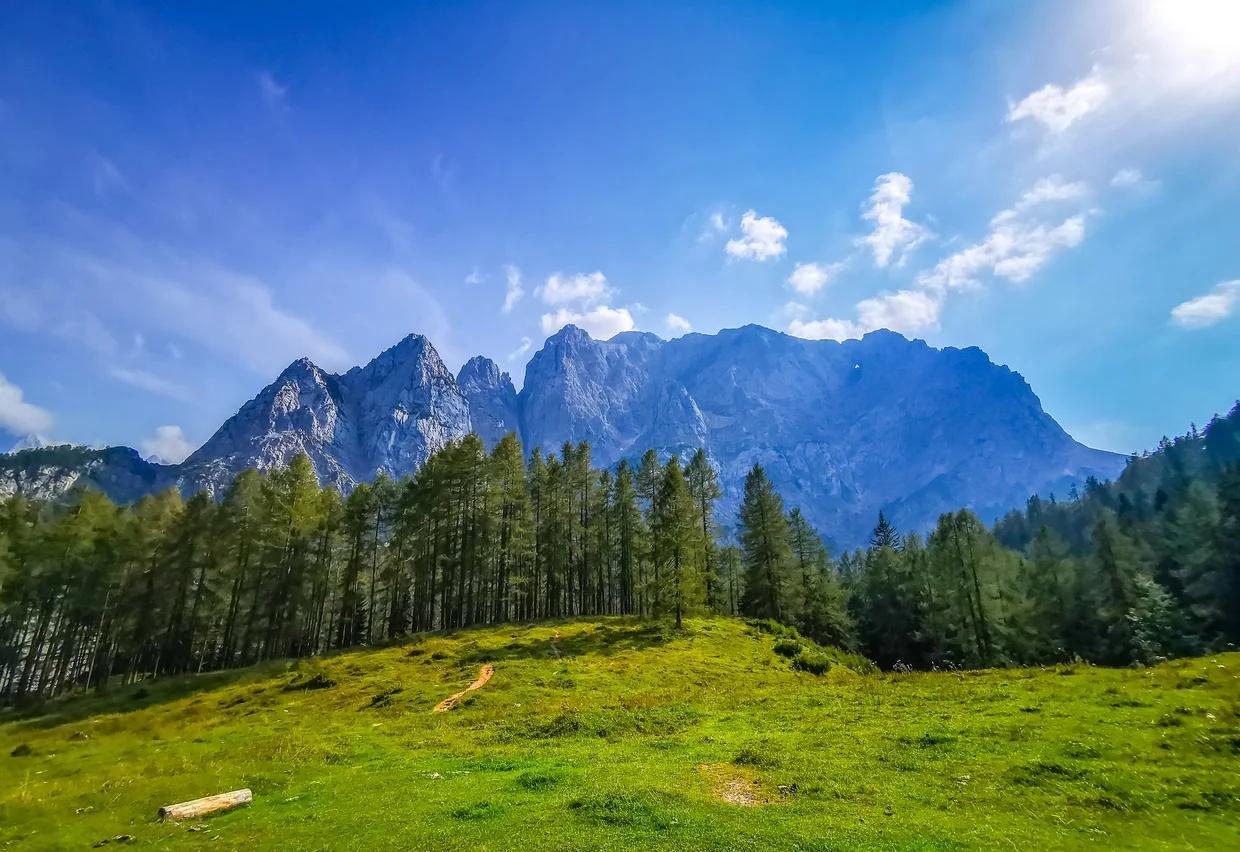
Afternoon thunderstorms in the Julian Alps are the norm in summer, and an exposed ridge in a storm is genuinely dangerous. Start early, aim to be off the high ground by early afternoon, and check the local forecast before you head up. The weather radar app is handy for the short-term windows the forecast misses.
Ticks are the one thing that catches people out
Slovenia is more than half forest, and tick-borne encephalitis is endemic in parts of the country, especially lower-altitude forests. Lyme is also present. If you'll be hiking, in meadows, or in bogs between April and October, wear long sleeves, use repellent, and check yourself at the end of the day. A TBE vaccine is worth looking into if you're planning serious time in the woods.
Calibrate your Bled expectations
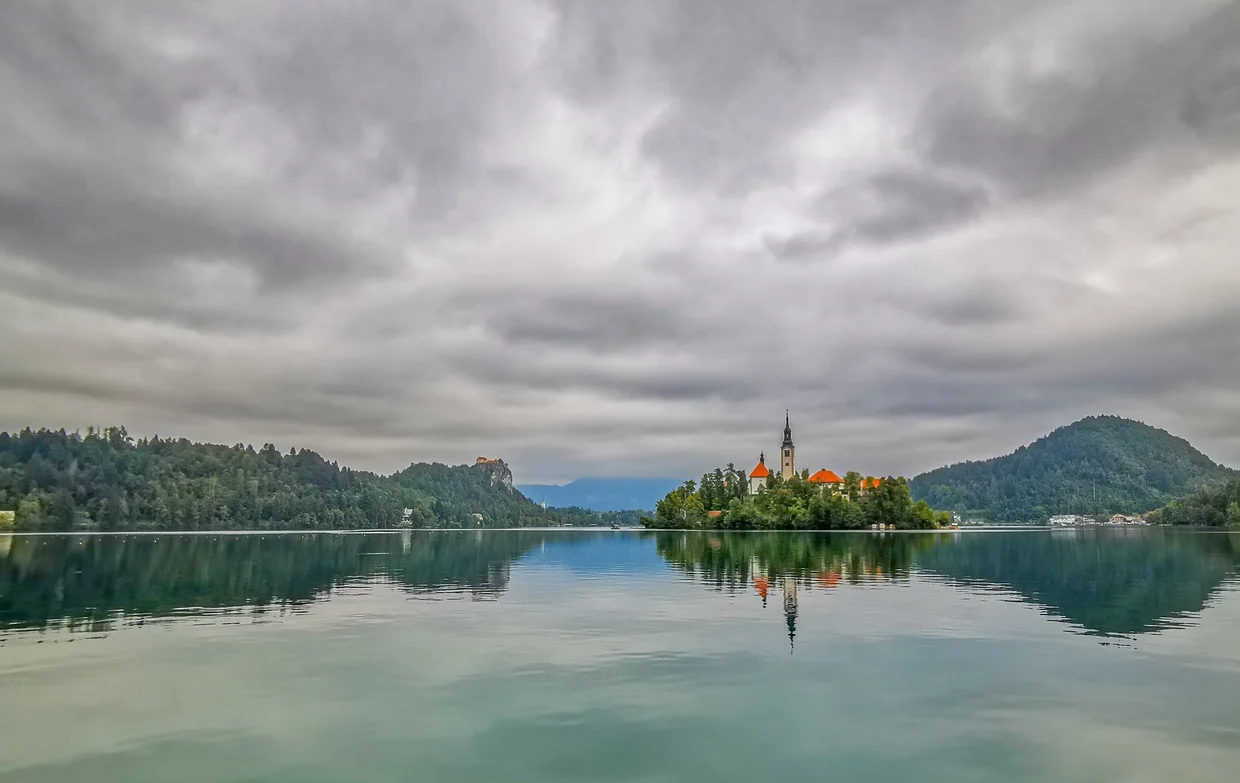
Lake Bled is fine. It is not the best thing in the country. The drone shots with morning mist and perfect reflection are a lot better than the on-the-ground version you'll probably get. Stop by, walk around, grab a slice of kremšnita cream cake, and move on. Vintgar Gorge ten minutes away is the one to build a half-day around.
Vintgar Gorge needs a timed ticket in summer
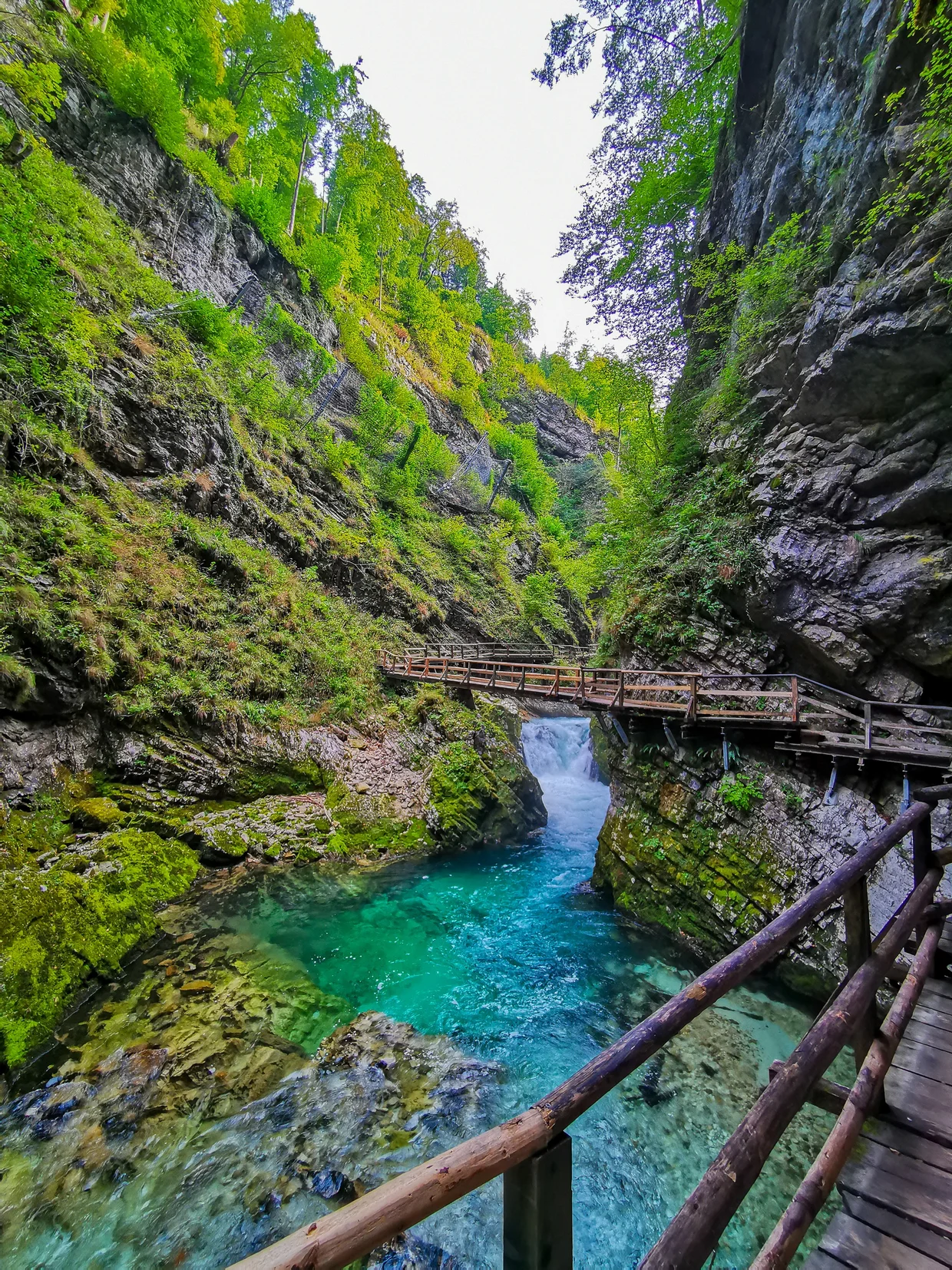
Since a few years ago you book a slot online in advance rather than turning up. It's made the experience much better. Go early for the best light and the fewest people, and book through the official site rather than a reseller.
The Soča is colder than it looks
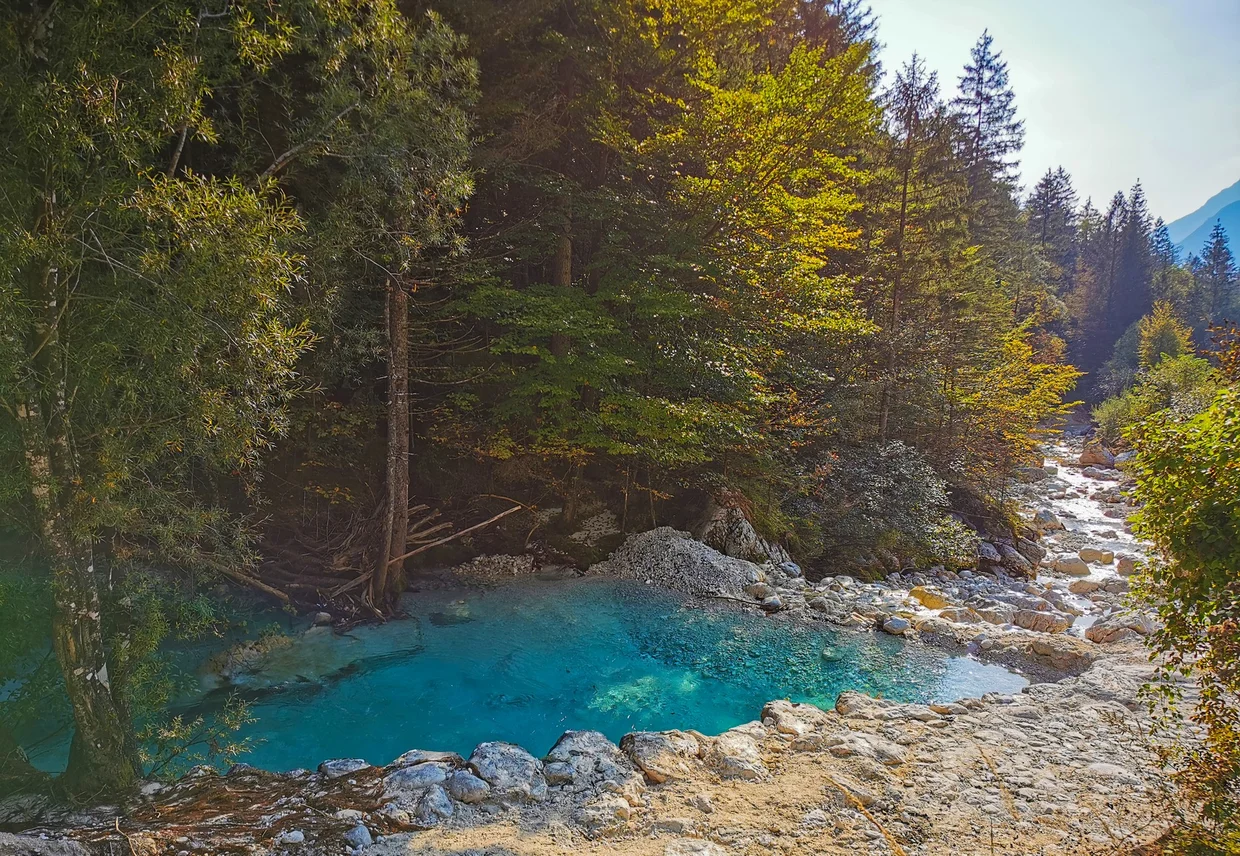
That unreal turquoise is glacier-fed. Even in July the water can shock you, and cramp risk is real. Stick to designated swimming spots in the deeper pools, don't jump into anything you haven't looked at first, and save the full swim for downstream near Bovec and Tolmin where the water warms up.
A rental car is the easiest way to see the country
Trains are limited, buses cover the main cities, but the places you actually want to get to (Vršič, the Soča valley, Predjama, the eastern wine regions) aren't well connected by public transport. Distances are short, roads are in good shape, and signage is clear.
The motorway vignette is already on your rental car
Slovenia uses a sticker-based toll system for highways. Rental cars come with a current vignette attached — check before you drive off, but it's almost always there. If you're driving in with your own car, buy one online before you cross the border to avoid fines.
The Vršič Pass goes slowly, but not because it's busy
Fifty hairpins and a surprising number of drivers in front of you have clearly never taken one in their lives. Brake-in-the-turn, hesitate-on-the-straight, repeat. Pick a weekday morning and hope the car ahead knows what second gear is for. The pass closes in winter.
The drink-drive limit is effectively zero
Legal limit is 0.05, which in practice means one drink is over. Police do random breath tests, fines are steep, and mountain roads aren't the place to argue with either. Don't drive if you've had a glass of wine at lunch. Uber doesn't run; Bolt covers Ljubljana and most main towns.
Caves are 10°C year-round — bring a jacket
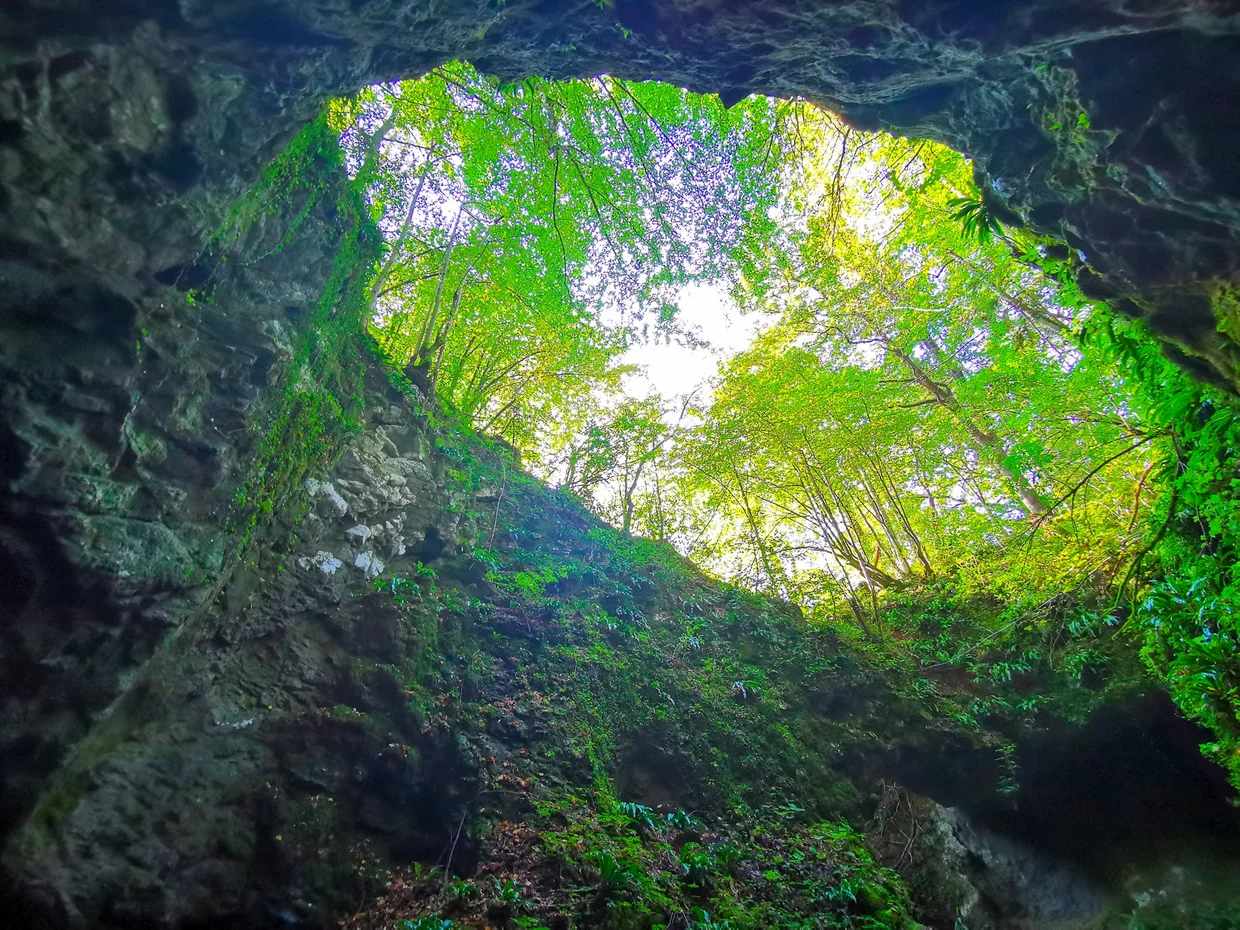
Postojna and Škocjan are both cold, damp, and long. The tourist train at Postojna takes you deep in and the full walk runs about ninety minutes. In August you'll be glad you brought a fleece; outside summer, bring a proper jacket.
If you do one cave, do Škocjan
It's on UNESCO for a reason: an underground canyon with a bridge crossing the roaring river at dizzying height. More dramatic than Postojna, less train-ride touristy. If you have time for both, do both — they don't overlap.
Mountain huts are cheap and run on trust
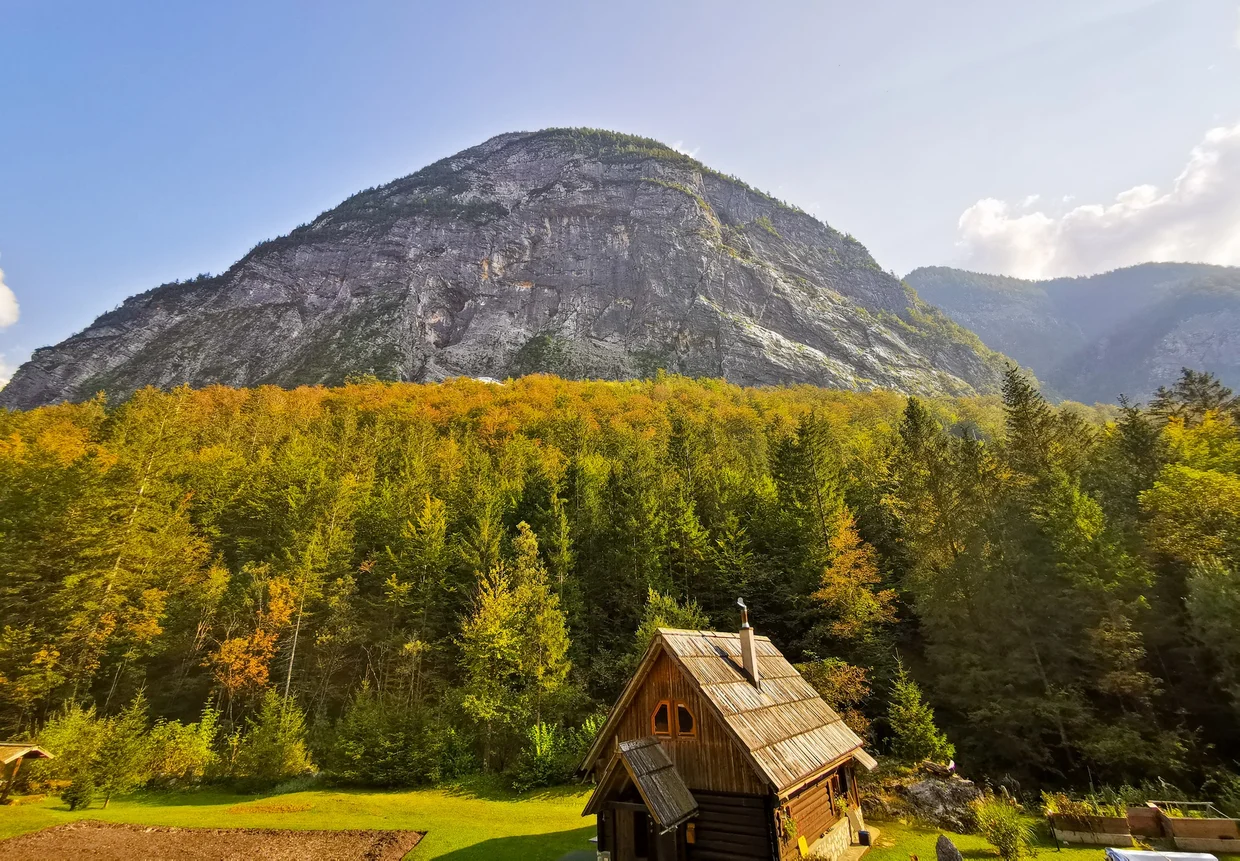
The Alpine Association network of huts across Triglav National Park is dense, cheap, and welcoming. Book ahead in summer, bring a sleeping bag liner, and expect warm food, cold beer, and shared dorms. This is how Slovenians do the Alps.
Check that your insurance covers hiking
Slovenian mountain rescue is excellent but expensive if you're not covered, and it runs on a donation or repayment model for uninsured visitors. Make sure your travel insurance covers hiking above the altitude you plan to reach, and check our health & safety guides for more practical travel preparation.
Coffee is Italian-style
Espresso is the default, served fast, cheap, and well-made. Cafés are everywhere and stay open late. If you want a filter coffee or a long pour-over, you'll find it in the Ljubljana specialty cafés but not much elsewhere. Order a kava s smetano for an espresso with whipped cream.
Sirov burek is the sleeper hit
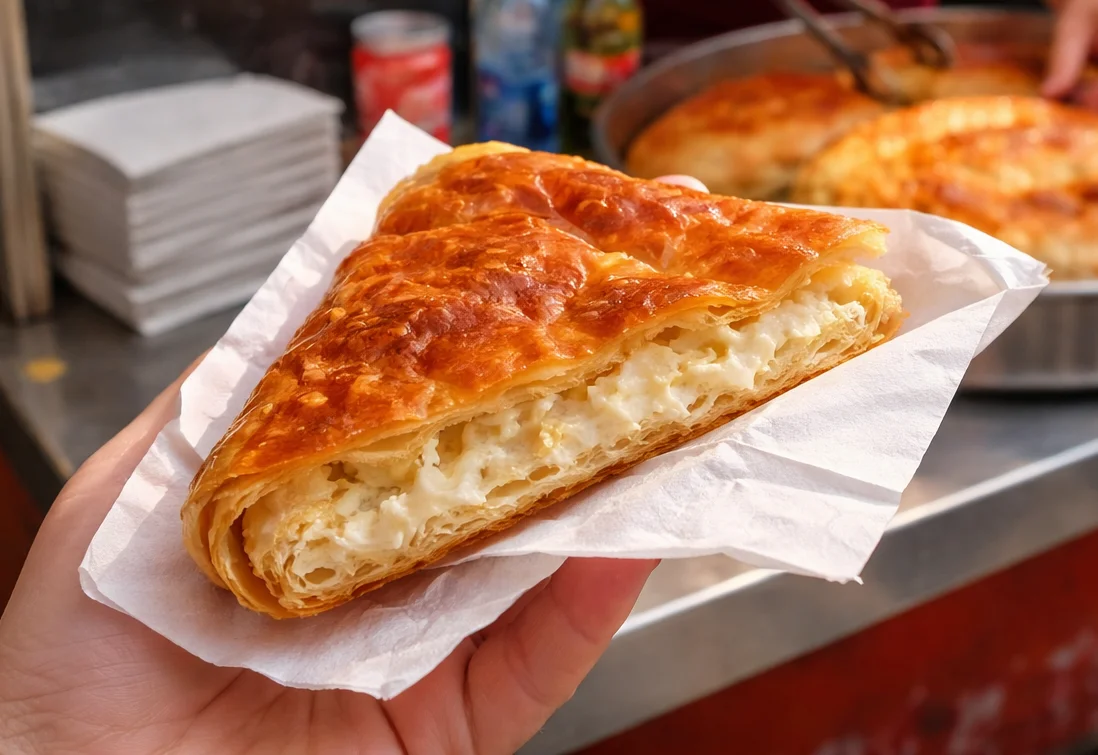
The national-dish debate can stay with the Slovenians, but burek with cheese (sirov burek) from a decent bakery is the best cheap food in the country. Every morning, around 2 EUR, flaky layers of pastry and hot quark filling. Order it before 11am while it's still fresh.
Book Vintgar, Rundāle-style day-trip tickets, and high-season hotels early
July and August around Bled, Bohinj and Piran get genuinely busy, and accommodation prices climb. Weekends tighten up first. If you're coming in peak season, reserve six to eight weeks ahead; in the shoulder months (May, June, September) you can be much more flexible.
Bears live in the southern forests, you won't see one
Around Kočevje and the Notranjska region. They avoid people and go out of their way to stay away from trails. If you're hiking off-route in those areas, make noise and don't leave food near a tent. For everyone else, bears are not a real consideration.
SIM or eSIM is easy
Any European SIM roams in Slovenia without extra cost — EU roaming rules apply. If you're arriving from outside the EU, a regional eSIM is the simplest option. Coverage is excellent across the country, including in most mountain valleys. The eSIM vs SIM guide breaks down when each wins.
Tipping is optional
Rounding up the bill or leaving around 10% at a sit-down restaurant is normal if you're happy with the service. Nobody chases you out if you don't, and it's not expected at cafés, bakeries, or for quick service.
Ljubljana runs on Urbana
The city's rechargeable public transport card works on buses and lets you top up at kiosks and machines. Single rides are cheap (around 1.30 EUR). Outside Ljubljana, city transport is small enough that walking handles most of it, and the intercity buses take card payments directly.
Pack layers, even in summer
Ljubljana can be 30°C at noon and 15°C by midnight in July. The mountains add another ten degrees cooler on top. A light fleece and a waterproof shell solve ninety percent of the wardrobe problems a Slovenia trip throws at you.
Published April 2026.