The Island That Should Be Bigger on Every Travel Map
Taiwan is the country I keep recommending to people who think they've done Asia. You know the type. They've ticked Japan, bounced around Thailand, done a loop through Vietnam, and they're looking for the next thing. I tell them Taiwan. Every single time. And every single time they come back and ask me why nobody told them about this place sooner.
The island is roughly the size of Belgium and packed like a carry on. In one week you can drink coffee next to a 2,600 meter peak in the morning, swim in turquoise tropical water in the afternoon, and walk through a buzzing night market that evening. The high speed rail runs the whole west coast in 90 minutes. The MRTs in Taipei and Kaohsiung are spotless and cheap. The people, and I mean this genuinely, are some of the most helpful I've met anywhere.
Taiwan gets skipped a lot because it sits in the shadow of bigger neighbors. Japan is louder. China is larger. Thailand has the beach brand locked down. Taiwan sort of just gets on with it. No marketing campaigns, no viral moments, no "you have to go." And meanwhile, it's quietly one of the most rewarding places you can spend two weeks of your life.

Destination Info
Quick Facts
Overview
- Best 10 to 14 days in October till April.
- At Sea level in East Asia, time zone UTC+8.
- The population of 23.5M people speaks Mandarin Chinese, writes in Traditional Chinese script.
- New Taiwan Dollar (TWD) is the official currency, and tipping is not expected.
Local Flavor
- Get a Bubble Tea and Beef Noodle Soup.
- The main festival here is Lantern Festival, and popular sports include Baseball.
Practicalities
- You can use HSR, MRT, TRA trains, buses for public transportation, while driving on the right.
- You can get here mostly via Taoyuan (TPE), Taipei Songshan (TSA), Kaohsiung (KHH).
- The best area to stay is Taipei Center.
Why Taiwan
It's absurdly easy to travel. The HSR connects Taipei to Kaohsiung in under two hours. MRTs are clean and idiot proof. English signage is everywhere in the cities. Google Maps works perfectly. Uber works. EasyCard (the rechargeable transit card) works on trains, buses, metros, convenience stores, and basically anything with a chip reader. You can land in Taipei and be moving around the country within 30 minutes of picking up your bags, without a guide, without a SIM (you should get one anyway), without a plan (sorta).
Night markets are part of the deal. Every sizable town has one, and they're fun to walk through: stalls selling cheap clothes, trinkets, phone cases, games, plus the usual food scene for anyone who cares about that. Shilin in Taipei is the biggest, Raohe is more atmospheric, Liuhe in Kaohsiung is the southern option. You don't need a plan. You just show up and wander for an hour or two.
The landscapes are ridiculous for how small the country is. Taroko Gorge is a marble canyon on the east coast that you can walk through. Actual marble cliffs, 500 meters high, with a jade green river at the bottom. Kenting National Park in the south has coral beaches, headland cliffs, and water you'd expect from the Philippines. The northeast coast has cloud wrapped ridges and colored tailings that turn the sea two different shades. The central mountains hit 3,900 meters. All of this fits in a country you can drive across in three hours.

It's safe. Like, really safe. Crime against tourists is almost nonexistent. You can walk anywhere at any hour. You can leave a laptop on a cafe table while you go to the bathroom and come back to find it exactly where you left it. The main risks in Taiwan are typhoons in summer and the occasional earthquake, neither of which is a reason to not go.
Taipei
Taipei is a working city that happens to be beautiful in patches. It's not a pretty European capital, it's not a polished Tokyo style showpiece, and it's not trying to be either. It's a dense, slightly chaotic, very walkable, surprisingly green city of about 2.7 million people that runs like a Swiss watch underneath.
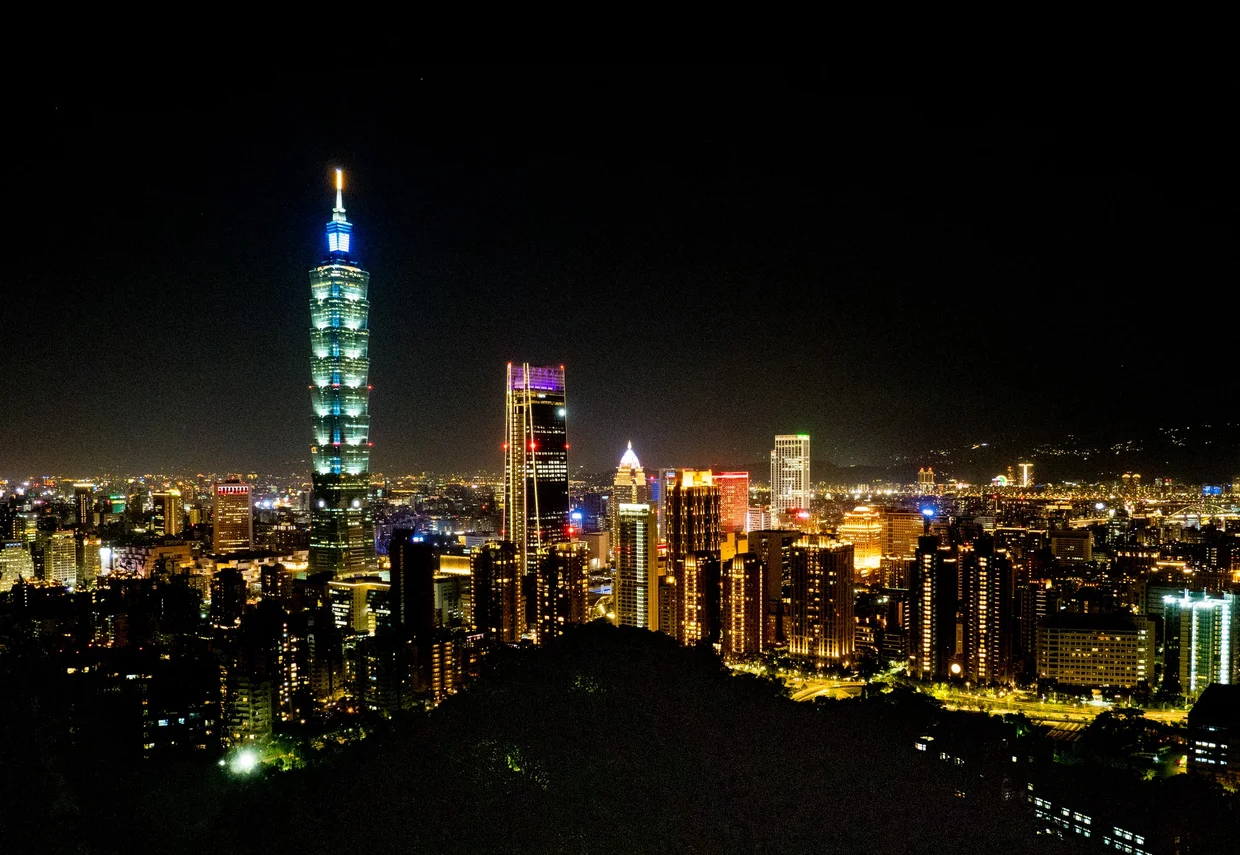
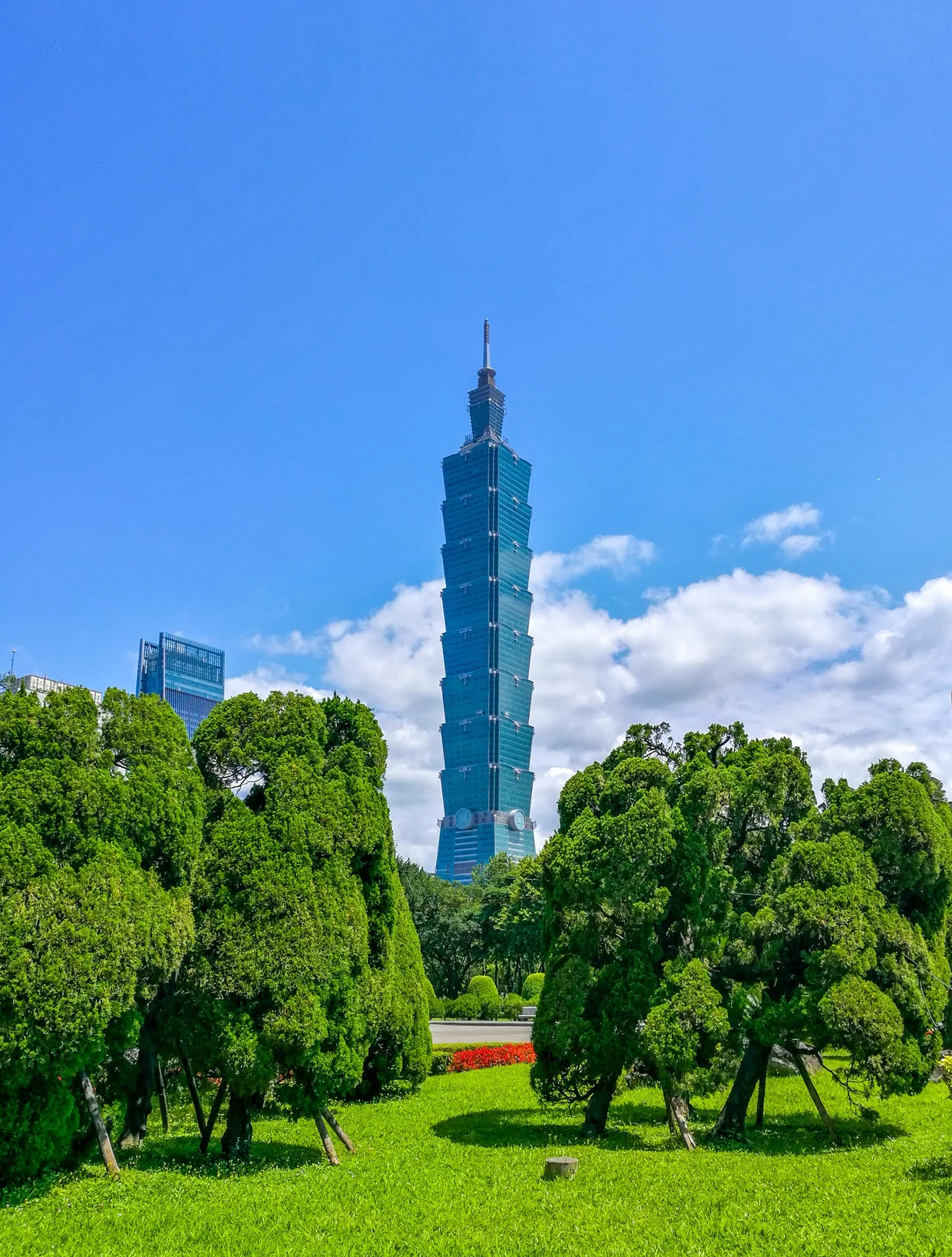
Taipei 101 is the obvious landmark. It's still genuinely tall (508 meters), it has a view deck near the top, and the bamboo inspired silhouette is nicer up close than you'd expect. But the best view of Taipei 101 isn't from Taipei 101. It's from Elephant Mountain, a short but steep hike that starts right at an MRT station and climbs up into a little pocket park with city overlooks. Go at sunset. Stay until the tower lights up. Everyone does it, and it still works.

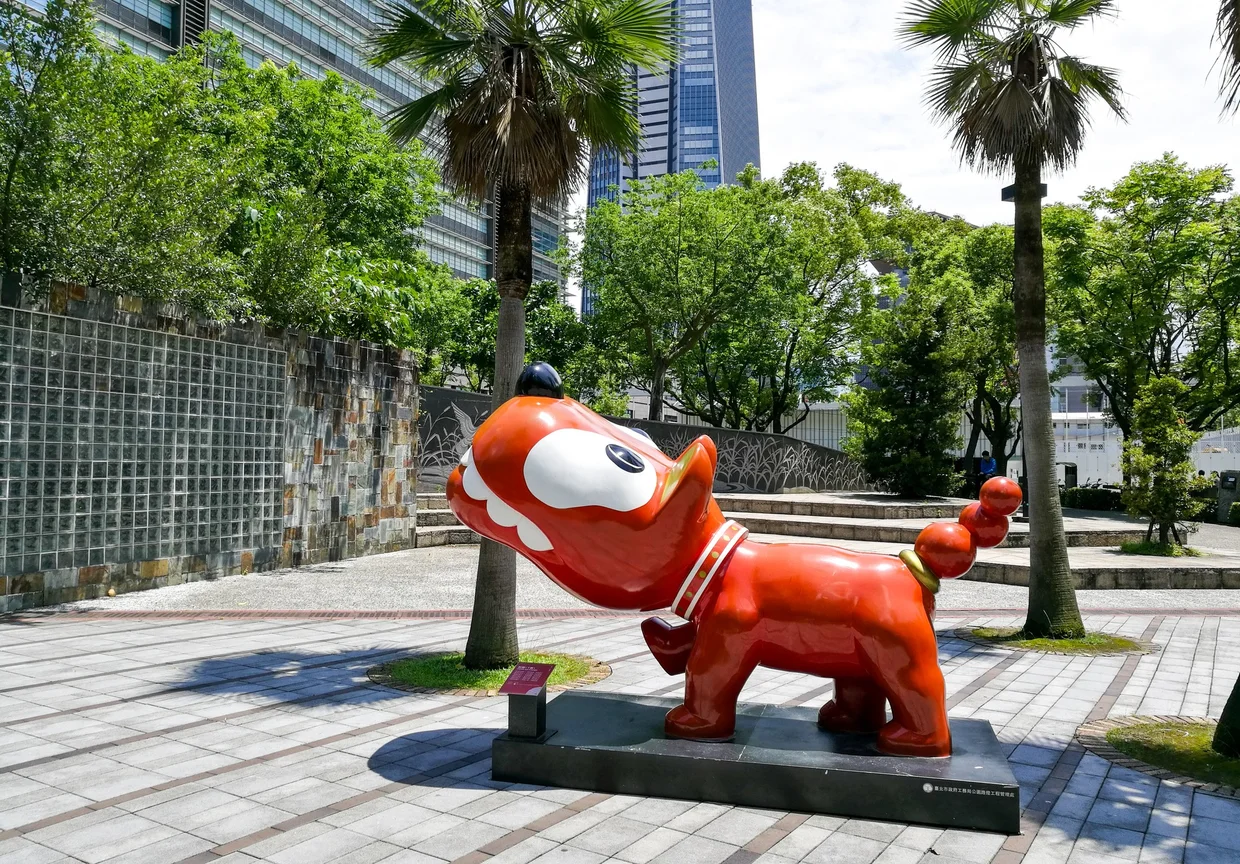
Xinyi, the business district at the base of Taipei 101, is Taipei's "look how modern we are" neighborhood. Shopping malls, wide boulevards, designer hotels, red dog sculptures in the plazas, and weekend crowds eating shaved ice in department store food courts. It's fun in small doses. I wouldn't base myself here, but a half day works.
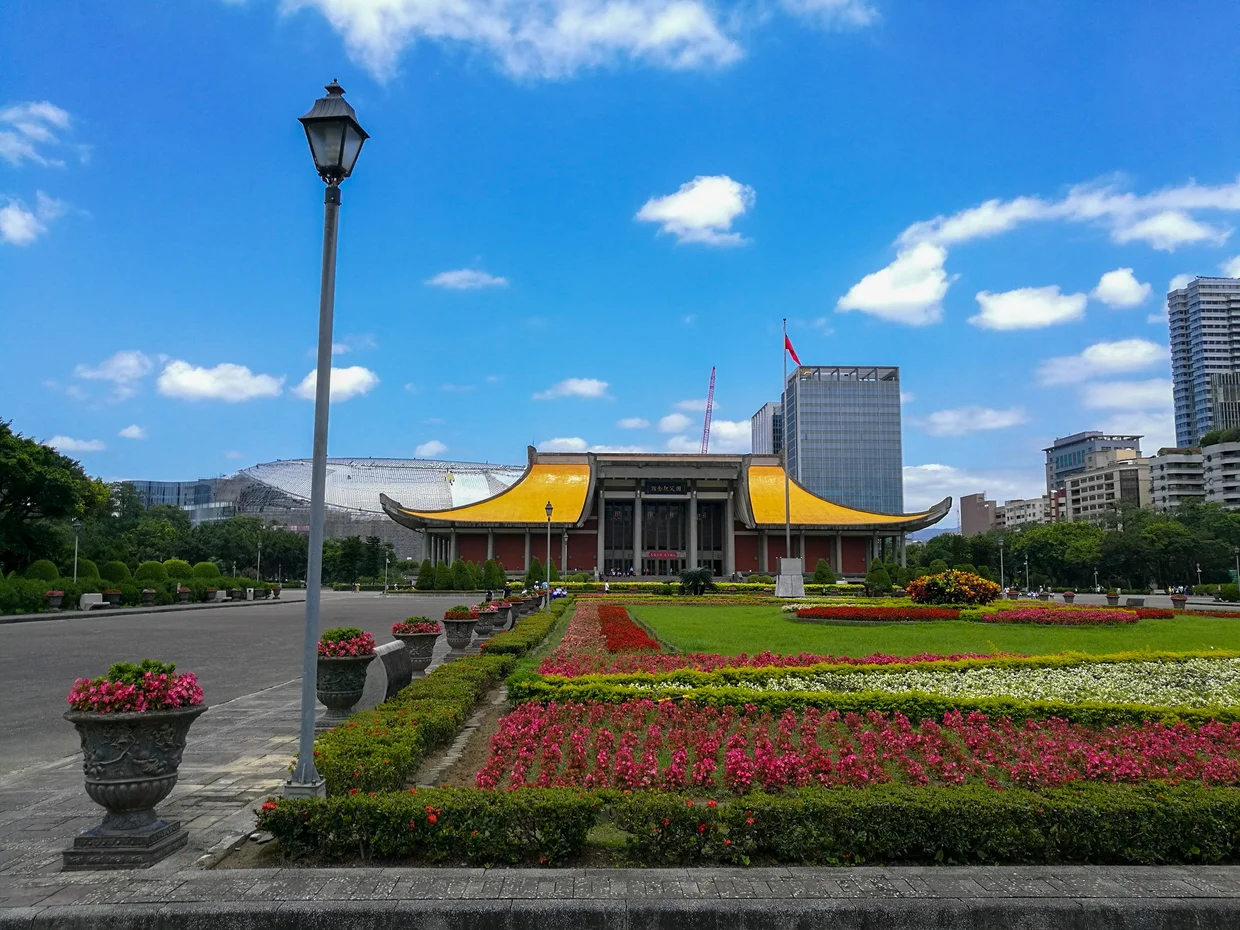
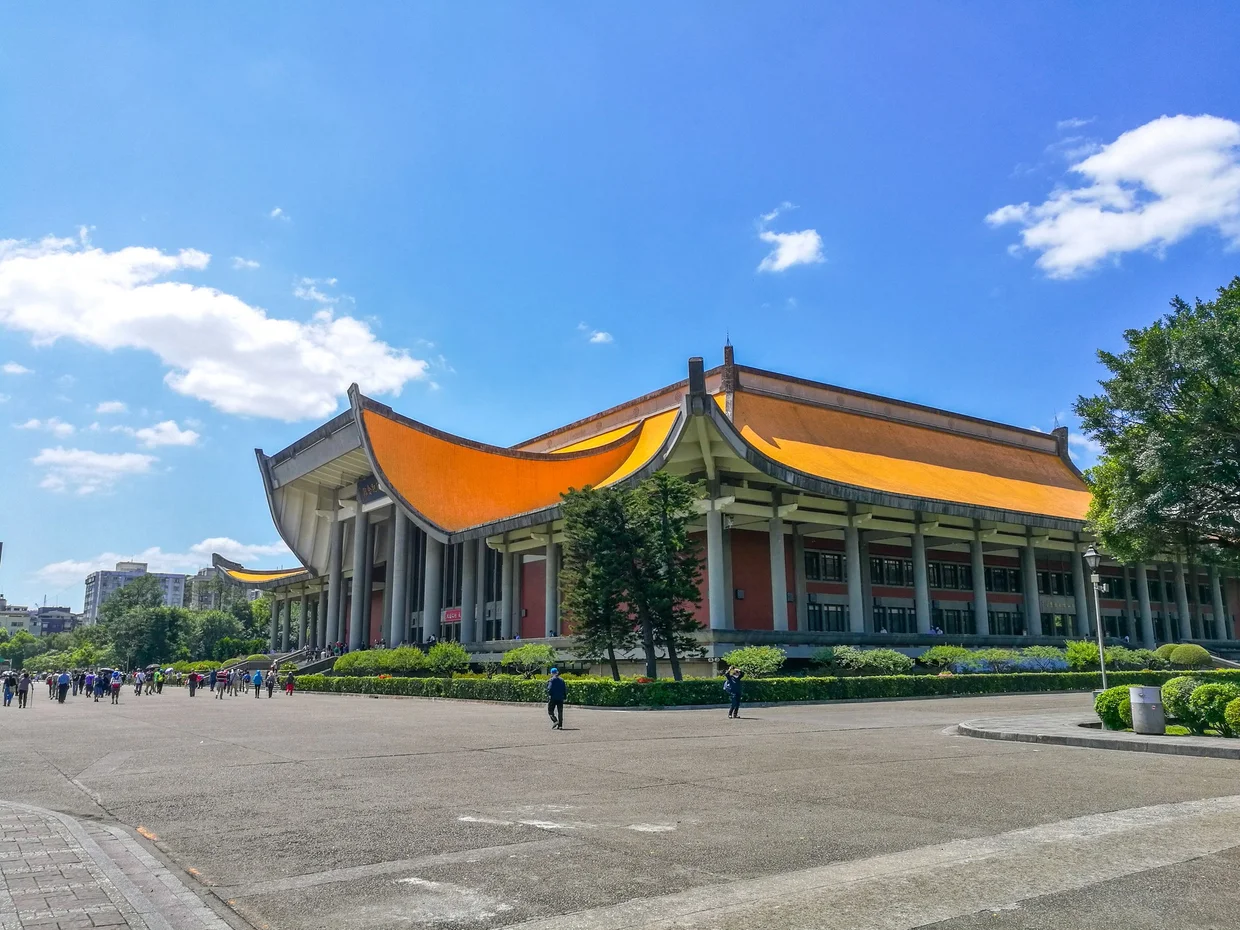
Liberty Square and the Chiang Kai-shek Memorial Hall area is the other end of Taipei's architectural spectrum. Huge formal plaza, yellow tiled roofs, the National Concert Hall and National Theater facing each other in a kind of mirrored setup, and enough open space that the city disappears for a minute. It's a good morning walk if the weather is cooperating.
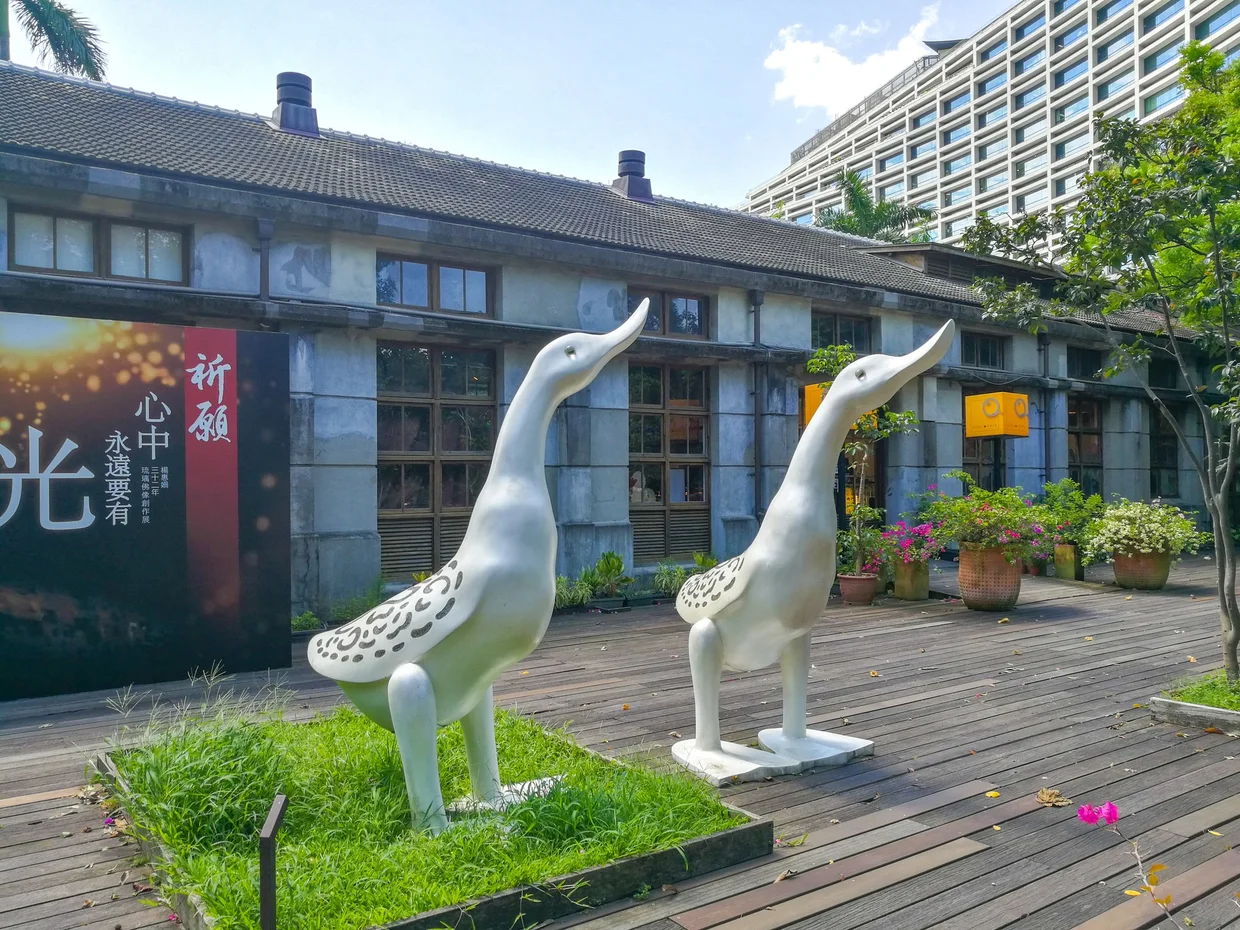
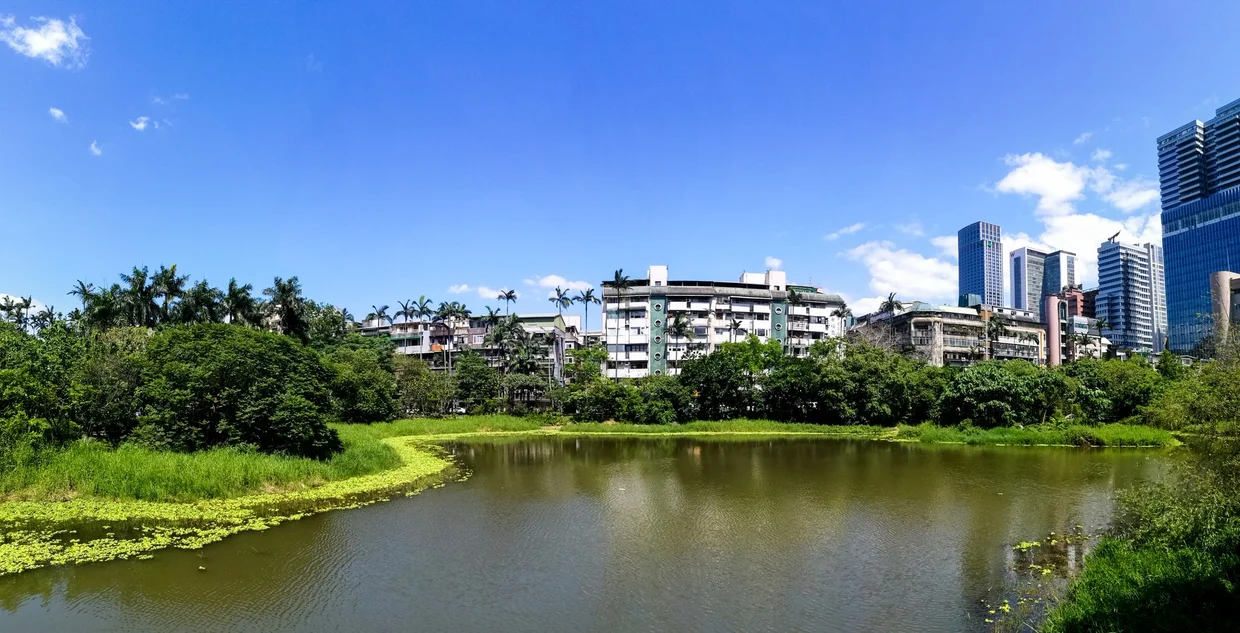
Songshan Cultural and Creative Park is where I'd actually spend the most time. An old tobacco factory compound that got repurposed into a design district. Independent shops, coffee, galleries, a pond, lots of trees, and the kind of slightly scruffy creative energy that Taipei does better than most cities. Nearby Huashan 1914 is a similar setup and equally good.
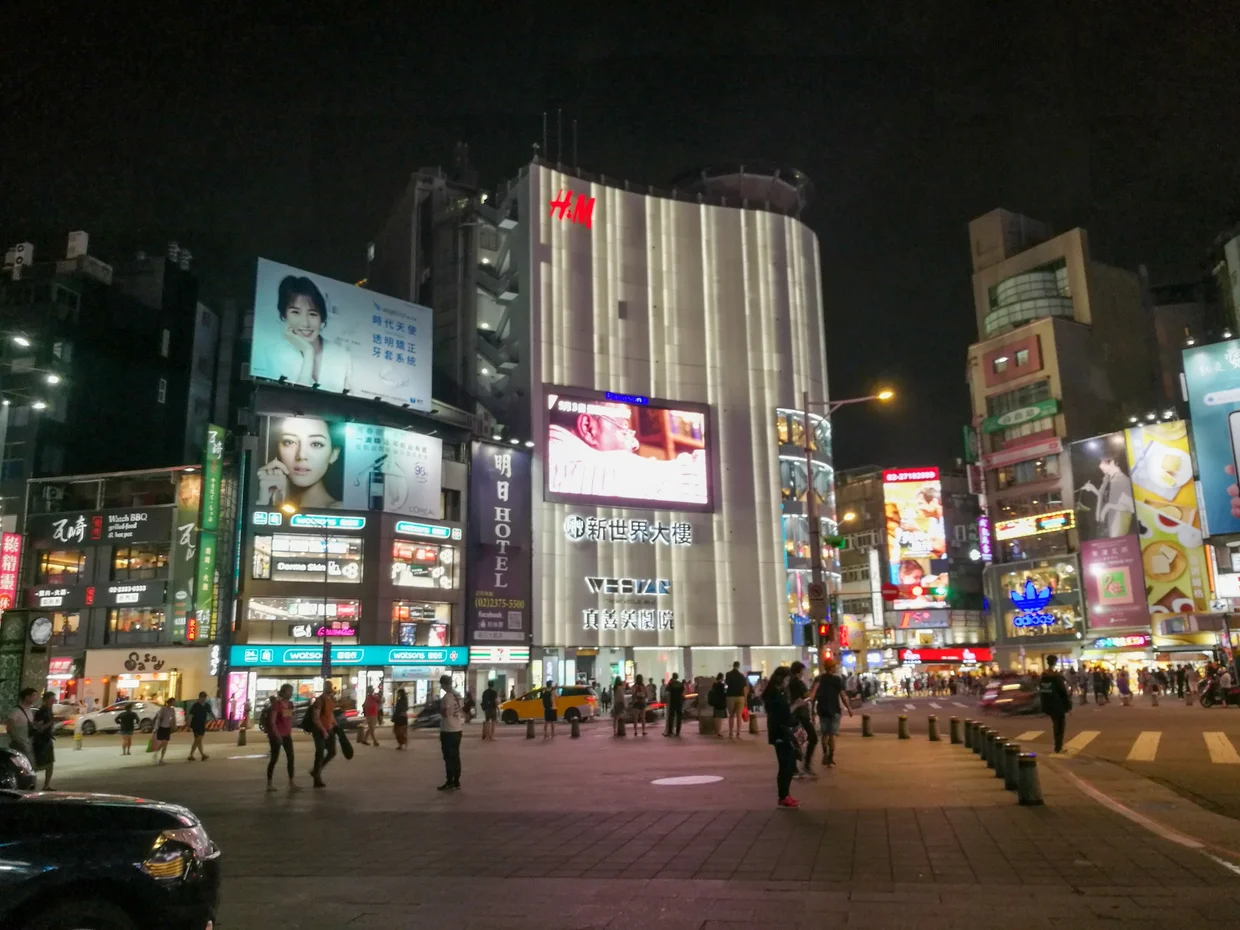
For nightlife and street energy, Ximending is Taipei's pedestrian circus. Neon, shops, queues for bubble tea, buskers, teenagers in full outfits, tattoo parlors next to LGBT bars next to ramen shops. It's a lot, it's loud, and it's genuinely fun for a couple of hours in the evening. The Wanhua district around it has Taipei's older atmosphere: Longshan Temple (one of the city's most important), night markets, and the quieter side streets where old Taipei still lives.
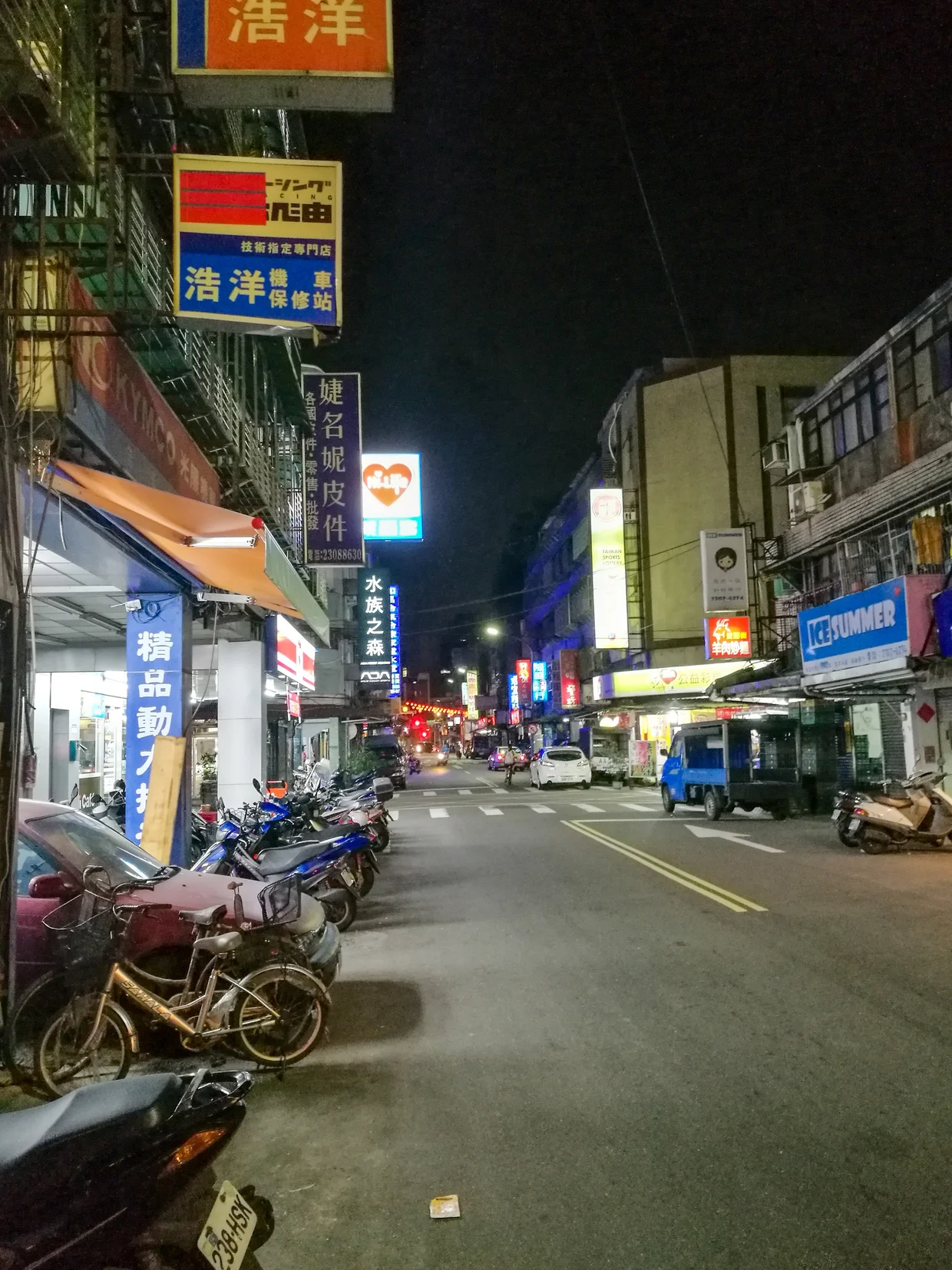
Taipei deserves three full days minimum. Four if you want to do Maokong (the tea mountain suburb with a gondola), Beitou (the hot spring area), or day trips out to Jiufen and the northeast coast, which you absolutely should.
Taroko Gorge
If I had to pick one single thing in Taiwan that you should not miss, it would be Taroko Gorge. And I don't say that lightly.
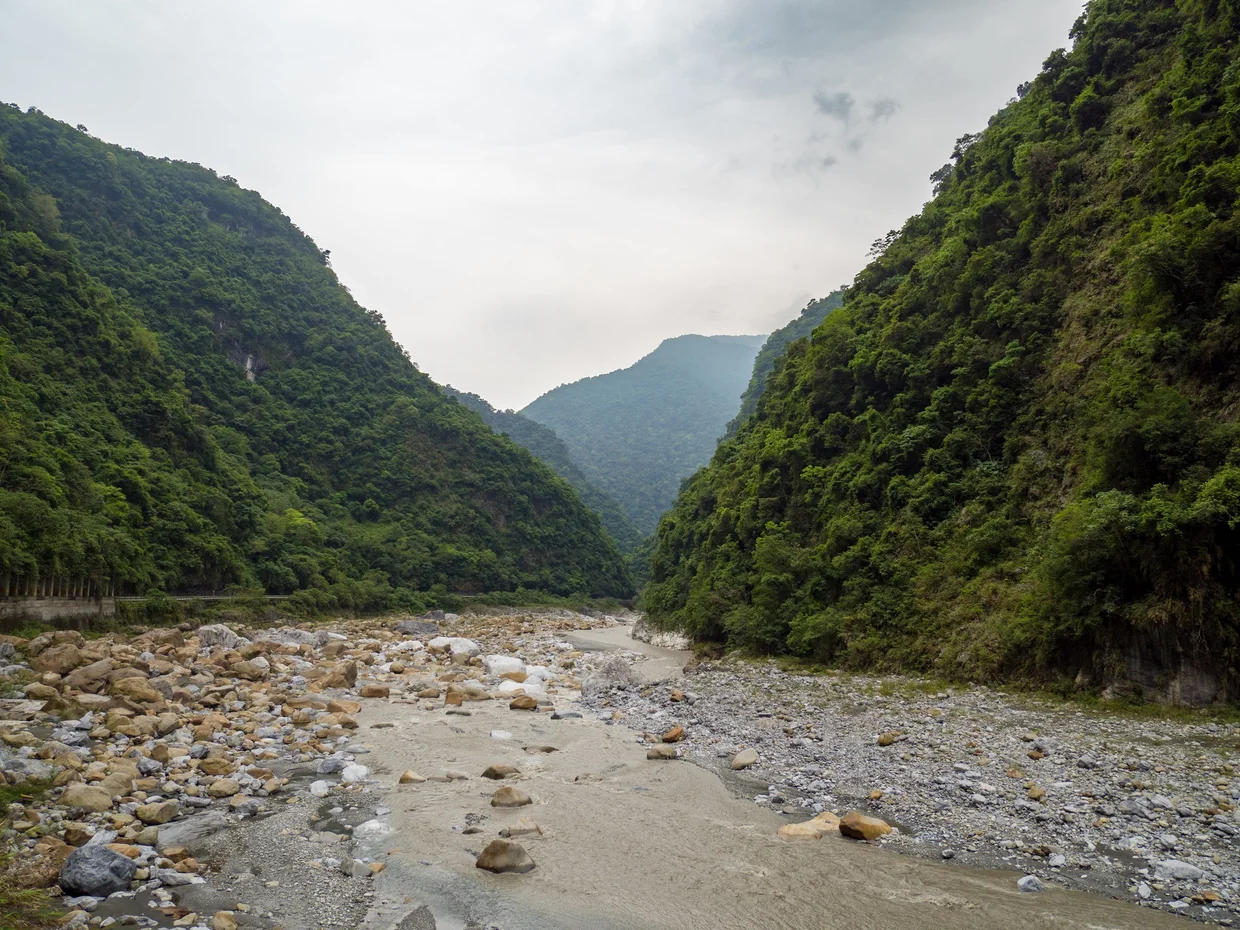
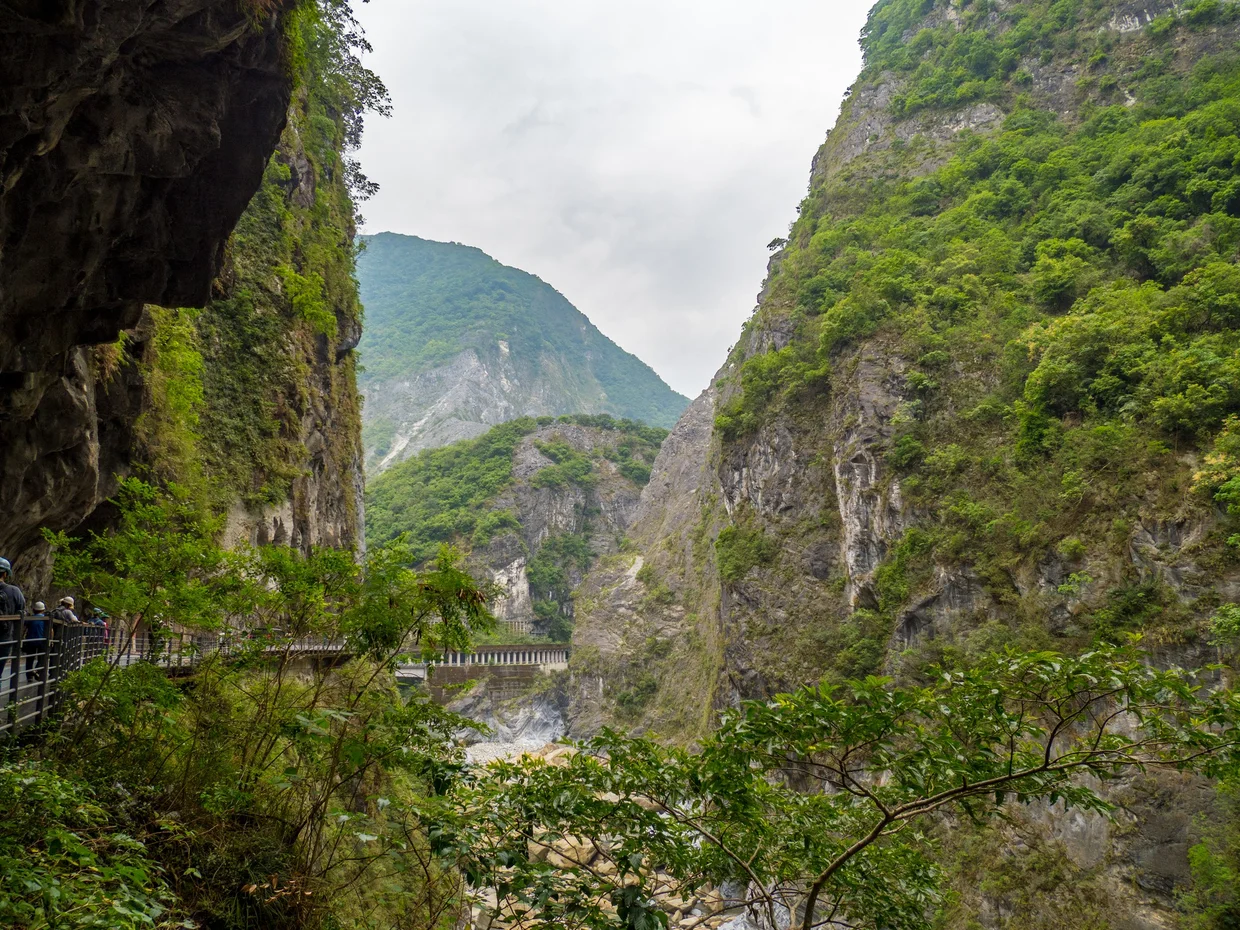
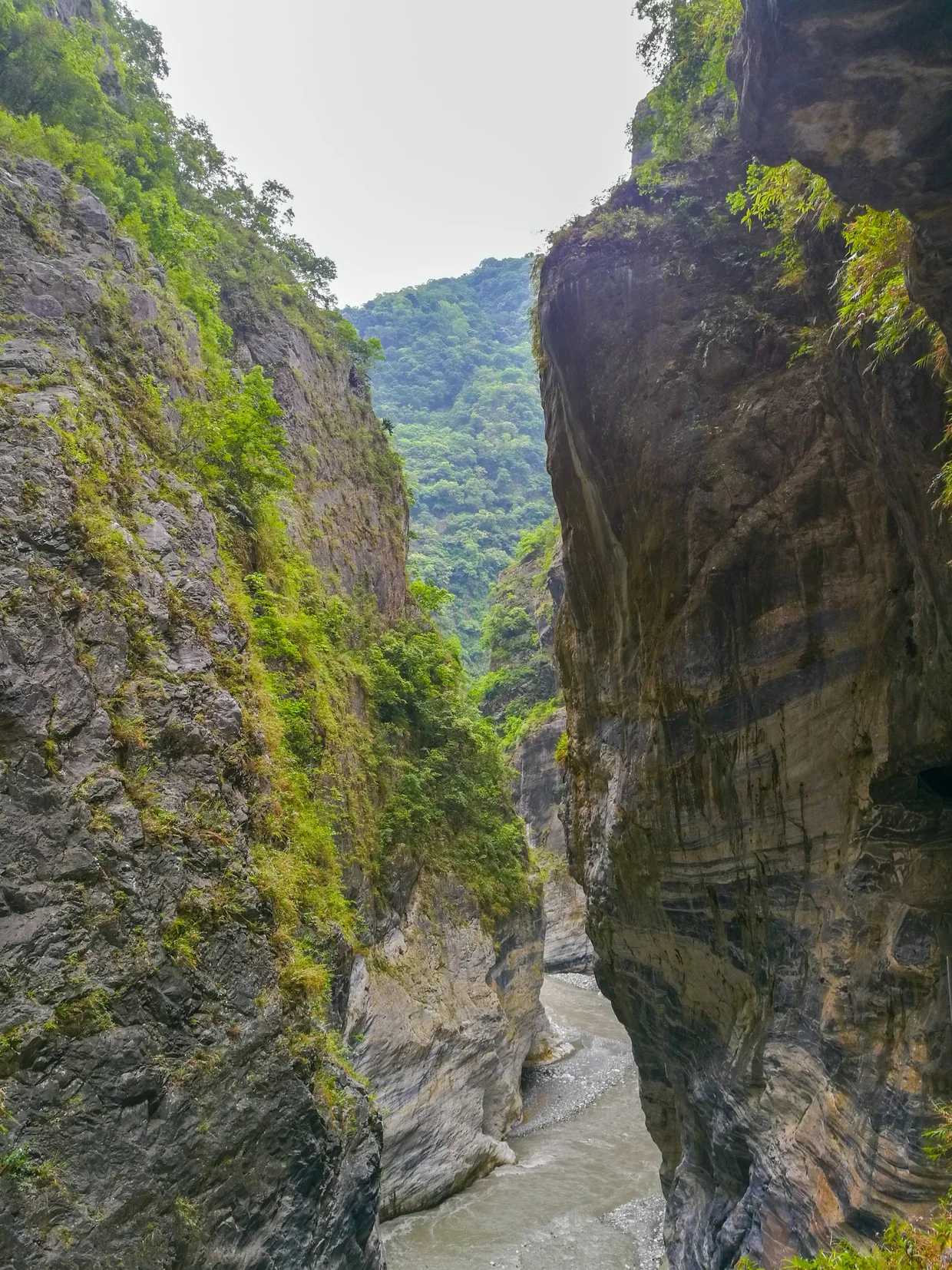
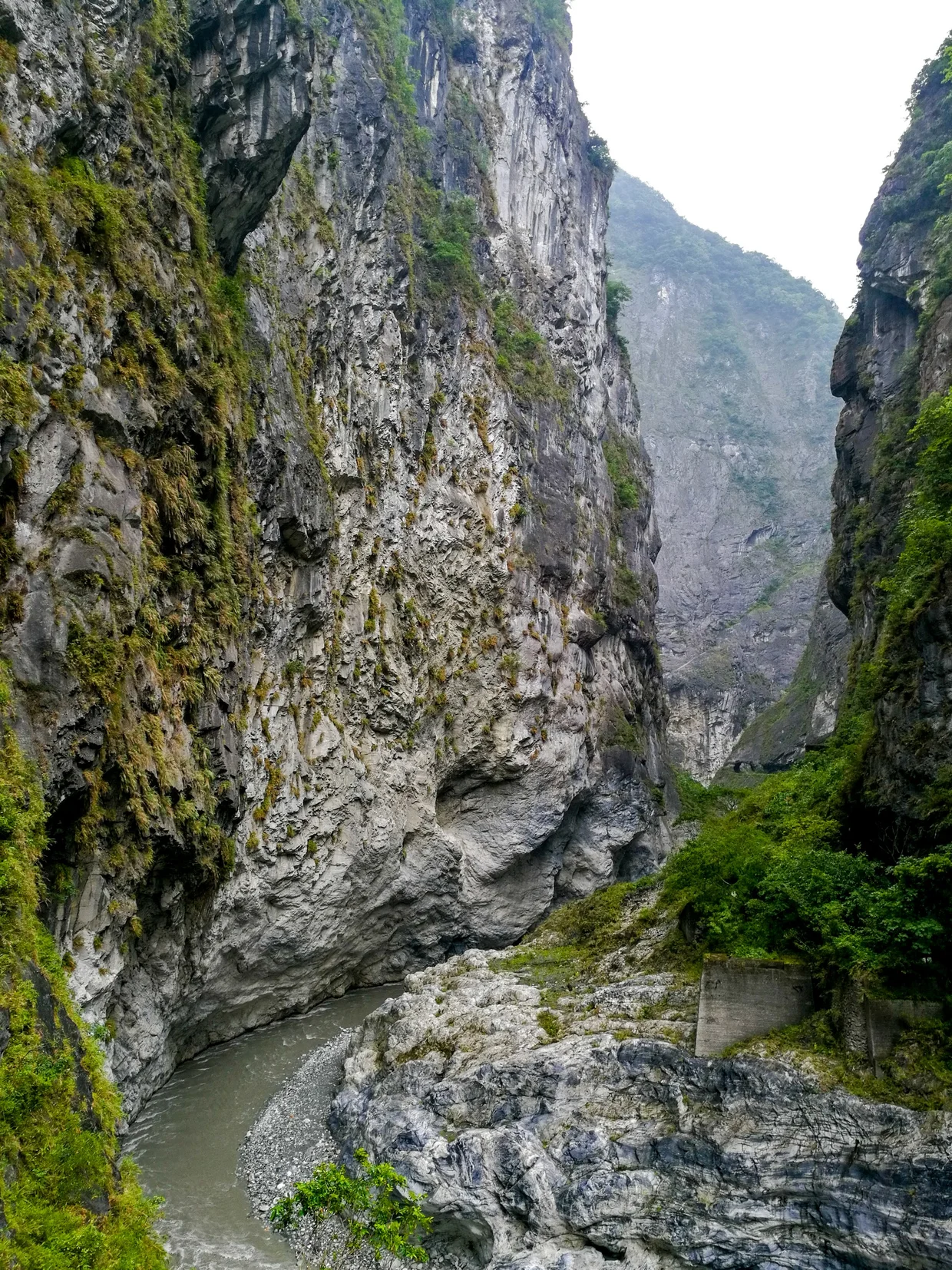
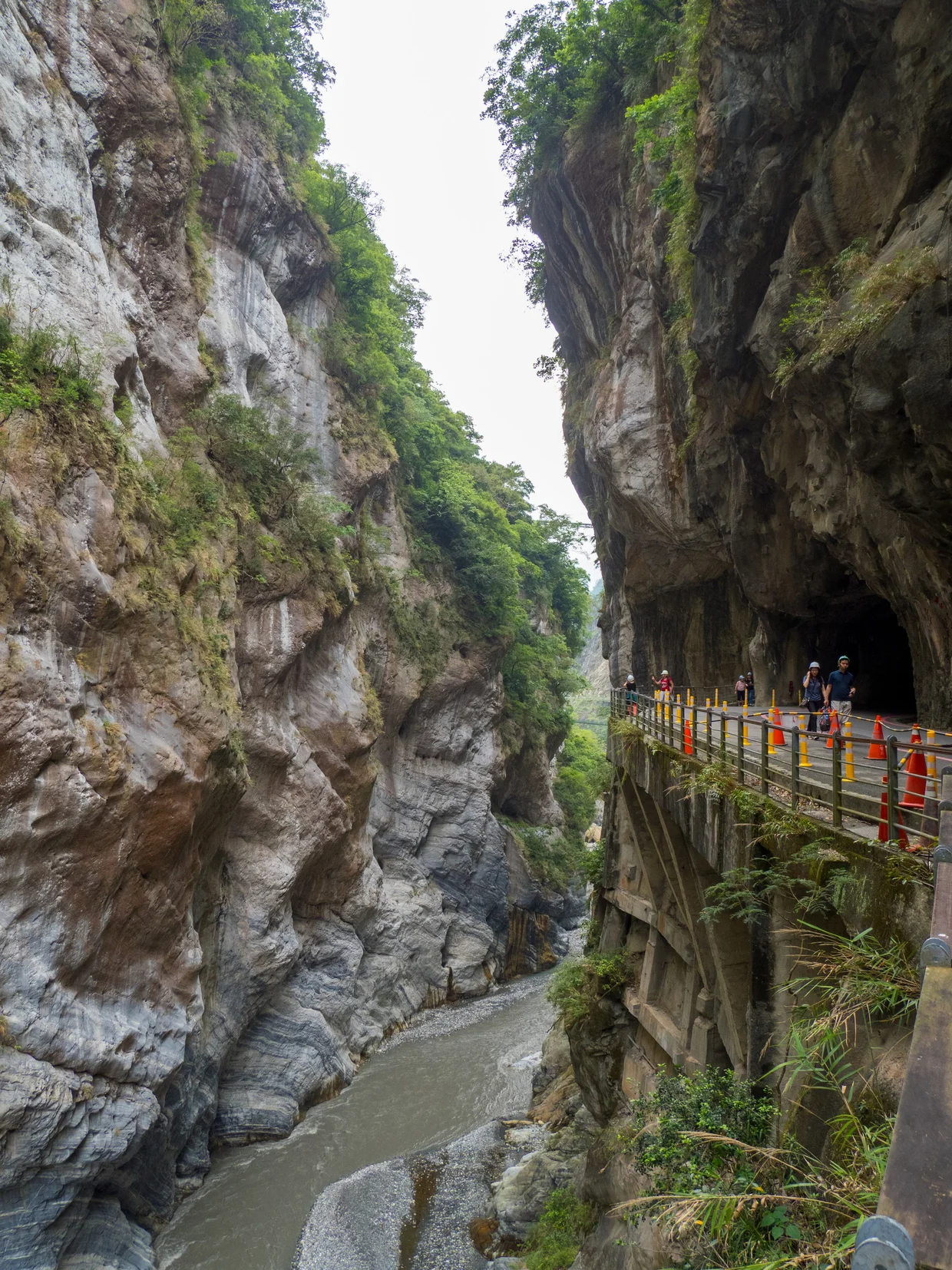
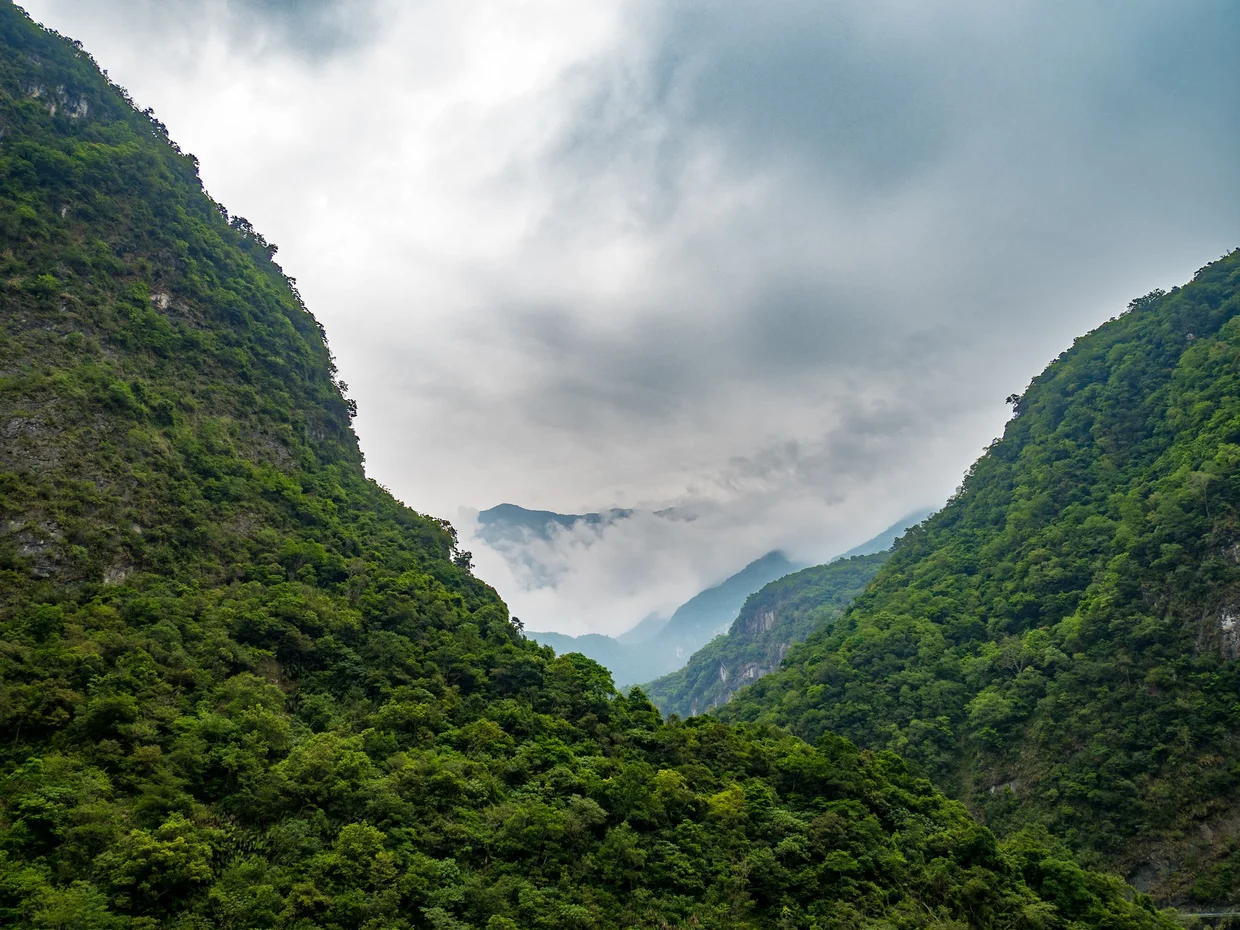
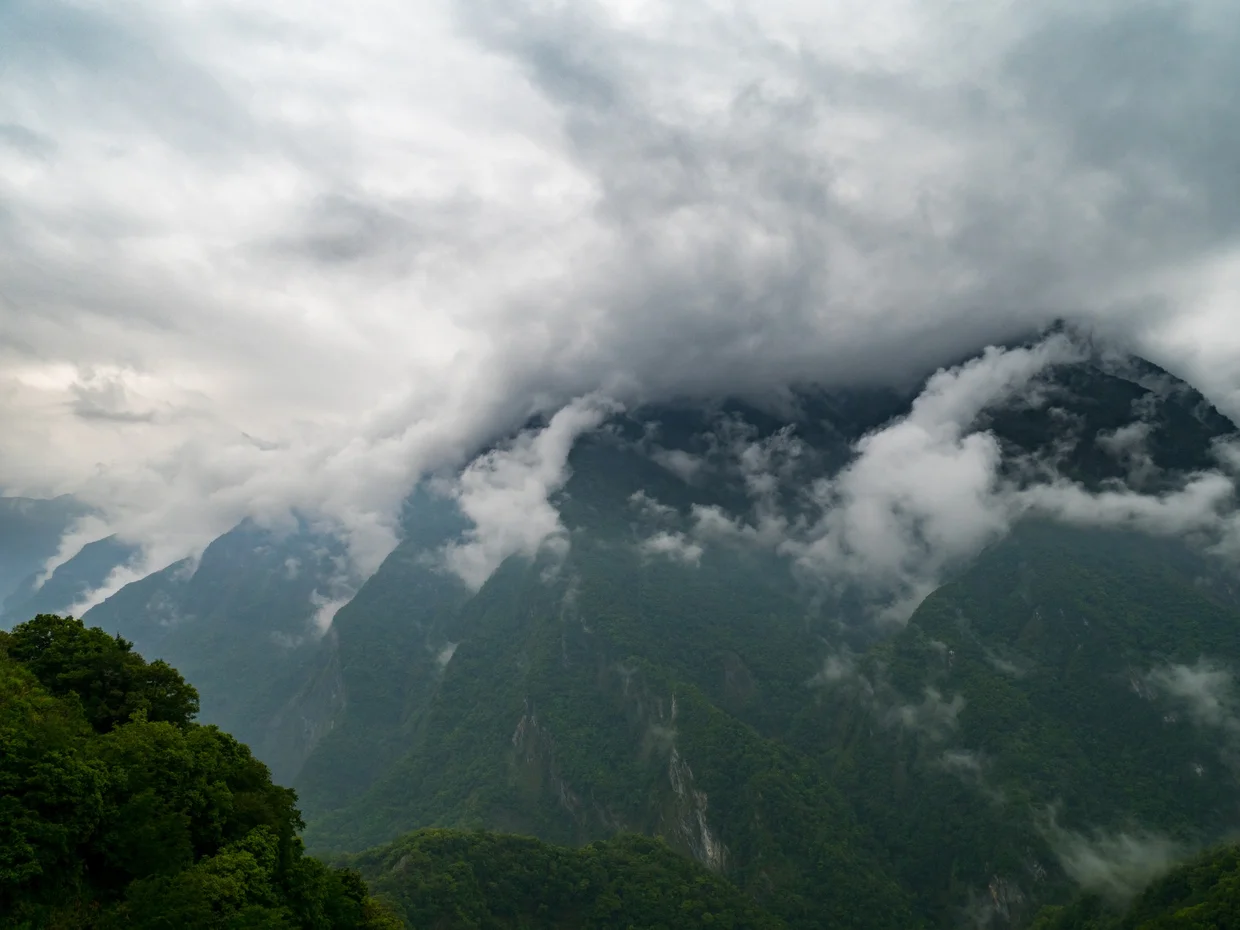
Taroko is a marble canyon on the east coast of Taiwan, about three hours from Taipei by train. The Liwu River carved through solid marble for millions of years and produced a narrow, high walled, almost unreal gorge system that you can drive, bus, and walk through. The cliffs are striped in white and grey. The water is jade green. The road tunnels through the rock in places and hangs off the cliff edge in others. You will absolutely run out of superlatives before you run out of gorge.
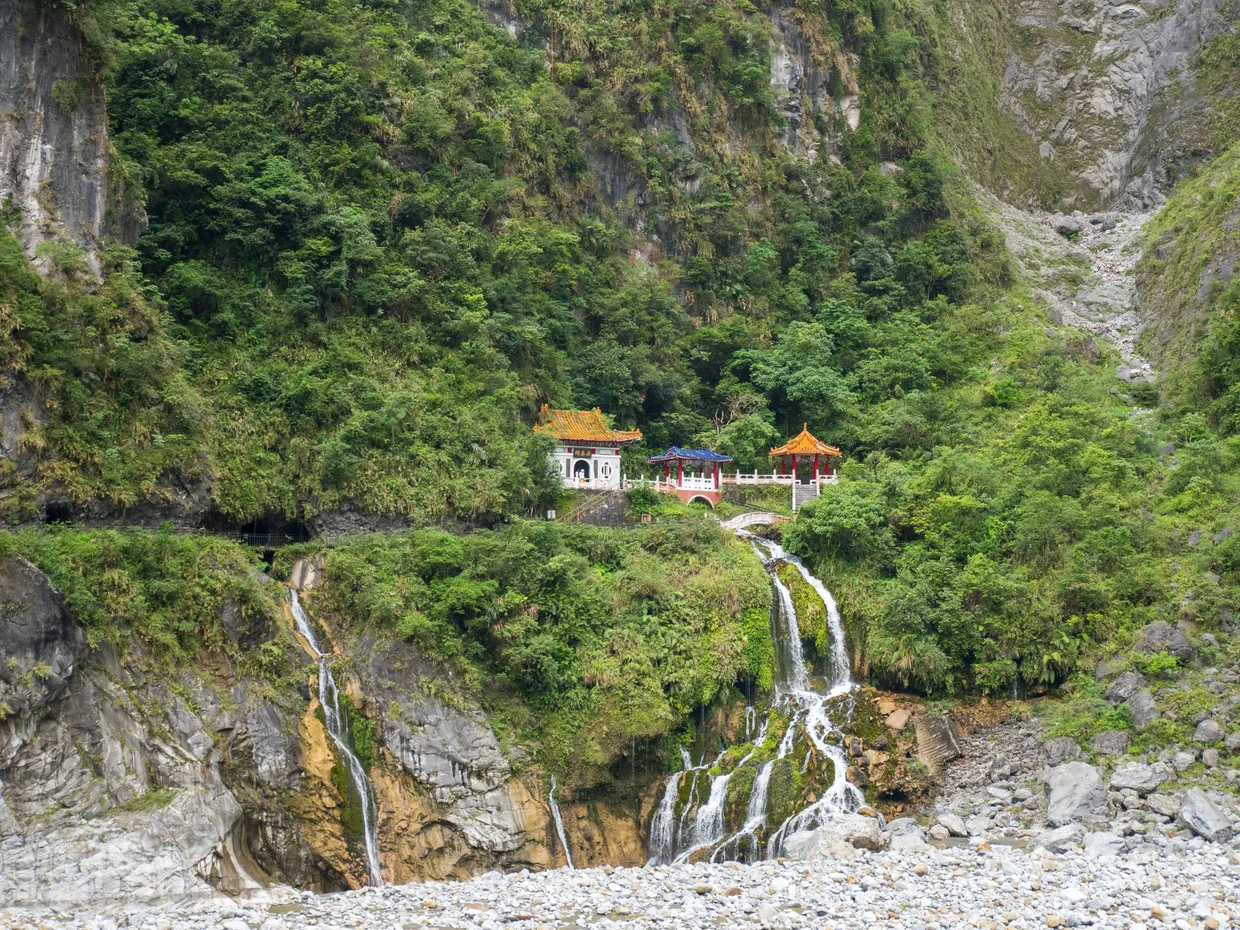
The headline sights are all within the main canyon. The Eternal Spring Shrine is the postcard: a small memorial building built over a waterfall, dedicated to the workers who died constructing the cross island highway. It's beautiful, it's accessible from a pull off along the road, and it's usually the first big "whoa" moment on the drive in.

The Shakadang Trail is a flat, easy two kilometer walk along the Shakadang River, below cliff overhangs, on a trail that was originally cut for a hydro project. Even on a crowded day it's pleasant, and the water color is unreal. The Swallow Grotto and Tunnel of Nine Turns are the narrow, dramatic heart of the gorge. Walls rise straight up, the road tunnels through rock, and the canyon tightens down to where you can nearly touch both sides.
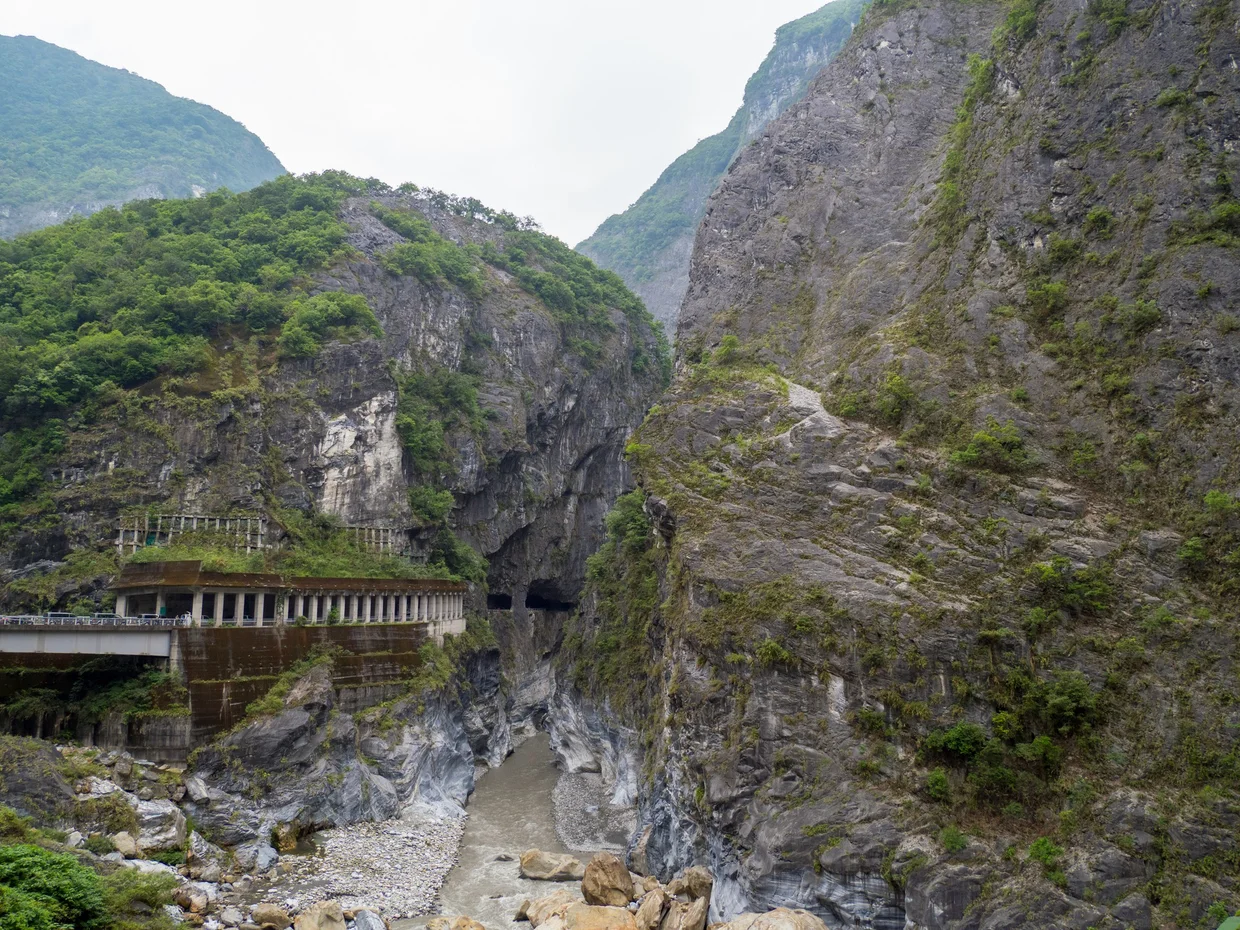
Important: Taroko has been affected by major earthquakes, most recently the April 2024 quake that closed large parts of the park. Several trails and roads have phased reopenings. Before you go, check the official Taroko National Park site for current access. Some of what I describe may be closed or rerouted when you visit. The core gorge remains one of the best things in Asia even with restrictions.
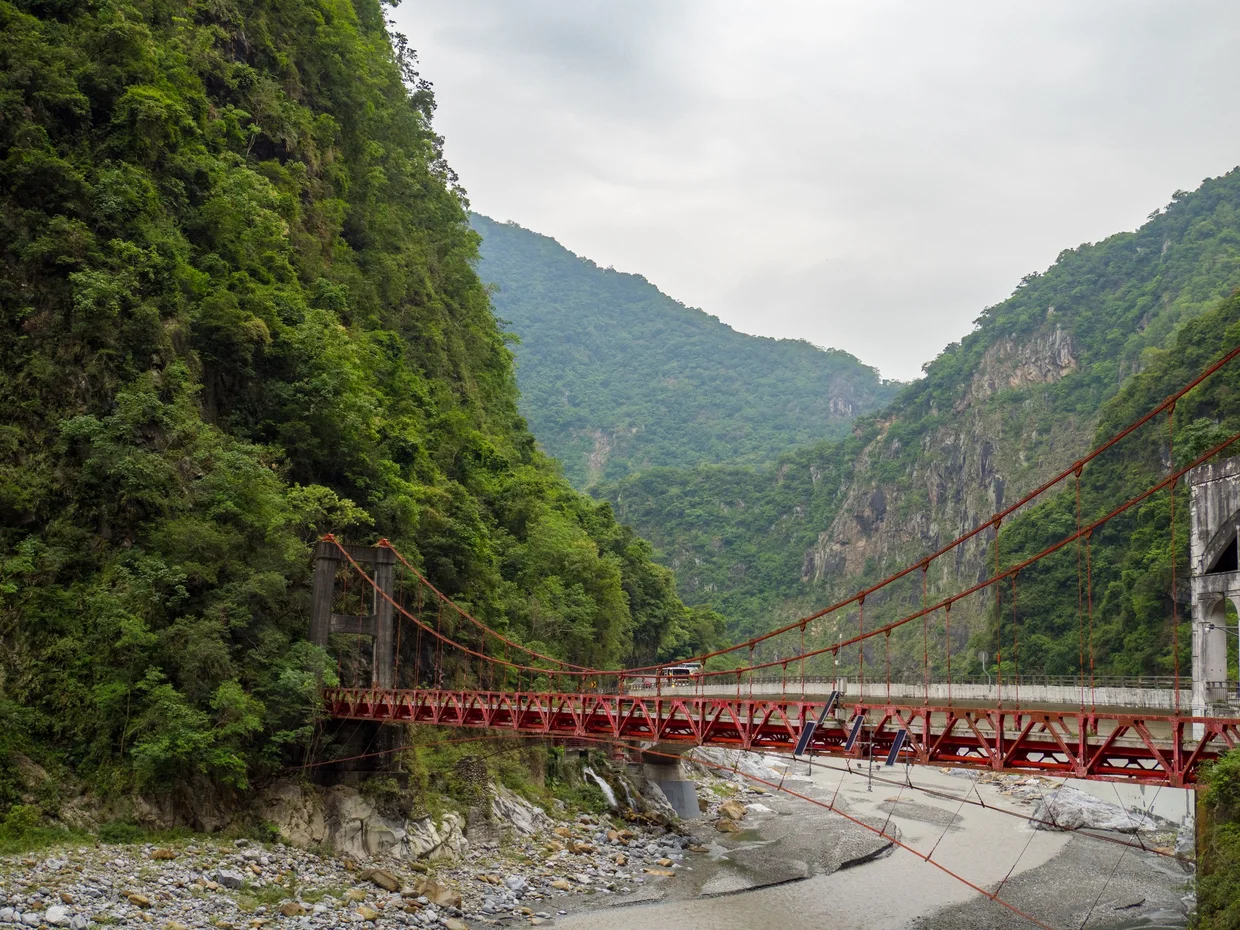
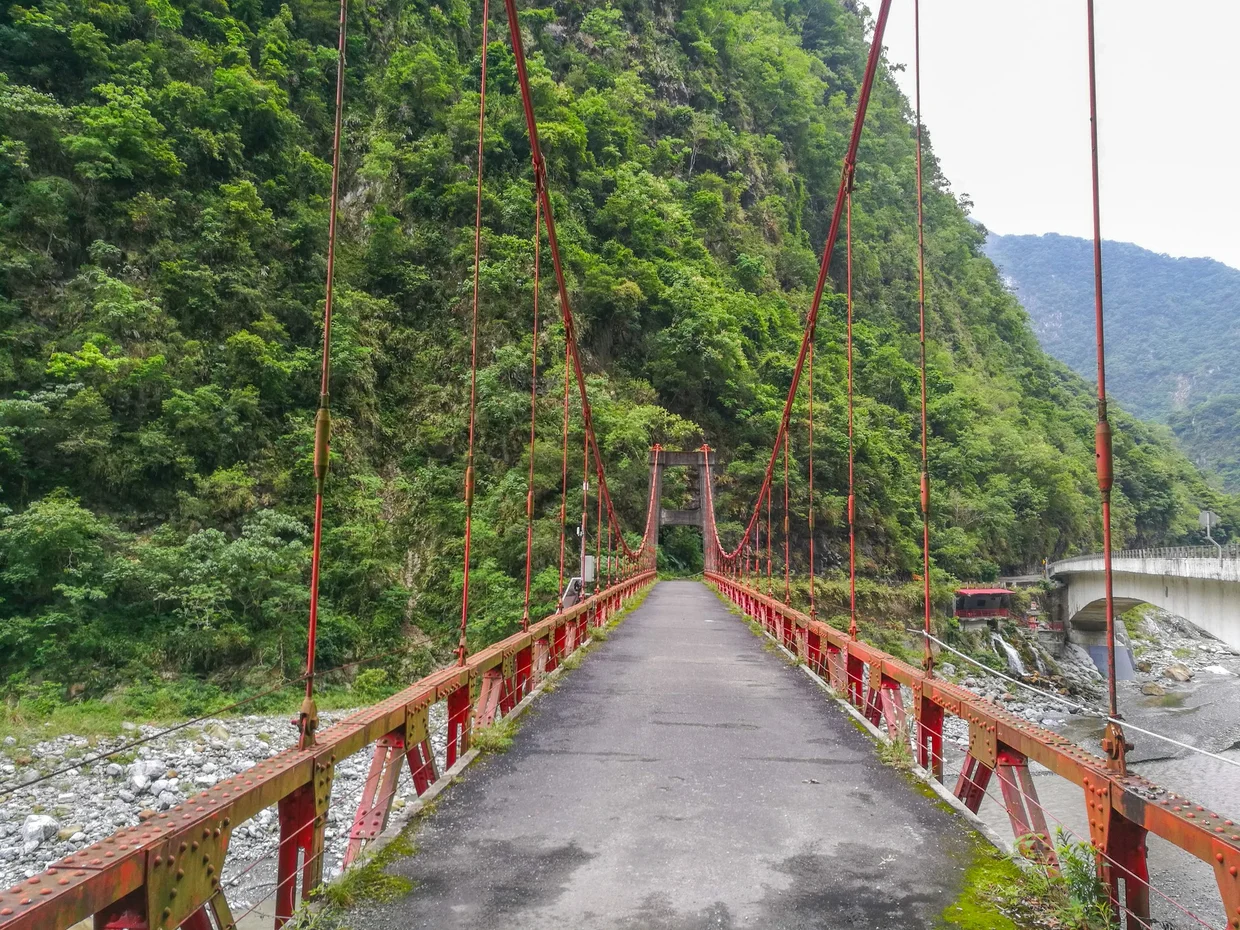
Base yourself in Xincheng (the train station right next to the park entrance) or in Hualien (the bigger city 20 minutes south). Hualien has more restaurants and hotels. Xincheng is literally at the park gate. Day tripping from Taipei works, but you'll spend six hours on trains. Stay overnight and give yourself two days.
Kaohsiung
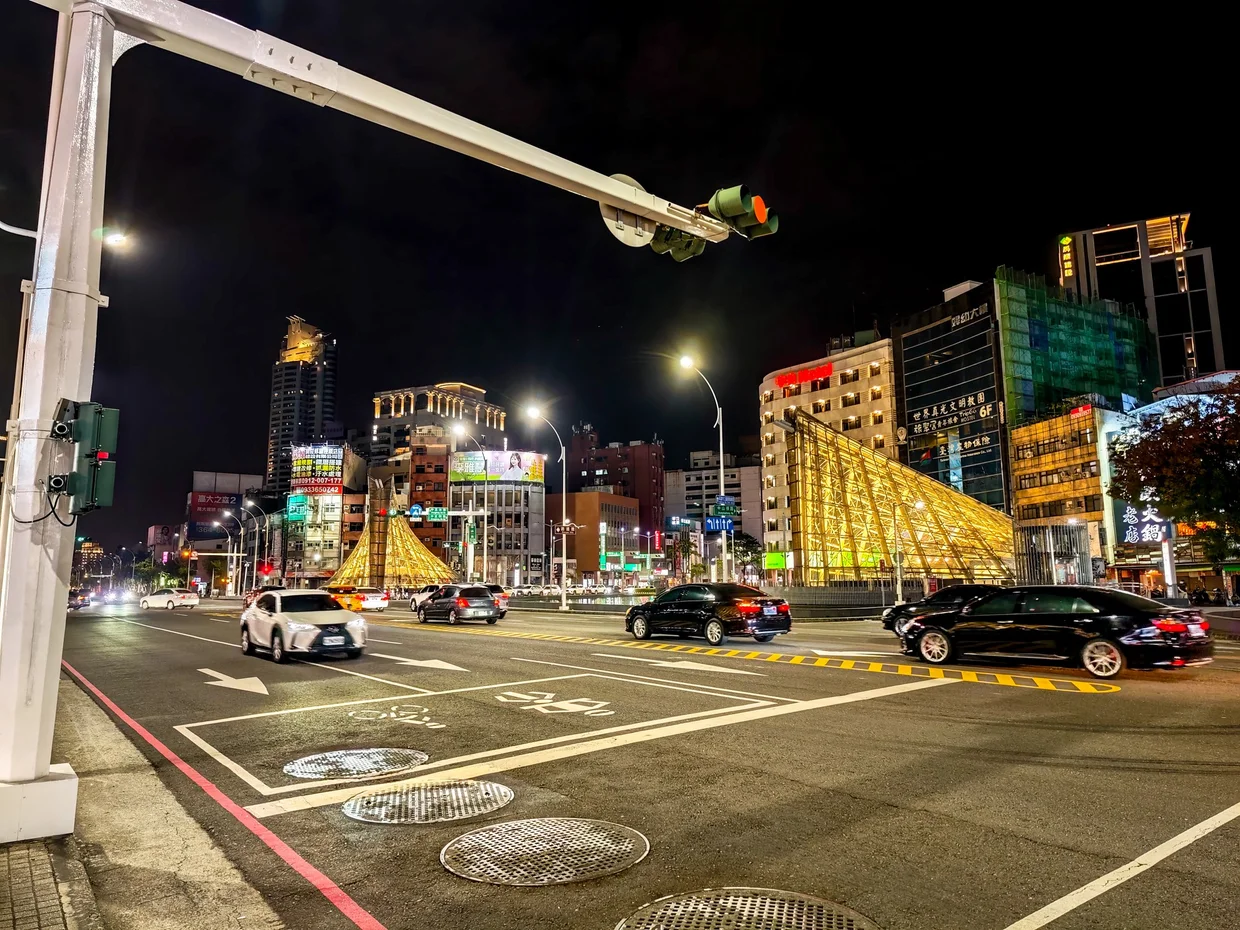
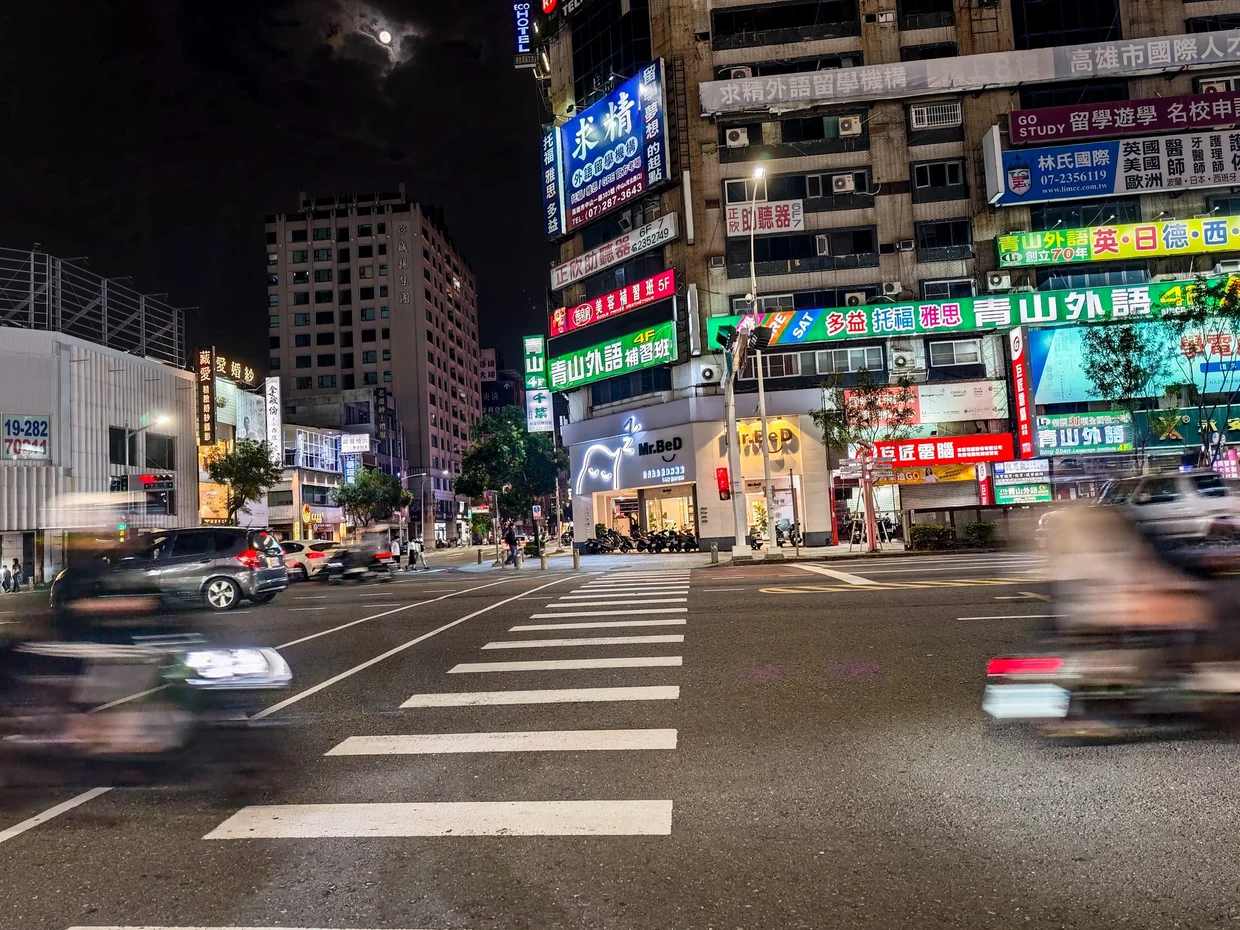
Kaohsiung is Taipei's warmer, weirder, more laid back younger sibling. It's Taiwan's second city, sits on the southwest coast, and if I had to pick my favorite Taiwanese city, it might be this one. Taipei is efficient. Kaohsiung has personality.
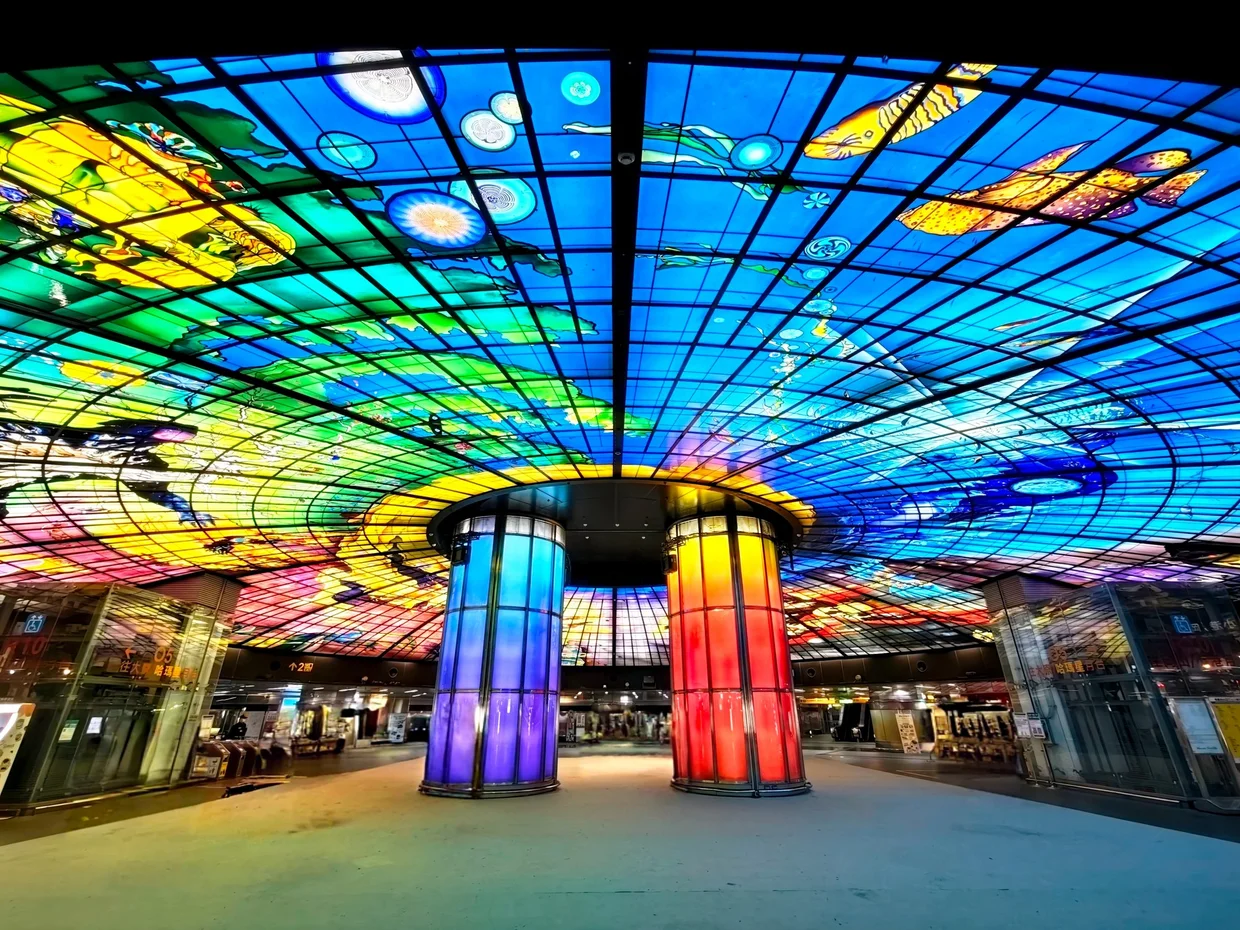
The Dome of Light at Formosa Boulevard MRT station is reason enough on its own. It's the world's largest glass art installation, a 30 meter wide stained glass ceiling inside a metro station, and it's completely free. You just walk in. Taiwan casually puts one of the most beautiful pieces of public art on the planet into a train station because why not. Go at the right hour, catch the colored light show it does throughout the day, and try not to stare at the ceiling for 20 minutes with your mouth open.

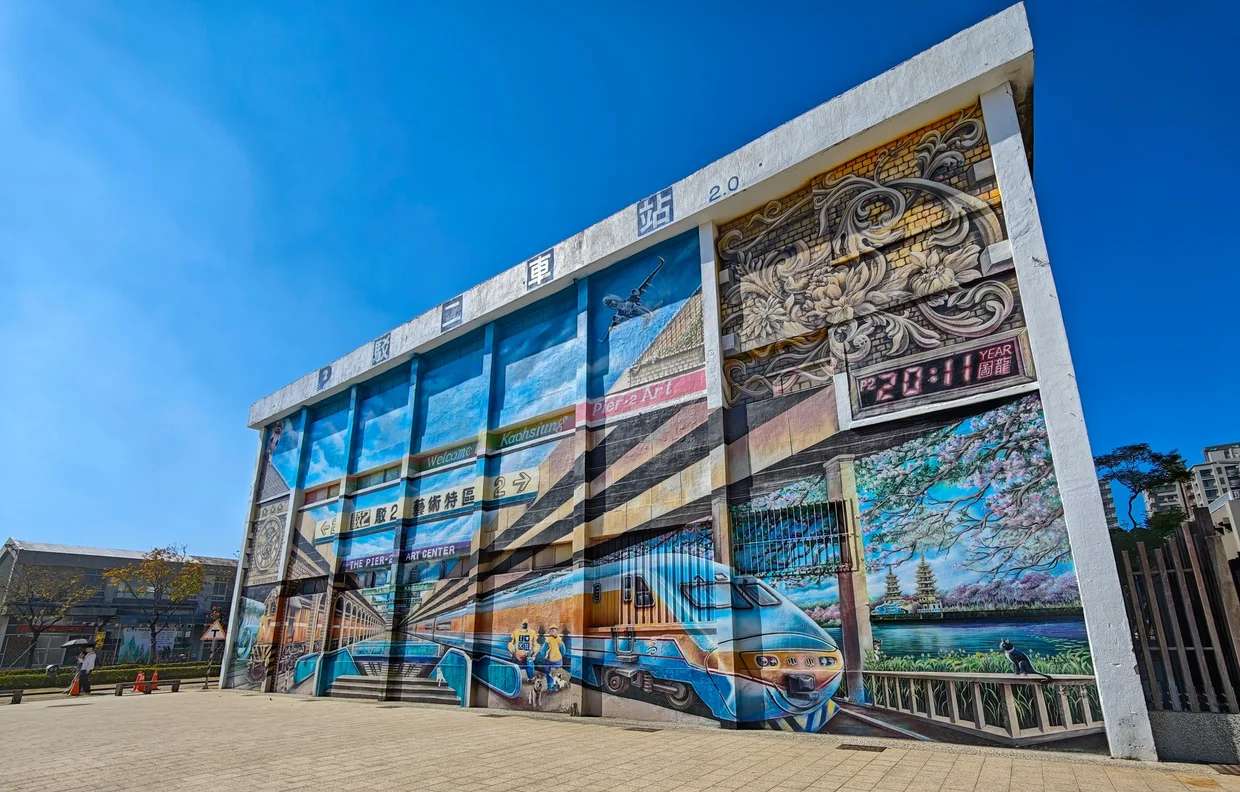
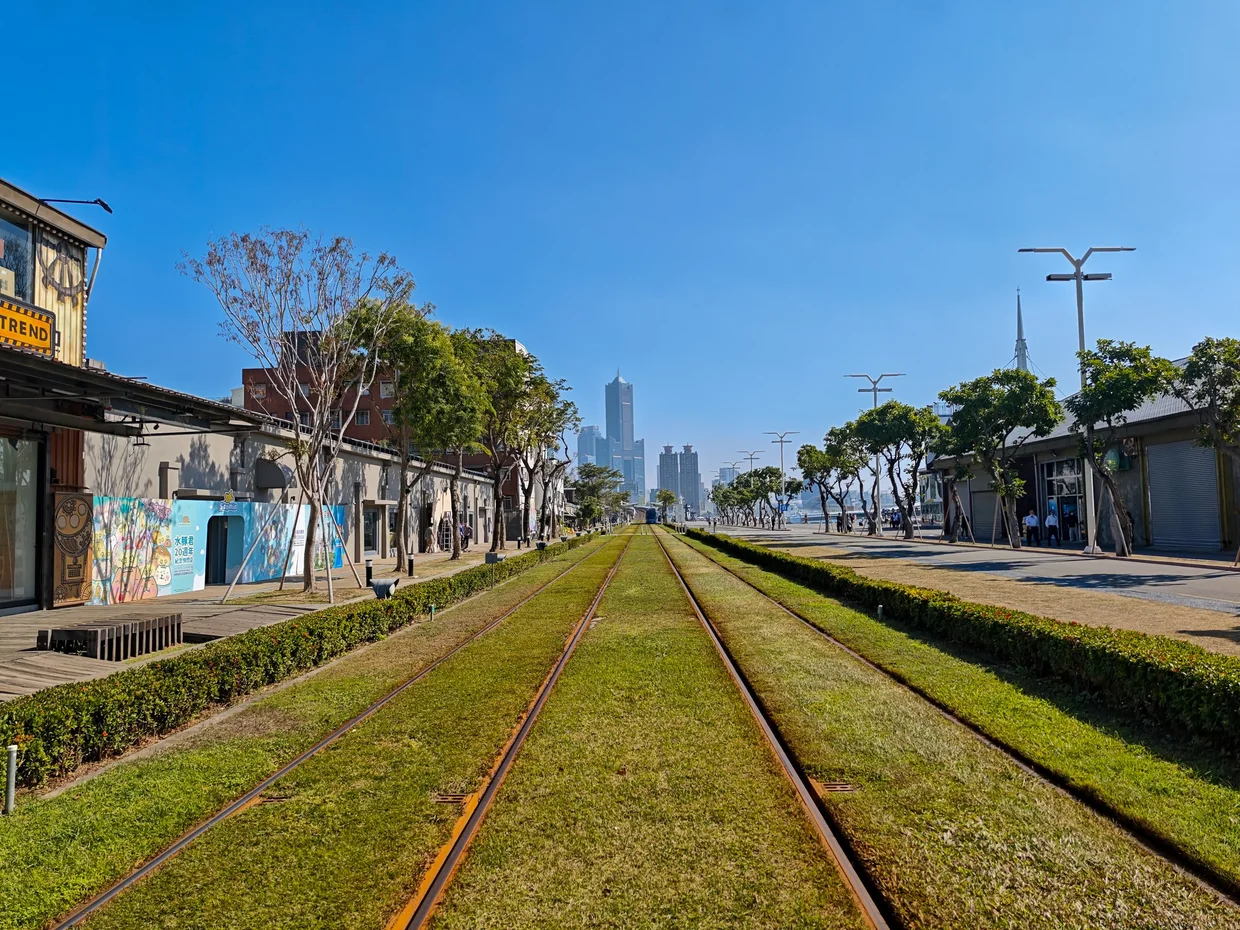
Pier-2 Art Center is Kaohsiung's Songshan, but better. Old harbor warehouses converted into galleries, shops, public sculpture, and small cafes, right on the water next to the light rail. You can walk through the whole district in an afternoon and still feel like you're missing things. It's playful, a little strange, and deeply photogenic.
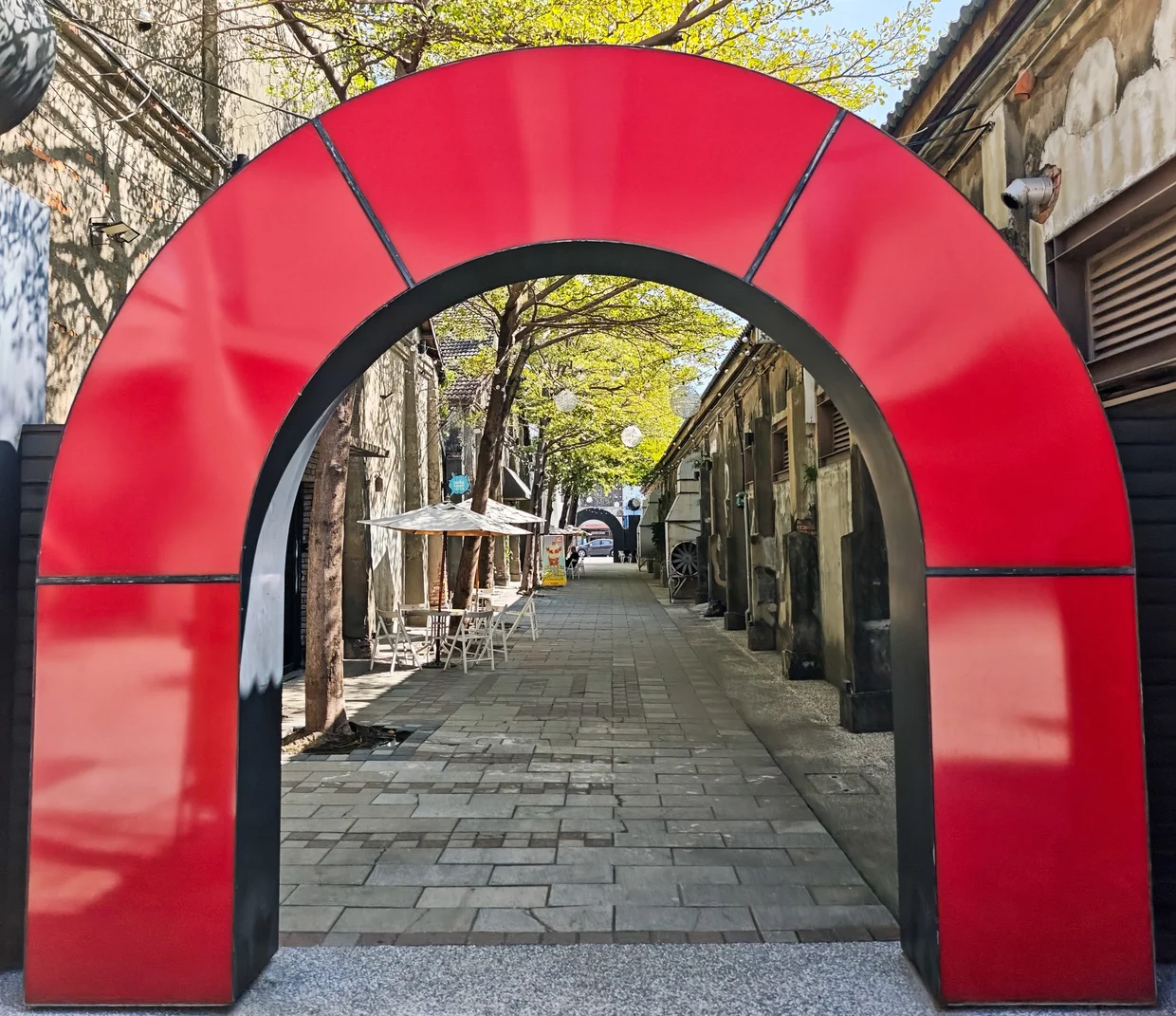
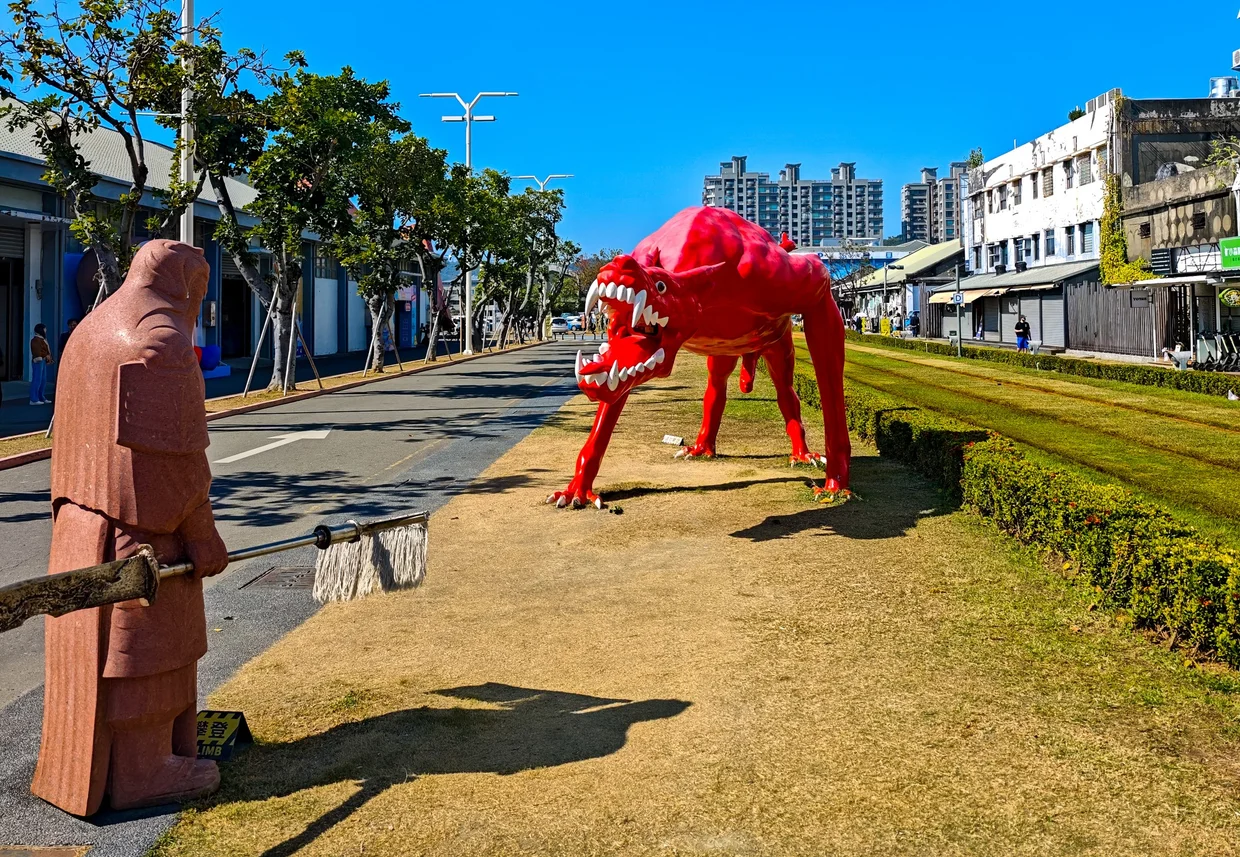
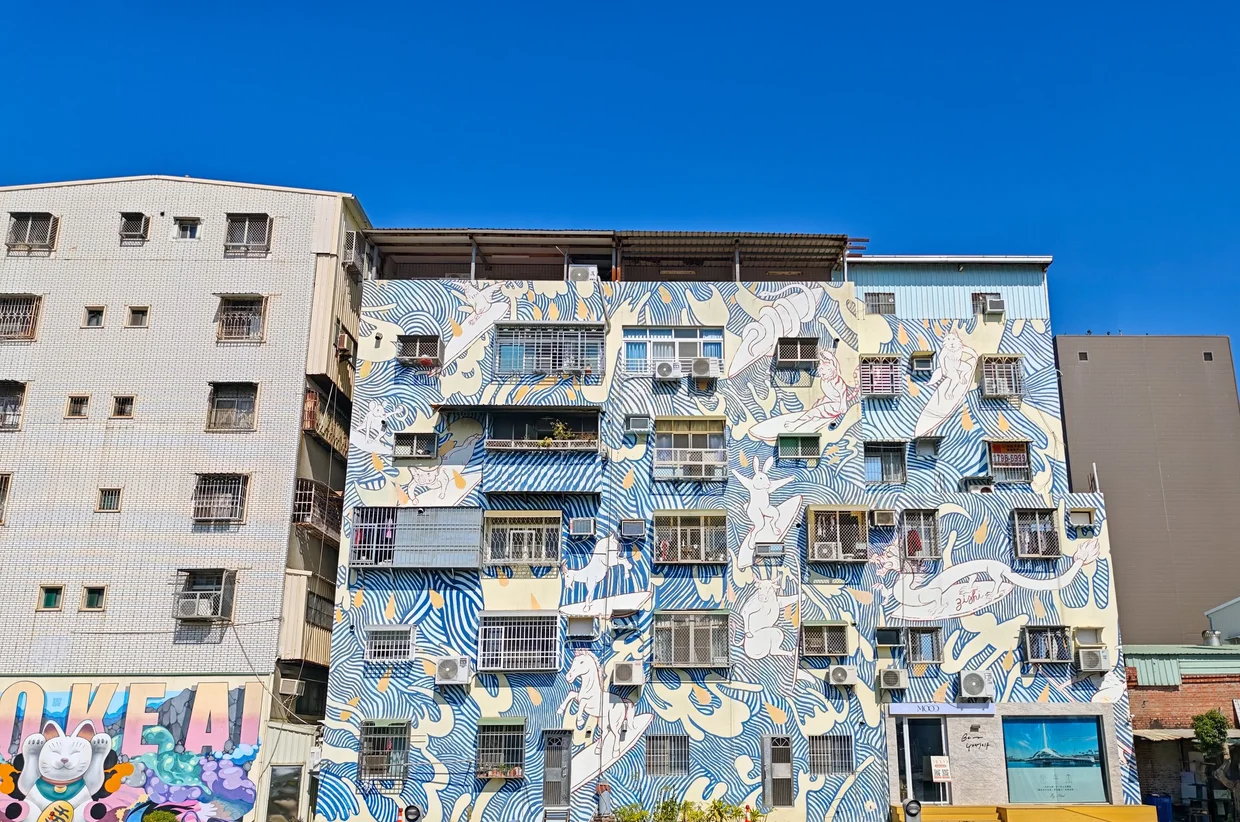
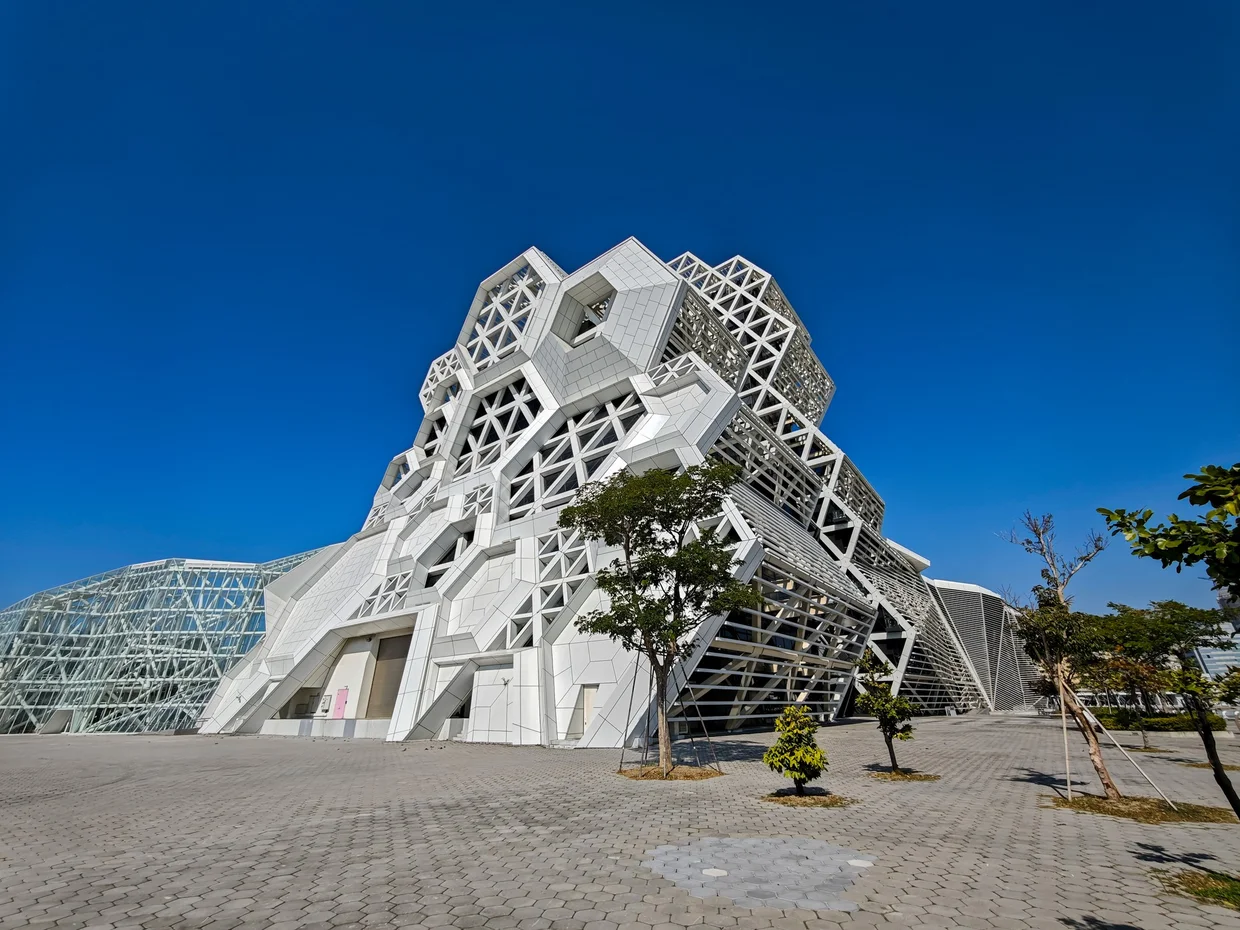
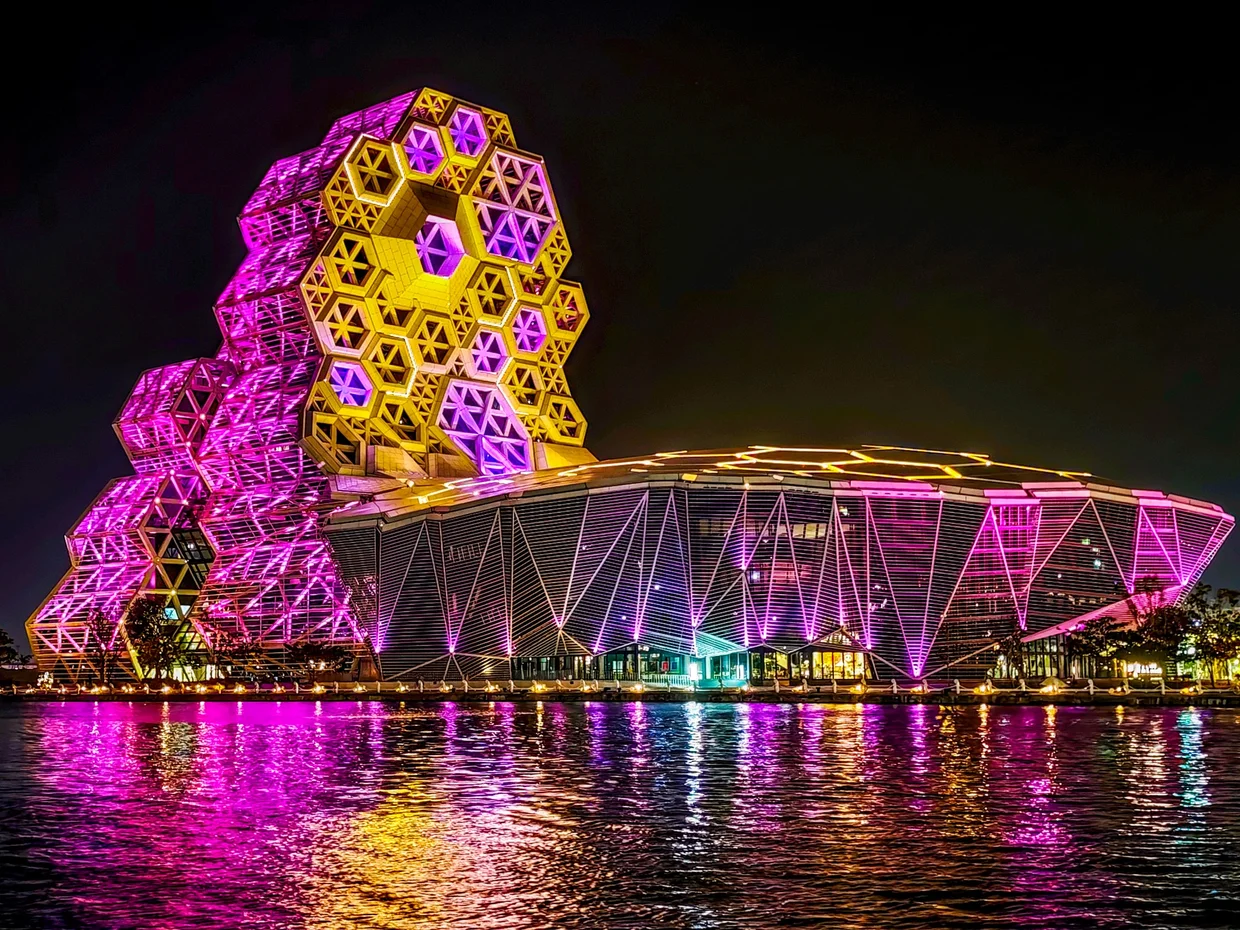
The waterfront side of Pier-2 opens up to Kaohsiung's redeveloped harbor. This is where the city flexes. The Great Harbor Bridge is a sleek, sweeping white pedestrian bridge that looks like a modern art piece you can walk across. Hamasen Railway Cultural Park next to it preserves the old harbor rail lines as green corridors. And then, on the other side of the bay, there's the Kaohsiung Music Center. A series of curving, fluted, geometric white buildings that look like concrete waves washing up on the shore. Lit pink at night, reflected in the bay water, it's one of the most striking pieces of architecture in Asia.

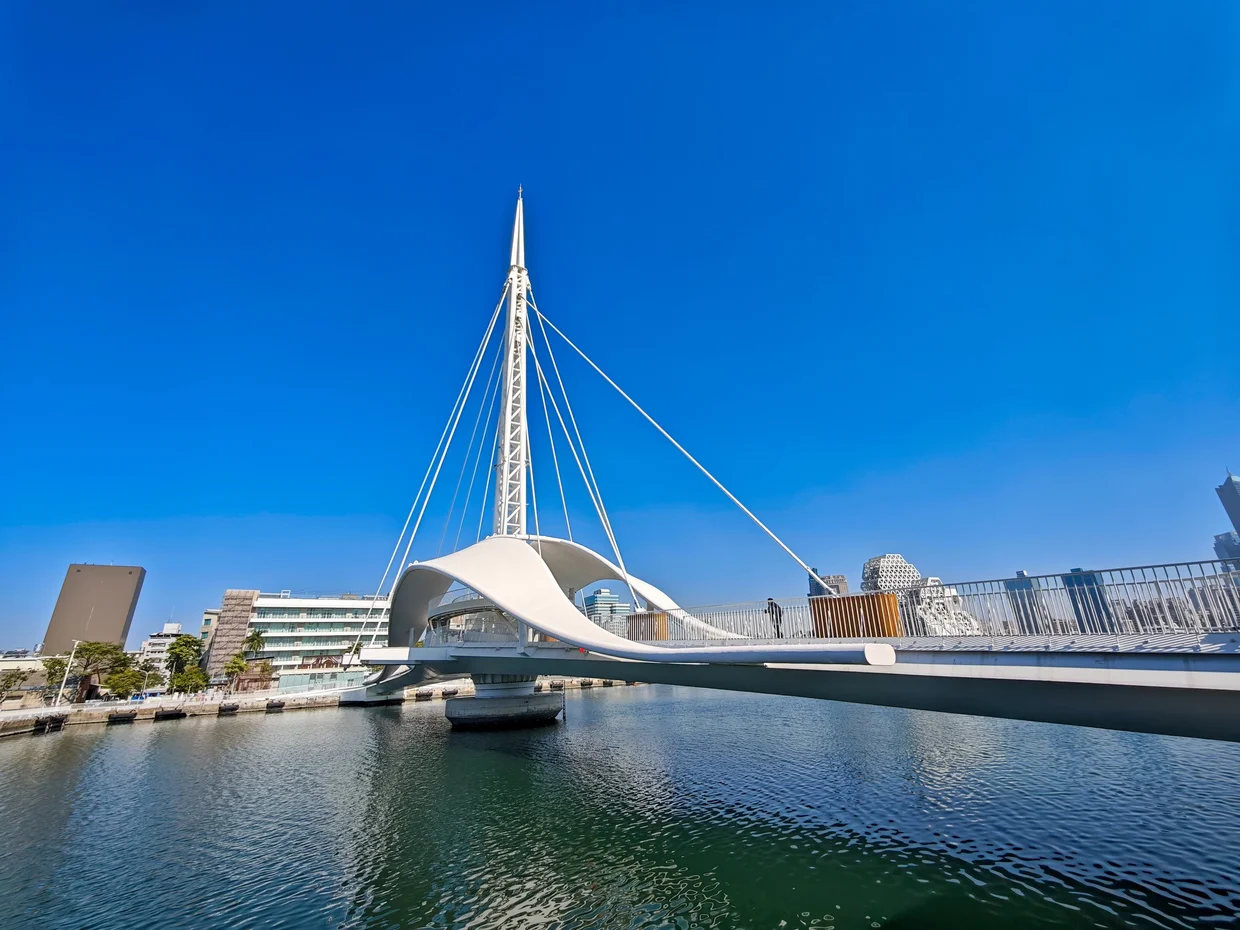
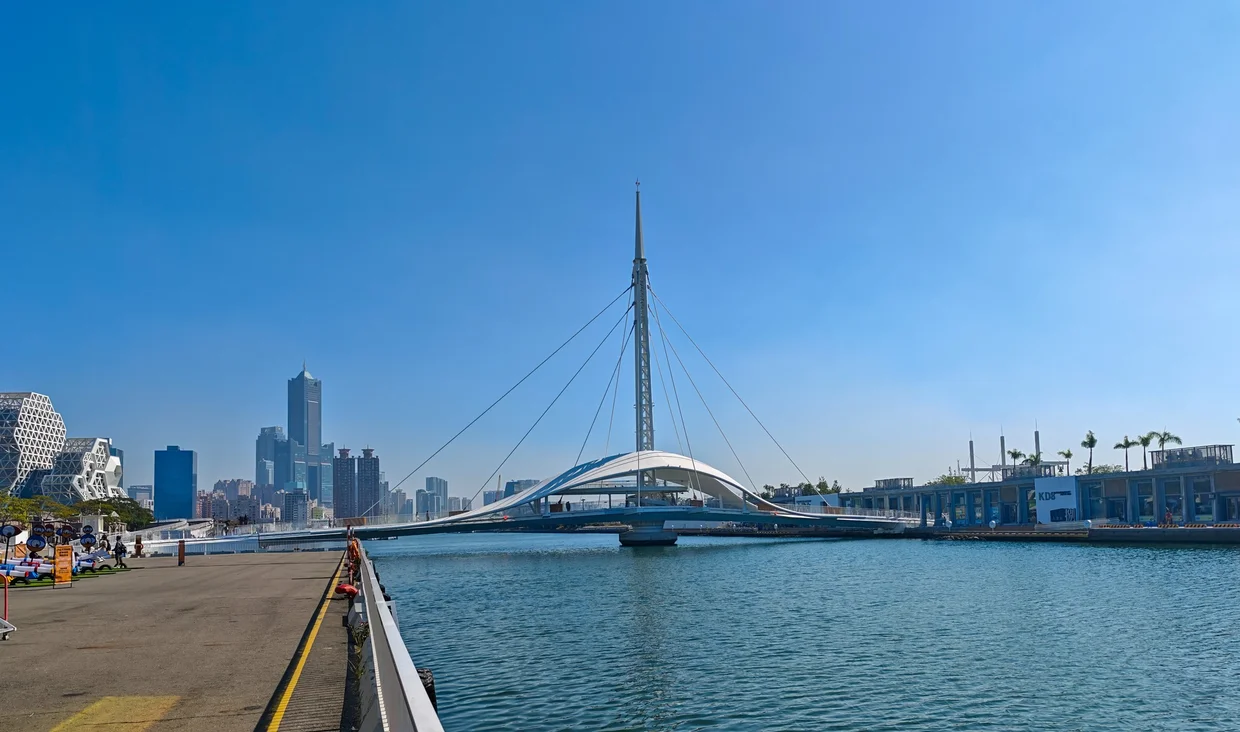
The Asia New Bay Area further along the harbor has the Dream Mall (with its Ferris wheel on the roof), views of the 85 Sky Tower skyline, and enough night photography opportunities to fill a memory card. It's not Old Taiwan. It's New Taiwan, proud of itself, and worth a night walk.
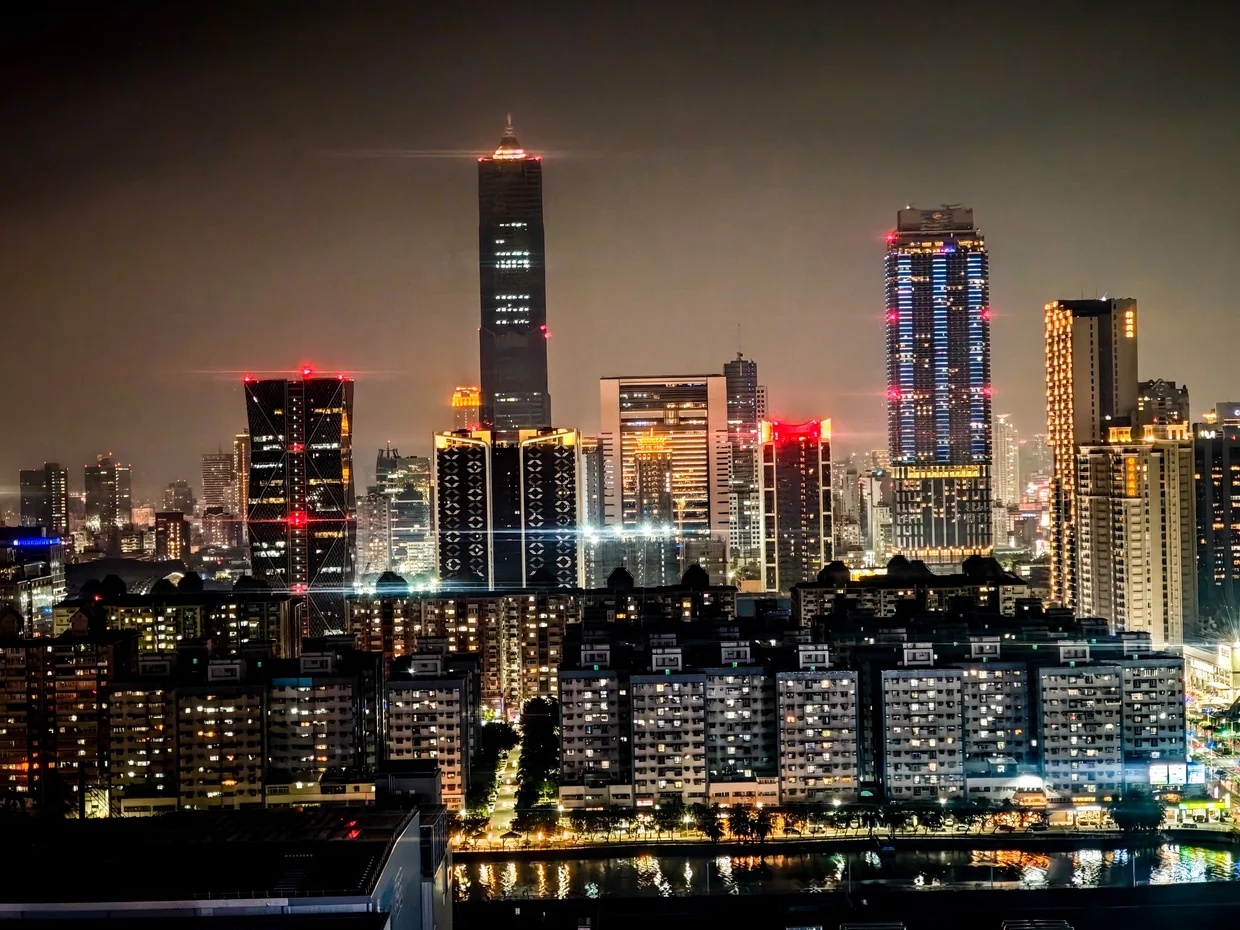
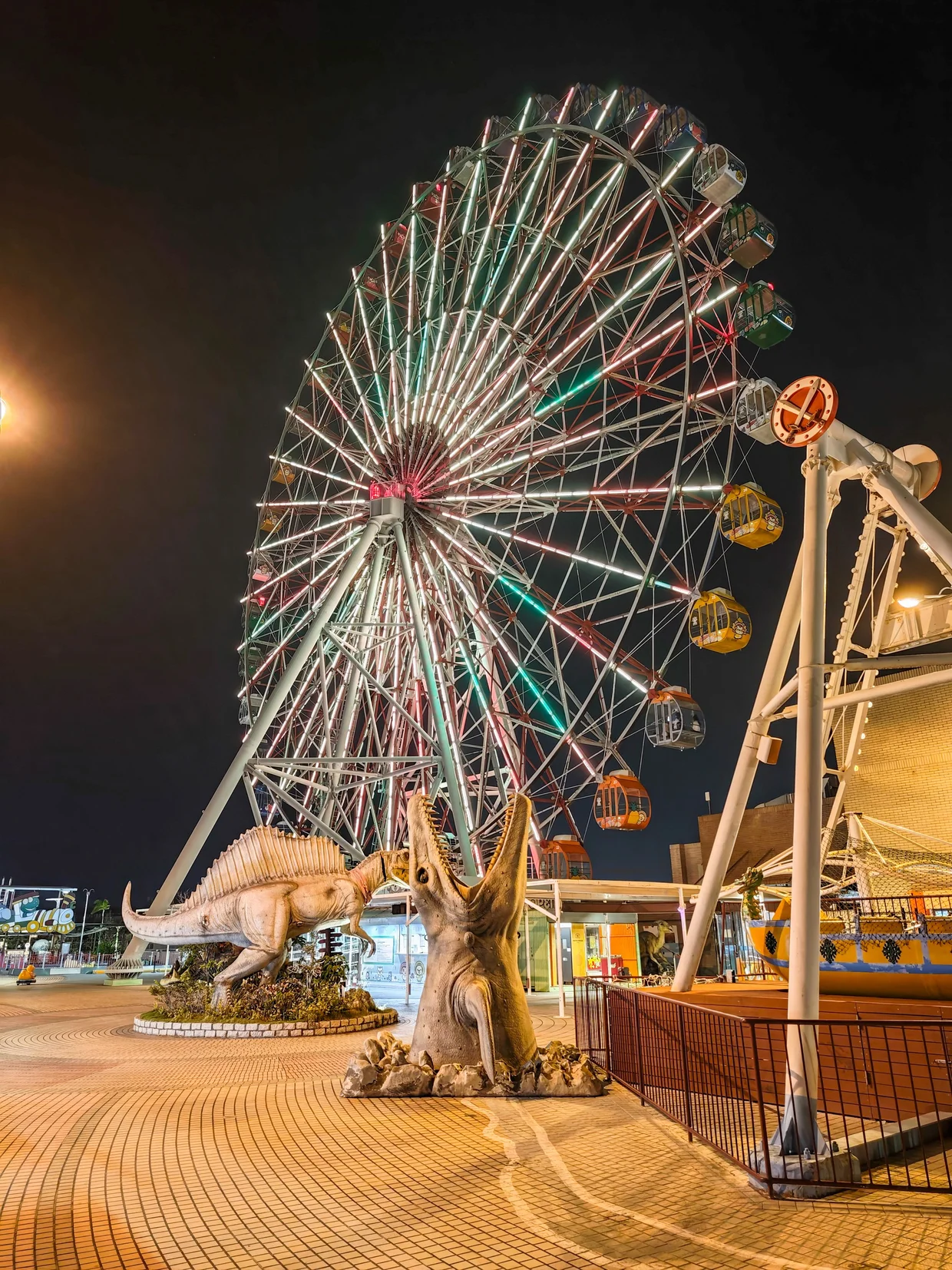
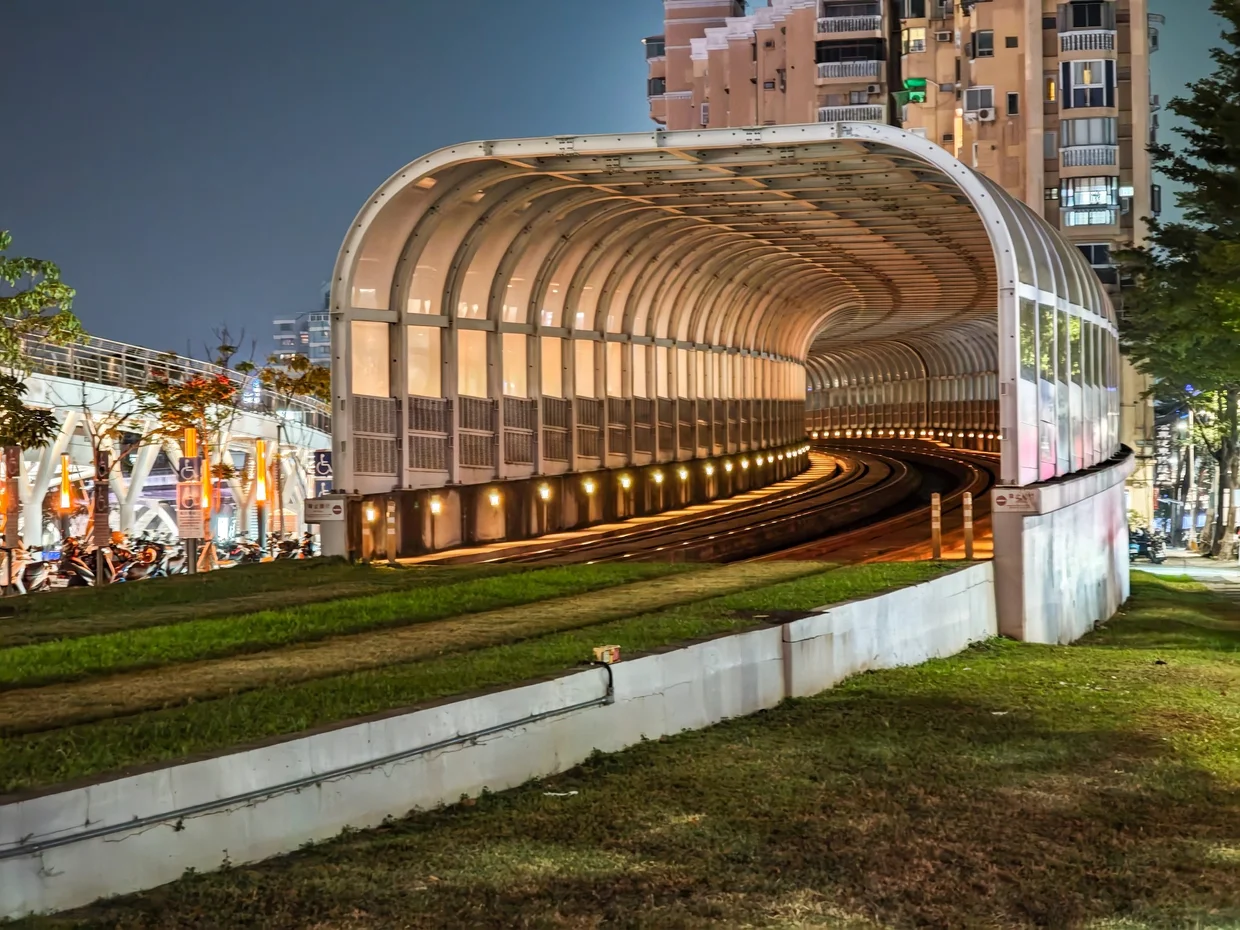
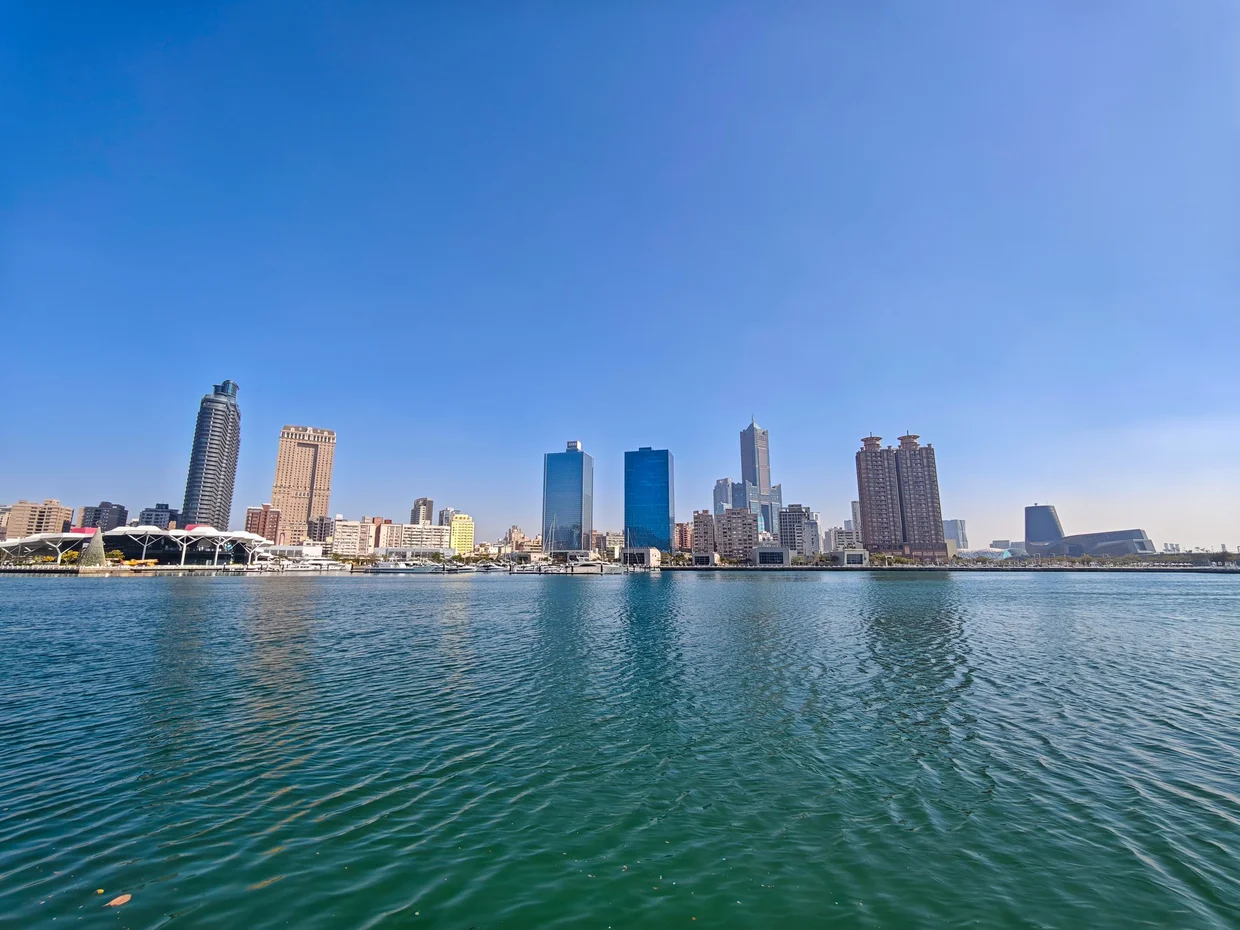
Two days is enough to cover Kaohsiung properly. Three if you want to use it as a base for Kenting. It's easier to breathe here than in Taipei, the weather is warmer, and a beer on the harbor at sunset is one of the best things you can do in Taiwan.
Kenting and the South
Kenting is Taiwan's tropical corner, a national park on the southern tip of the island where the climate finally gives up pretending to be subtropical and goes full blown tropical. Coral reefs, coconut palms, clear water, and a warmth that feels different from the rest of Taiwan. Hengchun is the small walled town that serves as the base for exploring the peninsula, and it's got real character once you slow down enough to notice.
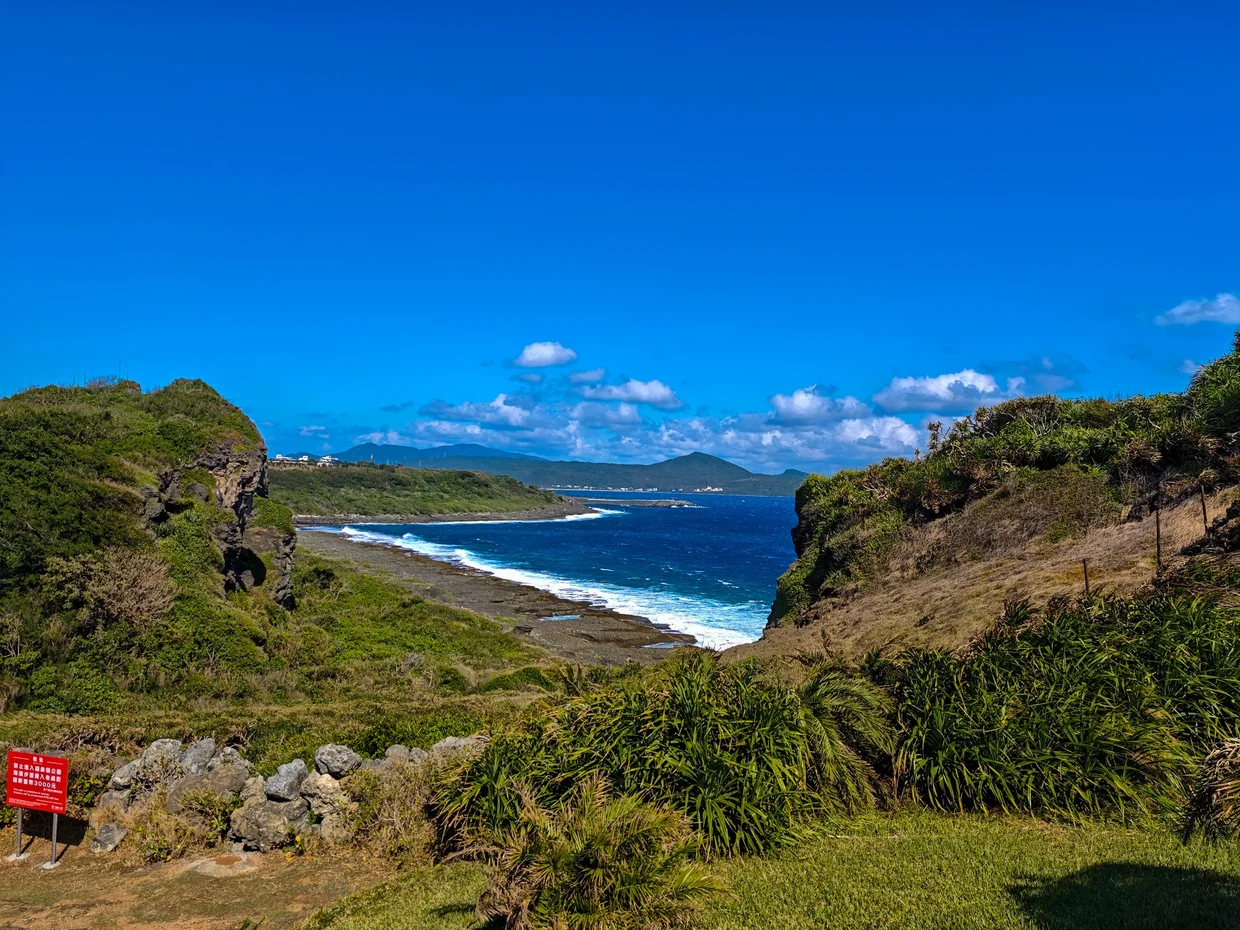
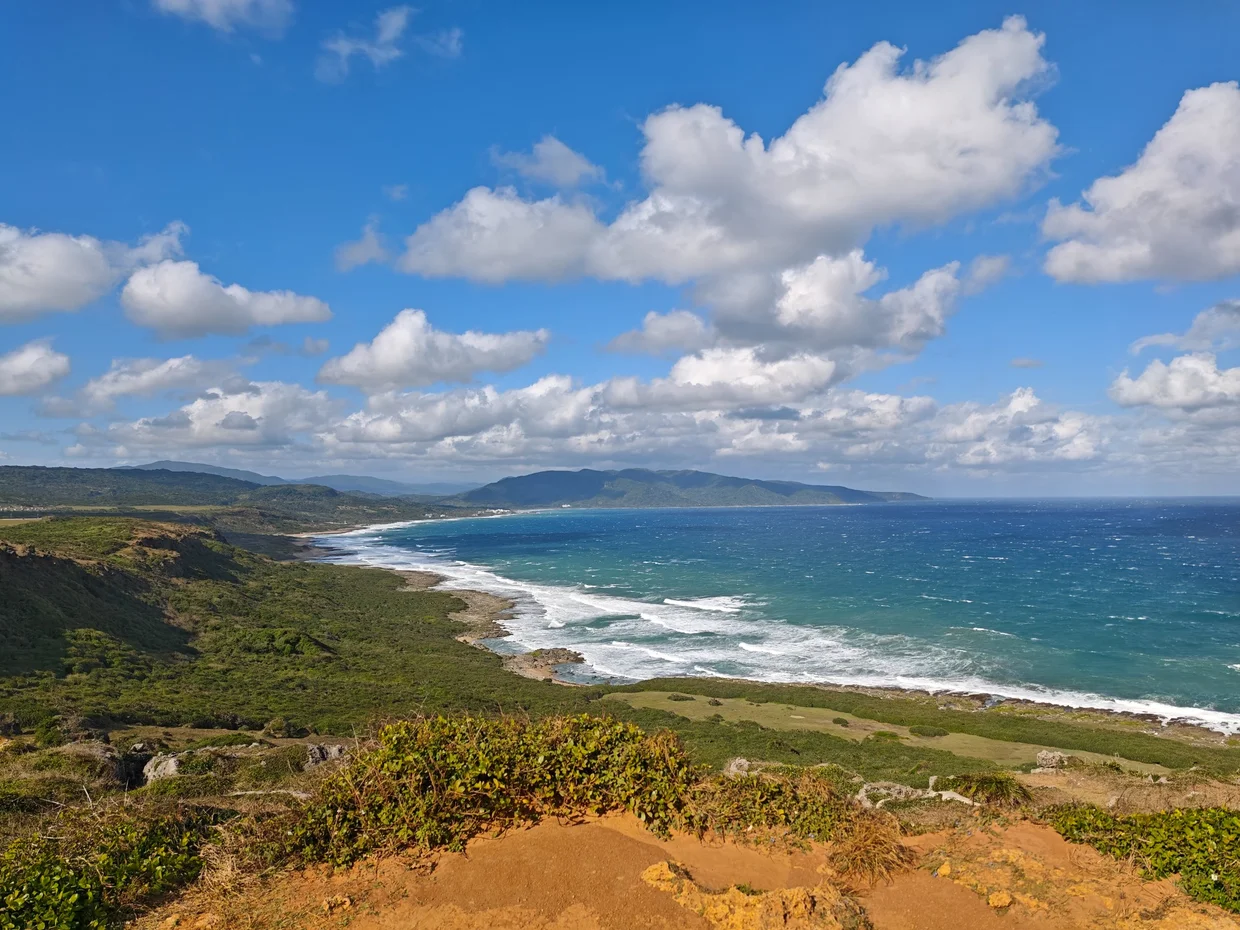
The Maobitou coast on the southwest corner of the peninsula is where I'd start. Dramatic headland cliffs dropping to bright blue water, a small viewing deck at the top, and sea stacks scattered below. The name means "cat nose head," because the headland supposedly looks like a cat's nose. I couldn't really see it, but the view is the view.

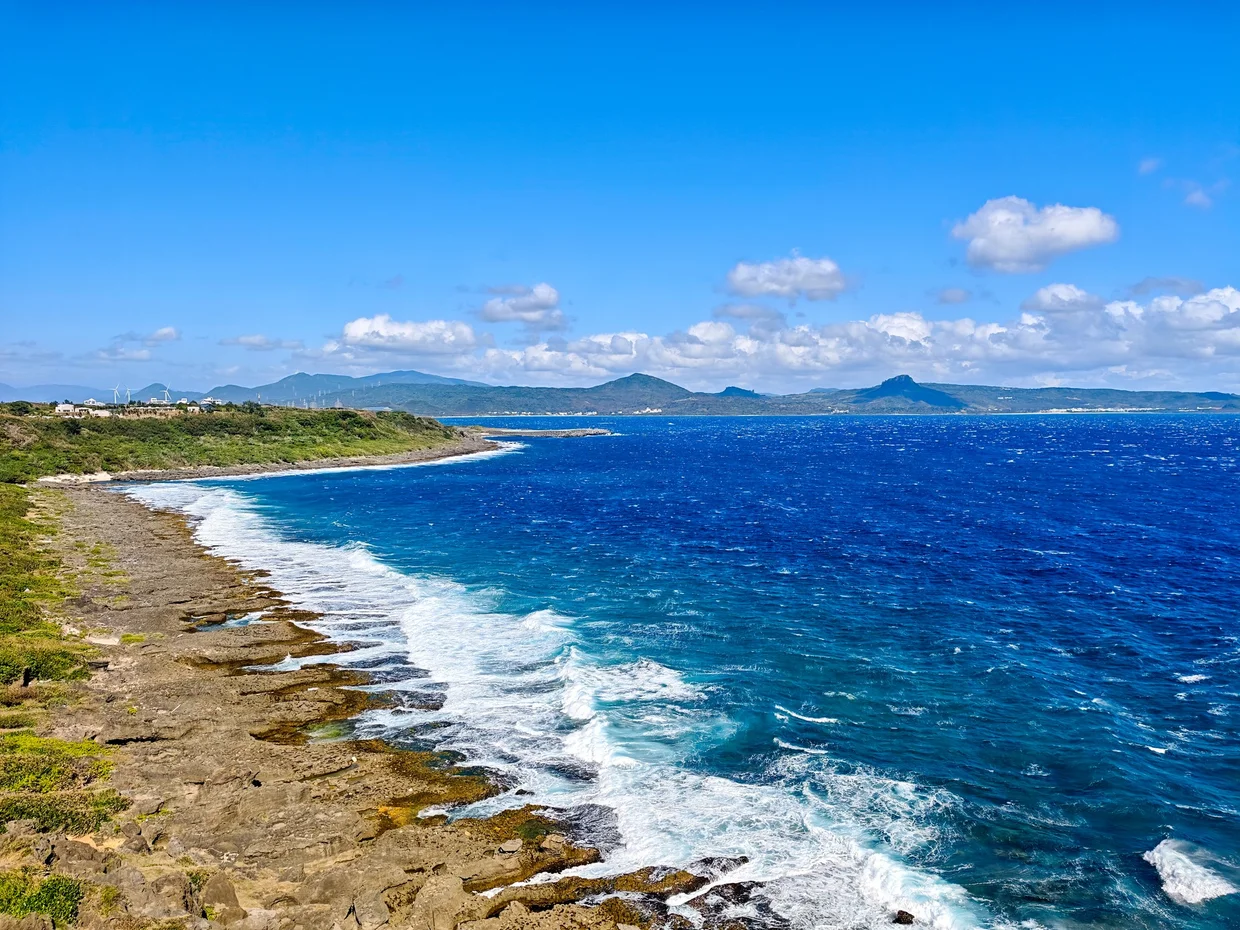
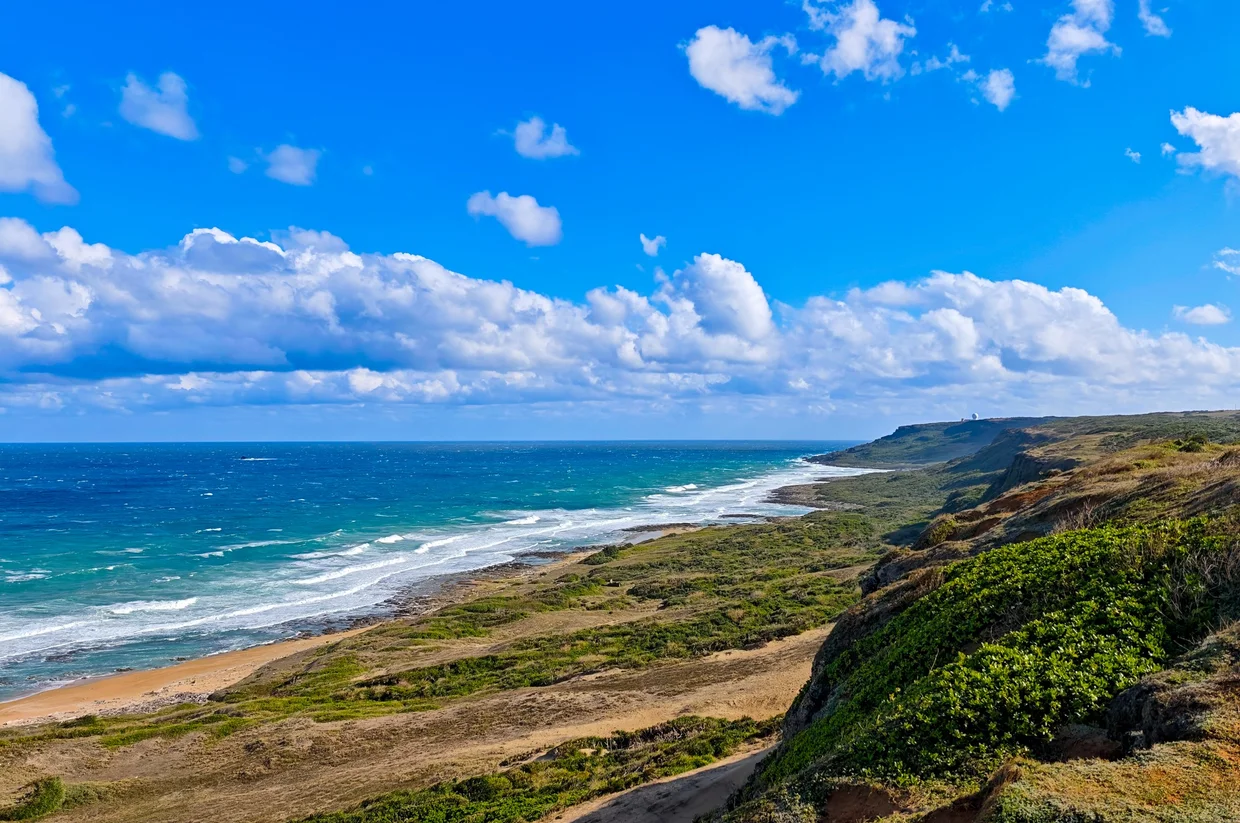
Longpan Park is the other can't miss. A series of grassy bluffs on the eastern coast of Kenting, where the land slopes dramatically down from 100 plus meters to the Pacific. No guardrails, no crowds, no ticket booth. Just wind, grass, and the ocean doing its thing below. This is genuinely one of the most beautiful coastal landscapes I've seen, and it's barely on anyone's radar outside Taiwan.

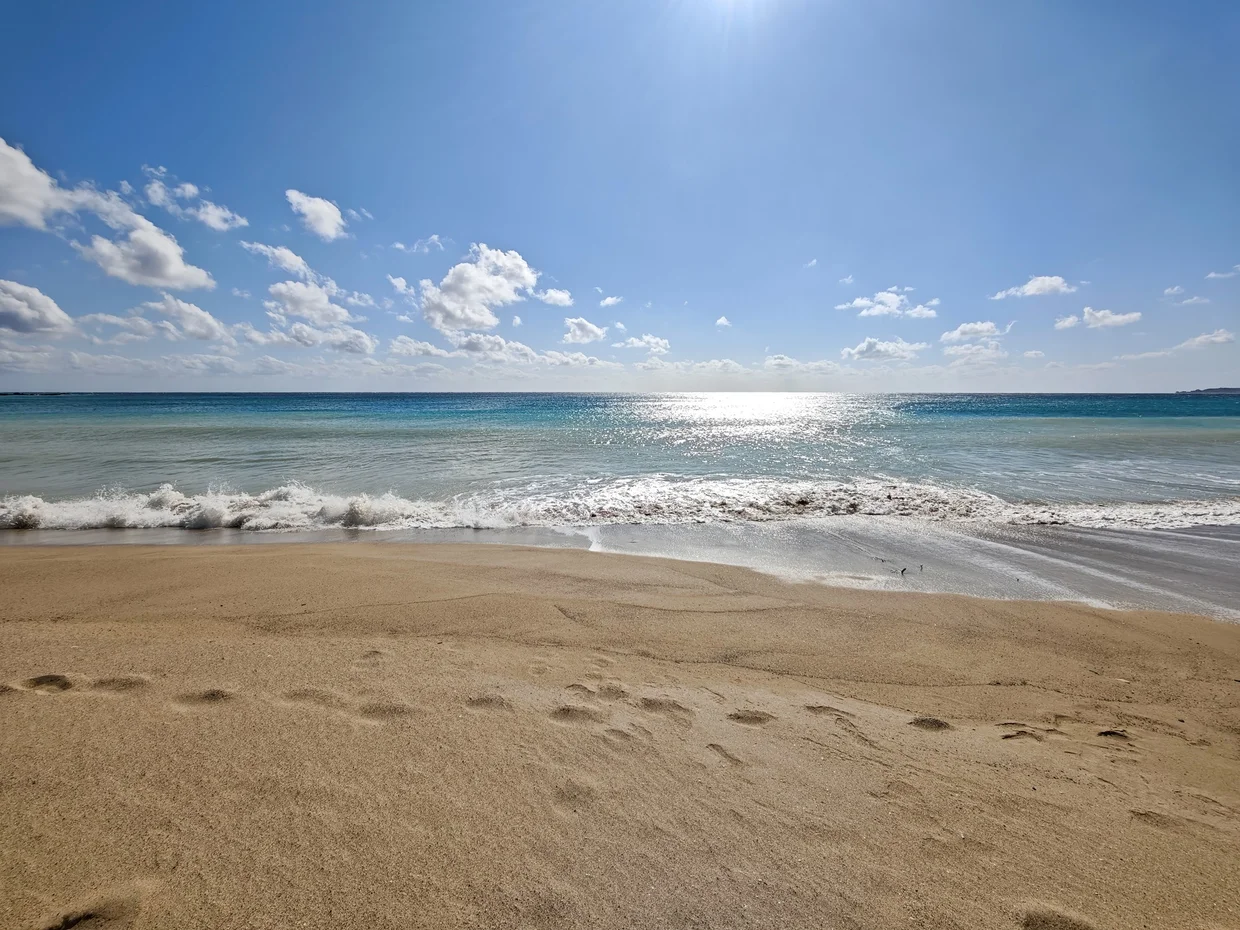
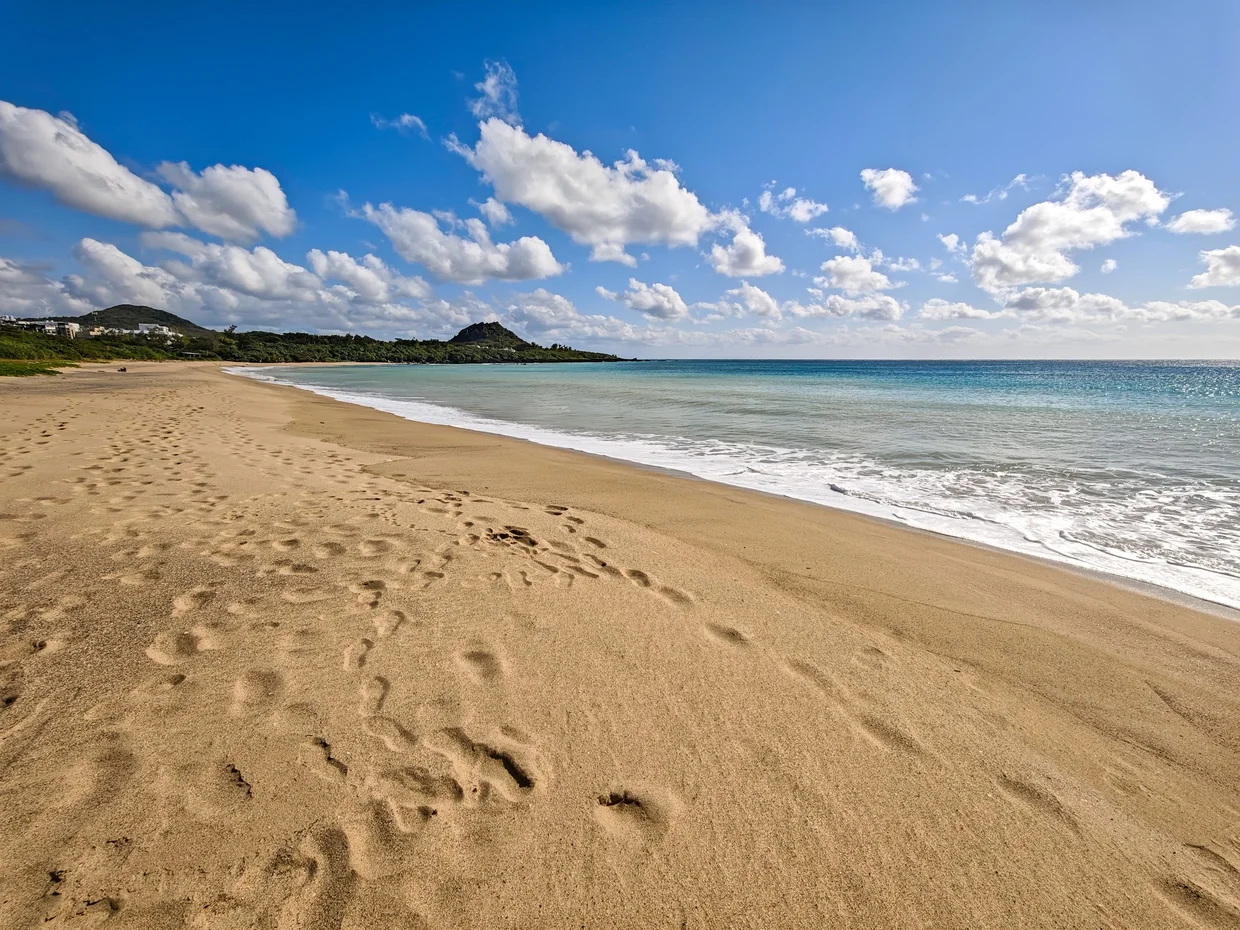
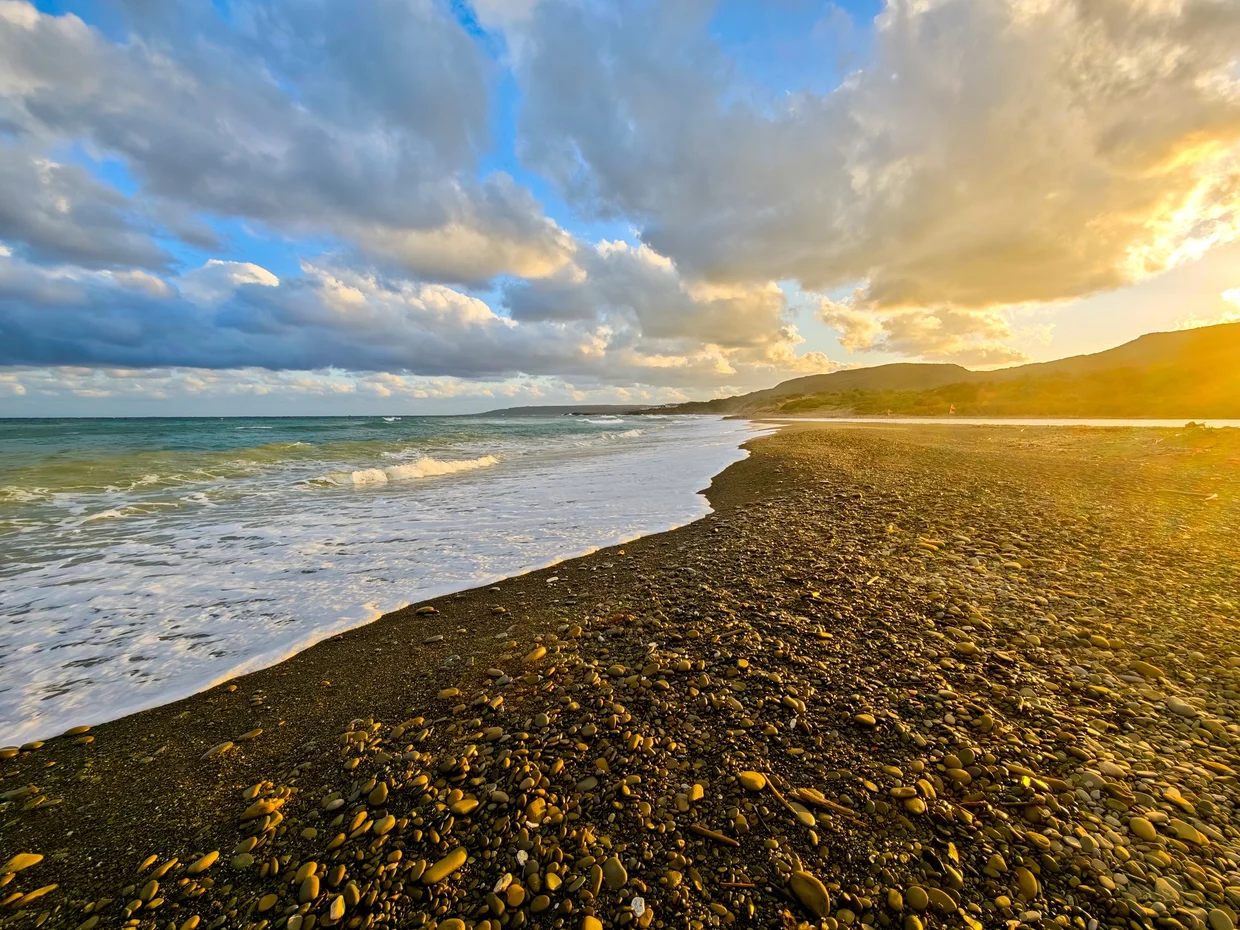
Nanwan (South Bay) is the main swimming beach. Clean sand, decent surf, water that looks like a postcard. It gets crowded on weekends in summer, but on a weekday morning you can have big chunks of it to yourself. Jialeshui further around the east coast has tidepools, sunset rocks, and way fewer people.
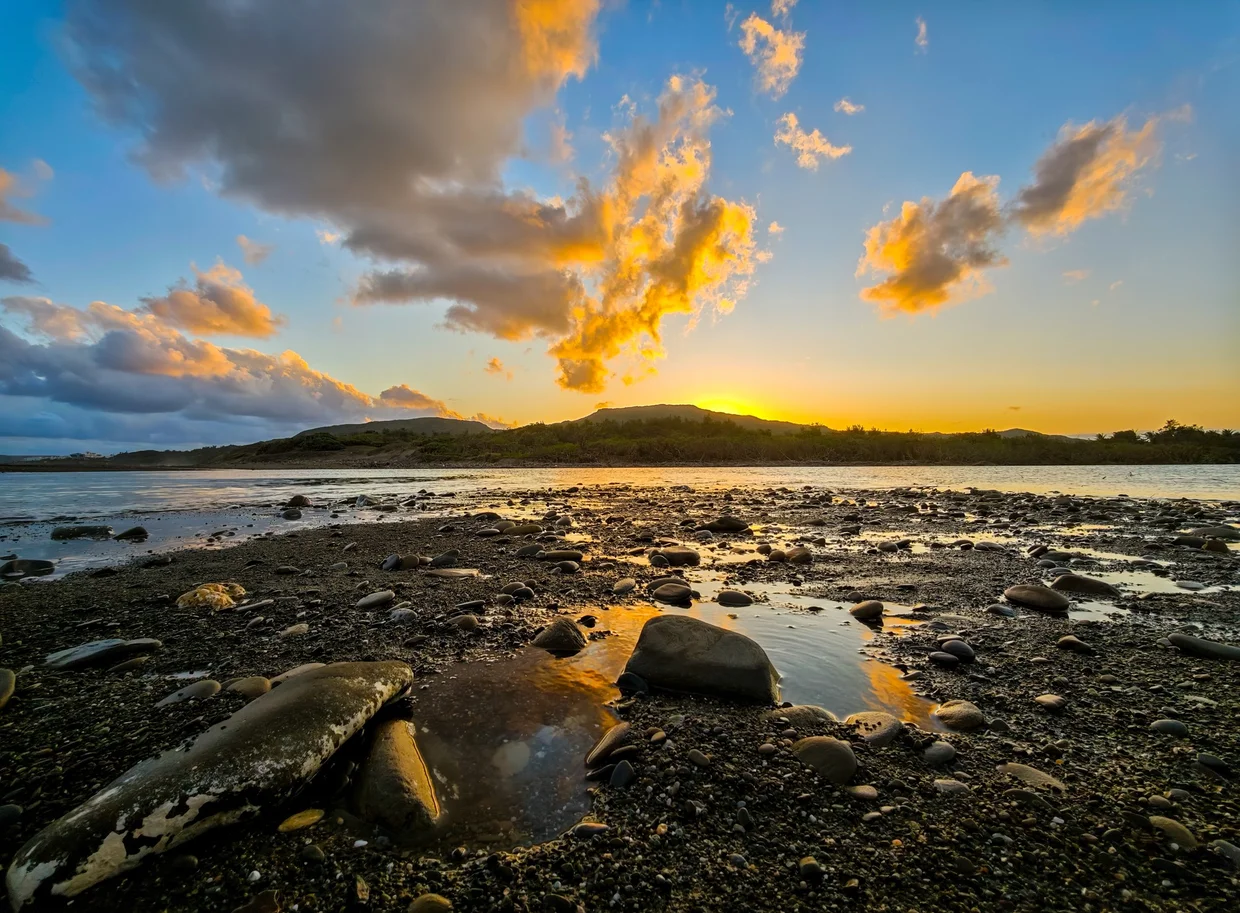
Hengchun town itself is worth a half day. It's one of the best preserved walled towns in Taiwan, with all four Qing dynasty gates still standing. The town center is small, low rise, and full of little restaurants and pepper bun shops if you want a break from scooter riding.
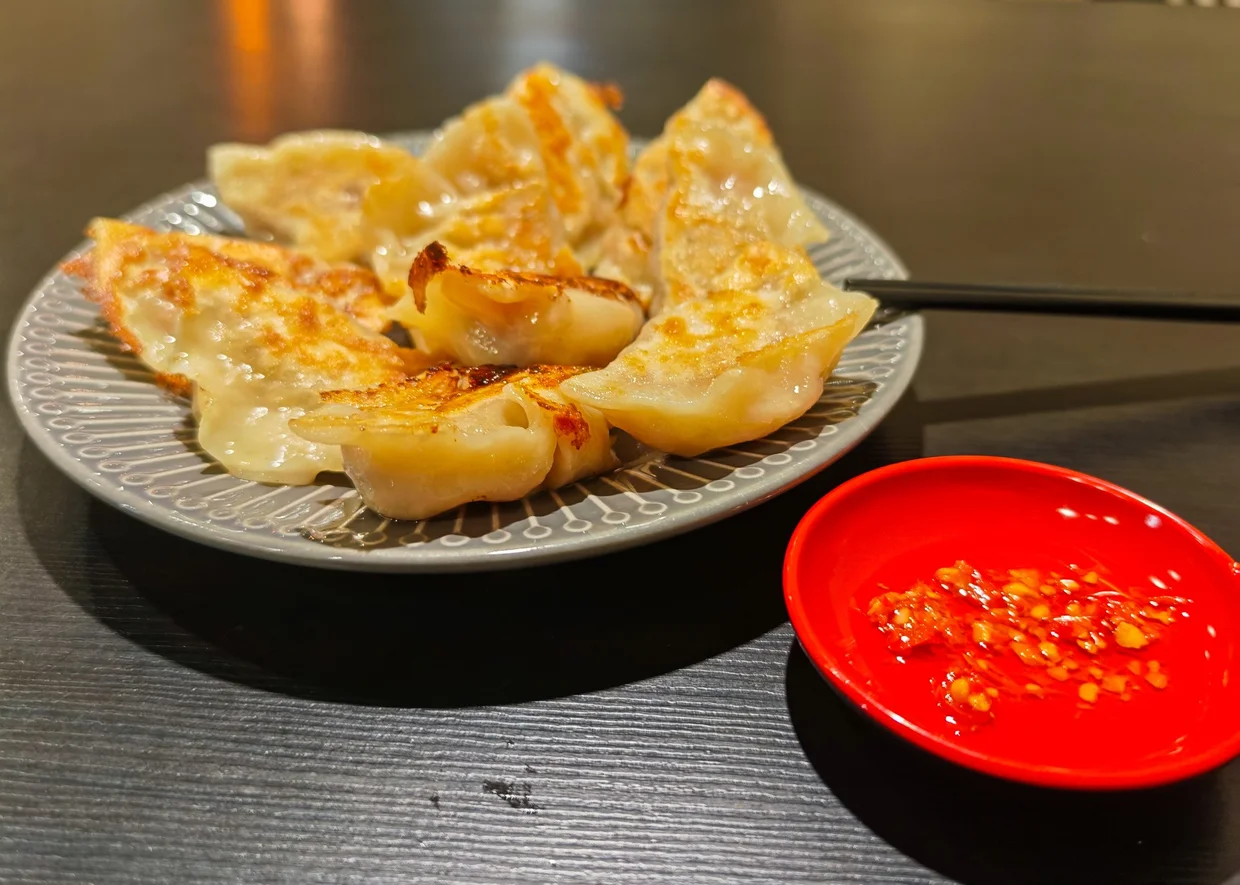
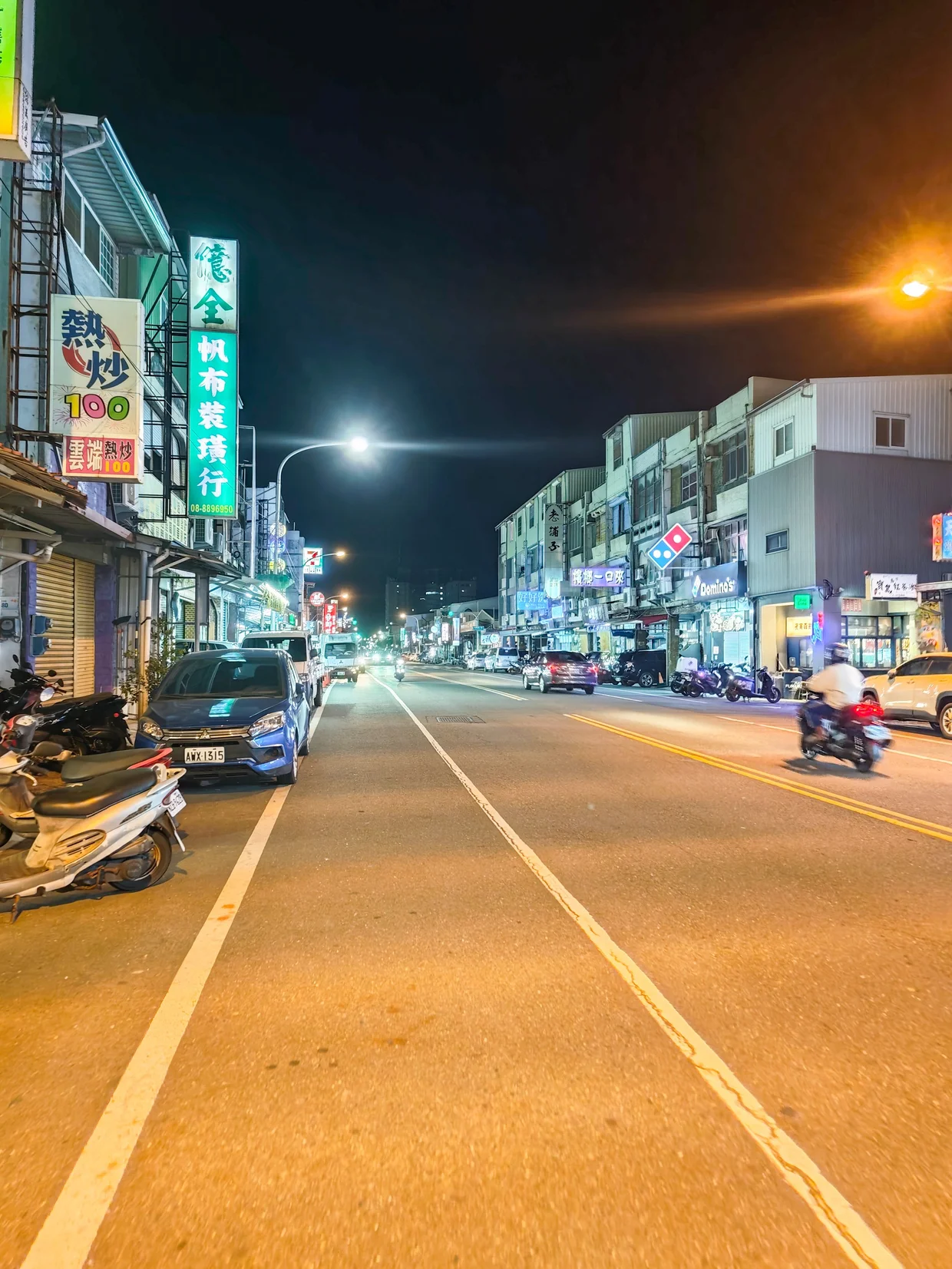
Getting to Kenting isn't as smooth as other parts of Taiwan. There's no train. You take the HSR to Kaohsiung or Zuoying, then a bus (about two hours) or a taxi (faster, more expensive). Once you're there, rent a scooter if you're comfortable on two wheels. The loop road around the peninsula is one of the great drives of Asia, and distances are small enough that you can cover everything in two full days.
Kenting is best from October to April. Summer brings typhoons and intense afternoon heat. Winter is still warm (20°C to 25°C), the water is still swimmable, and crowds drop to almost nothing.
Best Base
Where to Stay
Taipei Center
Taipei is the obvious starting point for most Taiwan trips, and the central neighborhoods of Zhongzheng, Da'an, and Zhongshan are all solid bases. Da'an is my personal pick: tree lined streets, cafes, the best density of restaurants in the city, and MRT access to everything. Zhongshan near Taipei Main Station is practical if you're moving around the country a lot (HSR, TRA, airport MRT all hub here). Xinyi is the flashier modern option, close to Taipei 101 but further from the old city and night markets. Avoid staying too far out: Taipei is big, and the difference between a central hotel and a suburban one is an hour of commute every day. Three or four nights is the right amount of time.
The Northeast Coast
The northeast coast of Taiwan, from Taipei up to Yilan, is a genuinely strange and beautiful stretch of country that most first time visitors never make it to. Misty mountain ridges drop straight into the sea. Old mining towns cling to hillsides. Colored mineral water tints parts of the ocean two different shades. If you have an extra day in Taipei, give it to this region.
Jiufen is the headline, and for good reason. A former gold mining town built on a steep hillside, with narrow stone staircases between old wooden houses, lantern lit teahouses, and views down over the coast that look like a Studio Ghibli frame. Because a lot of people think it was the inspiration for Spirited Away. Hayao Miyazaki has said it wasn't, but the atmosphere matches the movie so well that nobody really cares anymore. Go in the late afternoon. Stay through dusk when the lanterns come on.
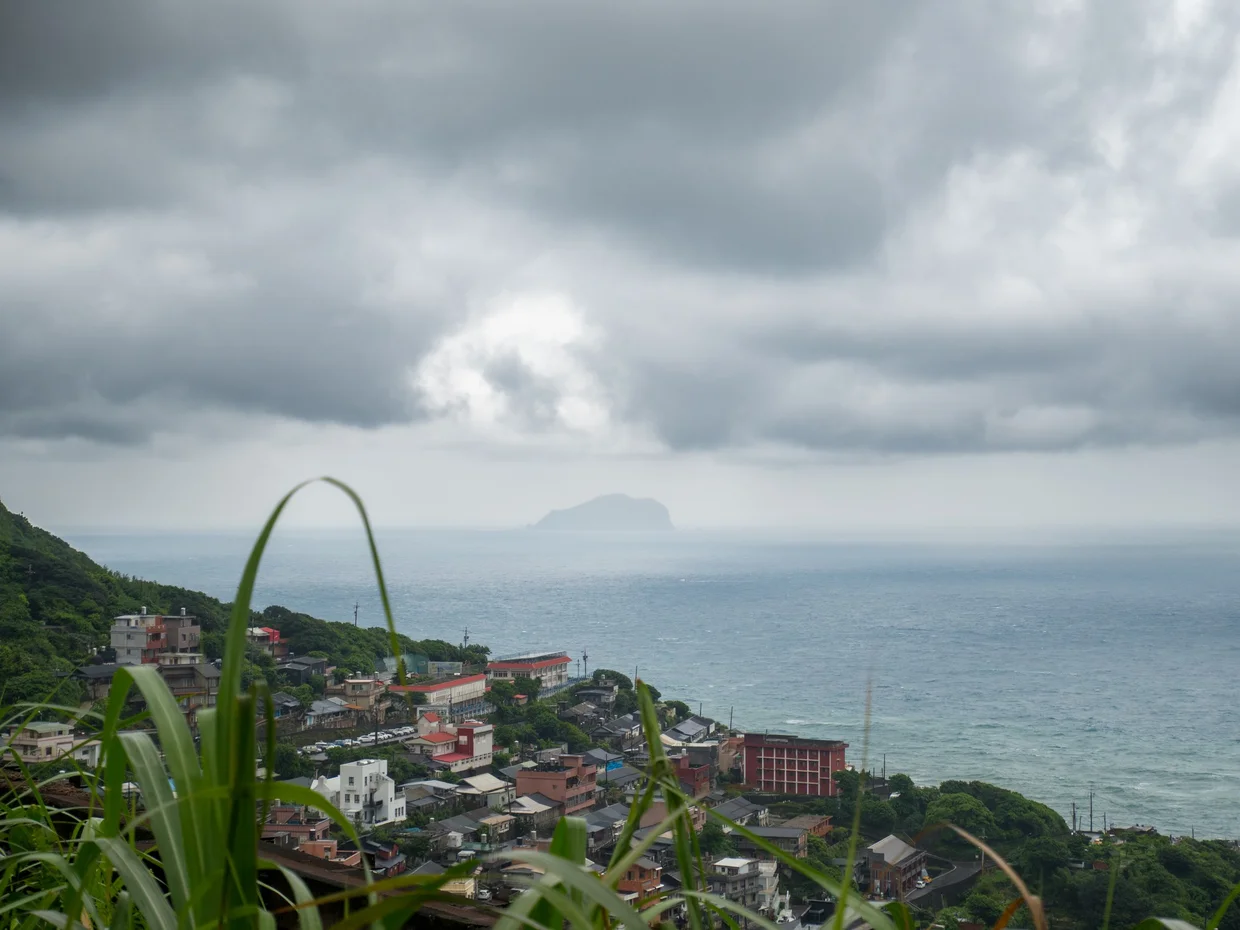
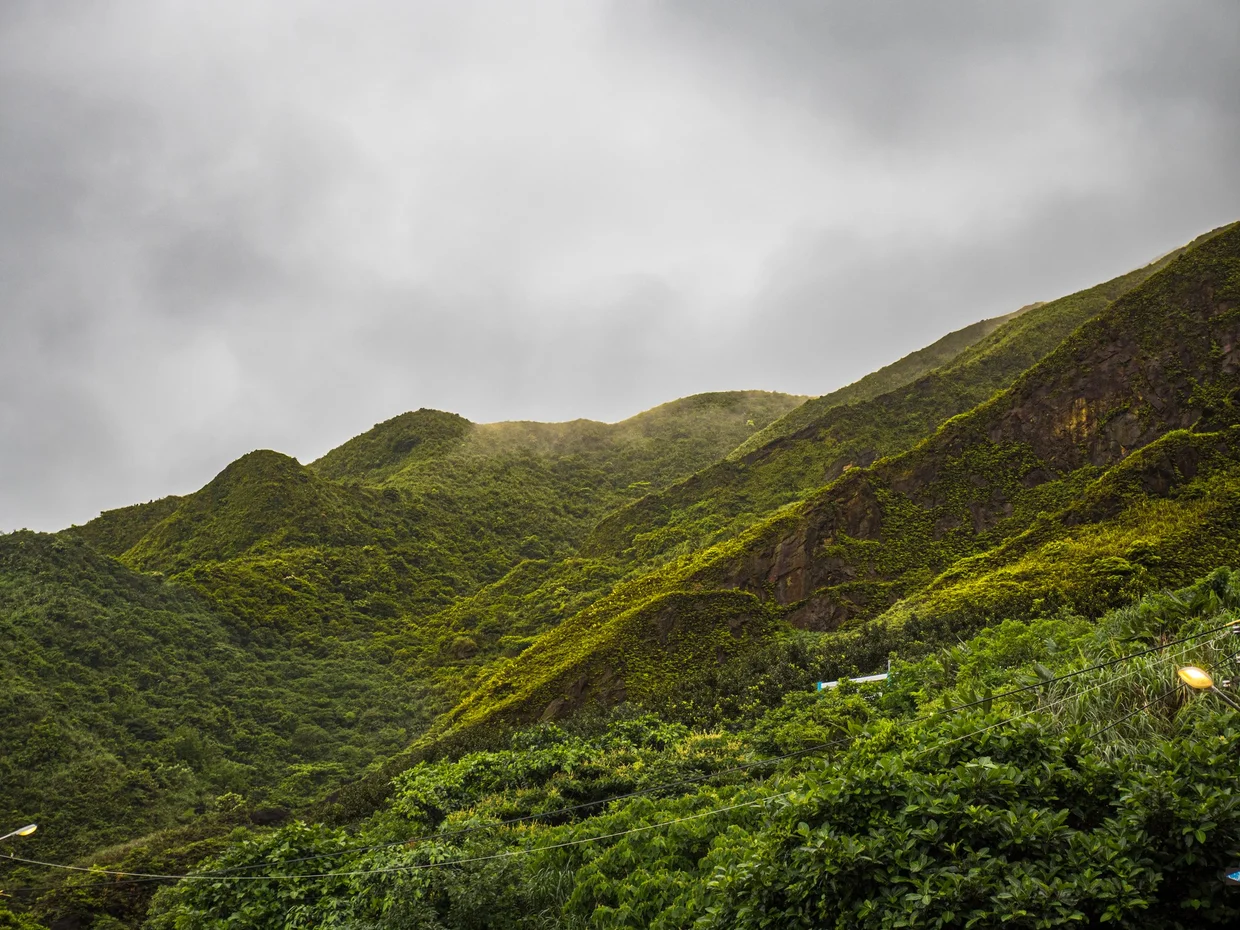
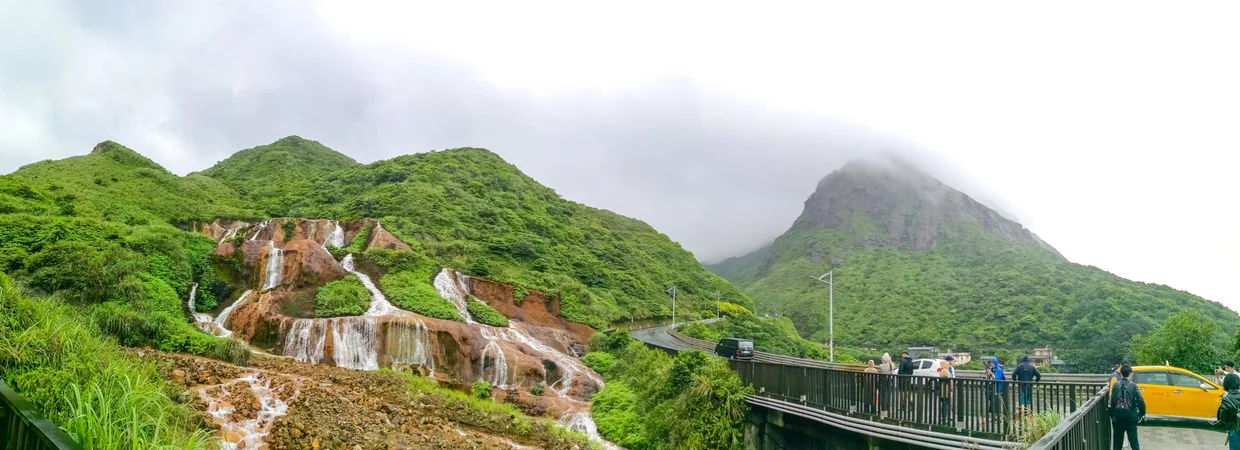
Jinguashi next door has the Gold Waterfall, a rust colored cascade running through old mining tailings. The water is tinted an unreal orange red from iron and copper minerals, and the waterfall drops in terraces down a green hillside toward the sea. A few hundred meters further, the Yin Yang Sea along the coast is another mineral stained water phenomenon: a bay where the river mouth runoff tints half the bay a completely different color from the open ocean. Weird and wonderful.
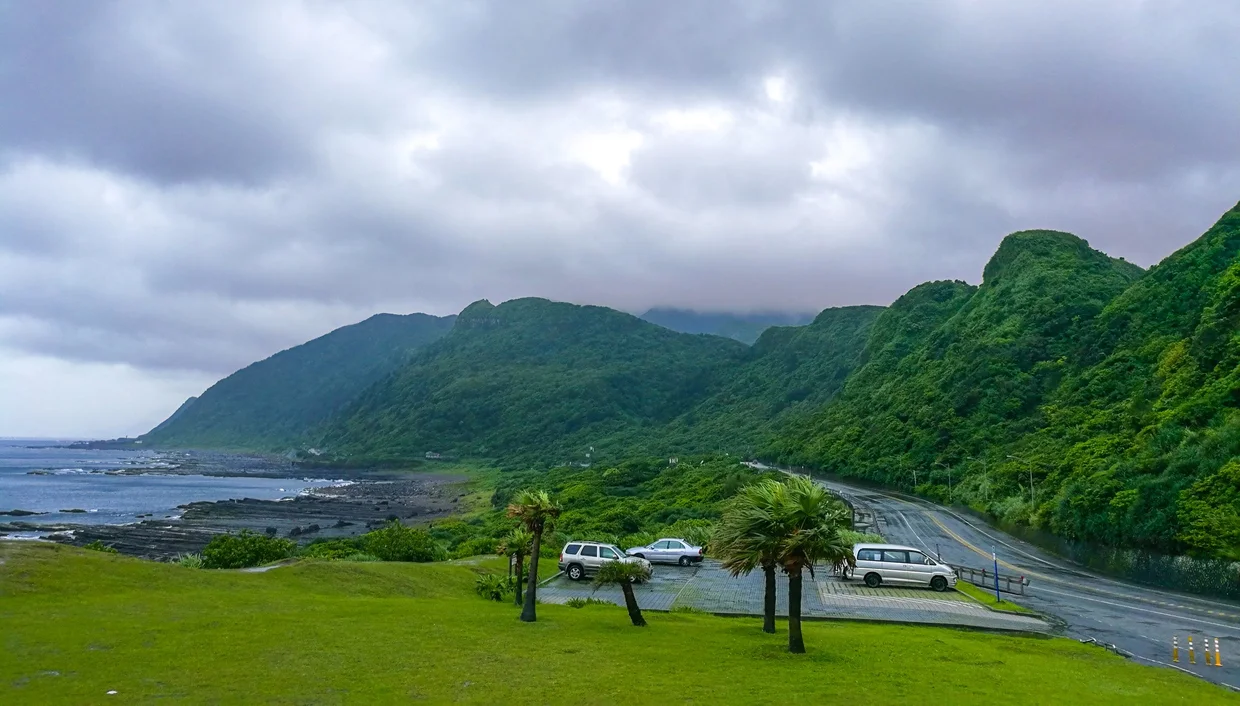
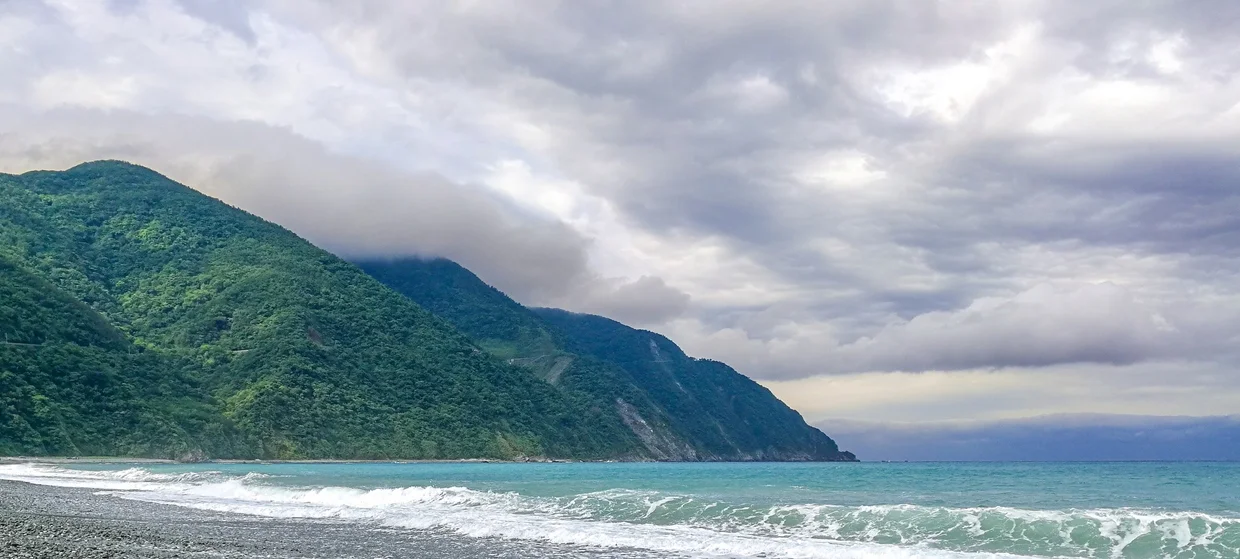
Further south into Yilan, the landscape opens up into the East Rift Valley. Rural, agricultural, mountain backed, and almost entirely skipped by tourists. I spent an afternoon on Dongao Beach, an empty black and grey sand beach backed by steep mountains, and didn't see another foreigner the entire time. It's not a postcard tropical beach. It's something quieter, moodier, and for me more memorable because of it.
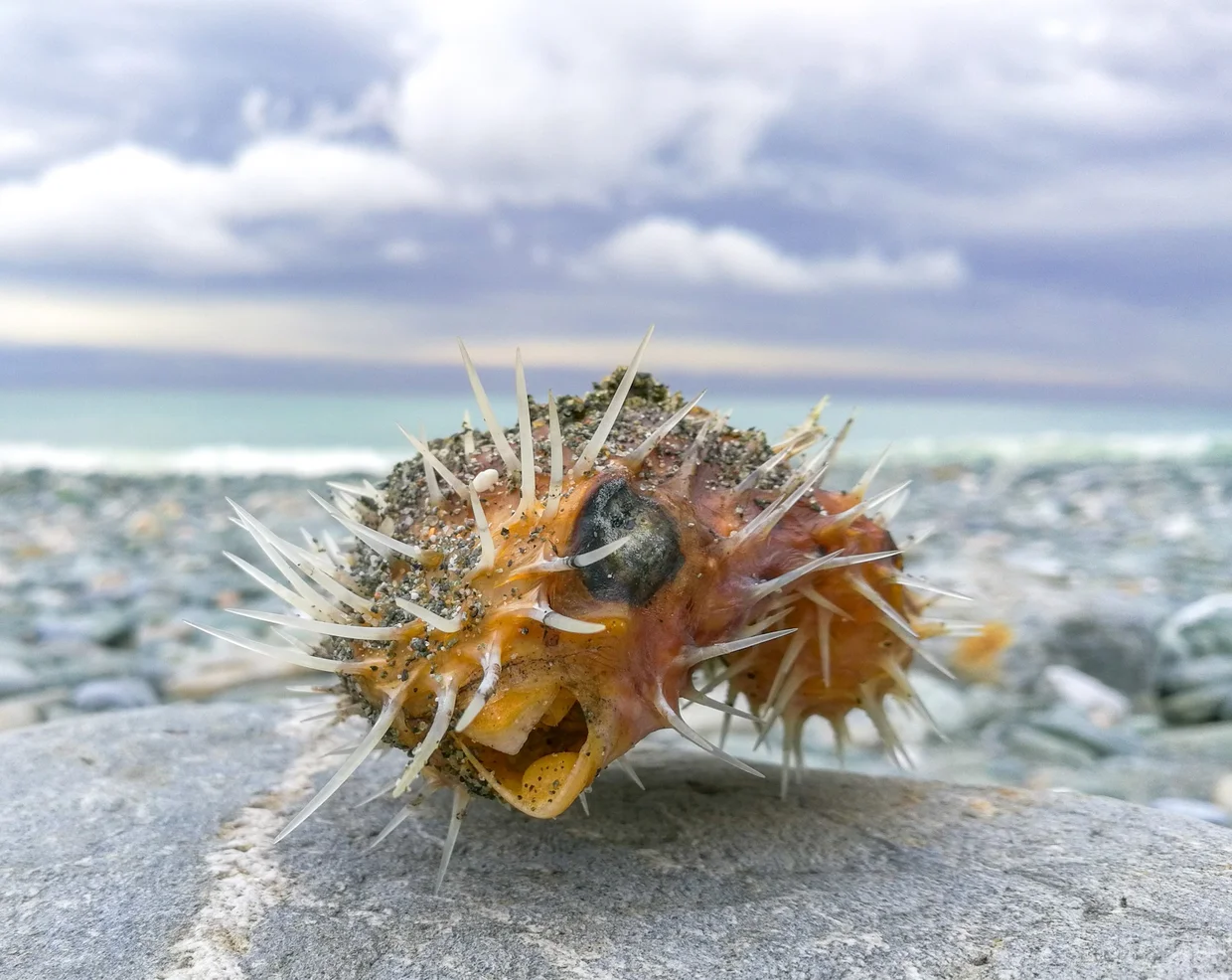
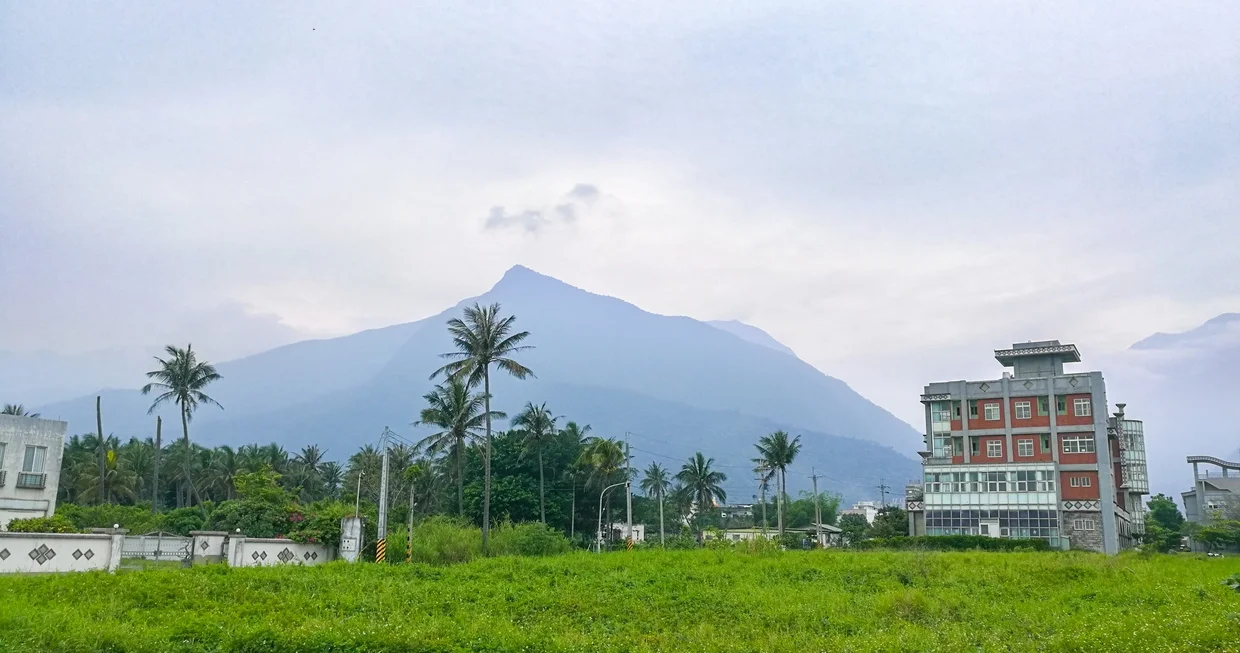
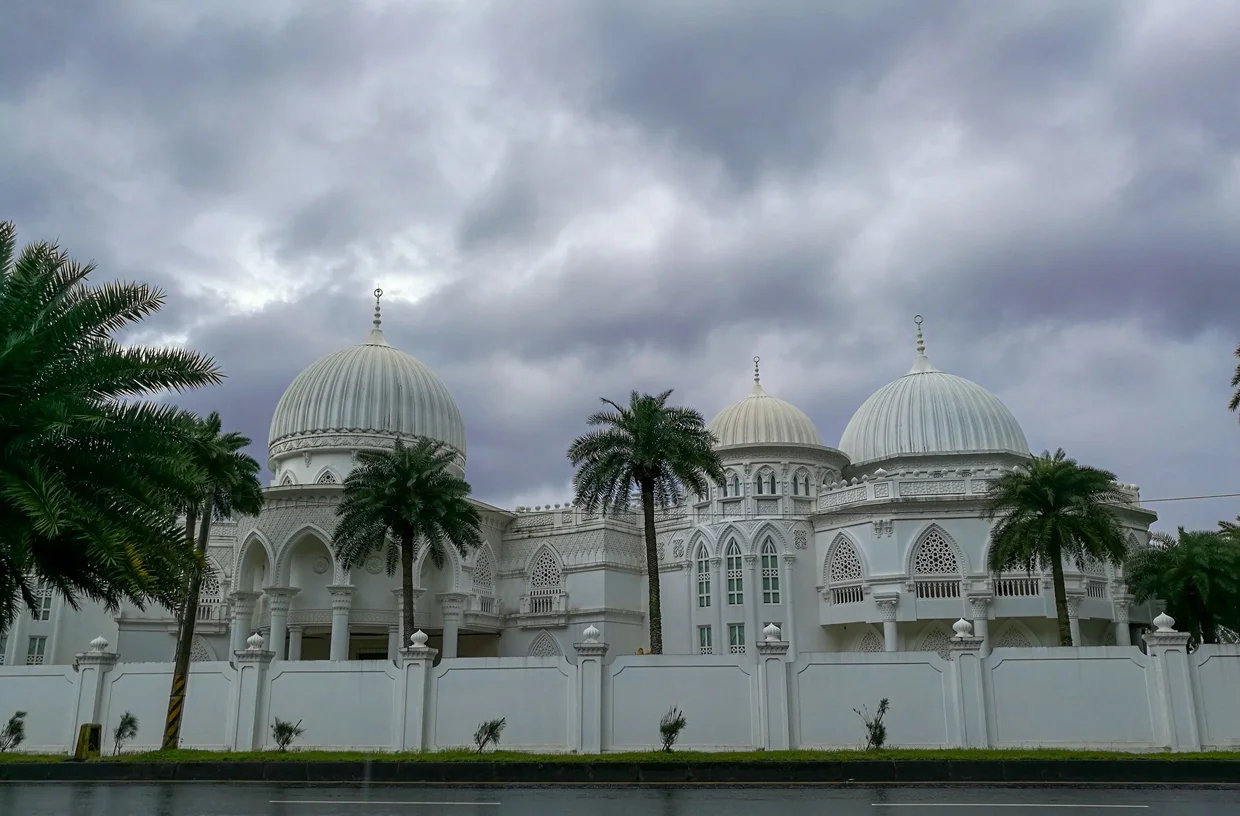
The whole northeast loop from Taipei works as a day trip by tour (easy) or by rental car (more flexible and what I'd recommend). Public transport does reach Jiufen and Jinguashi, but it takes longer and doesn't cover the quieter spots.
What to Do
There are many things to experience, to see and to do in Taiwan. These are my personal highlights.

Taipei 101 and Xinyi District

Taroko Gorge

Pier-2 Art Center
See the full what to do in Taiwan guide.
Food
Taiwanese food is its own thing, not a regional branch of Chinese cuisine. The mix draws from Hokkien, Hakka, Japanese colonial, and indigenous traditions. It's cheap, it's everywhere, and you don't need to plan meals to eat well.
Dishes worth trying once:
- Beef noodle soup — the national dish. Braised beef, hand pulled noodles, rich broth. 150 to 250 TWD almost anywhere.
- Xiao long bao (soup dumplings) — Din Tai Fung started in Taipei. Small neighborhood dumpling shops do them for a fraction of the price.
- Scallion pancakes, pepper buns, oyster omelets — standard street food, easy to find at any night market.
- Stinky tofu — smells worse than it tastes. Deep fried version is the forgiving entry point.
- Bubble tea — invented in Taiwan in the 1980s. Cheaper and generally better than what reached your home country.
Vegan and vegetarian is easy. Taiwan has a strong Buddhist tradition and one of the highest vegetarian populations in Asia. Most neighborhoods have a Buddhist vegetarian cafeteria where you point at what you want and pay by weight (100 to 150 TWD for a full plate). Look for the 素 character or a swastika symbol on shopfronts, both signal vegetarian. 7-Eleven and FamilyMart carry clearly labeled veggie options too.
Tap water is officially potable but most locals filter or boil. Bottled water is cheap and sold everywhere.
Best Time to Visit
Taiwan has two big weather stories going at once. The north is subtropical and wet in winter. The south is tropical and wet in summer. This is great news: there's almost always somewhere in Taiwan where the weather is cooperating. The trick is matching your trip to the right region.
October to April is the sweet spot for most trips. Cool to mild weather in the north, warm and dry in the south, clear skies in the mountains, and crowds that haven't fully shown up yet. November through March is my personal favorite window. You'll want a light jacket for Taipei evenings. You might still swim in Kenting.
I've been in spring and in winter, and both work for different reasons. Spring is the easier sell: comfortable mornings and evenings, dry most days. But midday can get surprisingly hot, especially in the south, so plan your heavier walking around the edges of the day. Winter is colder than people expect. Exposed coastlines (the northeast, Kenting's east side) get windy and chilly, and the central mountains can drop near freezing. The payoff is emptiness. Places that would be packed in October are nearly yours alone in January, which changes the feel of the trip completely.
May to September is typhoon season. Not every summer produces a major typhoon, but the risk is there from July through September, and it can disrupt flights, close trails, and shut down the east coast for days at a time. If you're going in summer, book refundable accommodation and stay flexible. The upside: green everywhere, waterfalls at full flow, cheaper prices.
The northeast coast and Taipei get wet in winter. It's not constant rain, but November through March has more drizzle and cloud cover than the rest of the country. It adds atmosphere to Jiufen (which is almost better in the mist) but can make Taipei feel grey for days. Pack a light waterproof shell.
The central mountains (Alishan, Hehuanshan) can snow in winter. Which surprises people. If you're going up high between December and February, bring real layers. Day trips from Taipei stay mild; the alpine areas are a different climate.
Lunar New Year (late January or February) is the one time to genuinely consider avoiding. A lot of shops close, trains and flights are packed, prices go up. The Lantern Festival that follows a couple of weeks later is the opposite: one of the best things you can witness in Taiwan if you time it right.
Preparation
Get an EasyCard on arrival. This is the one thing that unlocks Taiwan. A rechargeable stored value card for MRTs, buses, trains (regular and some express), convenience stores, vending machines, and even many taxis. You can buy one at any MRT station, 7-Eleven, or FamilyMart. Cost is 100 TWD for the card plus whatever you top up. Use it for literally everything.
SIM card or eSIM. Buy a SIM at the airport from Chunghwa Telecom, Taiwan Mobile, or Far EasTone. Unlimited data for 10 days costs around 500 TWD. eSIMs work too if your phone supports them. Coverage across the island is excellent, even in the mountains.
Download Google Maps offline and translate. Taiwan's English signage is better than many Asian countries, but menus and small shops are often Chinese only. Google Translate with the camera function is your friend. Offline maps help in Taroko and the east coast where signal dips occasionally.
Cash still matters. Card acceptance has improved but many night market stalls, small restaurants, and local shops are cash only. ATMs are everywhere, most accept foreign cards, and 7-Eleven ATMs are reliable. Withdraw larger amounts less often; fees stack up.
Book HSR tickets in advance for discounts. Early Bird and Standby fares can get you up to 35% off if you book 8 to 28 days ahead. The official Taiwan High Speed Rail site handles foreign cards. For regular TRA trains (for Taroko/Hualien), book on the TRA website or through an agent; weekend trains to the east coast sell out.
Weather apps and typhoon tracking. If you're traveling in summer, install the CWA (Central Weather Administration) app. It tracks typhoons in real time and gives early warnings.
Know about earthquakes, briefly. Taiwan sits on a fault line. Small tremors happen. Big ones are rare but possible. Modern buildings are extremely well engineered for this. If you feel one, drop, cover, hold on. Phones receive emergency alerts automatically.
Bring a light backpack. You'll carry it around every day. Water, camera, a shell, snacks. Walking distances in cities are manageable but constant.
Know Before You Go
A few small things that make a trip to Taiwan noticeably smoother. Here are the first four, the full list covers 24.
- 1
It feels (and is) incredibly safe
Violent crime against visitors is almost nonexistent. You can walk anywhere at any hour, leave a laptop on a cafe table while you go to the... - 2
Perfect for solo travel
The safety, English signage in cities, welcoming hostel scene, and calm nightlife make Taiwan one of the easiest countries in Asia to travel... - 3
The most LGBTQ-friendly place in Asia
Taiwan legalized same sex marriage in 2019, the first country on the continent to do so. The Red House area in Taipei is an established... - 4
It's very green, tropically green
Taiwan is more jungle than you would guess from the city skylines. Mountains cover roughly two thirds of the island, and even the suburbs...
Read the full know before you go Taiwan guide.
Customs and Etiquette
Tipping is not expected. Service charge is sometimes added at fancy restaurants (10%), but otherwise, don't tip. The staff may chase you down to return the change. This isn't rudeness. It's just how it works.
Take off your shoes. Before entering someone's home, many temples, and some traditional style restaurants and teahouses. Watch for a shoe rack or change of slippers near the entrance.
Queuing is sacred. Taiwanese people queue for everything, patiently, in orderly single file. On MRT platforms, at night market stalls, outside ramen shops. Cutting the line isn't a minor faux pas. It's genuinely offensive.
Don't stick chopsticks upright in rice. Resembles incense sticks at a funeral. Universal in East Asia, same rule here.
Giving and receiving with two hands. Business cards, money, gifts, passports. Using both hands (or the right hand gently supported by the left) shows respect, especially with older people.
Pointing at temples and photography. Photography is usually fine inside temple courtyards, not always inside the main halls. Look for signs. Don't point with a single finger at deity statues or use flash on them. Take cues from what locals do.
Taiwan is politically sensitive about naming. Calling Taiwan a country is fine and correct from a practical perspective. Be aware that conversations about China, independence, and reunification get complicated fast, and many Taiwanese have nuanced views. Ask questions if you're curious, but don't lead with political statements.
Apologize if you bump into someone. People bow slightly and say "sorry" ("bu hao yi si") constantly for small things. It's the social glue. A little goes a long way.
Visa
Taiwan has one of the most generous visa policies in Asia for passport holders from Western countries. As of early 2026, citizens of the EU, UK, US, Canada, Australia, New Zealand, Japan, South Korea, and many others can enter visa free for up to 90 days. That's not a typo. Ninety days.
You need a passport valid for at least six months and a proof of onward travel (a return or onward flight). The entry is granted on arrival, no application, no fee.
Longer stays are possible through extensions or specific visa categories (work, study, visitor visa). The 90 day visa free is non extendable inside Taiwan in most cases, so if you want to stay longer, you need to plan a visa run (to Okinawa is the classic) or apply for a proper visa before arrival.
Arriving at Taoyuan or Kaohsiung airports is straightforward. E-gates are available for some nationalities after your first entry. No weird fees, no stamps missing, no drama. The immigration process is one of the smoothest I've experienced anywhere.
One thing worth noting: Taiwan has its own rules about certain medications. Some common prescriptions (ADHD stimulants, strong painkillers) require advance permits. If you carry prescription meds, check Taiwan's FDA site before you fly.
Getting Around
Rent a car. This is my default recommendation for Taiwan, and it surprises people who assume the trains do everything. They don't. Trains connect the big west coast cities well, but almost everything that makes Taiwan special (Taroko, the northeast coast, Alishan, Kenting, the east coast south of Hualien, the rural valleys) is either out of reach or annoying to string together without your own wheels. A car opens the country up. Major rental companies (Chailease, Hotai, Europcar, Hertz) operate at airports and HSR stations. Automatic compact cars run around 1,500 to 2,500 TWD per day with insurance.
Driving in Taiwan
Driving here is genuinely easy. Roads are in excellent condition, including deep into the mountains and out along the east coast where you'd expect rough surfaces and don't get them. Signage on major routes is bilingual. Locals drive assertively but not aggressively. Scooters weave everywhere in the cities, so leave extra space, but on highways and rural roads it's straightforward.
The catch is the geography. Taiwan is long and narrow, with a spine of mountains running down the middle. Getting from north to south along the west coast is quick: the Sun Yat-sen Freeway (National Highway 1) runs Taipei to Kaohsiung in about four hours if traffic cooperates. The east coast is similarly fast on its own. But crossing the central mountains is another story. The gorge highways (Central Cross Island, Southern Cross Island, and the Suhua Highway along the east coast cliffs) are stunning drives but slow. Heavy trucks dominate the lanes, the roads twist constantly, and overtaking opportunities are rare and short. What looks like a 120 km drive on the map can easily take four to five hours. Plan mountain crossings as their own day, not as a leg of something bigger.
Fuel is cheap (about 30 TWD per liter). Parking is generally available and cheap outside Taipei and Kaohsiung city centers, where it gets tight. Toll roads are automatic via the eTag system, which rental agencies handle for you and bill at the end.
You need an International Driving Permit (IDP) plus your home country license. Get the IDP before you fly; it can't be issued in Taiwan.
Trains, metros, and the rest
The High Speed Rail (HSR) is excellent if you're sticking to the west coast cities and want a car-free trip. It runs Taipei to Kaohsiung (Zuoying station) in about 90 minutes. Clean, frequent, almost always on time. Full fare is around 1,500 TWD, less with Early Bird discounts.
Regular trains (TRA) cover the east coast, where there's no HSR. Taipei to Hualien (for Taroko) runs along the coast in two to three hours. Weekend trains sell out; book ahead.
MRTs in Taipei and Kaohsiung are clean, cheap, English signed, and run until around midnight. EasyCard works on both. Kaohsiung also has a light rail that loops the harbor area.
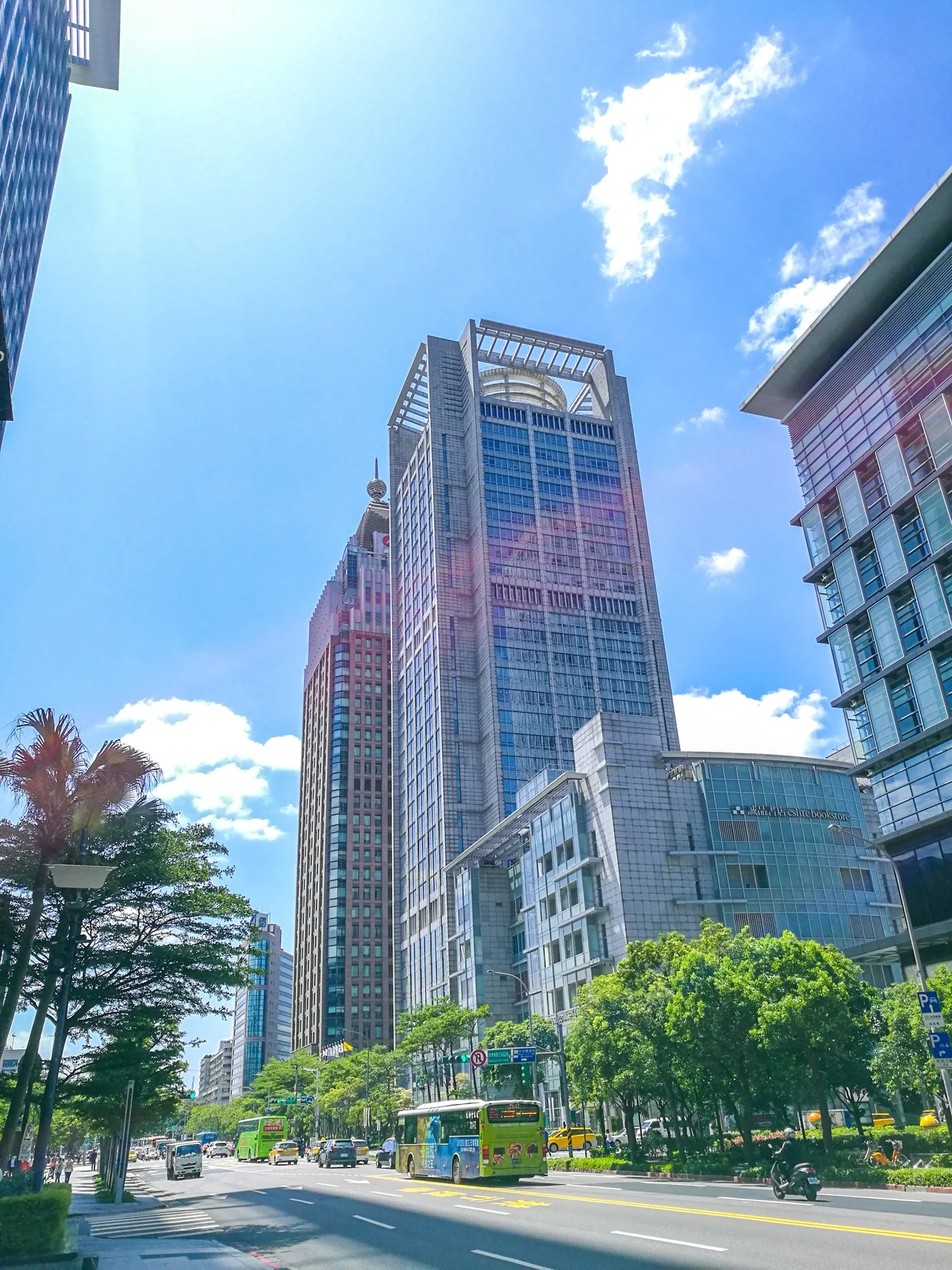
Intercity buses (Kamalan, Ubus) cover what trains don't, including the run to Kenting from Kaohsiung. Fine if you're not driving, slower than you'd hope if you are.
Scooters are the local way in smaller towns and on Kenting's peninsula. You need an IDP plus a local endorsement in theory; in practice some rental shops stretch this. Traffic is busy, accidents are common, insurance is limited. If you've never ridden a scooter, Taiwan is not the place to learn.
Uber works in all major cities, priced comparably to taxis and easier across the language barrier. Regular taxis are metered and honest; Google Translate's conversation mode covers the rest.
Domestic flights are mostly only useful for outlying islands (Kinmen, Matsu, Penghu, Orchid Island, Green Island). On the main island the HSR beats flying door to door.
Costs
Taiwan is noticeably cheaper than Japan or Singapore and slightly more expensive than Vietnam or Thailand. It's the sweet spot: you can travel comfortably without watching every dollar, and splurging still doesn't hurt.
The prices shown here are meant as a rough guide and can vary over time. While I update exchange rates regularly, local prices are typically refreshed only when I revisit the destination.
The biggest way to blow a budget in Taiwan is drinks at cocktail bars (Taipei has excellent but expensive bars) and high end hotels. Everything else stays reasonable. Local meals rarely cross 500 TWD even at sit down restaurants.
Travel Tips for Taiwan (Before You Go)
Plan the essentials before your trip to Taiwan, including plug types, SIM or eSIM options, and travel insurance coverage.
Plug Check
Do you need a plug adapter?
Compare your home sockets with Taiwan before you go.
110V and Type A/B sockets
ESIM
Land with data already working
Set up mobile data before arrival so maps, rides, and messages work the moment you land.
eSIM or physical SIM?
Airport SIMs from Chunghwa Telecom or Taiwan Mobile are cheap, fast, and come with unlimited data for the length of your stay. An eSIM works fine too if your phone supports it.
Read the SIM vs eSIM guideTravel Insurance
Sort coverage before you need it
Medical costs and trip disruption are easier to handle when you're covered
Safety and Health
Taiwan is one of the safest countries I've ever traveled in. The Global Peace Index puts it consistently in the top 40, and the feel on the ground backs that up. Violent crime against tourists is very rare. Scams are uncommon. Women travelers report feeling comfortable walking alone at night in ways they don't in many other countries. That said, there's a small list of practical things worth knowing.
Solo Travel and Crime
Solo travel in Taiwan is genuinely easy. Taipei, Kaohsiung, Tainan, and most of the country are walkable, well lit at night, and have consistent police presence. Hostels and guesthouses are common and welcoming to solo travelers.
Petty theft exists but is rare. Don't leave a phone unattended on a cafe table overnight (which happens more than you'd expect here), but you don't need the paranoid vigilance of Barcelona or Rome. Pickpocketing in packed night markets is possible if you're careless. A zipped crossbody bag handles it.
Scams are almost nonexistent. The taxi meter scam and gem shop tuk-tuk scam common in Southeast Asia basically doesn't happen in Taiwan. Taxi drivers use the meter without being asked. ATMs work. Prices are what they say on the sign.
Nightlife is relaxed. Taipei's bar scene (Xinyi, East District, Da'an) is calm. Kaohsiung's harbor bars are easygoing. Keep an eye on your drink the way you would anywhere. Standard precautions apply.
LGBTQ+ travelers. Taiwan legalized same sex marriage in 2019, the first country in Asia to do so. Taipei's Red House area is an established LGBTQ+ nightlife hub. Public life is visibly inclusive, especially in the cities.
Health and Environment
Beyond routine vaccines, Hepatitis A/B is worth having for anyone traveling widely, and Japanese encephalitis is worth considering if you'll be spending real time in rural areas or rice growing regions in summer, when mosquitoes carry the virus. Taiwan is a dengue risk in the south (Kaohsiung, Tainan) during summer, but cases are rare; repellent at dawn and dusk handles it. Tap water is officially drinkable but most locals boil or filter it; bottled and filtered water is widely available.
Typhoons are the main seasonal hazard, July through September. Domestic transport shuts down during active typhoons, east coast attractions close, and the government issues work and school suspensions. Monitor the CWA app and your flights.
Earthquakes happen. Taiwan's infrastructure is extremely well built for them, but standing in a narrow alley with old buildings during a big shake is not ideal. Stay calm. Move away from windows. If you're indoors in a modern building, drop and cover. If you're outdoors, stay outdoors and move to an open area.
Summer heat and humidity are no joke, especially in Kaohsiung and the south. Midday sun in August can push 38°C with 80% humidity. Plan outdoor activities for early morning or late afternoon, carry water, and use shade.
Air quality can drop in parts of Taiwan, particularly Kaohsiung during certain winter weeks and around agricultural burning seasons in the west. Not as bad as mainland China but worth checking the AQI app if you're sensitive.
Hospitals are excellent and cheap. Taiwan's healthcare system is consistently rated among the best in the world. Emergency care at any hospital is available to tourists, often for a fraction of Western prices. Travel insurance is still smart, but you won't face financial ruin from an emergency room visit.
Published April 2026.