Baltic Countries Travel Tips
The Baltics are three of the easiest countries in Europe to travel, but a handful of small things make the first day or two noticeably smoother. Three languages you won't learn, one taxi app that works everywhere, mosquitos that will hunt you in bogs, and one Riga bar scam that's worth knowing about before a stranger hands you a flyer. Skim it before you fly and you'll land feeling like you already know the region.
They're three countries, not one
Lithuania, Latvia and Estonia share a coastline, a climate, and half a millennium of shared history, but they are three separate countries with three separate languages, currencies-that-are-all-the-euro-but-still, and national characters. Treat them as a region, not a single country, and you'll get a lot more out of the trip.
All three are extremely safe
EU, Schengen, NATO, and consistently near the top of European rankings for low crime and low violence. You can walk Vilnius, Riga or Tallinn at midnight. Mountain and rural areas are calmer still. For the broader picture, the travel safety primer covers the habits that matter everywhere.
Tap water is drinkable everywhere
All three countries have excellent tap water, including in small towns and rural areas. Bring a reusable bottle. Save money, save plastic, don't overthink it.
The euro is everywhere
All three countries use the euro, all three are in Schengen, and internal borders are completely open. You don't change money, you don't show passports, you don't re-think prices. Cards work almost everywhere except a few small rural places where cash is still useful.
Bolt is the taxi app that works in all three
Cheap, reliable, and honest across Vilnius, Riga, Tallinn and most secondary cities. Uber barely exists here. Bolt also runs e-scooters, bike rentals and food delivery in the capitals. Install before you fly.
Power and plug adapter
Baltic Countries runs on 230V power with Type C/F sockets. Pick your home country to see if you need a travel adapter.
Rent a car if you want anything outside the capitals
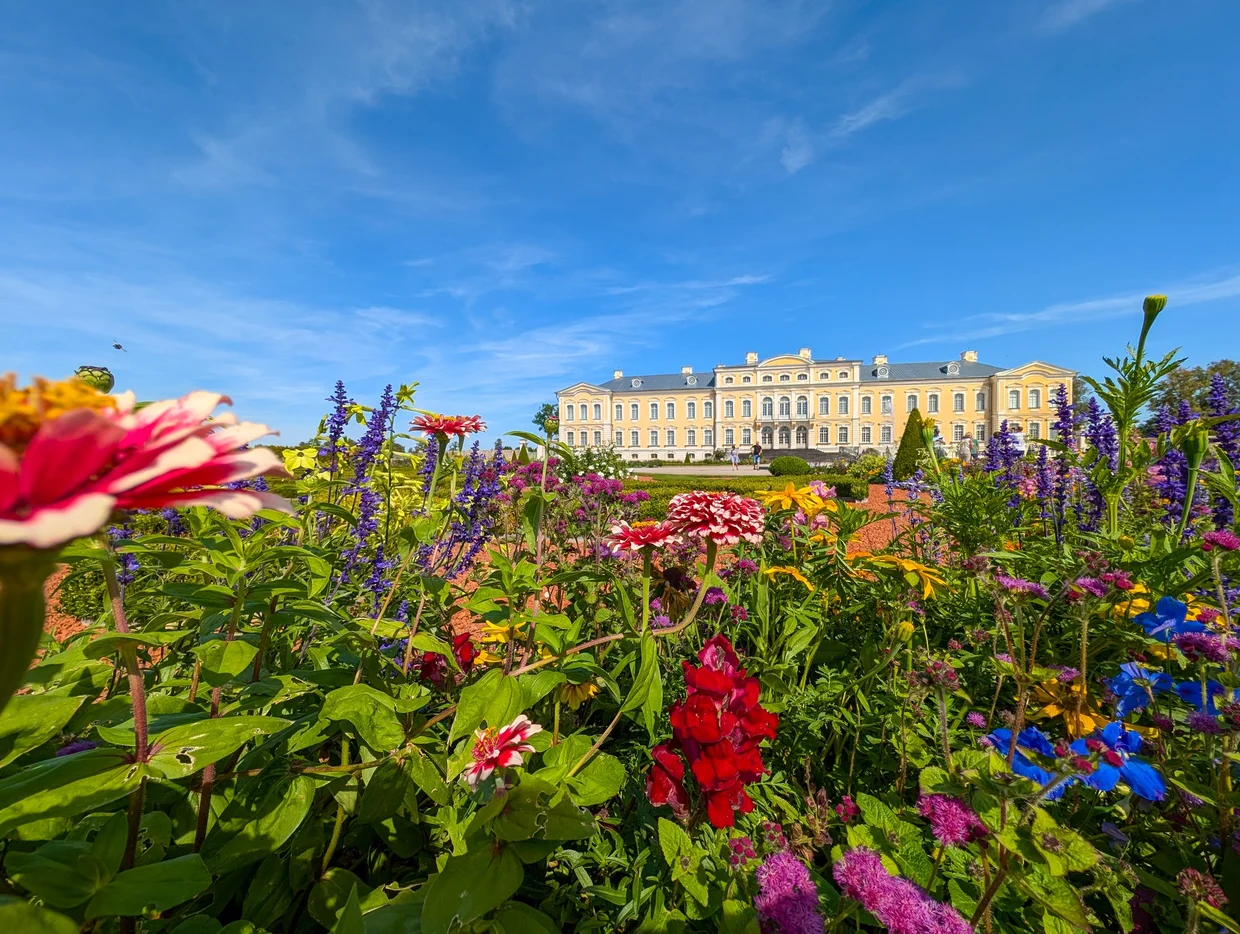
Distances are short (Vilnius to Tallinn is about seven hours), the roads are excellent, and the places you actually want to get to (Curonian Spit, Rundāle, Gauja, Ķemeri, the Estonian islands) aren't well connected by public transport. Pick it up in one country, drop in another — there's usually a small one-way fee but it's worth it.
Buses beat trains for cross-country travel
Lux Express and Ecolines run Vilnius to Riga in about 4.5 hours and Riga to Tallinn in about 4.5 hours. Comfortable, cheap, Wi-Fi on board. Rail Baltica is being built but not fully open as of 2026, and the existing train network is limited and slow between countries.
English is widely spoken
Anyone under forty, anyone in hospitality, and most people in the capitals speak good English. Russian is also widely understood, especially in Latvia and eastern Estonia, for historical reasons. You rarely need more than hello and thank you in the local languages.
Estonian is not related to Latvian or Lithuanian
Estonian is Finno-Ugric, closer to Finnish than to anything else around it. Latvian and Lithuanian are Baltic languages, closer to Sanskrit than to Russian or German, and among the oldest living Indo-European languages. You won't understand any of them, and neither will the neighbors.
Ticks are the main outdoor health risk
All three countries are heavily forested and tick-borne encephalitis is endemic in parts of them, especially inland forests. Lyme is also present. If you'll be hiking, in meadows or bogs between April and October, wear long sleeves, use repellent, and check yourself at the end of the day. A TBE vaccine is worth looking into for serious time outdoors.
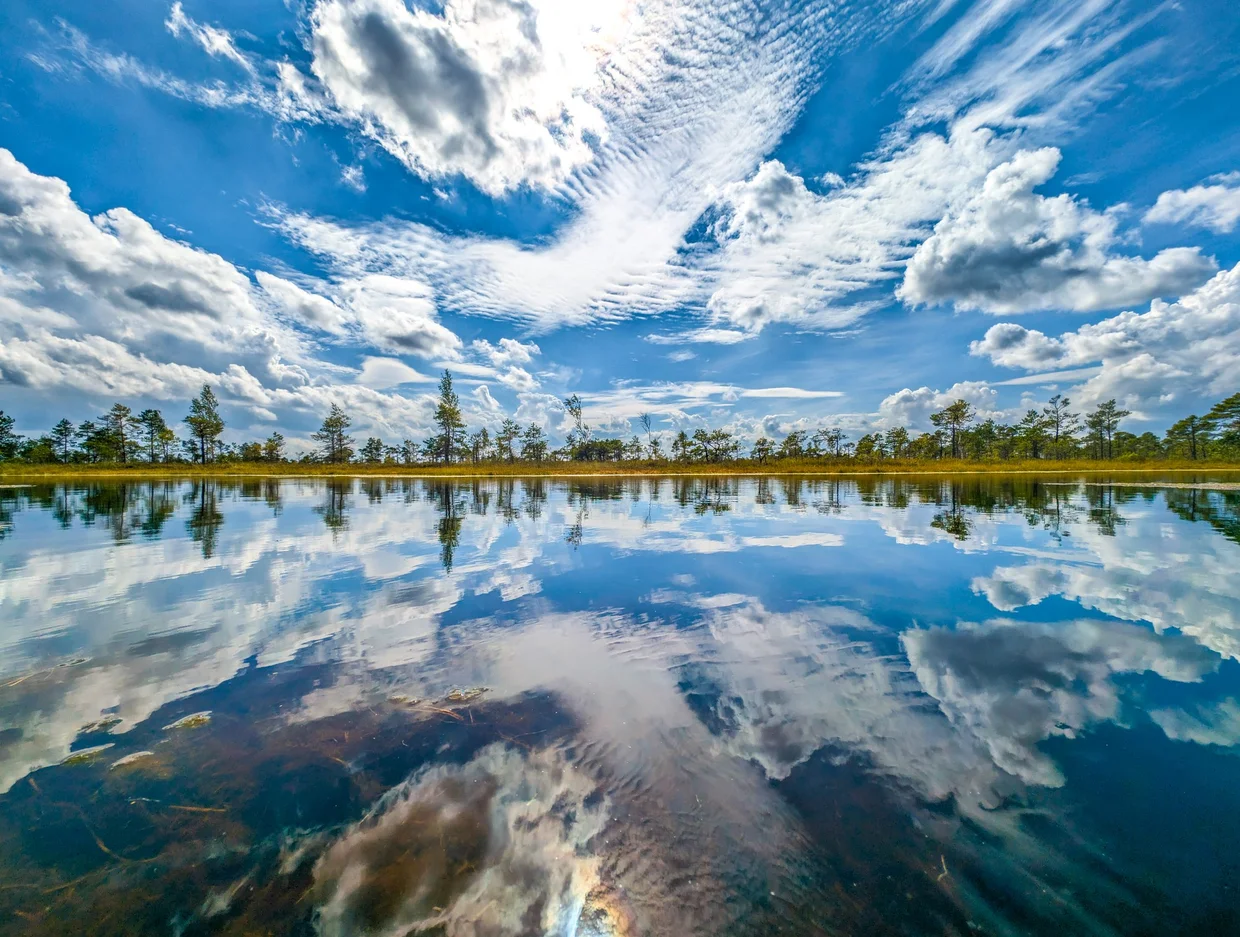
Mosquitos in the bogs are brutal
Ķemeri in Latvia is the famous one but it applies to forests, bogs and lakeshores across the region in summer. Between the parking lot and the boardwalk in Ķemeri there's a short stretch of forest that is a genuine mosquito ambush. Spray yourself before you leave the car. Bring more repellent than you think.
Don't take flyers or bar invites from strangers in Riga
There's a specific, well-known scam where friendly English-speaking "girls" invite tourists to a bar and the bill arrives in the hundreds. The Latvian State Police publish warnings about it. If a stranger hands you a flyer or suggests "a good bar nearby," just say no.
Summer daylight is enormous
Around midsummer, Tallinn barely gets dark. Sunsets stretch past 10pm, mornings start at 4am. Restaurants keep late kitchens, beer gardens run until midnight, and you'll struggle to sleep without a blackout mask. It's one of the best reasons to come in June.
Winter is real winter
Dark by 4pm, minus ten not unusual, snow and ice on pavements for months. Christmas markets in all three capitals are gorgeous and the cities look cinematic under snow, but you need real winter clothes. Avoid March and November — those are the grey mud months with no Christmas to redeem them.
June is the sweet spot
Fewer crowds than July, all the daylight, lupins and cornflowers in bloom, weather at its kindest. If you have flexibility, aim here. May and September also work well, cooler but quieter. Accommodation is cheapest from October to early May outside Christmas.
Tipping is light
Round up the bill or leave 5-10% at a sit-down restaurant if you're happy with the service. Nobody chases you out if you don't, and it's not expected at cafés, bakeries, or for quick service. Service charge is sometimes added in more touristy places — check before you add more.
Vegetarian options are easier than the menu suggests
The national dishes lean heavily on pork, potatoes and dumplings, but all three countries do plenty of vegetarian versions. Cheese, mushroom, berry, potato and cherry fillings are all common. Rye bread, smoked fish (if you eat it), cold beetroot soup in summer, and every kind of pickled vegetable also cover a lot of the menu.
Black Balsam isn't for everyone
Riga Black Balsam is 45% herbal liqueur that tastes like a forest and a pharmacy had a fight. Order it mixed into a cocktail (currant, coffee, hot with blackcurrant juice) before you try it straight. Vana Tallinn in Estonia is friendlier — vanilla-rum, warm, simple. Midus (mead) in Lithuania is the gentler entry point.
Saunas make more sense than you'd think
Especially in Estonia and Latvia. Smoke saunas, public saunas, guesthouse saunas. If you're there in winter, it's genuinely one of the better things you can do. Etiquette varies (sometimes textile, sometimes not) — ask at the door and nobody will be weird about it.
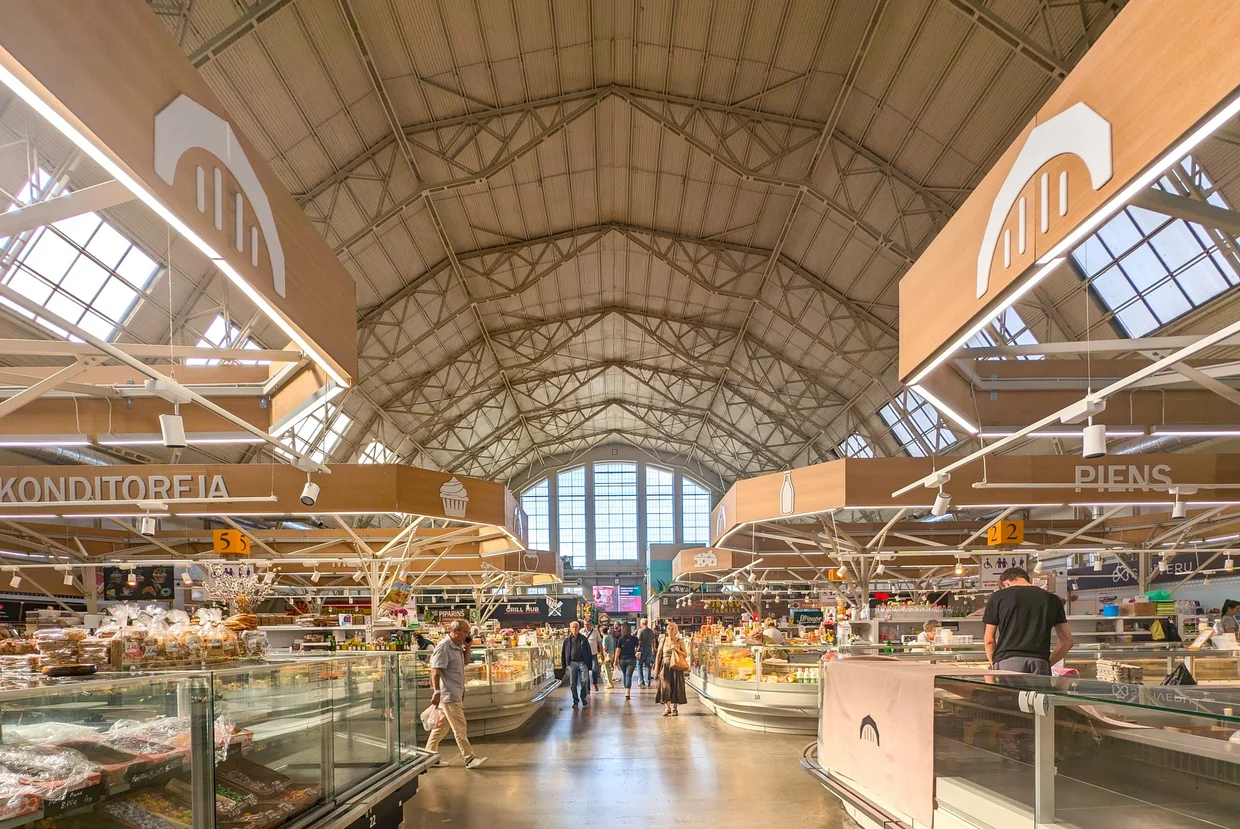
Riga's Central Market is the best cheap lunch in the Baltics
Five huge former zeppelin hangars filled with farmers, fishmongers, bread stalls, and pickles. The bread hall alone is worth a walk through. It's also the cheapest place in Riga to eat lunch — skip the Old Town tourist restaurants, walk ten minutes south.
Curonian Spit needs a car and a day
The UNESCO-listed sand peninsula south of Klaipėda is worth a proper day trip, not a quick stop. Take the short ferry from Klaipėda, drive the length of the spit, walk in a pine forest, climb a dune, and grab fresh smoked fish from a village stand. Plan for at least one overnight if you want to do it unrushed.
Driving at dusk in the forest, watch for moose
Bears, wolves and lynx exist but avoid people. Moose and wild boar you might actually meet, typically on country roads at night, where they are the real danger. Ease off in forest stretches after dark and keep your headlights calibrated to the edge of the road.
Winter ice on pavements is serious
Between December and March, all three capitals get genuinely slippery and cities vary in how aggressively they grit. Proper shoes with real tread save you more than you think. Tallinn's Old Town cobblestones with a layer of ice are their own specific adventure.
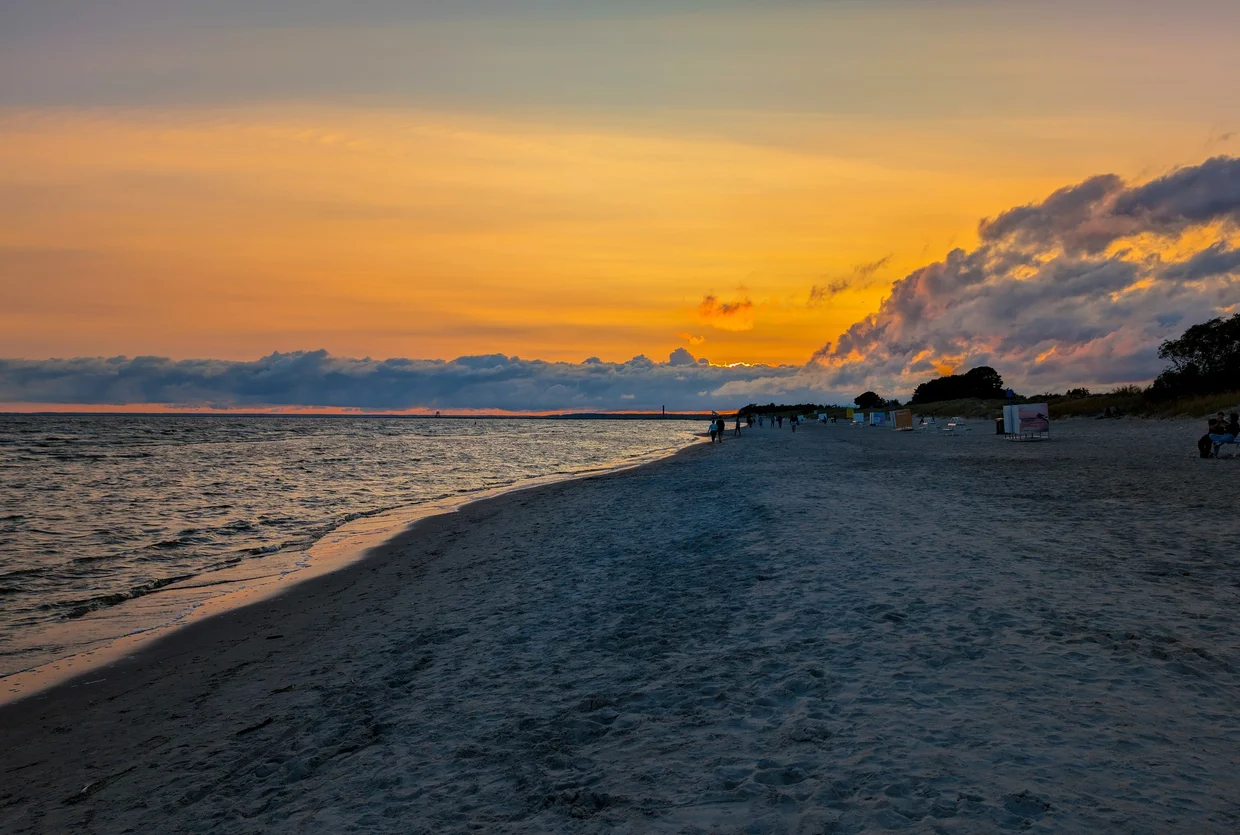
Swimming in the Baltic is cold but doable
Even in August the water rarely pushes above 20°C, and most of the time it's lower. Ten or fifteen minutes is the typical commitment. Pay attention to local flags at official beaches — rip currents on some of the longer sandy beaches can catch you out.
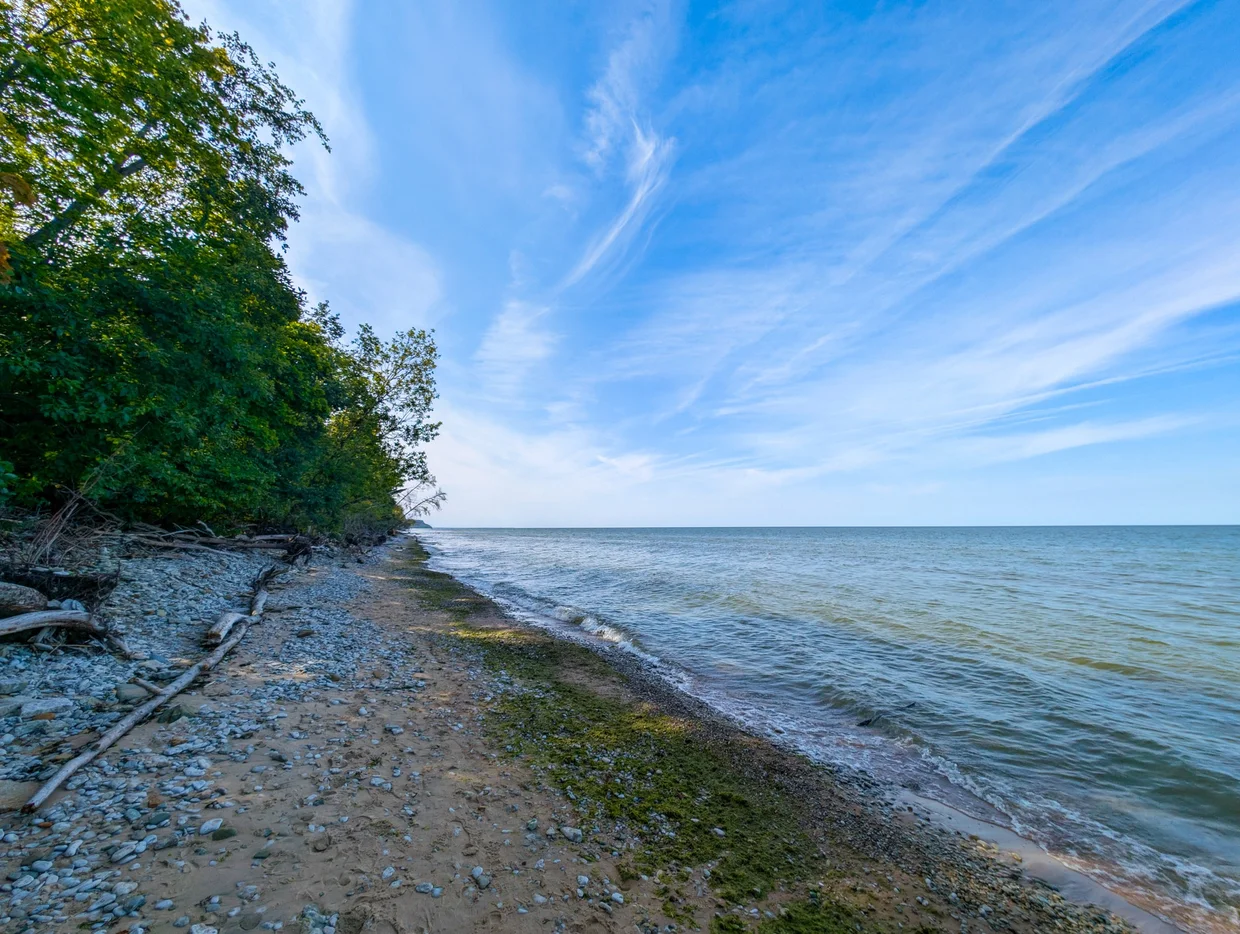
Extend the trip with a ferry from Tallinn
Tallinn to Helsinki is two hours by fast ferry, run by Tallink, Viking and Eckerö. Tallinn to Stockholm is overnight on Tallink Silja. Both are cheap by ferry standards and a natural extension if you're already heading north. Book ahead in summer.
Tallinn is mostly tourist-busy in July
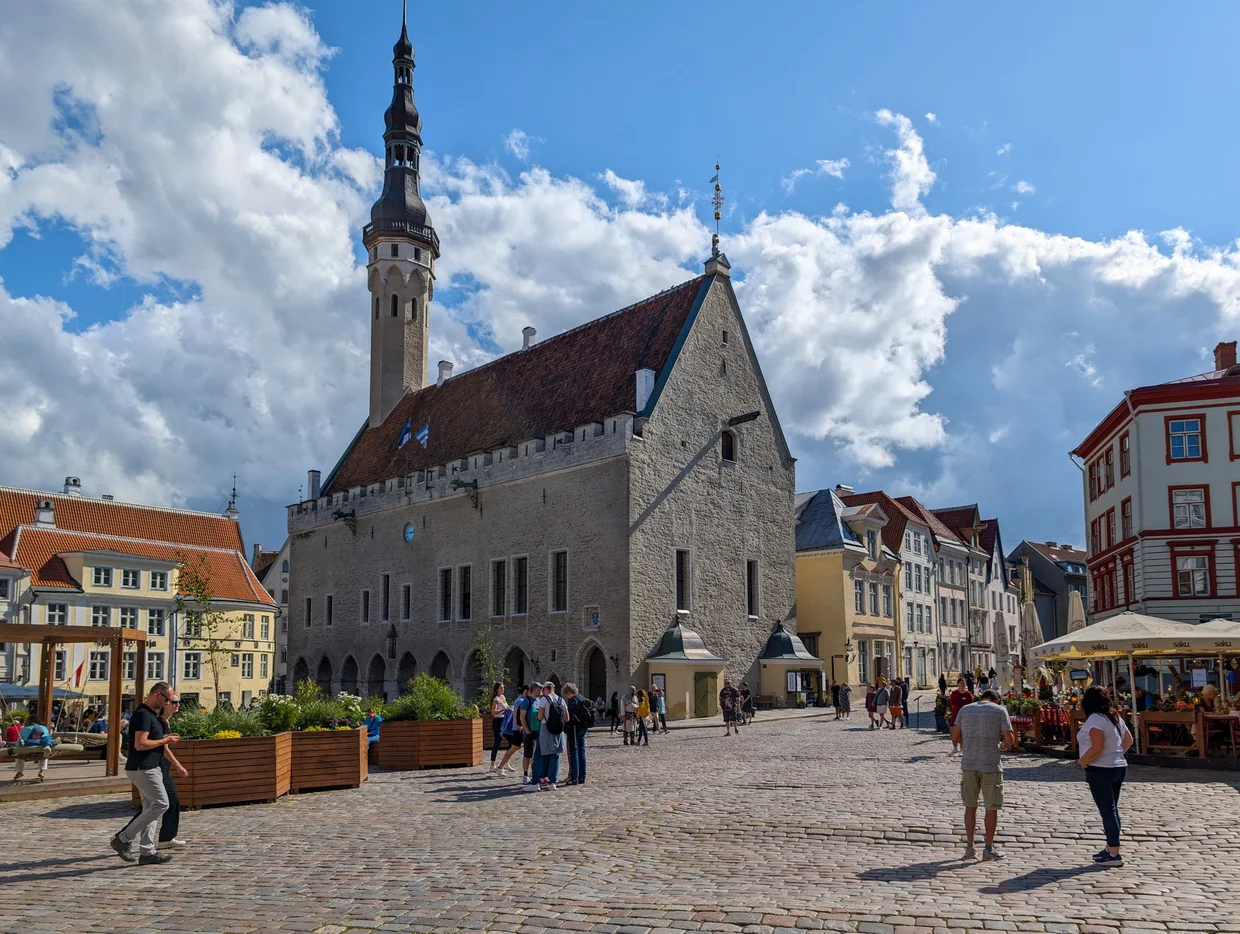
The Old Town hits peak tourist numbers in July, especially when the Helsinki ferries dock. Mornings are better than afternoons, any time from 6pm onwards calms down again, and outside July the whole place feels much closer to the cinematic medieval town the photos suggest.
SIM or eSIM is easy
Any European SIM roams in all three countries without extra cost — EU roaming rules apply. If you're arriving from outside the EU, a regional eSIM is the simplest option. Coverage is excellent, and Wi-Fi is everywhere (and very fast). The eSIM vs SIM guide breaks down when each wins.
Published April 2026.