A Country You Can Drive Across Before Lunch
Once upon a time, in a tiny kingdom hidden between two greater realms in the Alps, there lived a prince. He dwelt in a stone castle perched high on a rocky mount, watching over a peaceful little country of forty thousand subjects, vineyards on the slopes, and white-spired villages strung along the river... Wait. Hold on. That wasn't once upon a time. That's now! The prince really does live in that castle. The vineyards and the villages are exactly where the storybook just put them. And all of it is happening today, in a real, sovereign principality called Liechtenstein.
The kind of place you tell people you've been to and they squint at you like you're making it up.
I went on a long weekend that was a public holiday across most of Europe, with picture-perfect weather, the kind of combination that normally guarantees you're battling crowds wherever you go. So I rolled in expecting half of Germany and Italy to already be there. Nope. Two tour groups, one from China and one from Poland, and that was basically it. The capital's main square was empty. Gutenberg Castle, I had to myself. Viewpoints, walking paths, the climb up to Vaduz Castle: alone, alone, alone. Either Liechtenstein flies very far below the radar, or everyone in Europe makes the same mistake of going somewhere else on a long weekend, but for whatever reason, the country is genuinely uncrowded even on the dates that should kill it.
Here's the thing I didn't expect: it's clean. Properly clean. Not just the postcard corners. The back streets, the bus stops, the hiking trail benches, all of it. Pavements look freshly swept. The grass on the verges has been cut by someone who really meant it. You don't realize how scruffy most of Europe is until you spend two days here.
The other thing I didn't expect: how quiet it is. All of it. The capital is sleepy. The mountain villages are sleepier. The roads have almost no traffic. If you want a reset, this is a country that runs at half speed by default.
Should You Even Go?
I'll be straight with you. Liechtenstein is not a particularly exciting destination. It leans, gently, toward boring. There's not much going on. The streets are tidy and quiet, the cafés are tidy and quiet, and the hills behind the cafés are tidy and quiet too.
It's also surrounded by Switzerland and Austria, both of which have more things to look at, more things to do, and more dramatic mountains. You will see those mountains from Liechtenstein, sitting just across the valley, looking better than Liechtenstein's own mountains. That's a slightly weird vibe.
So why come?
If you want peace and quiet, this is a really good destination for it. If you collect countries the way some people collect concert tickets, it's a satisfying tick. If you happen to be passing through Switzerland or western Austria anyway, swinging in for a day or two costs you almost nothing in detour. And if you like the idea of standing in a tiny, almost storybook quasi kingdom still ruled by a prince in a castle high above the valley, then Liechtenstein is absolutely worth seeing for that atmosphere alone.
If you want excitement, you're in the wrong country. Hop the border in either direction and you'll find more. Two days is enough.
Destination Info
Quick Facts
Overview
- Best 1 to 2 days in May till September.
- At 460m in Central Europe, time zone UTC+1 (UTC+2 DST).
- The population of 40K people speaks German, writes in Latin script.
- Swiss Franc (CHF) is the official currency, and tipping is round up.
Local Flavor
- Get a Vaduzer wine and Käsknöpfle.
- The main festival here is Staatsfeiertag (15 August), and popular sports include Skiing.
Practicalities
- You can use Buses (LIEmobil) for public transportation, while driving on the right.
- You can get here mostly via Zurich (ZRH), St. Gallen-Altenrhein (ACH).
- The best area to stay is Vaduz.
Vaduz: The World's Most Casual Capital
Vaduz is small. Like, small for a town, never mind a capital. The "downtown" is a short pedestrian zone called the Städtle that you can walk end to end in less than five minutes if you're not stopping. There's a couple of cafés, a couple of museums, a tourist info centre, and that's basically the whole thing.
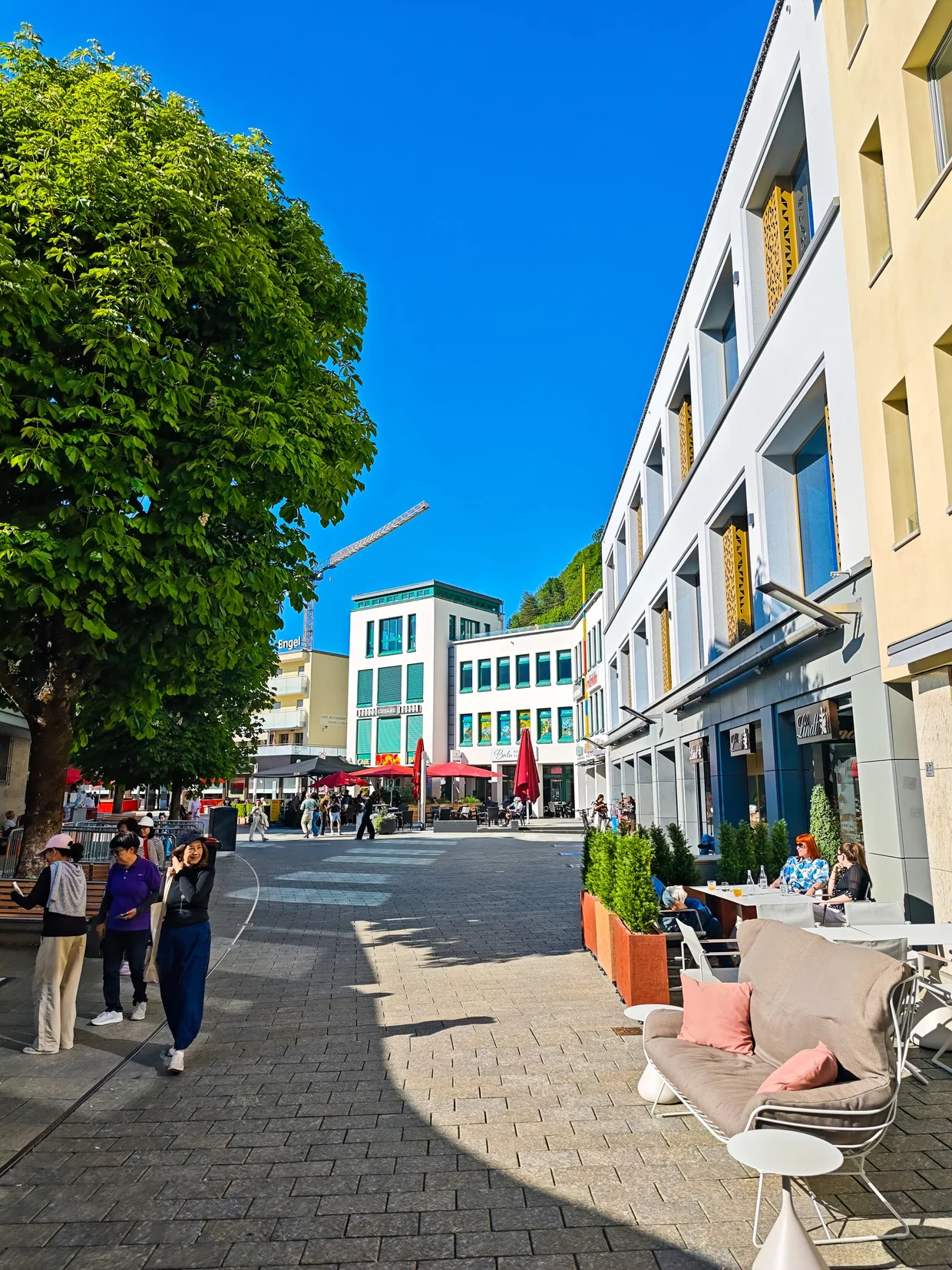
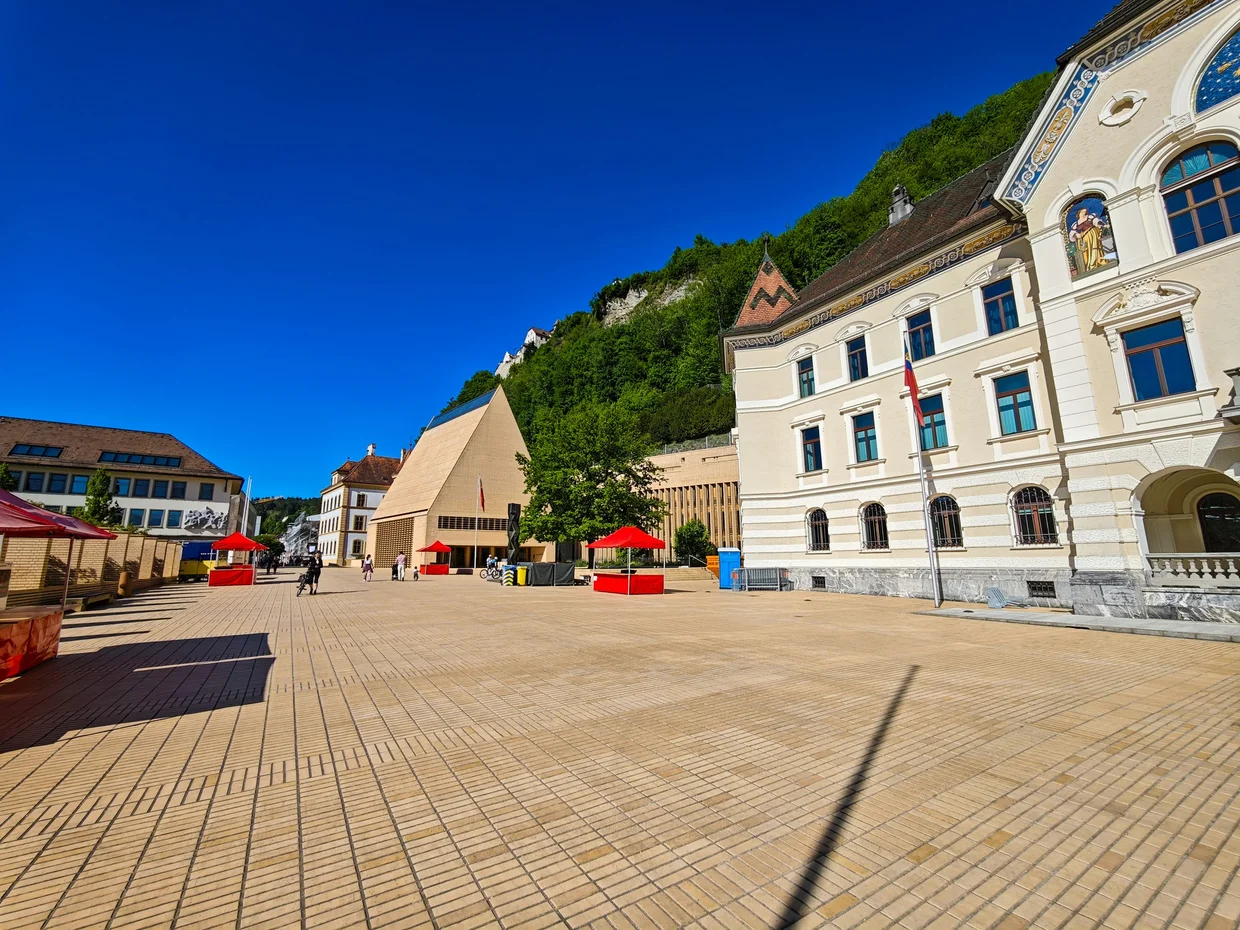
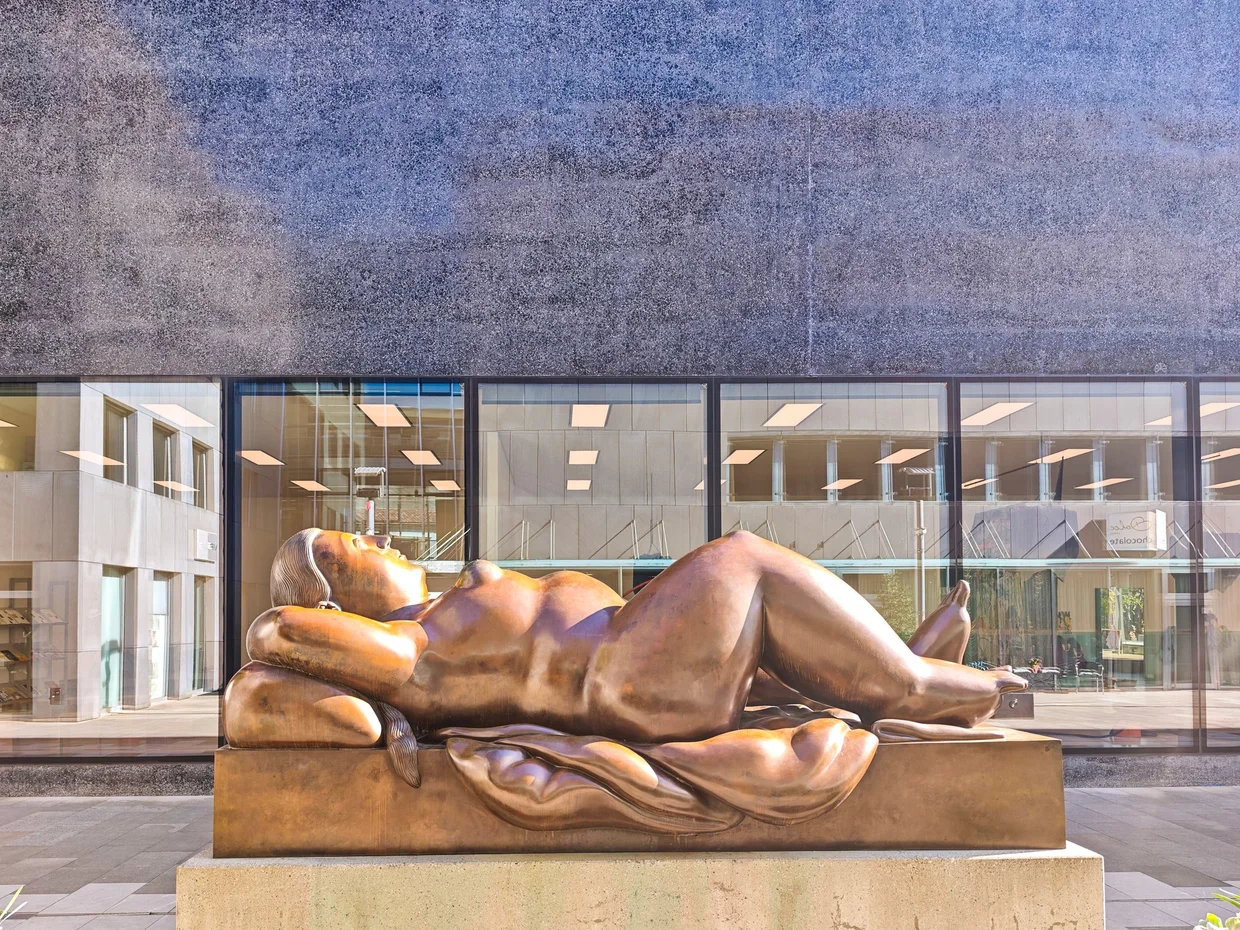
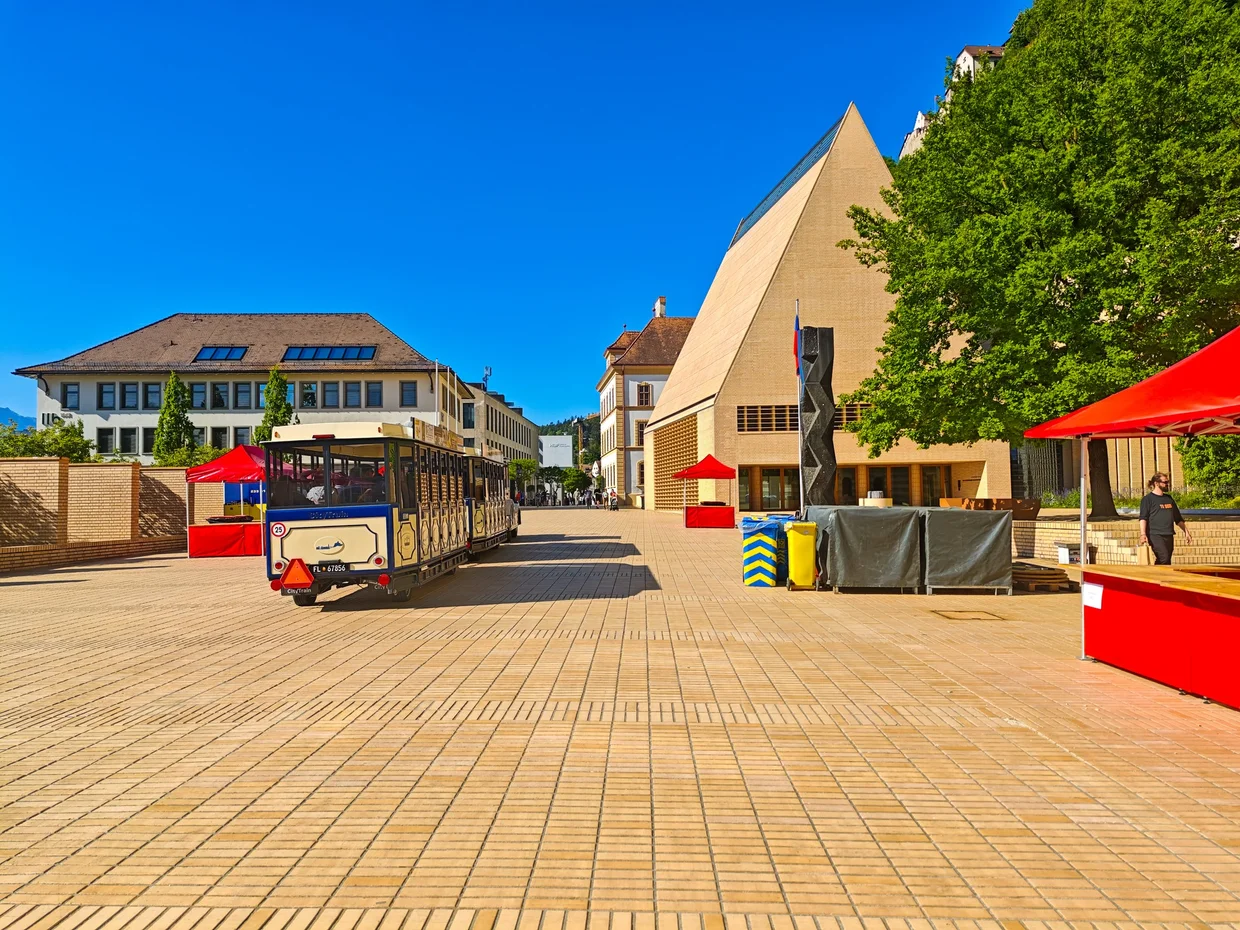
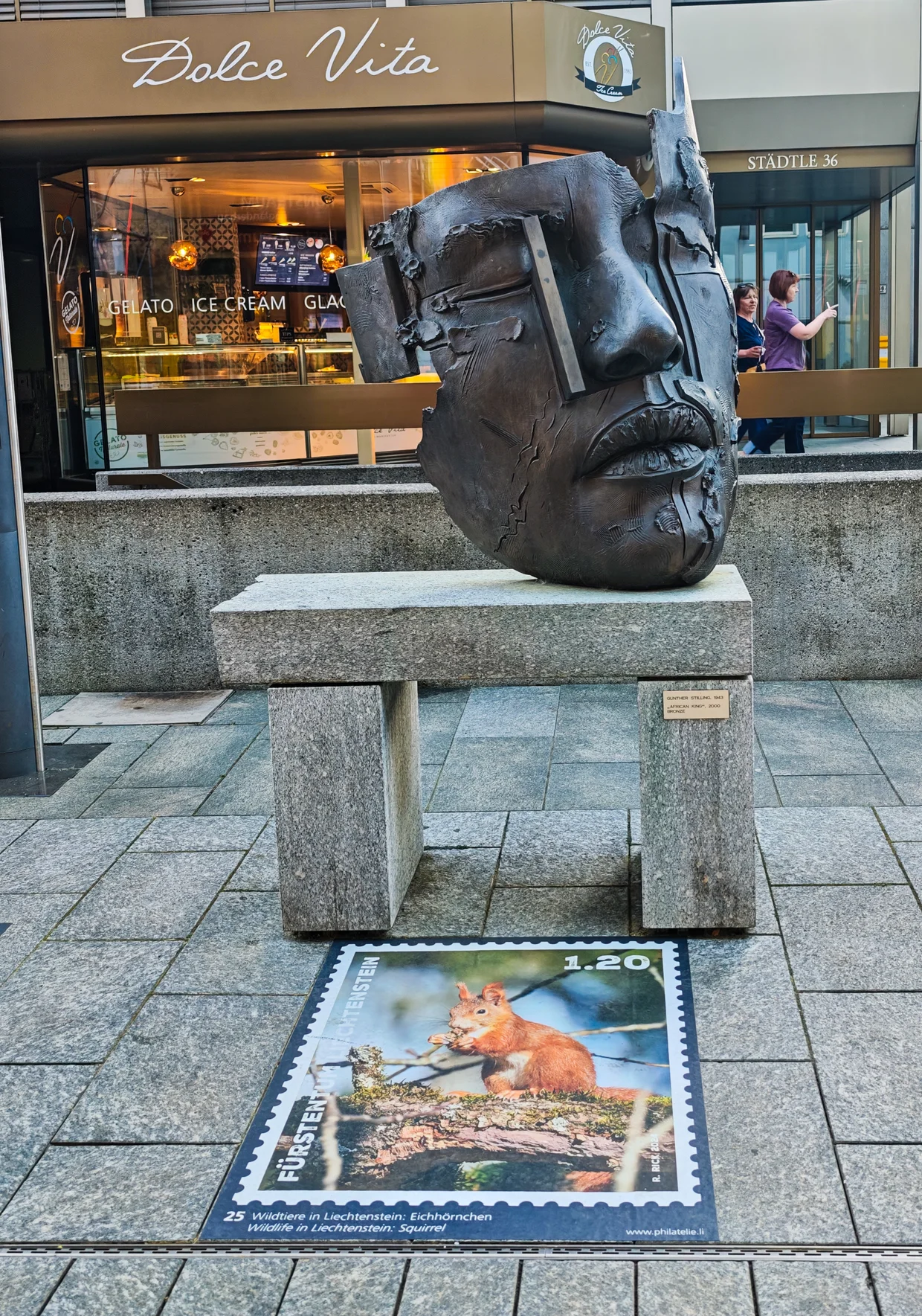
The pedestrian zone itself is pretty in a low-key way. A mix of older buildings and newer ones that don't fight each other, and a small constellation of bronze sculptures scattered around the core: a reclining nude in front of the Kunstmuseum, a face-on-a-bench by the gelato shop, a few more dotted between the cafés. They're mostly nice, vary in style enough to keep things interesting, and give the Städtle a low-effort sculpture-trail feel as you wander.
One thing you'll notice underfoot: stamps. Liechtenstein is seriously into postage stamps. When I was a kid, half my school collected them and every town had a stamp shop, then sometime over the past couple of decades those quietly vanished, and I can't remember spotting a stamp store anywhere in the world in the last ten years or so. Vaduz didn't get the memo. There's a Postal Museum right on the Städtle, the post office sells collector sheets like souvenirs, and there are oversized stamps set into the paving of the pedestrian zone as actual public art, so you end up walking over an alpine bird or a wildflower on your way to gawk at the castle. Stamps are still a thing here. They're everywhere.
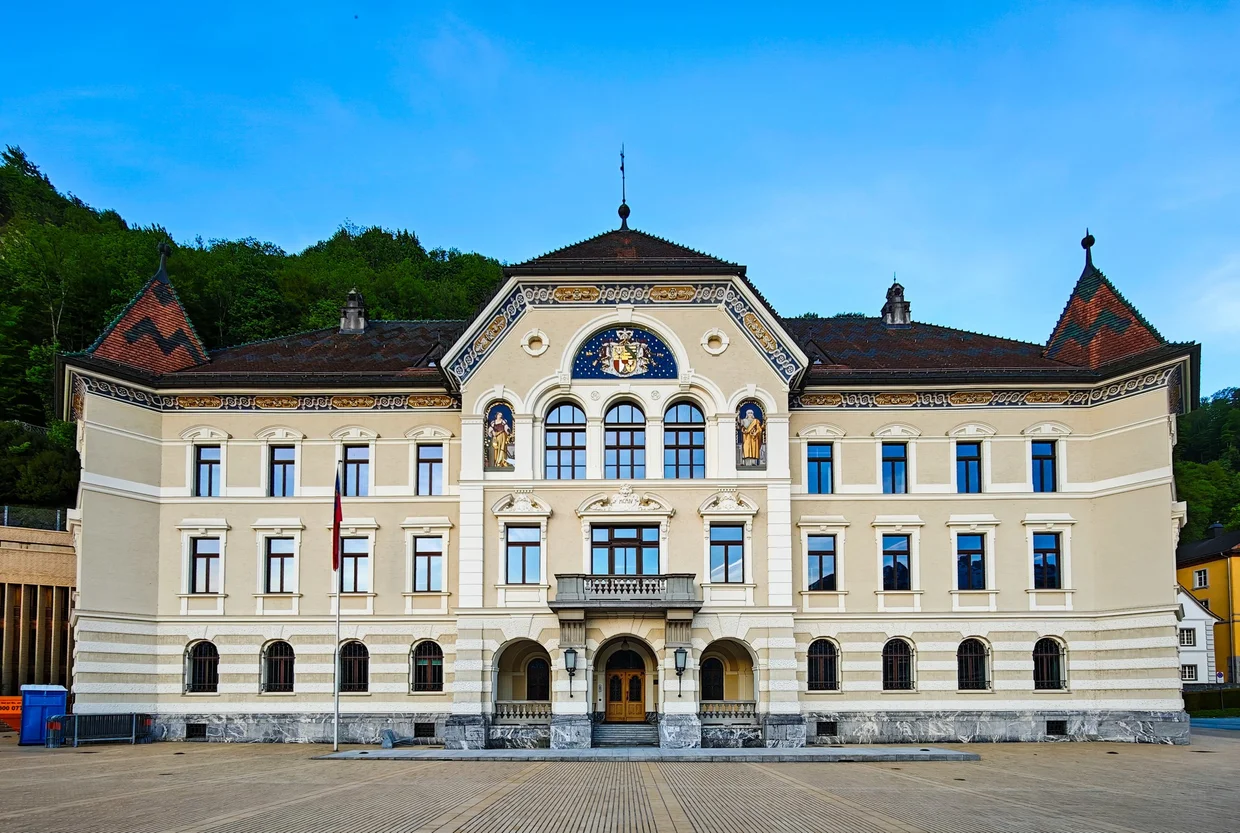
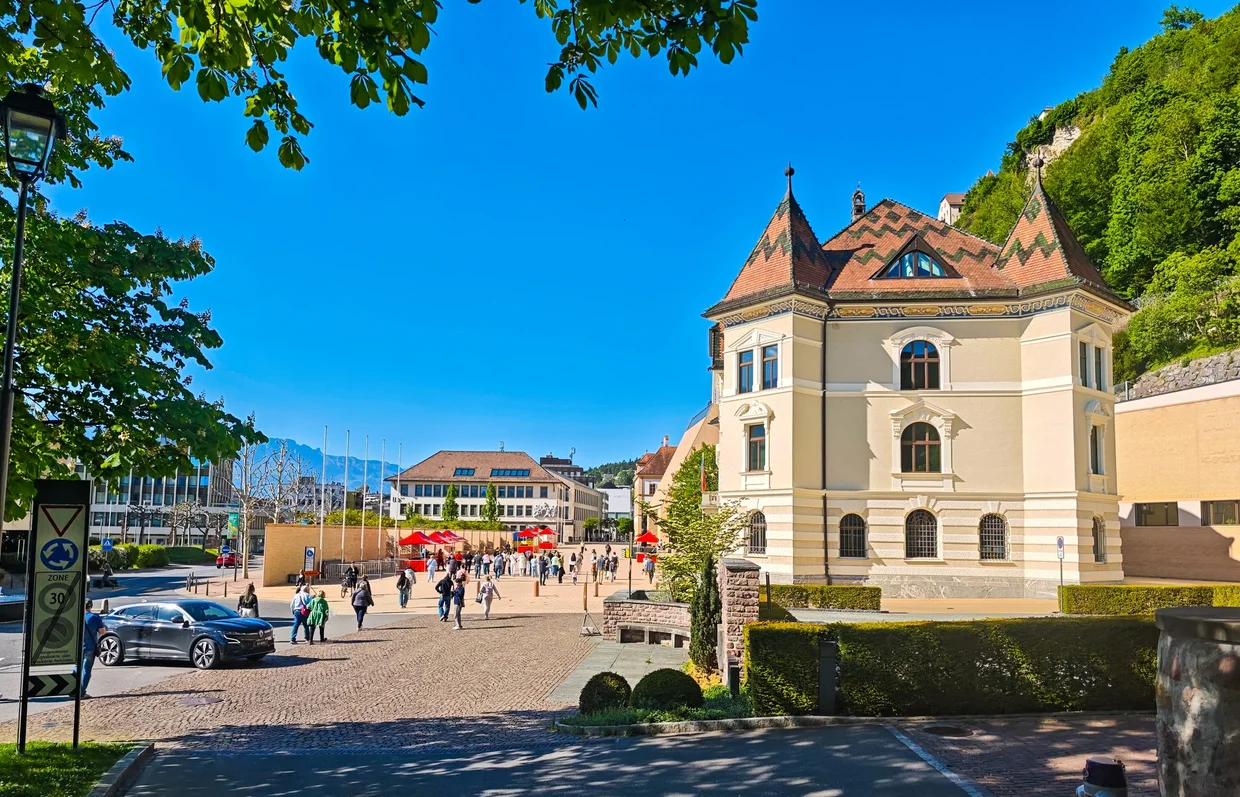
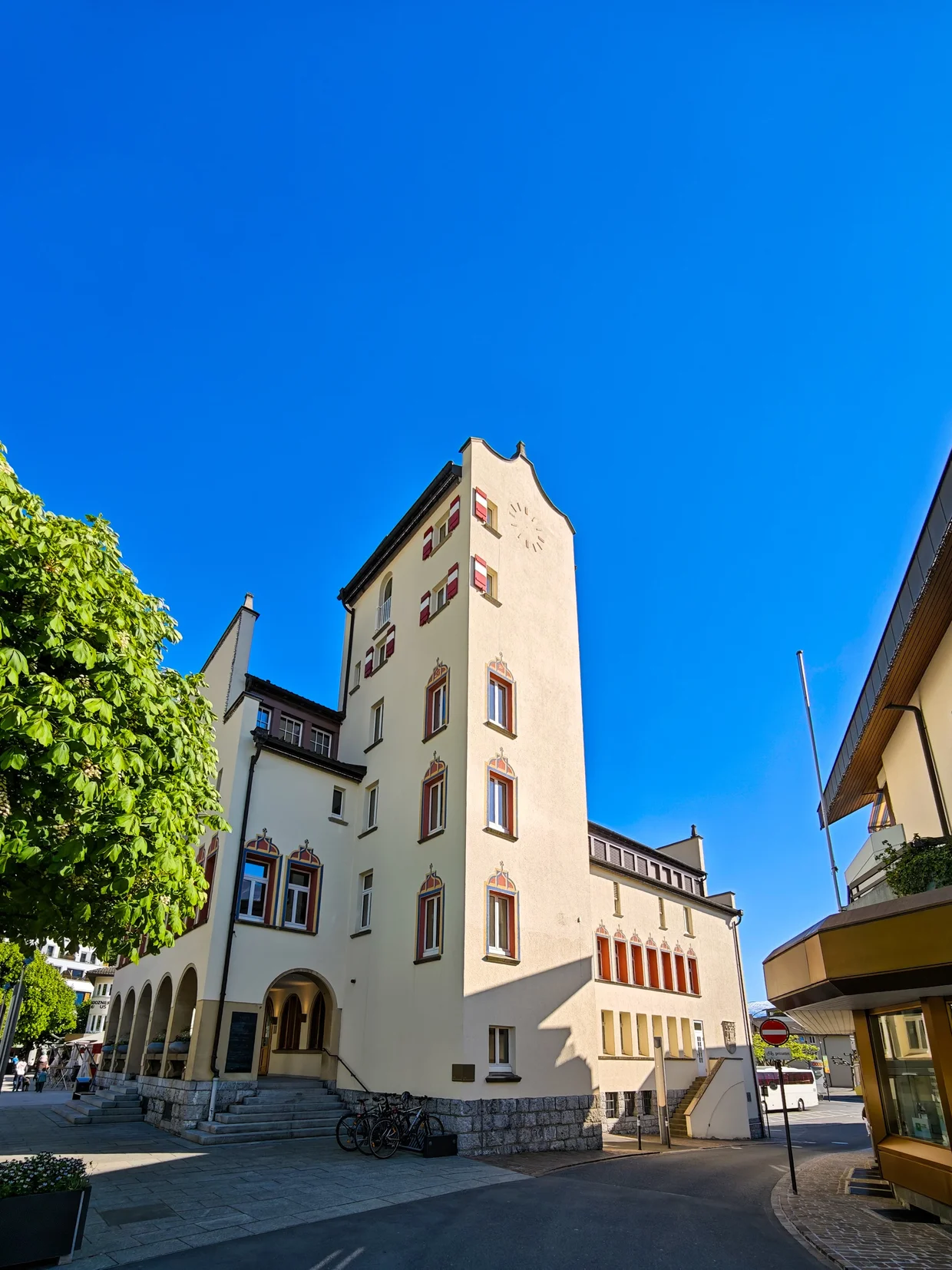
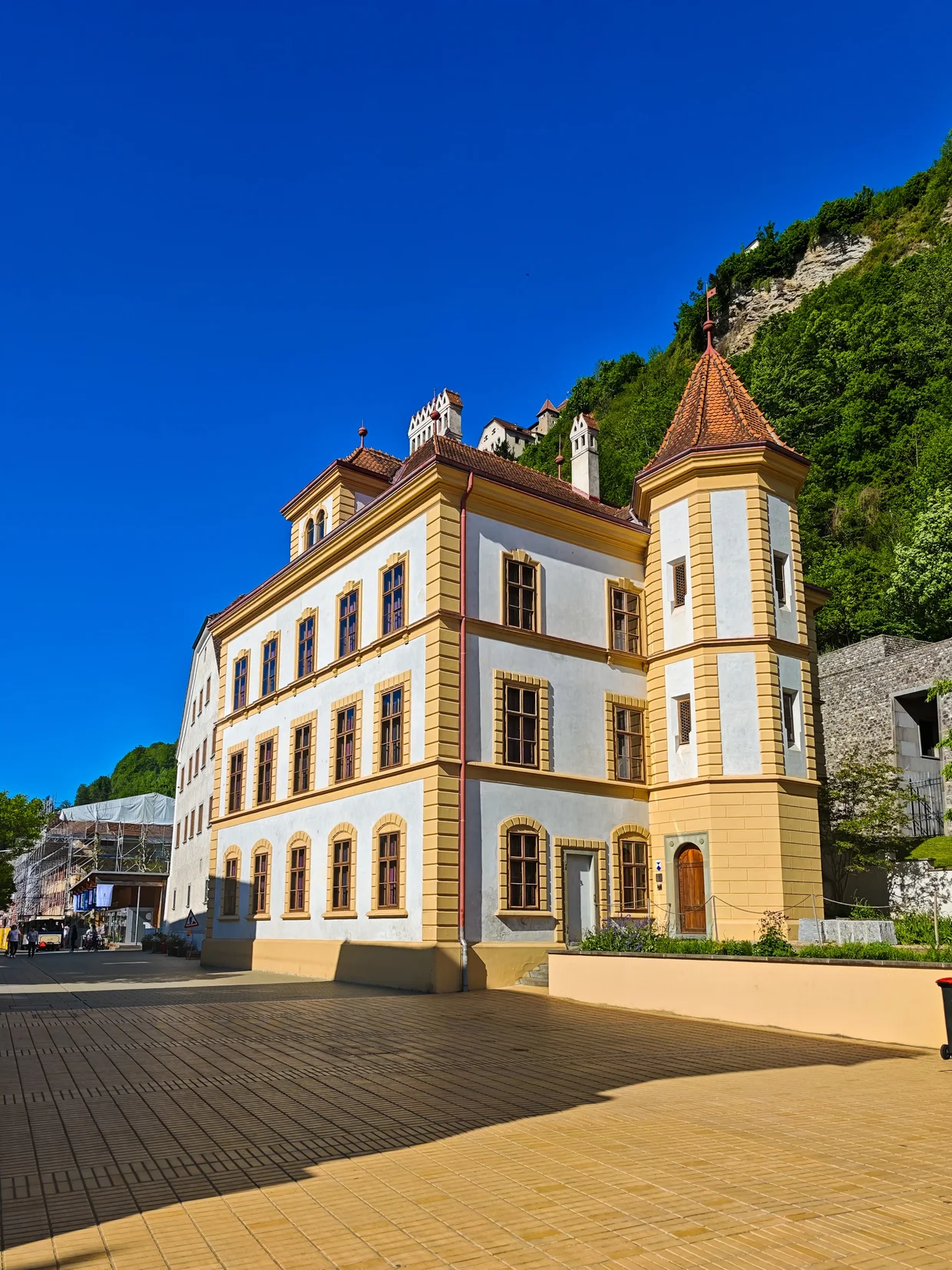
The Government Building (Regierungsgebäude). A yellow neoclassical thing on Peter-Kaiser-Platz. Looks more important than the country probably needs.
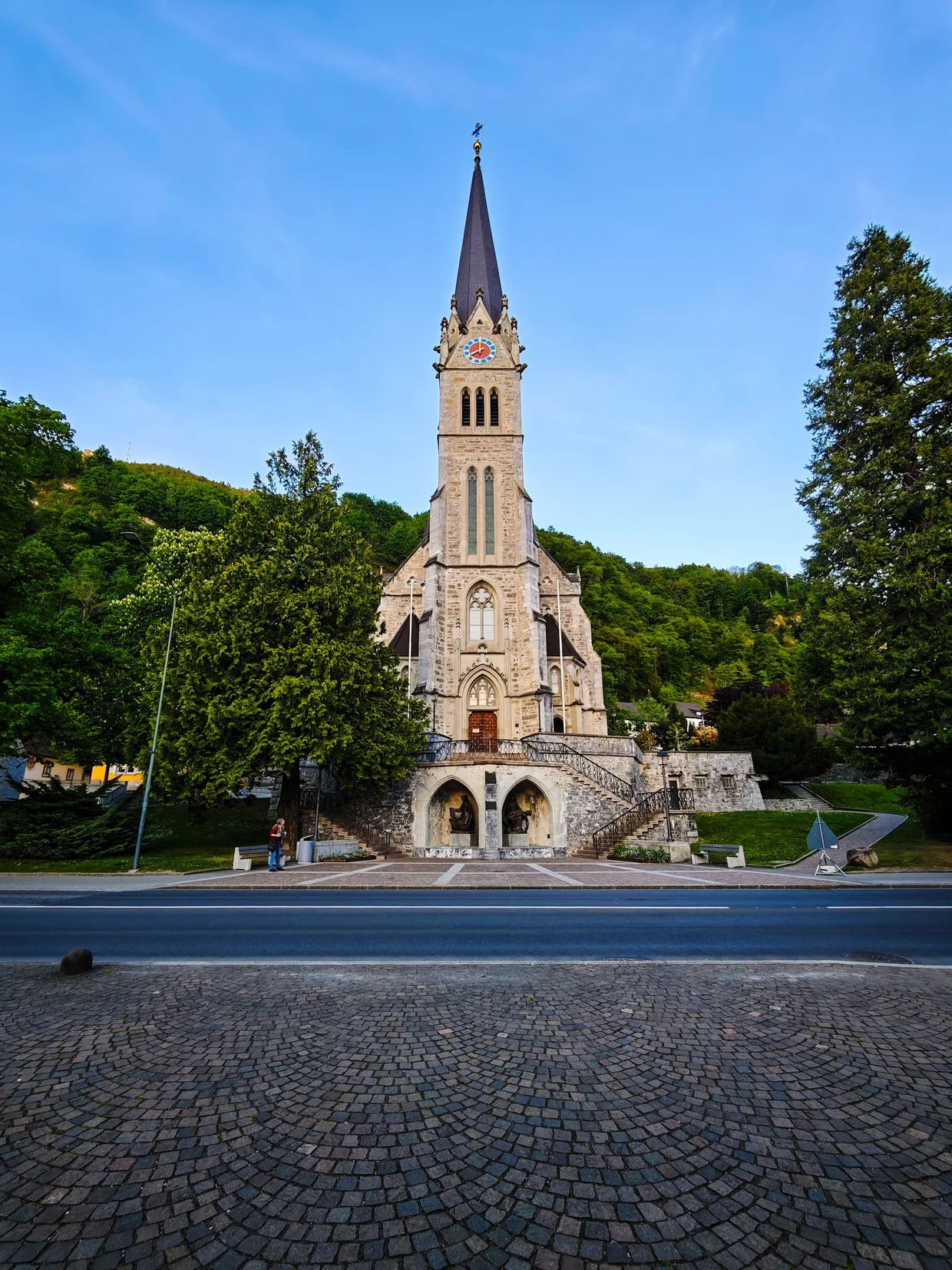
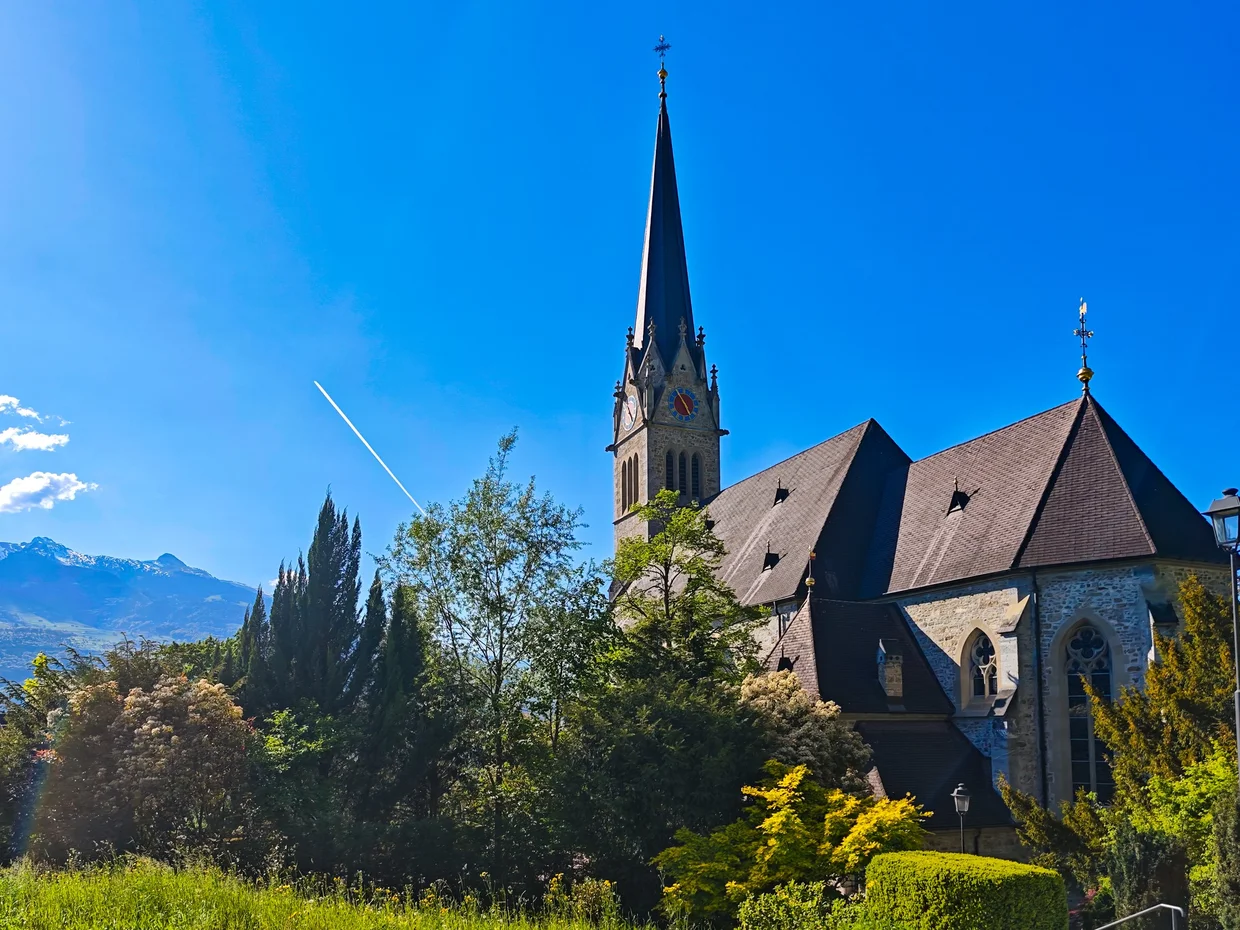
Cathedral of St. Florin. Neo-Gothic, dramatic spire, looks bigger than the city it serves. Worth the five minute detour off the main drag.
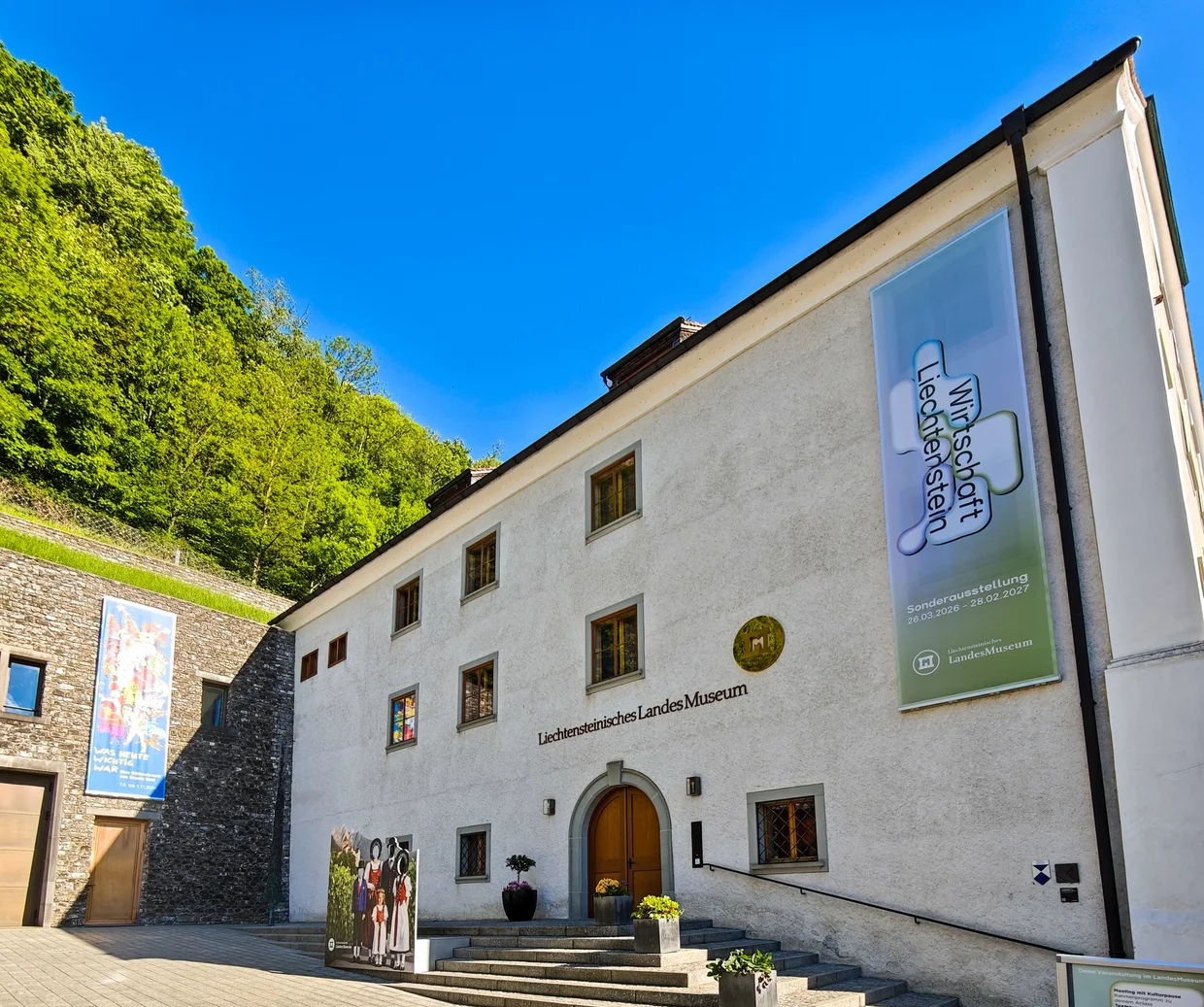
Liechtenstein National Museum (Landesmuseum). A modest building on the edge of the centre. I didn't go in. Open Tuesday to Sunday if you want country backstory.
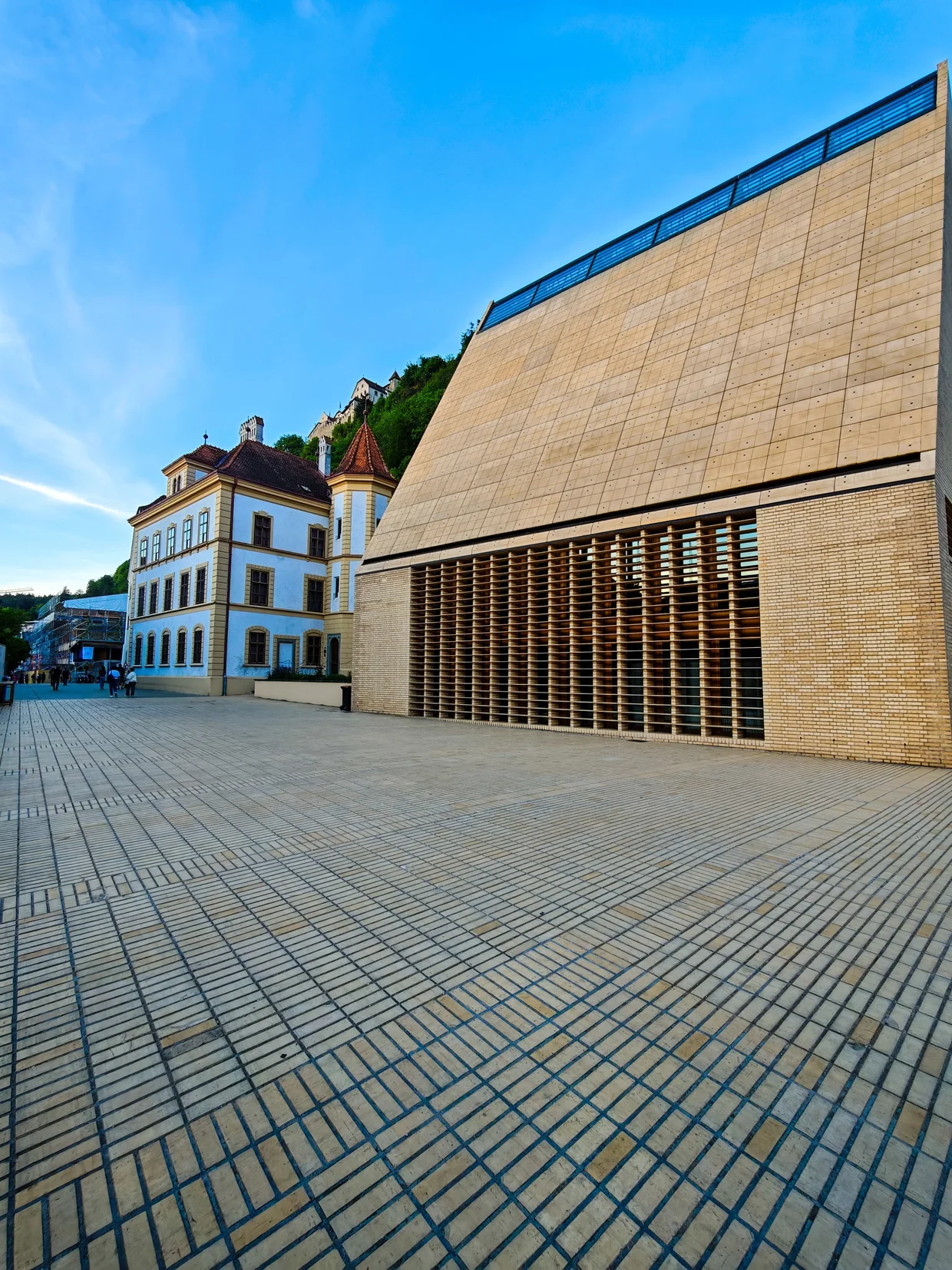
Vaduzer Saal and the modern parliament. The newer concert/parliament building has a striking wooden façade that contrasts with the old buildings next to it. Not what I was expecting in a quiet little capital.
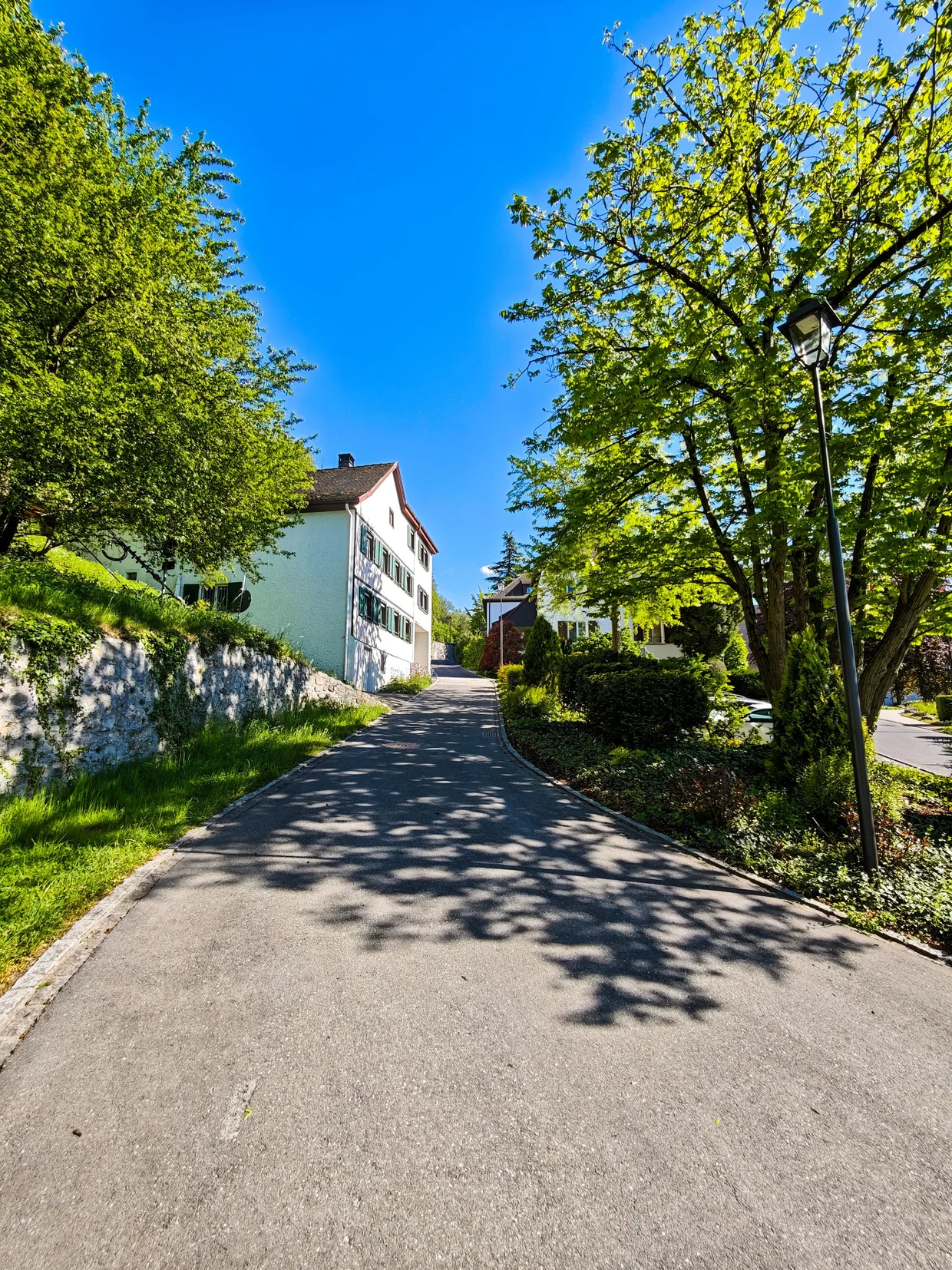
Outside the centre, Vaduz keeps being pretty. Walk five minutes uphill and you're on tree-lined streets with neat houses, neat gardens, and neat hedges. It's the kind of residential sprawl that makes you want to check property prices and immediately regret it.
Vaduz Castle: Look But Don't Touch
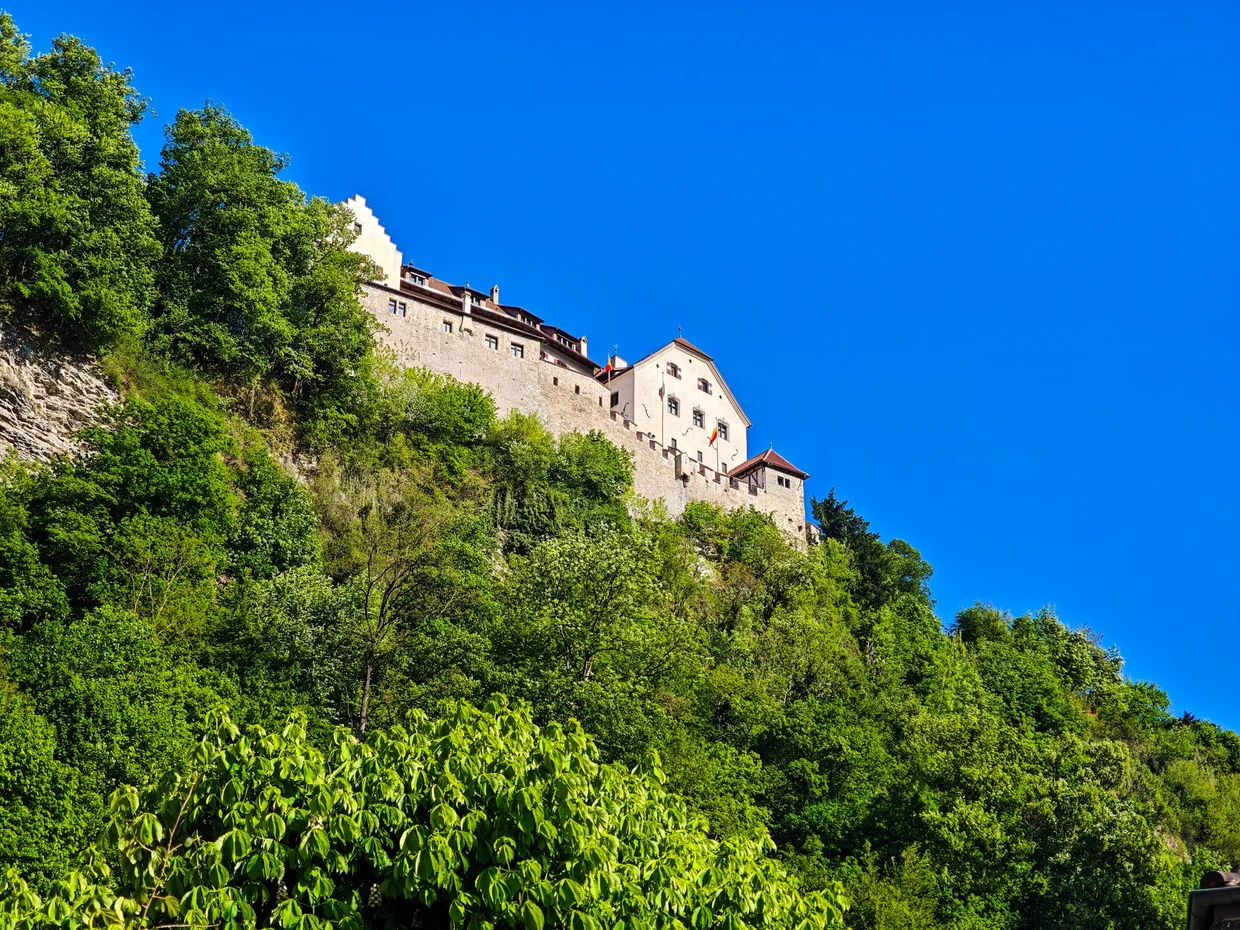
Vaduz Castle (Schloss Vaduz) sits up on a rocky shelf above the town and is the postcard image of the country. Crucially, it is not open to the public, because the prince and his family actually live there. Full-time. Not as a museum thing. As a residence. So your visit is exterior only.
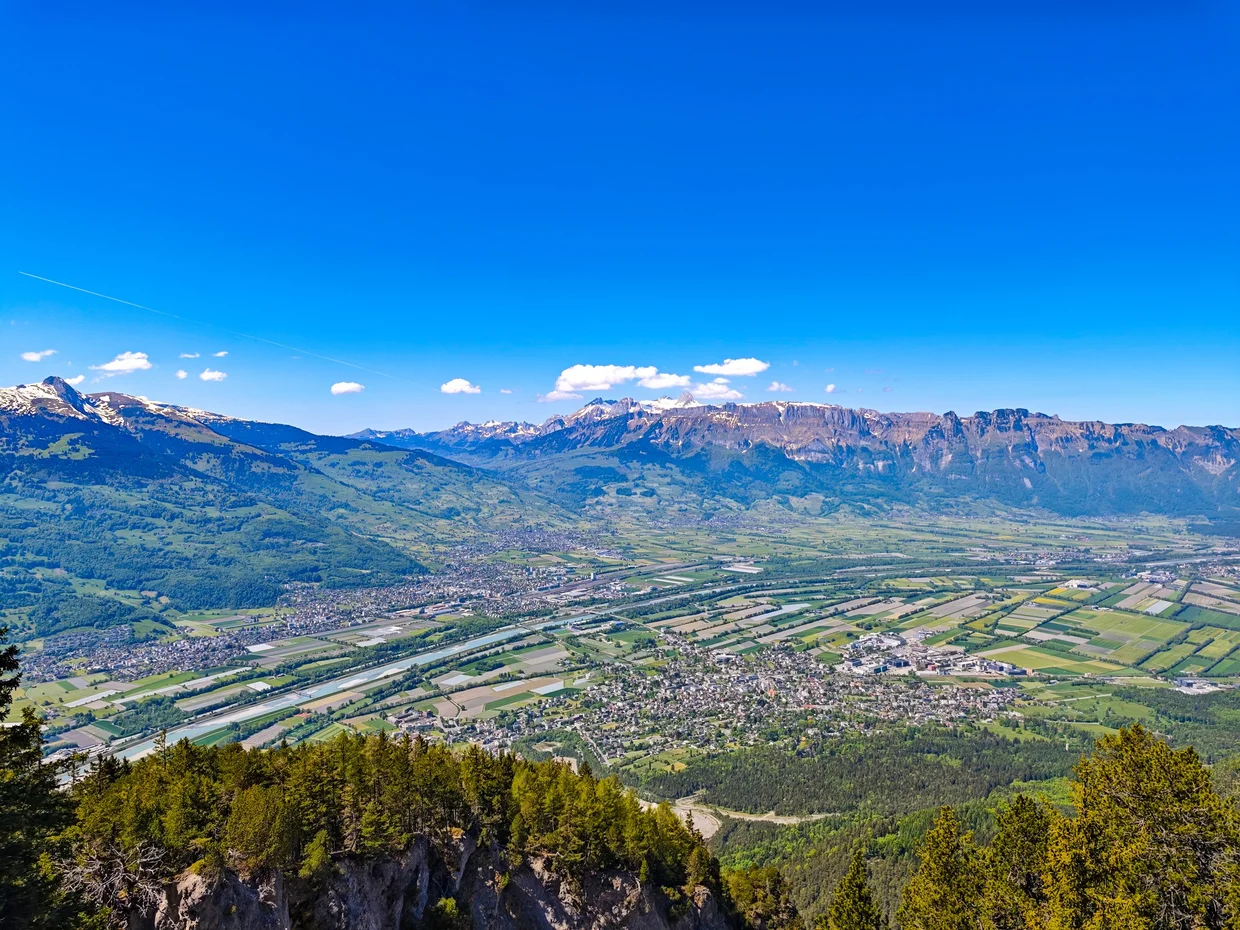
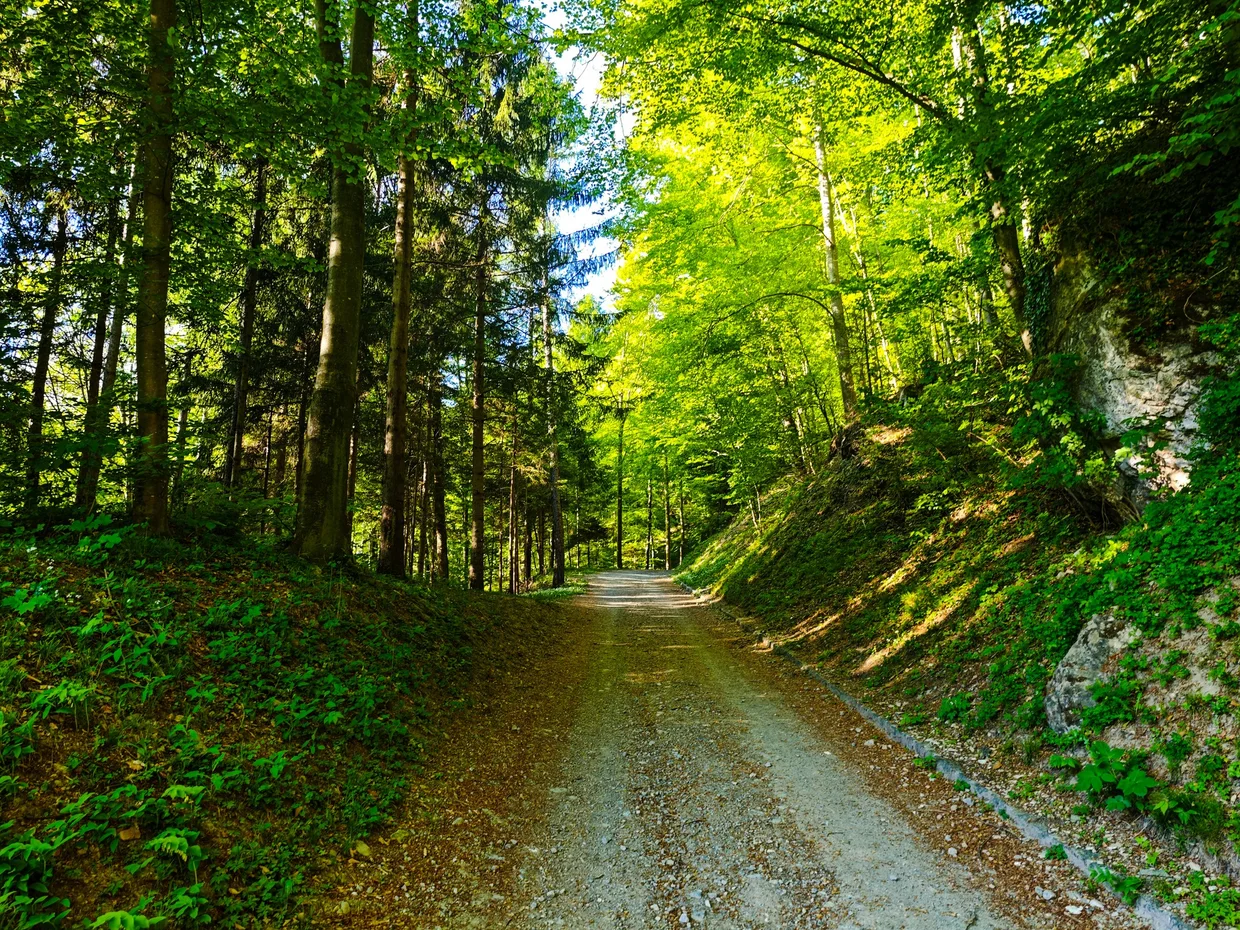
Worth doing anyway. There's a signed castle path up from the centre of Vaduz that climbs through the forest in around half an hour at an unhurried pace. The path is well marked, mostly shaded, and ends at a viewpoint that looks straight across the Rhine valley to the Swiss Alps. The castle itself is right there next to you, you just can't go inside.
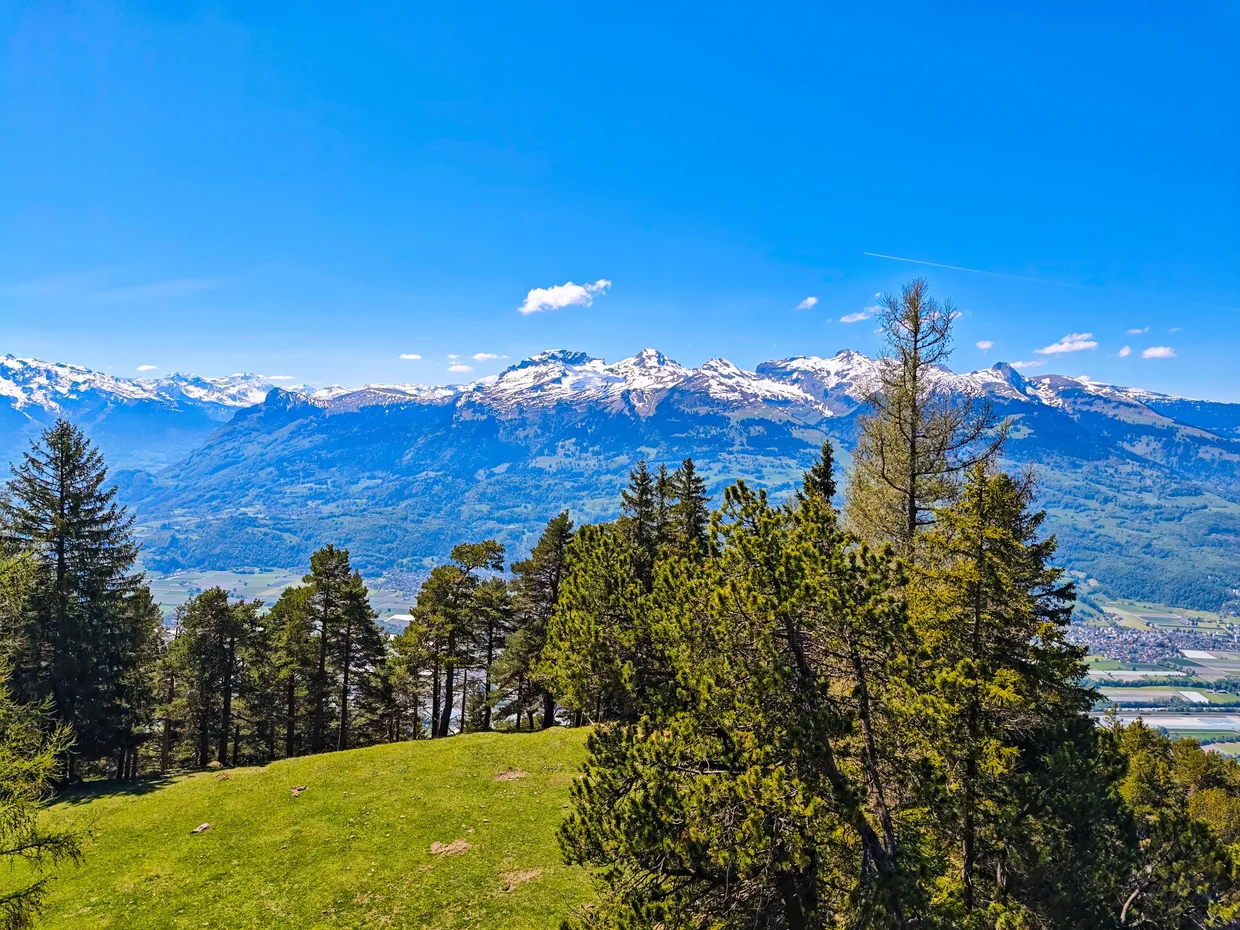
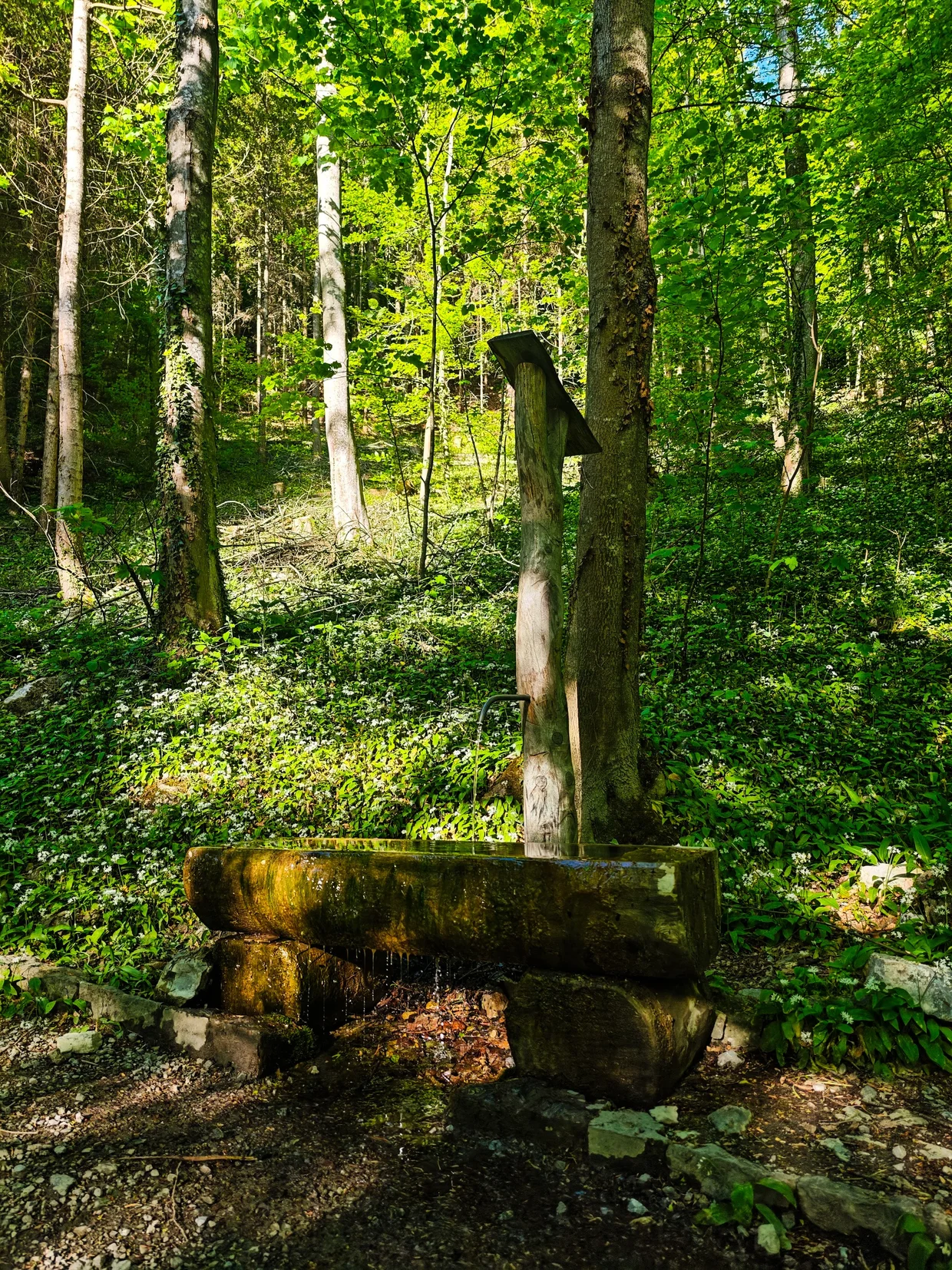
The hike is the actual reason to do this. The forest is cool, even when the valley is warm, and there are weird little features along the way: an old stone fountain that looks medieval, a couple of side-paths that go nowhere obvious, signs in German nobody reads.
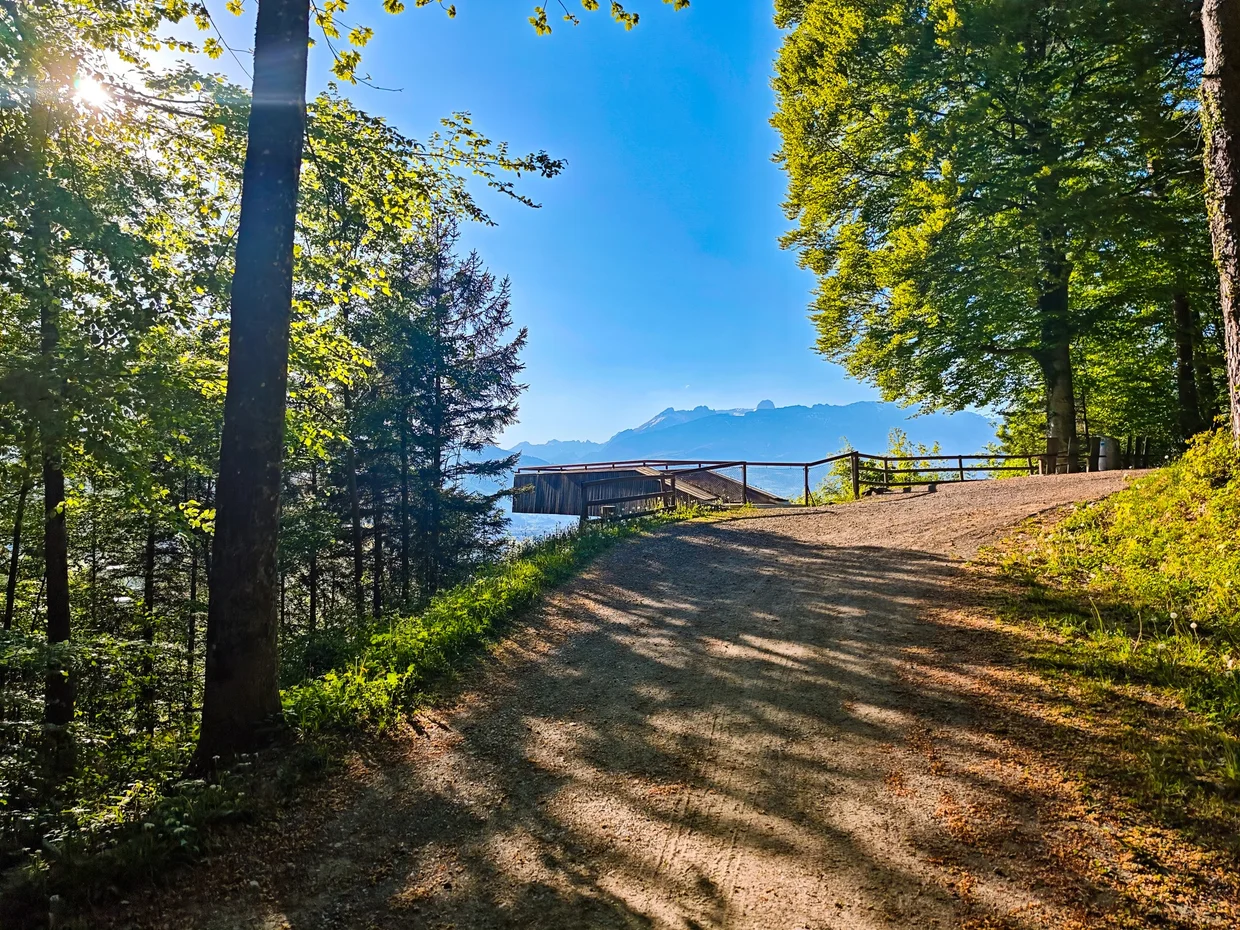
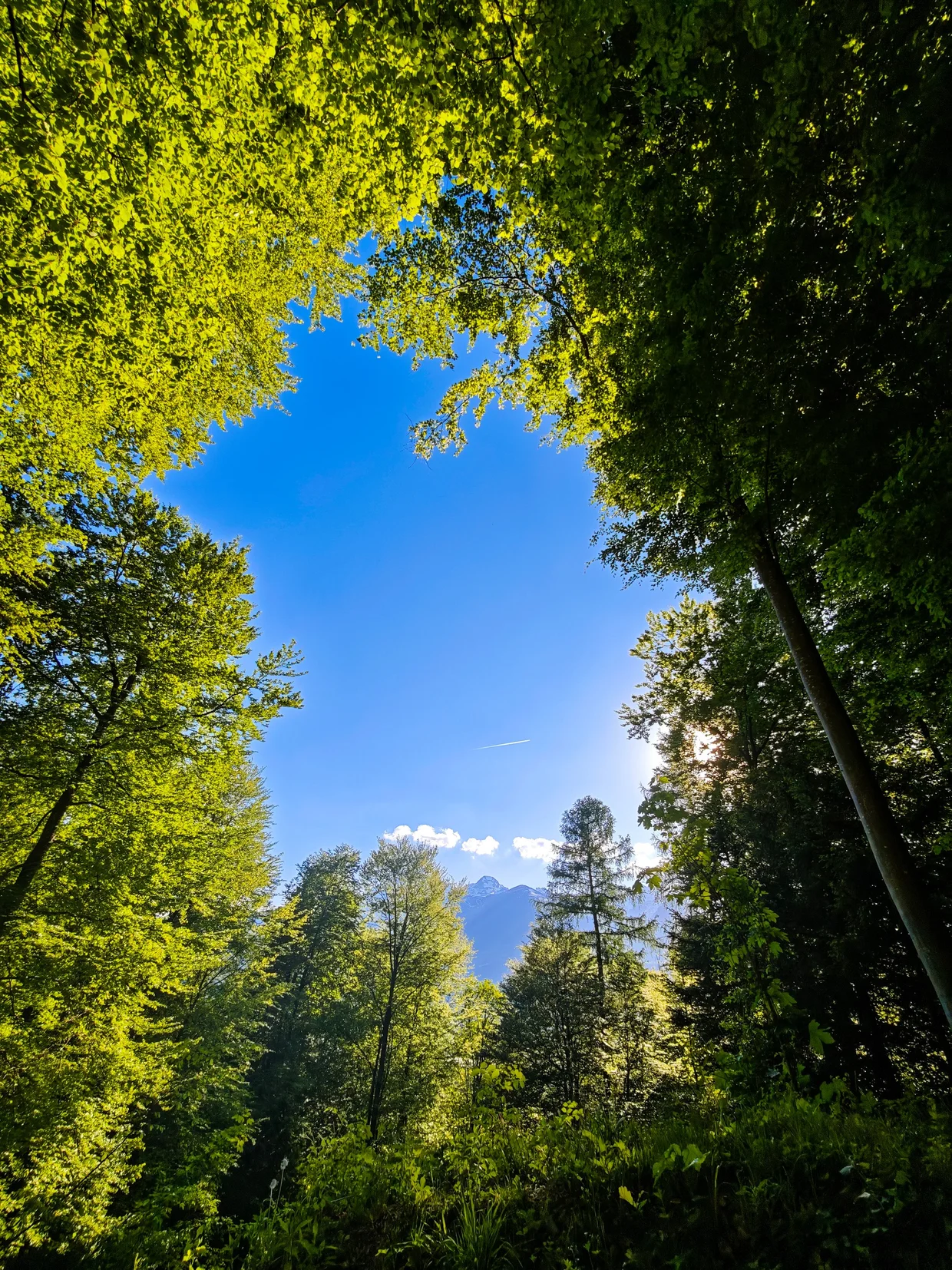
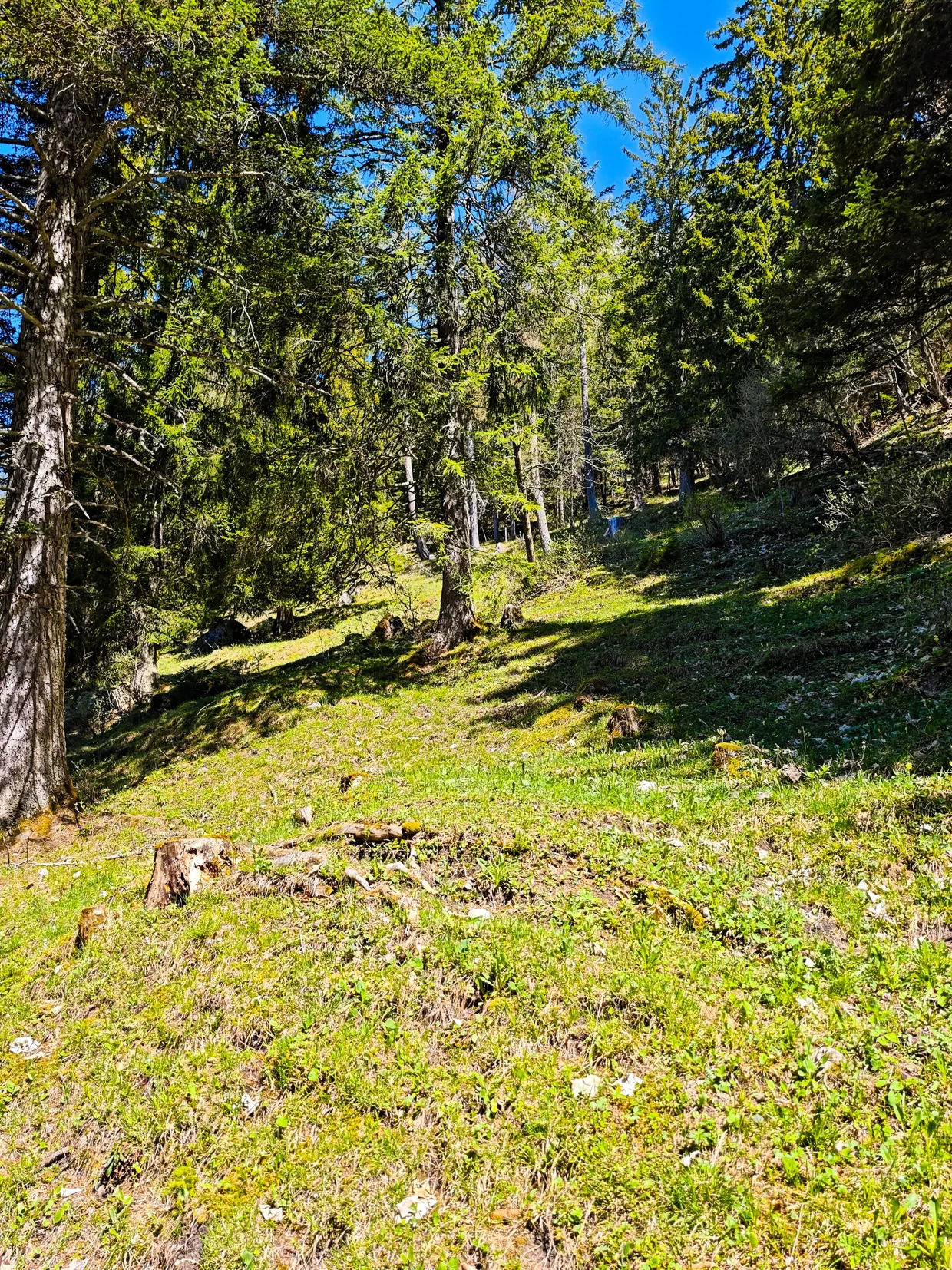
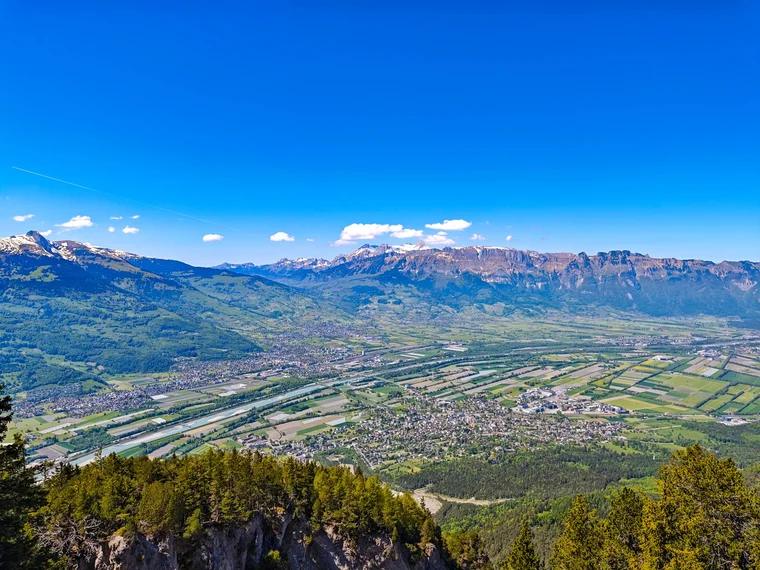
The view at the top is the payoff. You're looking down at the entire country (basically), the river snaking through the valley, the Swiss Alps lined up across the way, and your own car parked in a lot you can almost spot from up there.
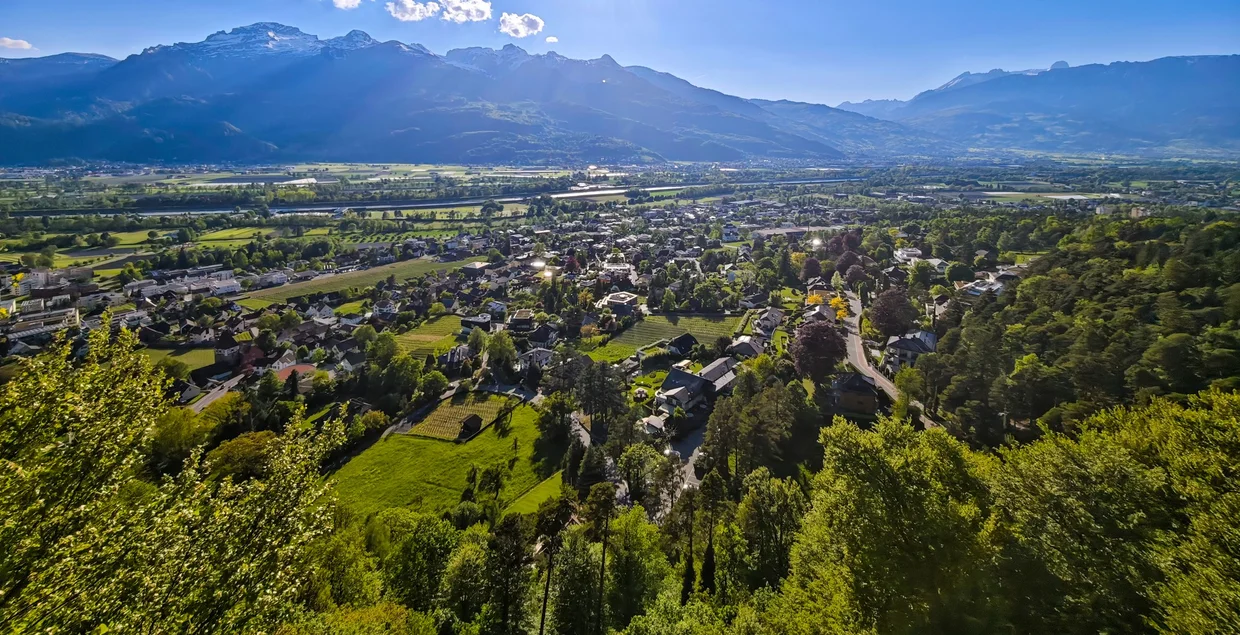
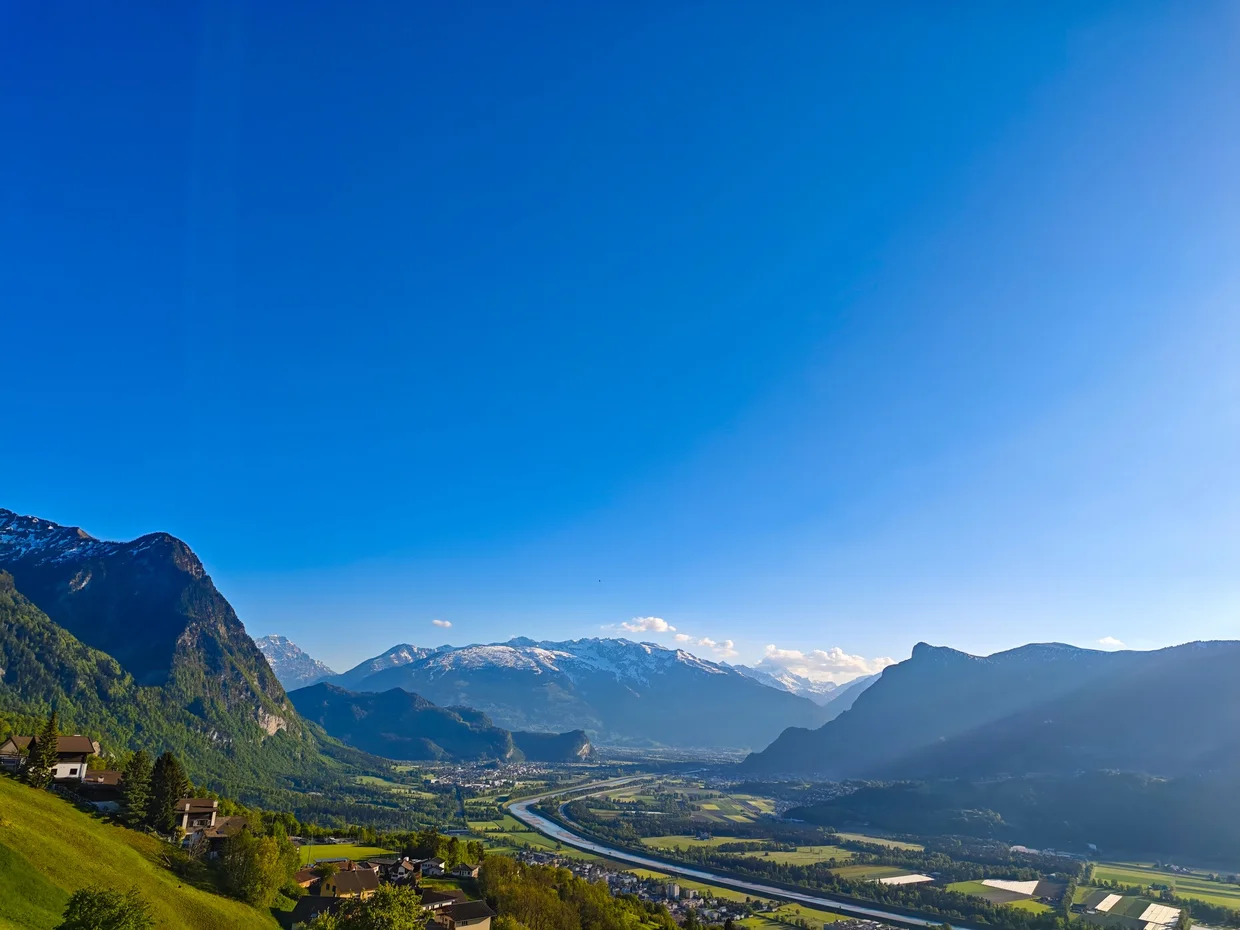
Take a snack. There's nothing to buy up there.
Gutenberg Castle: The One You Can Actually Visit
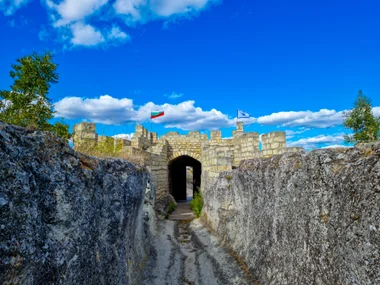
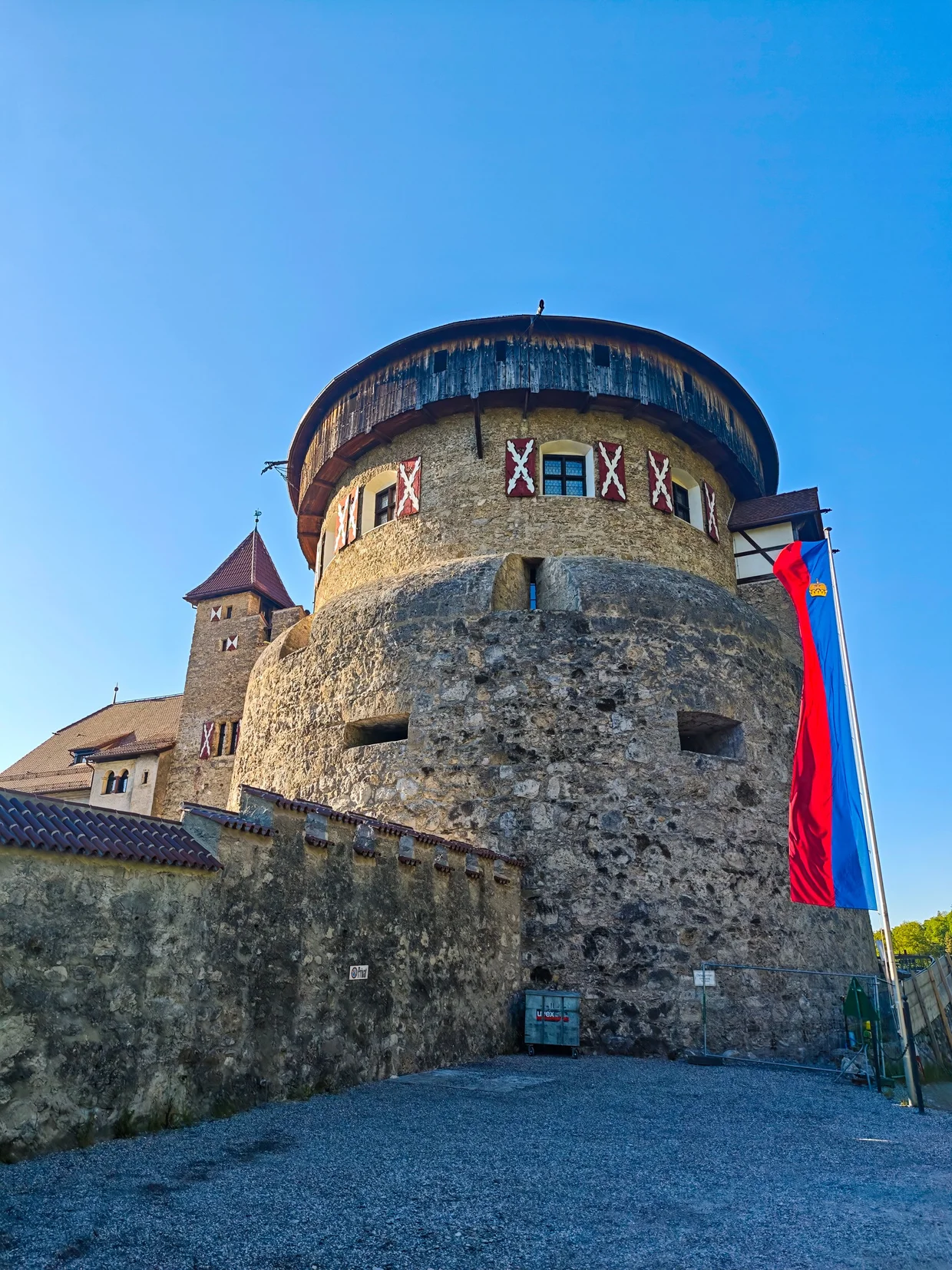
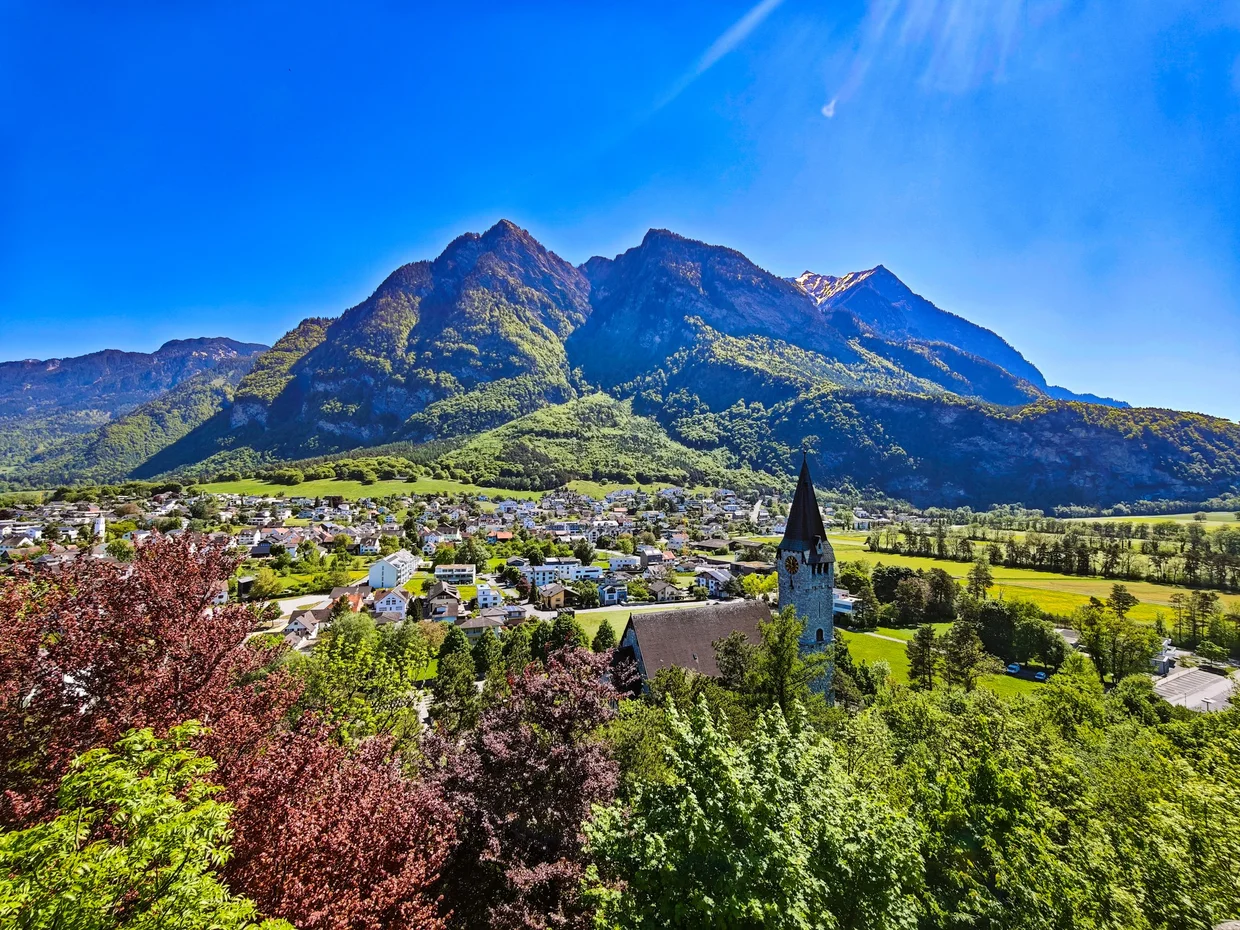
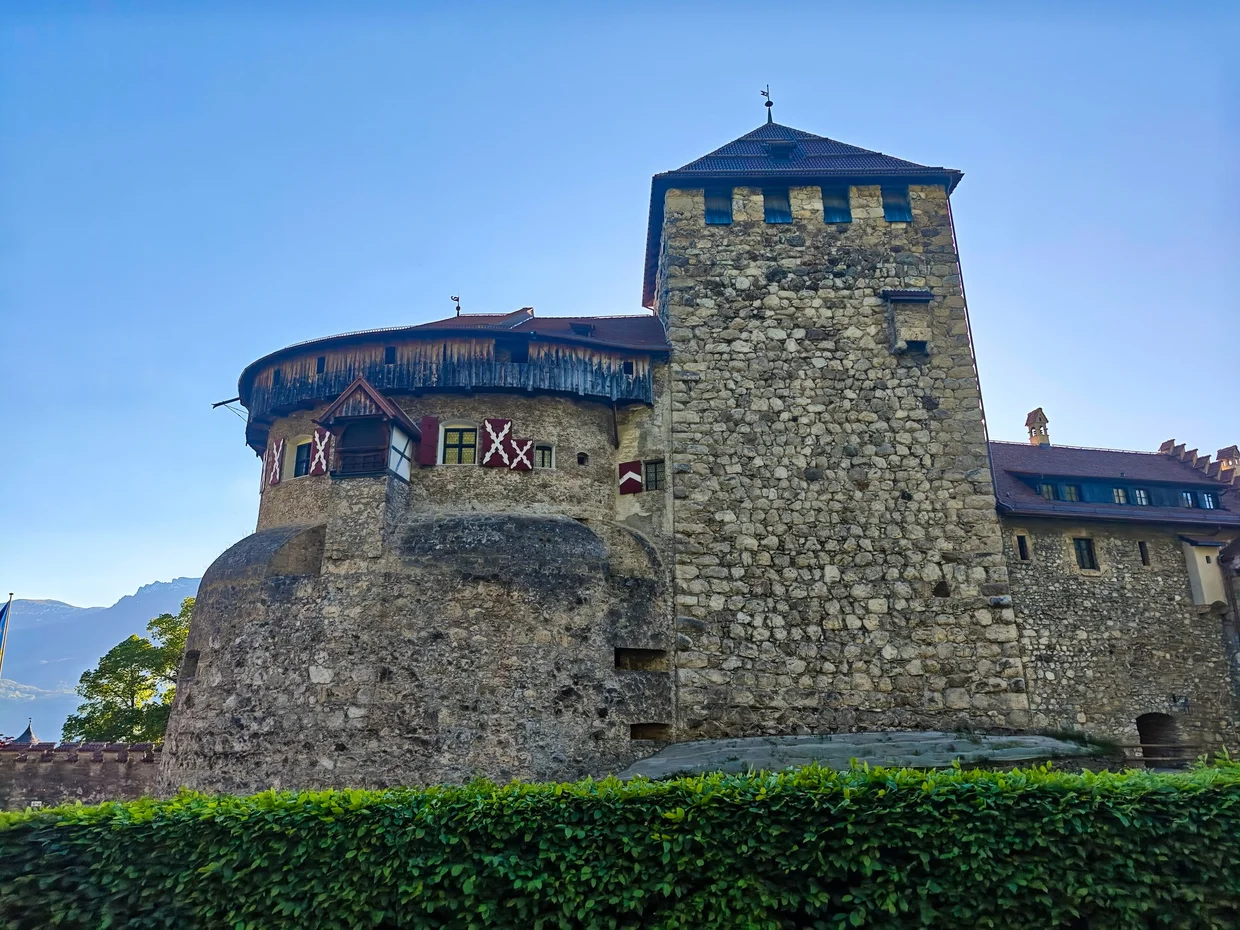
Down in Balzers, at the southern end of the country, sits Burg Gutenberg. This is the castle you can get inside. Sort of.
The outer bailey is open year round and free to walk into. That part is the easy win. Walk up the cobbled path, sit on the wall, take photos of mountains, leave. It's a 45-minute thing if you don't rush.
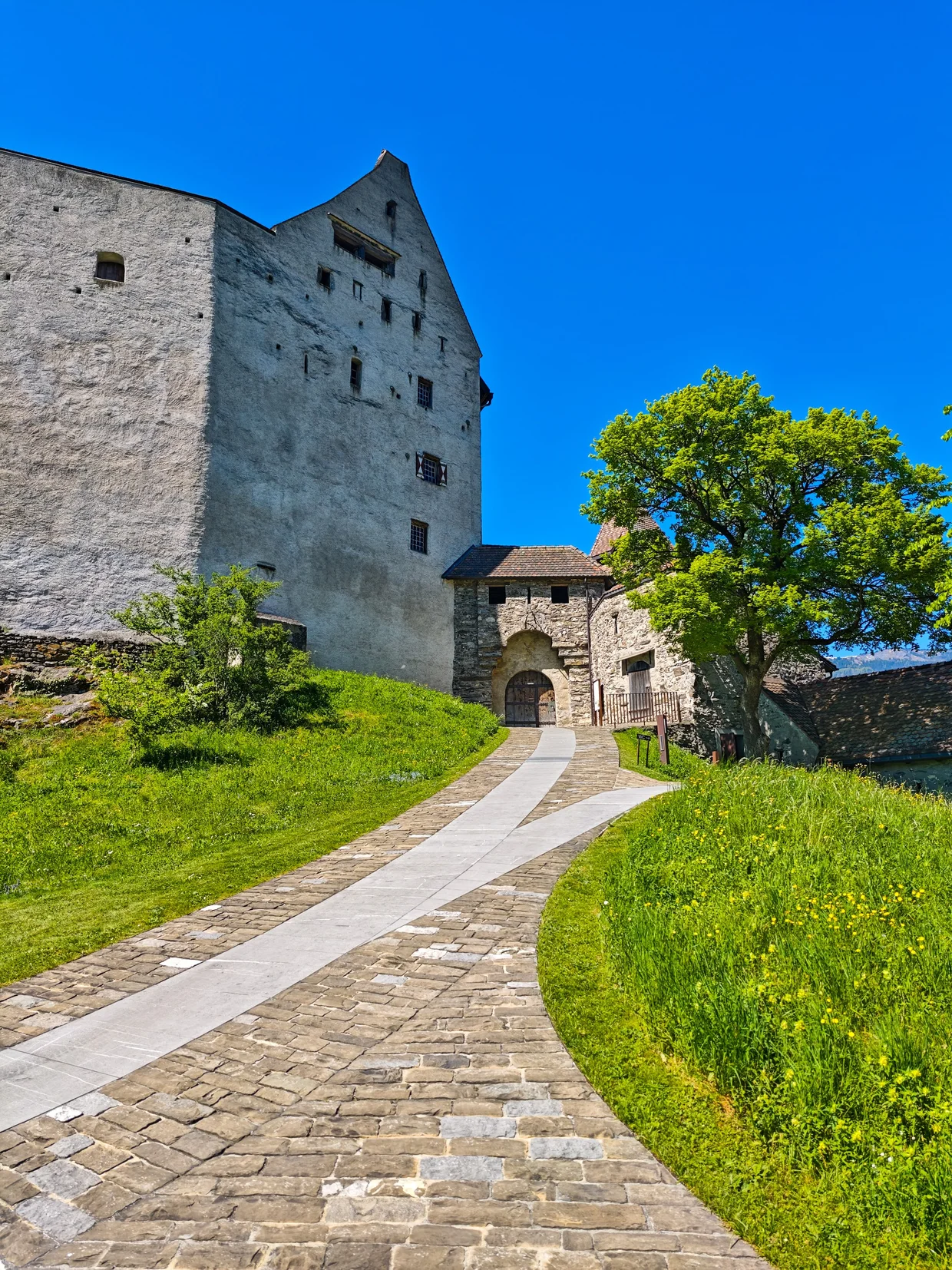
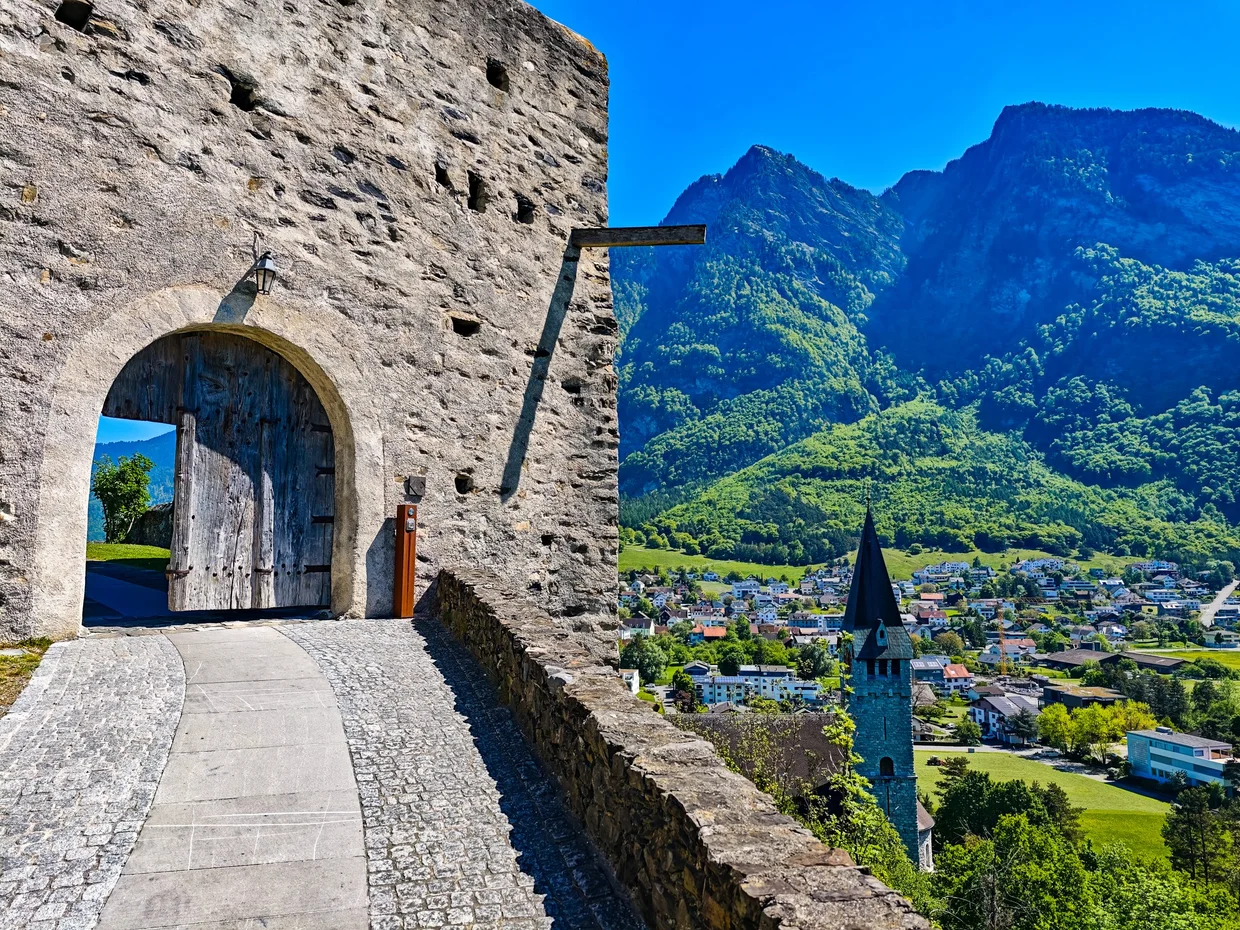
The more interesting access is seasonal. The chapel and rose garden usually open on Sundays from May through October, while the castle rooms themselves are not a casual walk-in sight; they are generally limited to guided tours or events. So if you're rolling through on a Friday like I was, you stand outside, peer through the windows, and console yourself with the view.
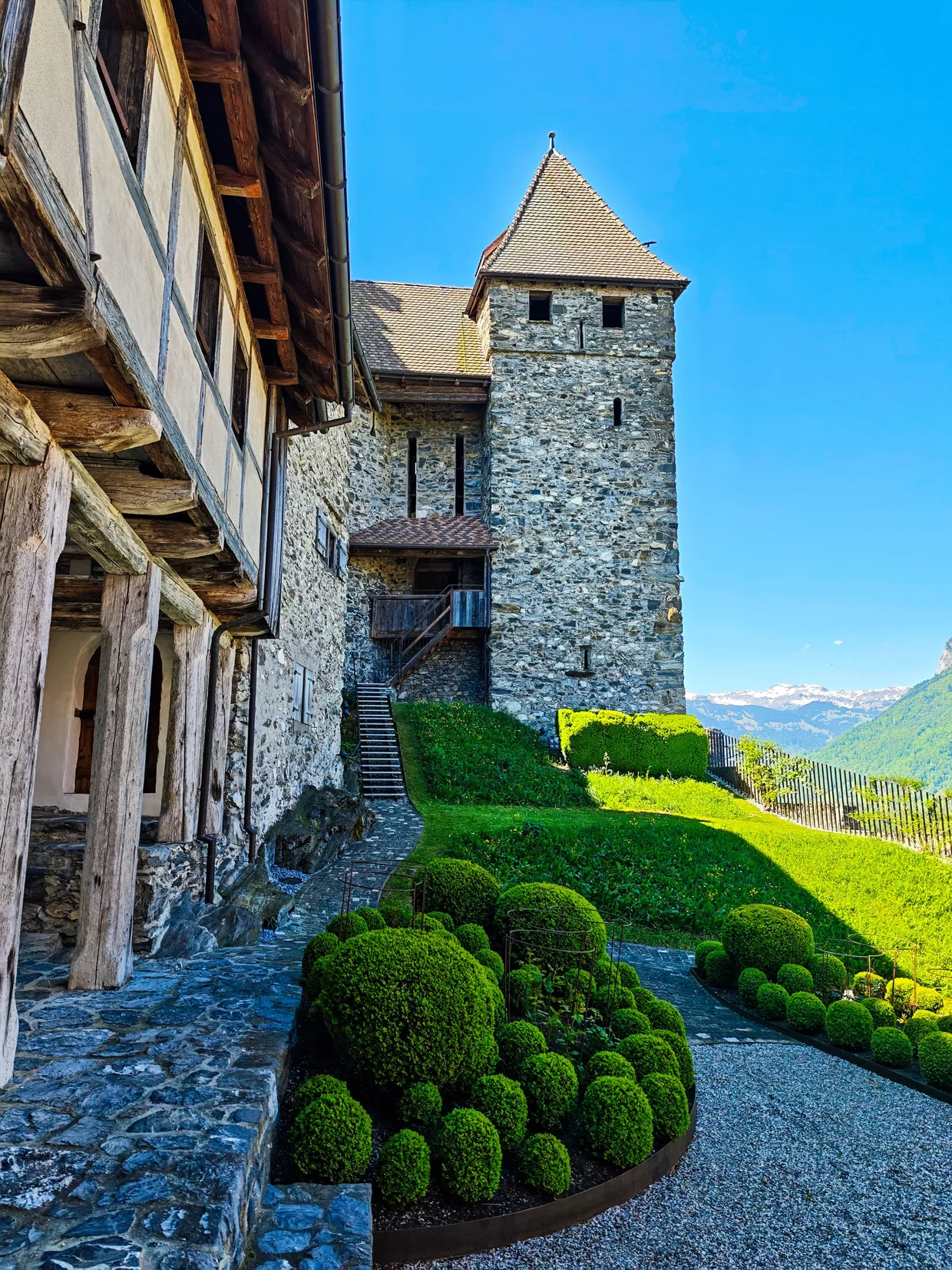
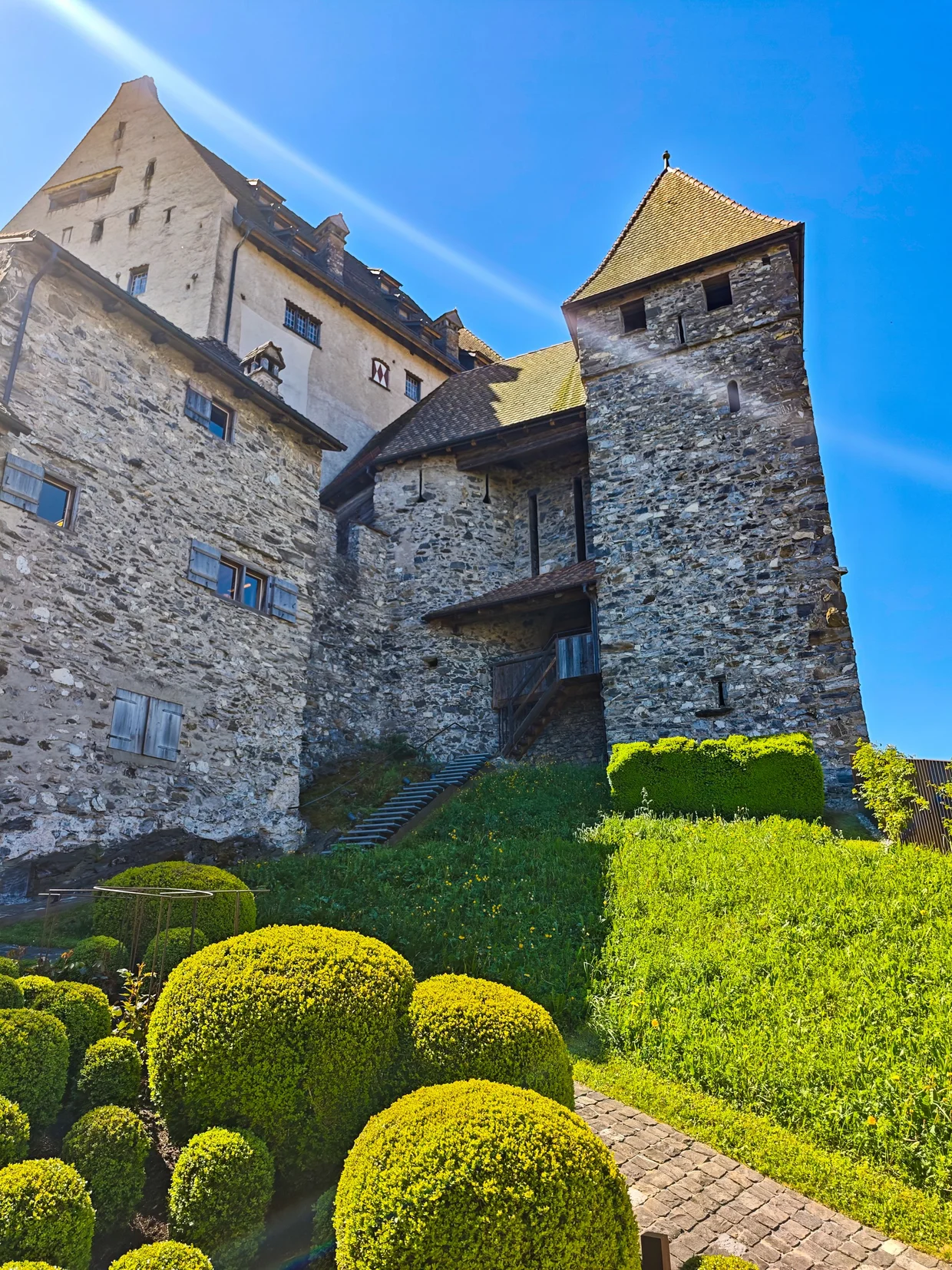
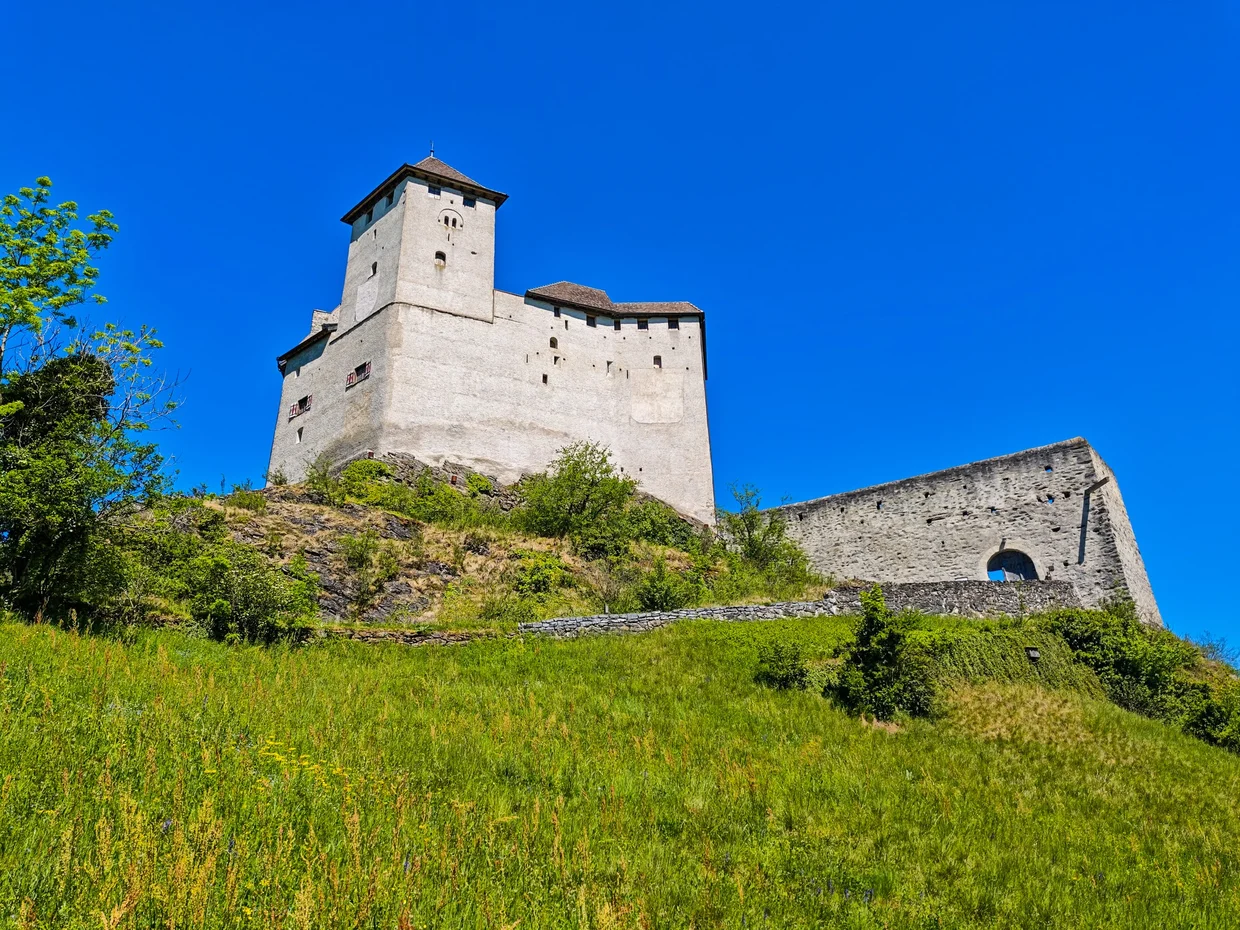
The setting is the real selling point. Balzers itself is a quiet village with a couple of churches, vineyards stepping up the slopes, and that view of the Alps that just keeps doing its job. The walk up to the castle through the vineyards is the kind of stroll that makes you feel like you're in a Pixar movie.
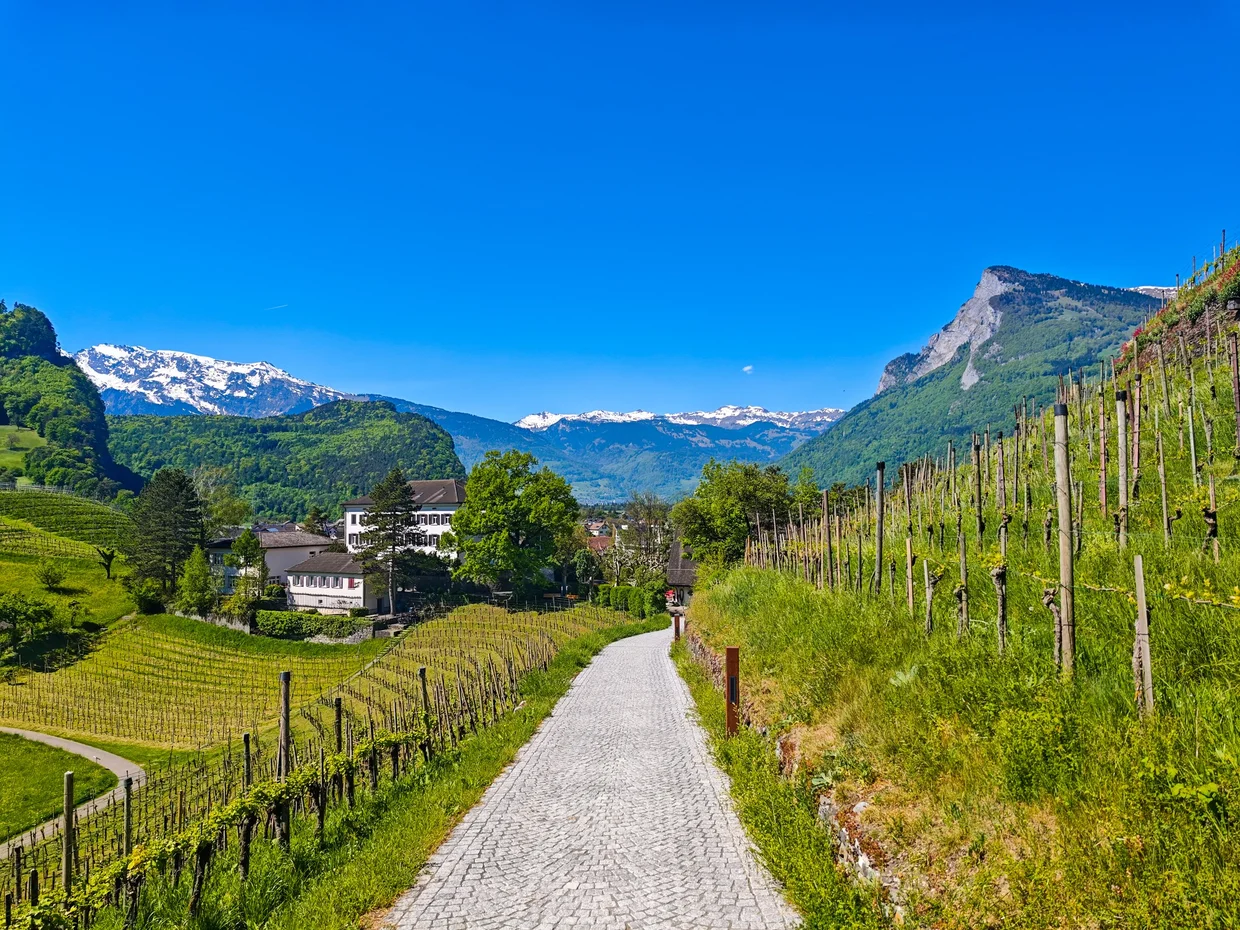
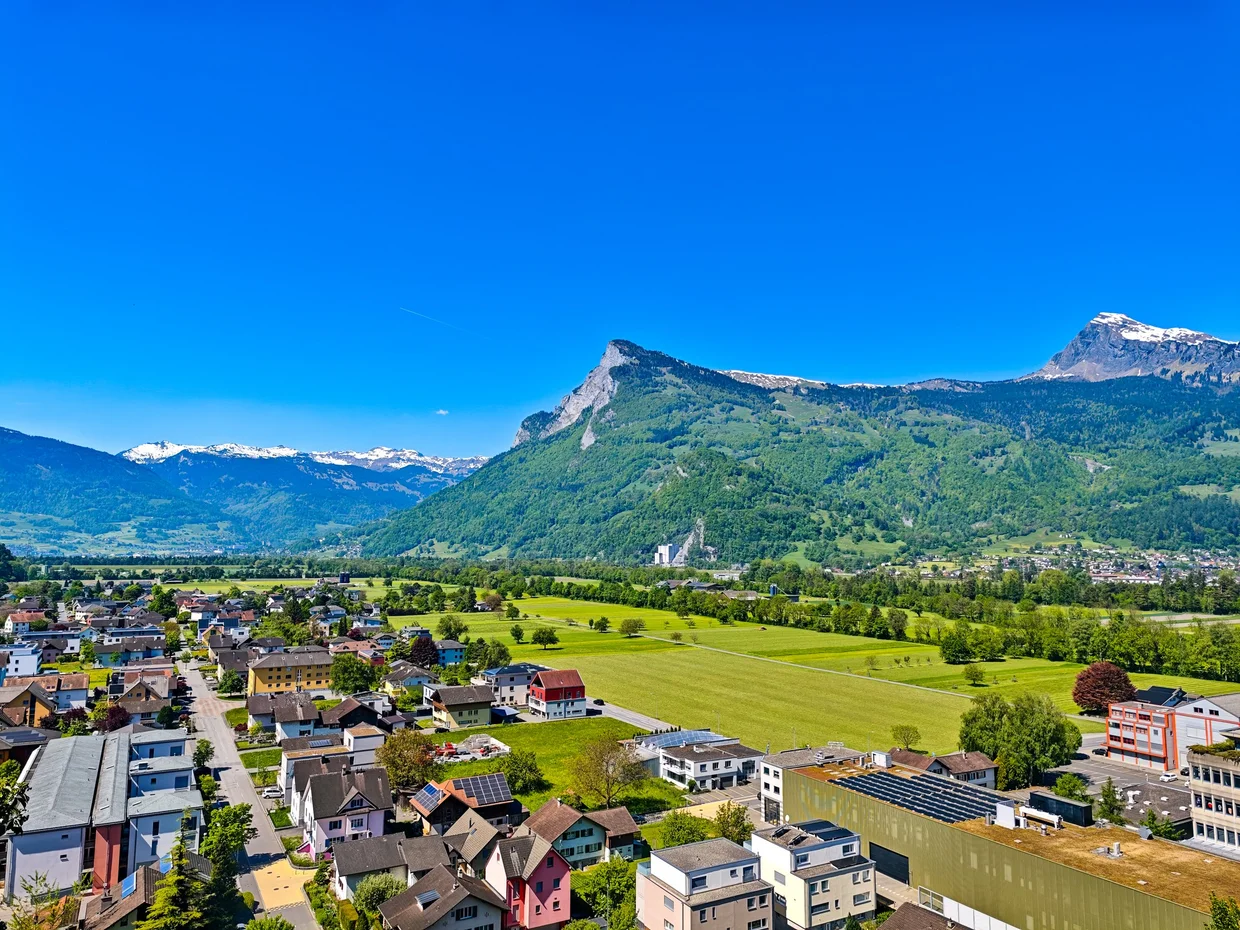
If you only do one castle, this is the one I'd pick. Vaduz Castle has the iconic look. Gutenberg has the access.
Malbun & The Mountains
Malbun is the alpine bit. A small ski village at around 1,600 meters, tucked into a side valley in the southeast of the country. In winter, roughly December to early April when snow cooperates, it does ski-resort things on a small scale. In the spring gap before the summer lifts, when I was there, the snow was patchy on the lower slopes and lingering on the high ones, and the village was almost completely shut.
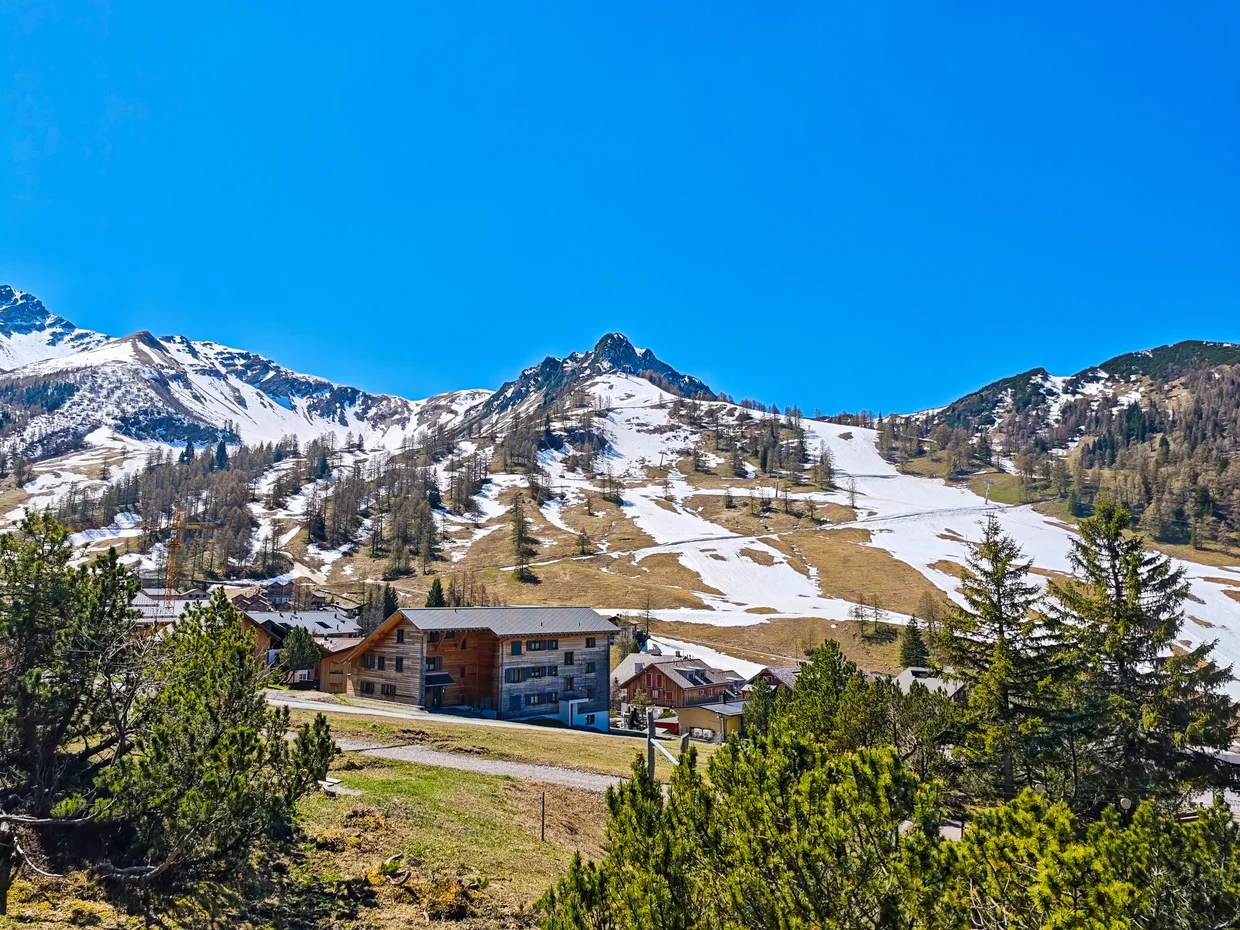
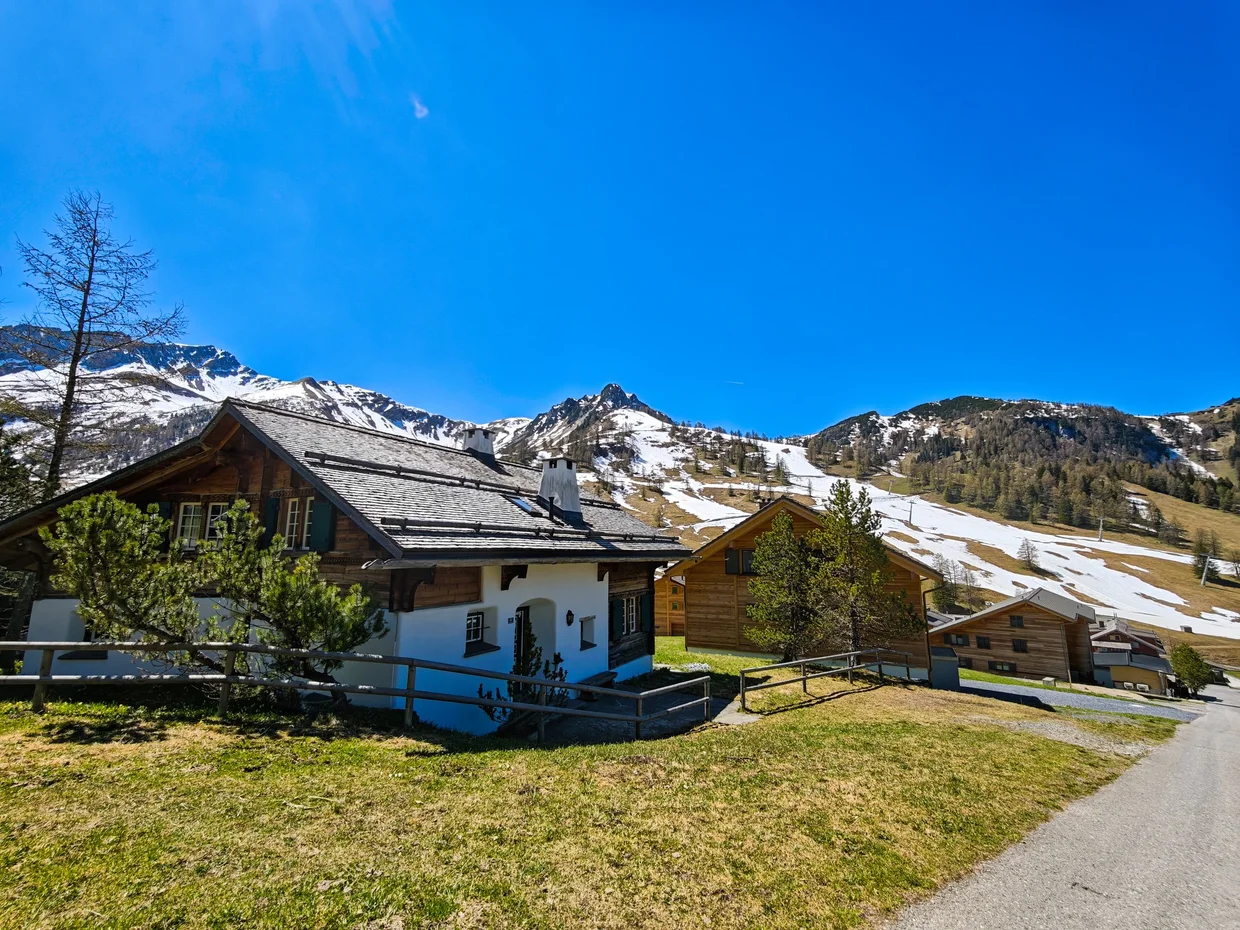
That's the thing about Malbun between seasons: it's a ski village that has clocked off but has not fully woken up for hiking yet. Restaurants closed, lifts not running, hotels mostly shut. You'll find a couple of places open if you really need a coffee, but the vibe is "come back in June or December."
What you can do is walk. The trails are good, well-marked, and quiet in the most literal sense, because there's nobody else on them. The hike from the village down through the Saminatal valley is gentle and beautiful, with mossy spruce forest, snow patches in the gullies, and the kind of total mountain silence that's actually rare in the Alps.
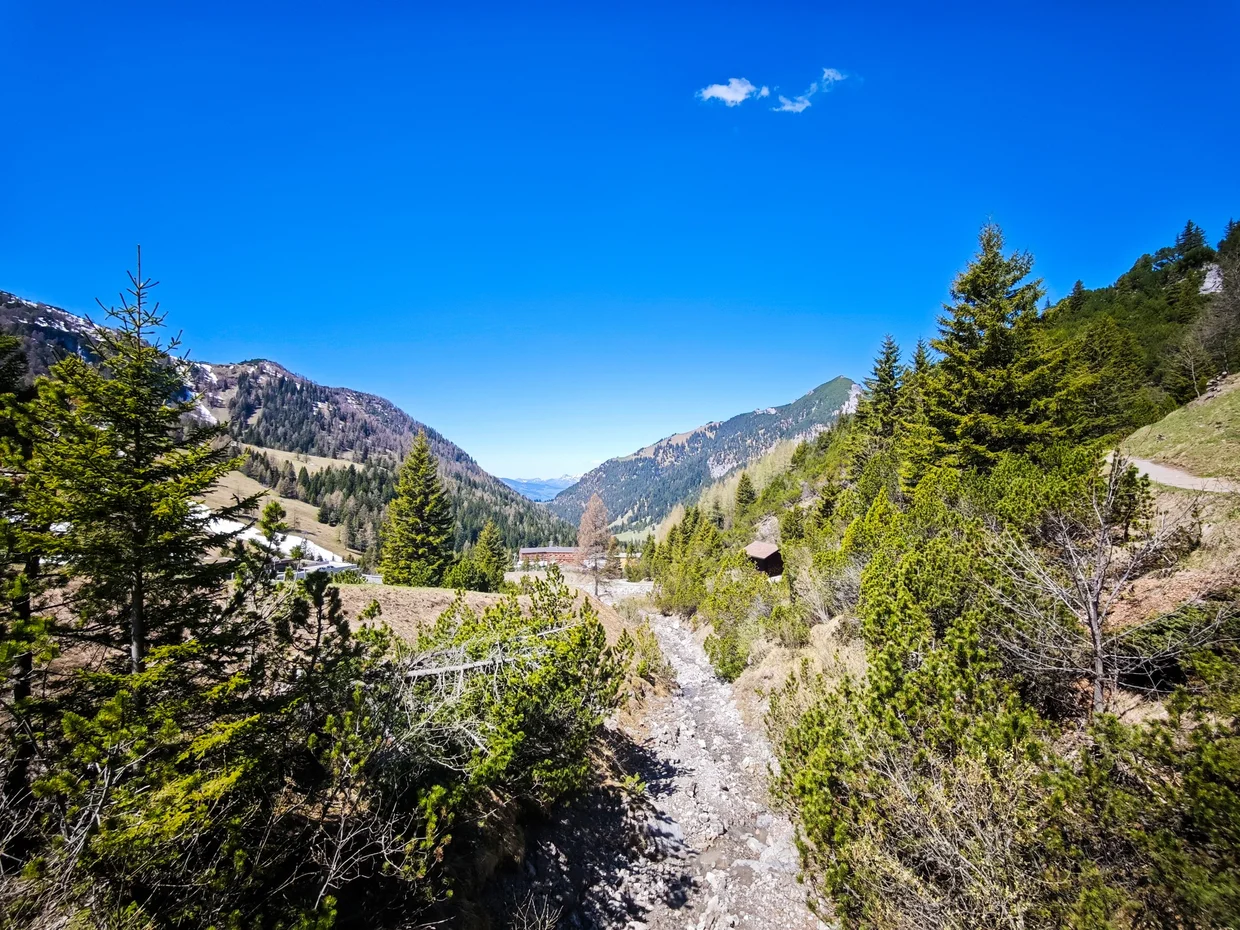
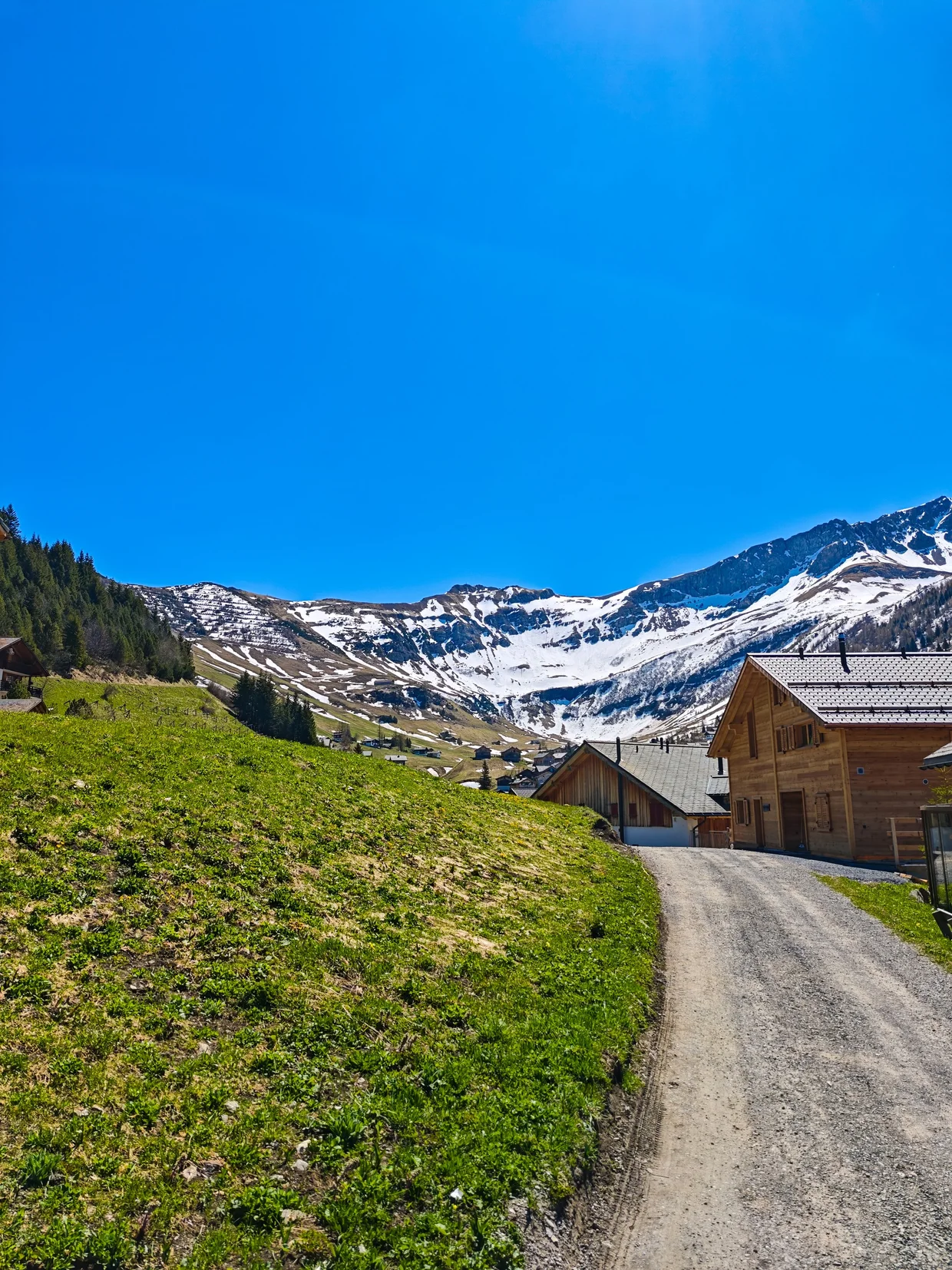
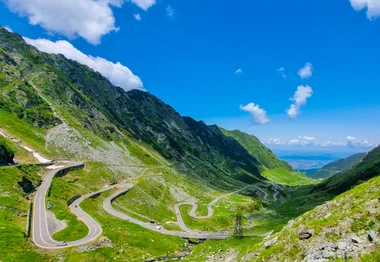
Driving up there is easy. The road from Triesenberg climbs through forest in a series of hairpins, but it's a wide modern road with proper guardrails and almost no traffic. I drove it on a holiday weekend and counted maybe four other cars on the way up.
Triesenberg & The Best Views in the Country
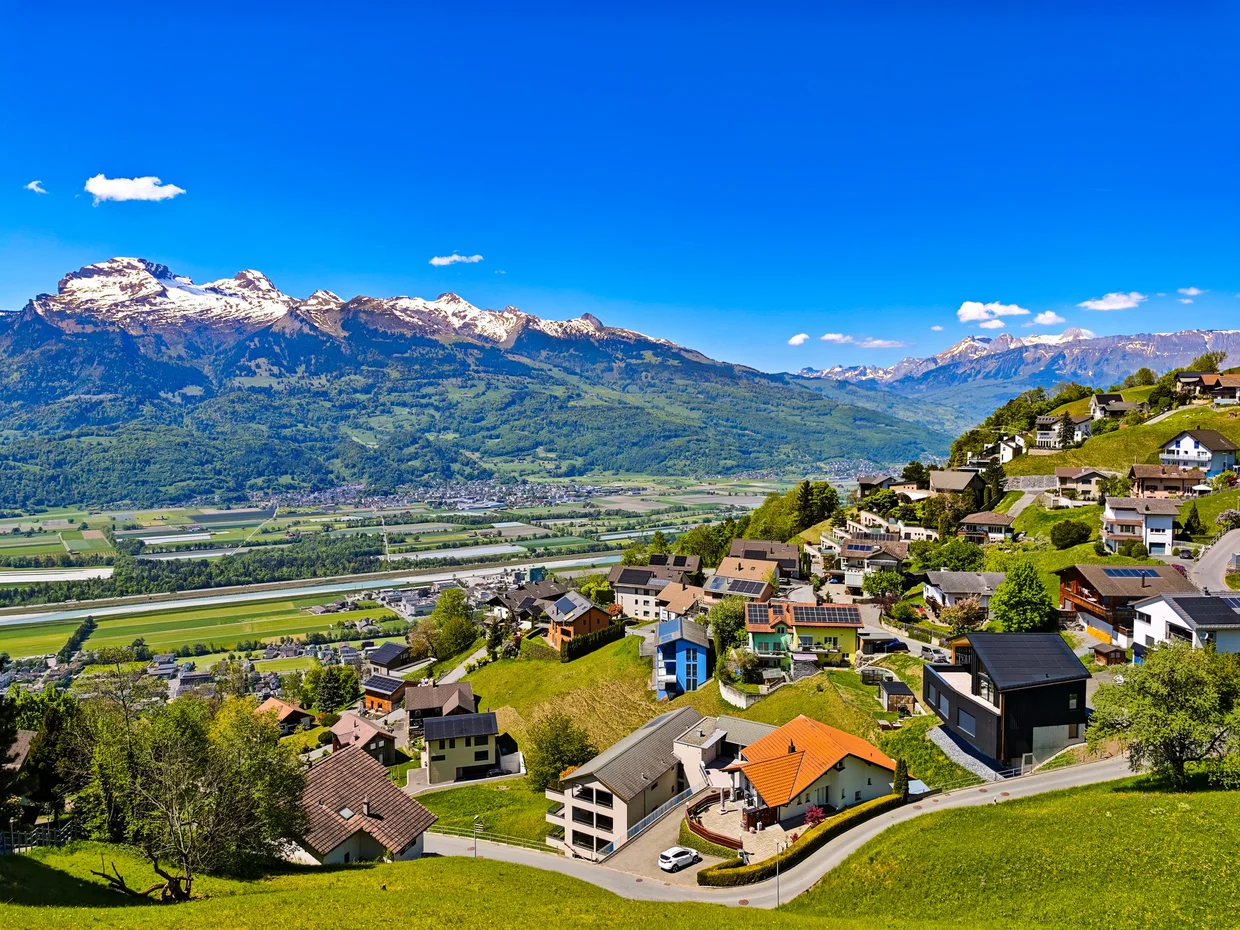
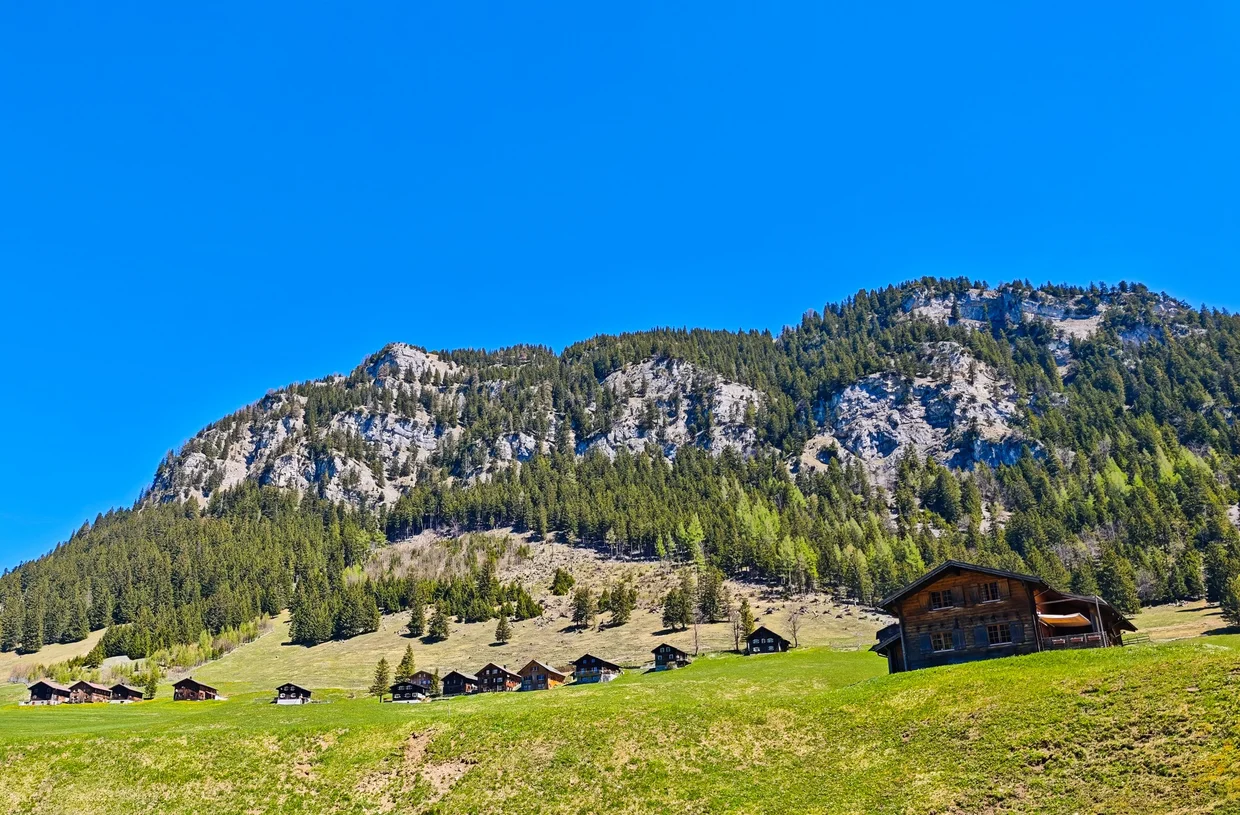
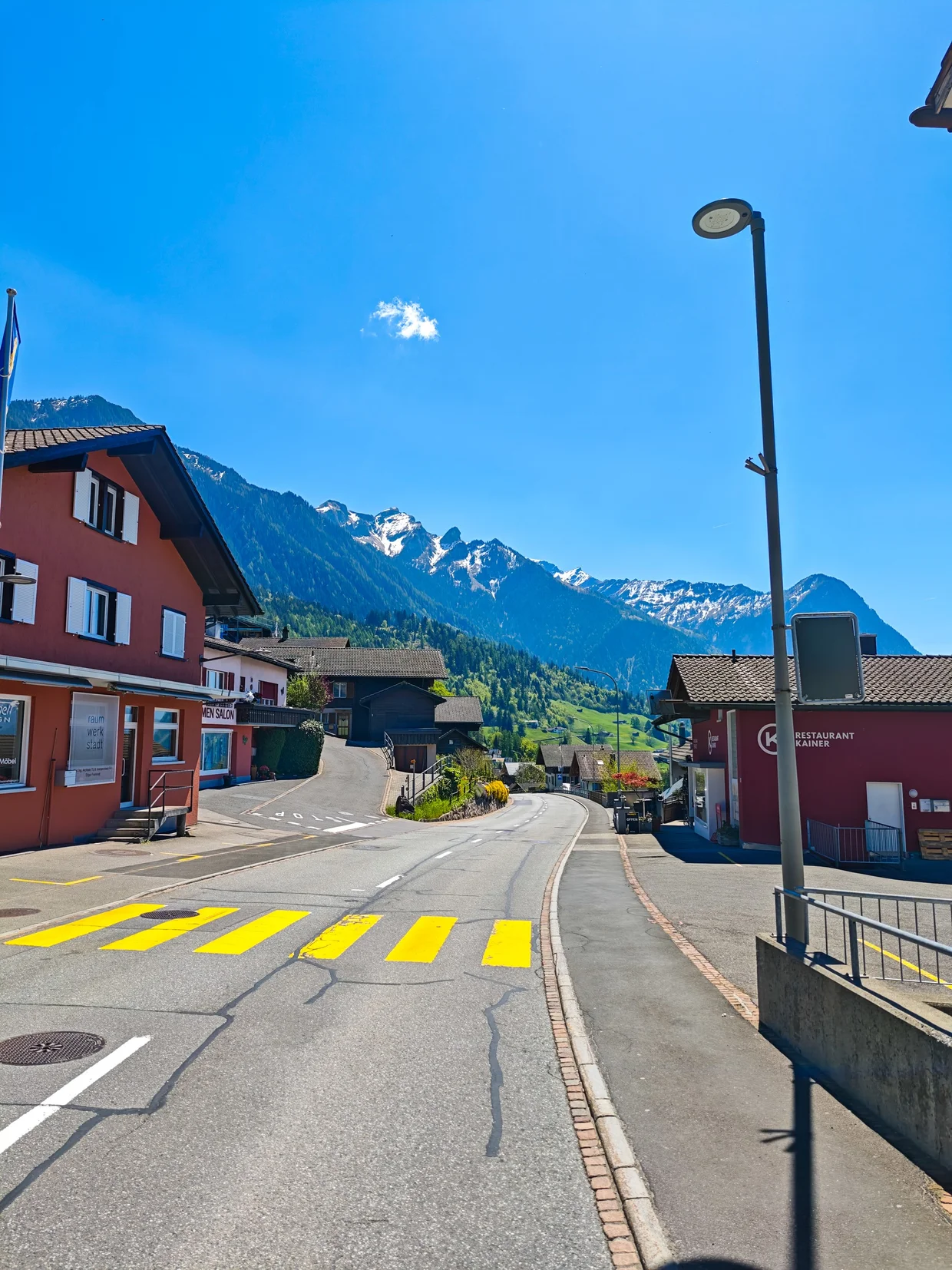
Halfway between Vaduz and Malbun, perched on the slope of the mountain, is Triesenberg. It's a string of houses and small businesses spread out along a hillside road, with views down across the entire Rhine valley that genuinely outclass anything you get from the valley floor.
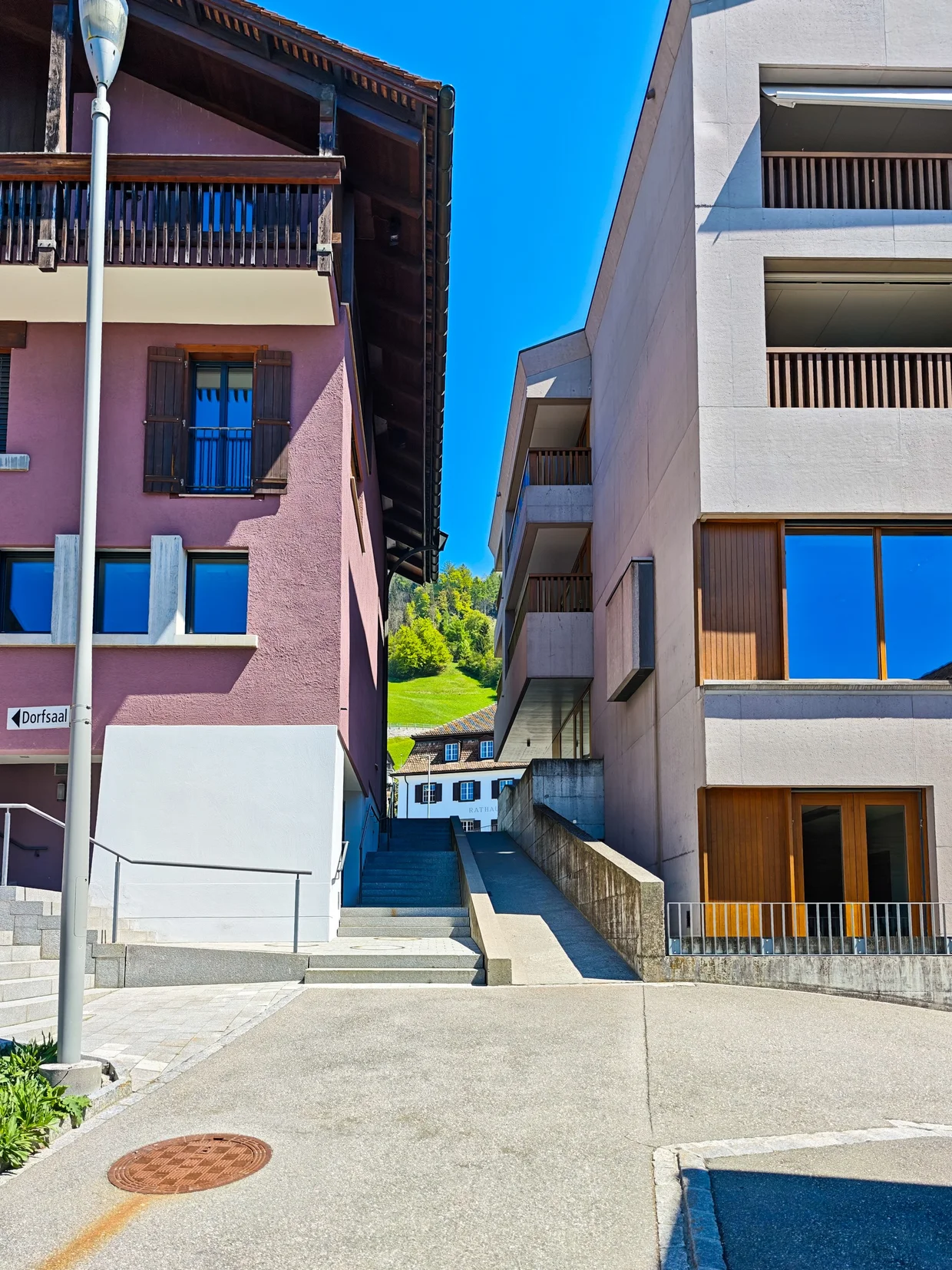
The village itself is small, and on a quiet weekday you'll hear birdsong, the occasional car, and cowbells. Lots of cowbells. That's the actual soundtrack up here, a constant distant dingeling drifting across the slopes, and every time I hear it I wonder how the people who live with it day in, day out don't quietly lose their minds. The centrepiece is St. Joseph's Church, an onion-domed parish church that looks more Bavarian than Swiss. Next to it sits the Rathaus (town hall), which is also tiny and tidy.
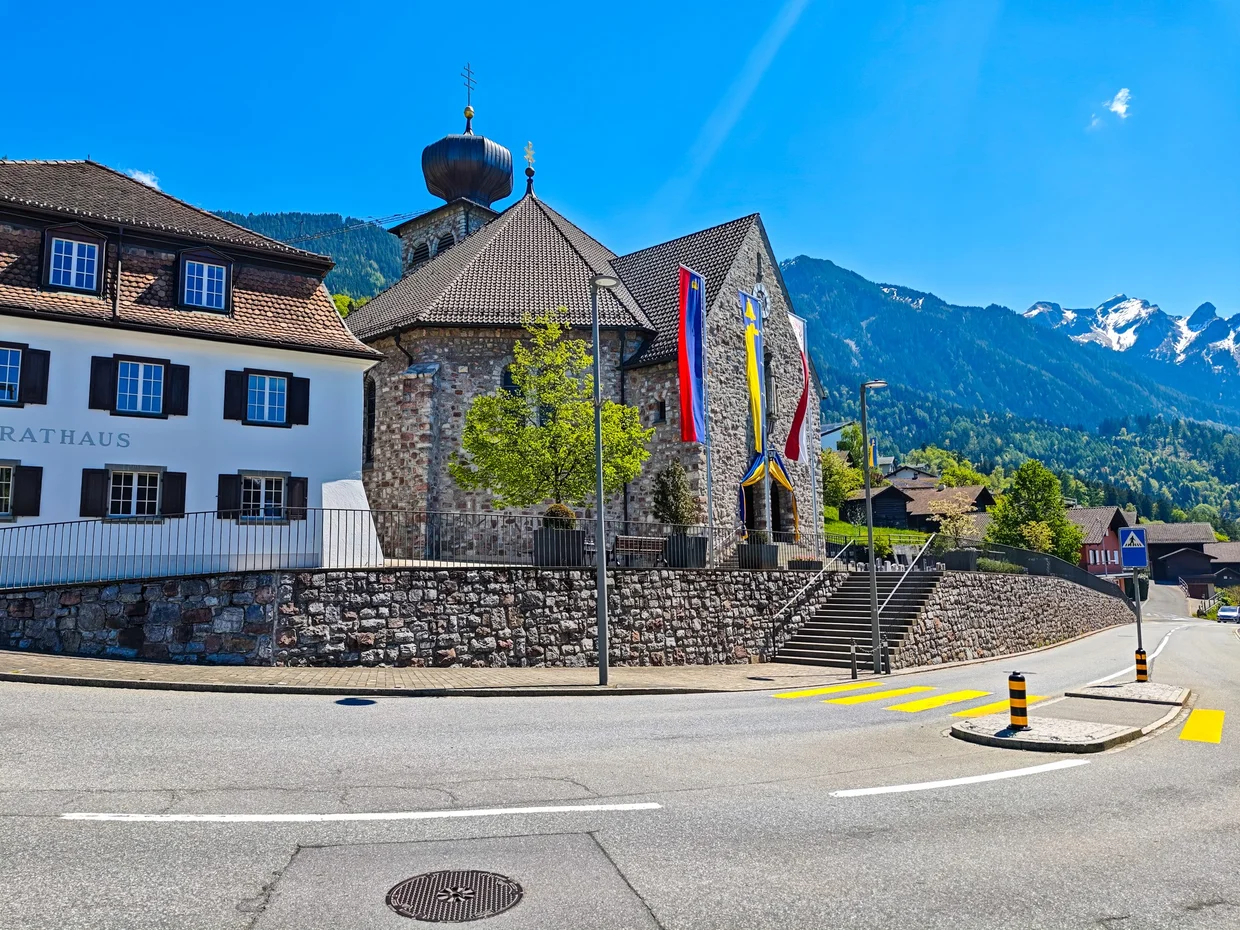
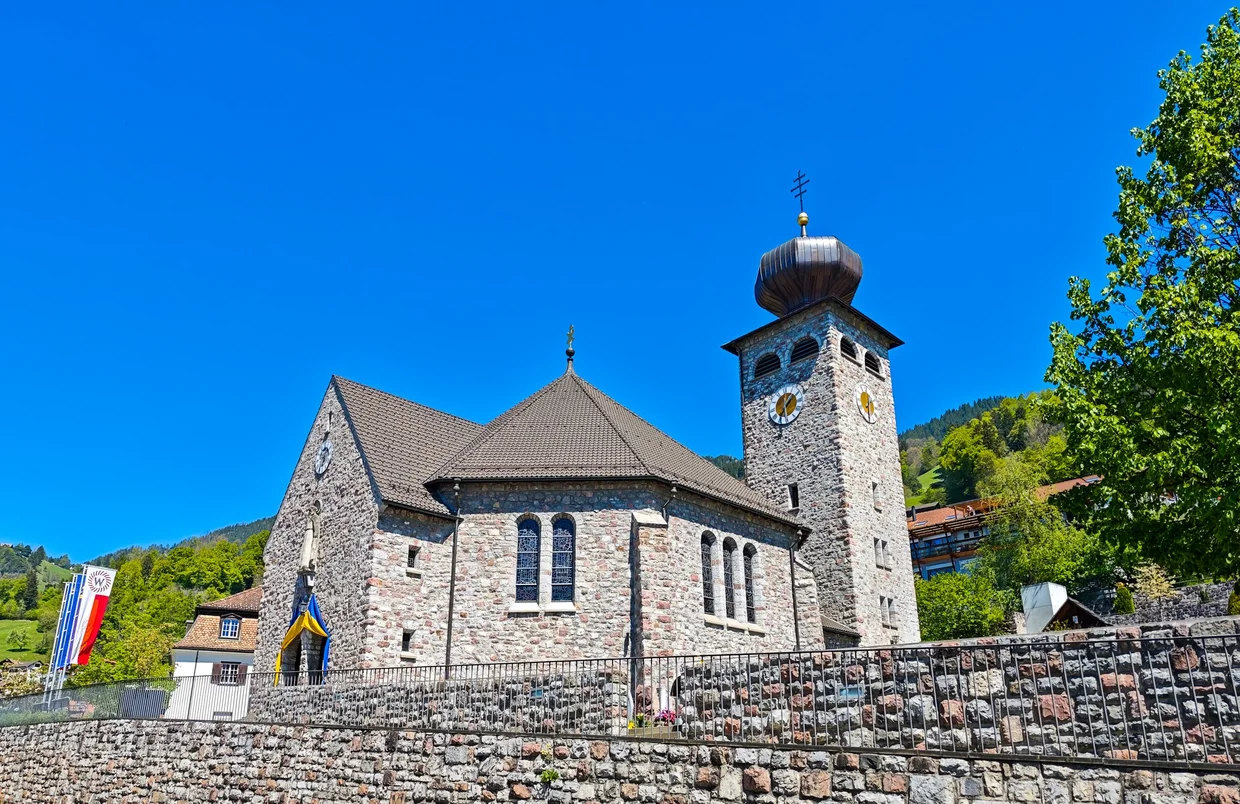
There's not really anything to "do" here in the activity sense. You stop, you look at the view, you wander down the main street for ten minutes, maybe grab a coffee or a plate of something at one of the handful of cafés and restaurants, and you get back in the car. The pleasure is in the looking.
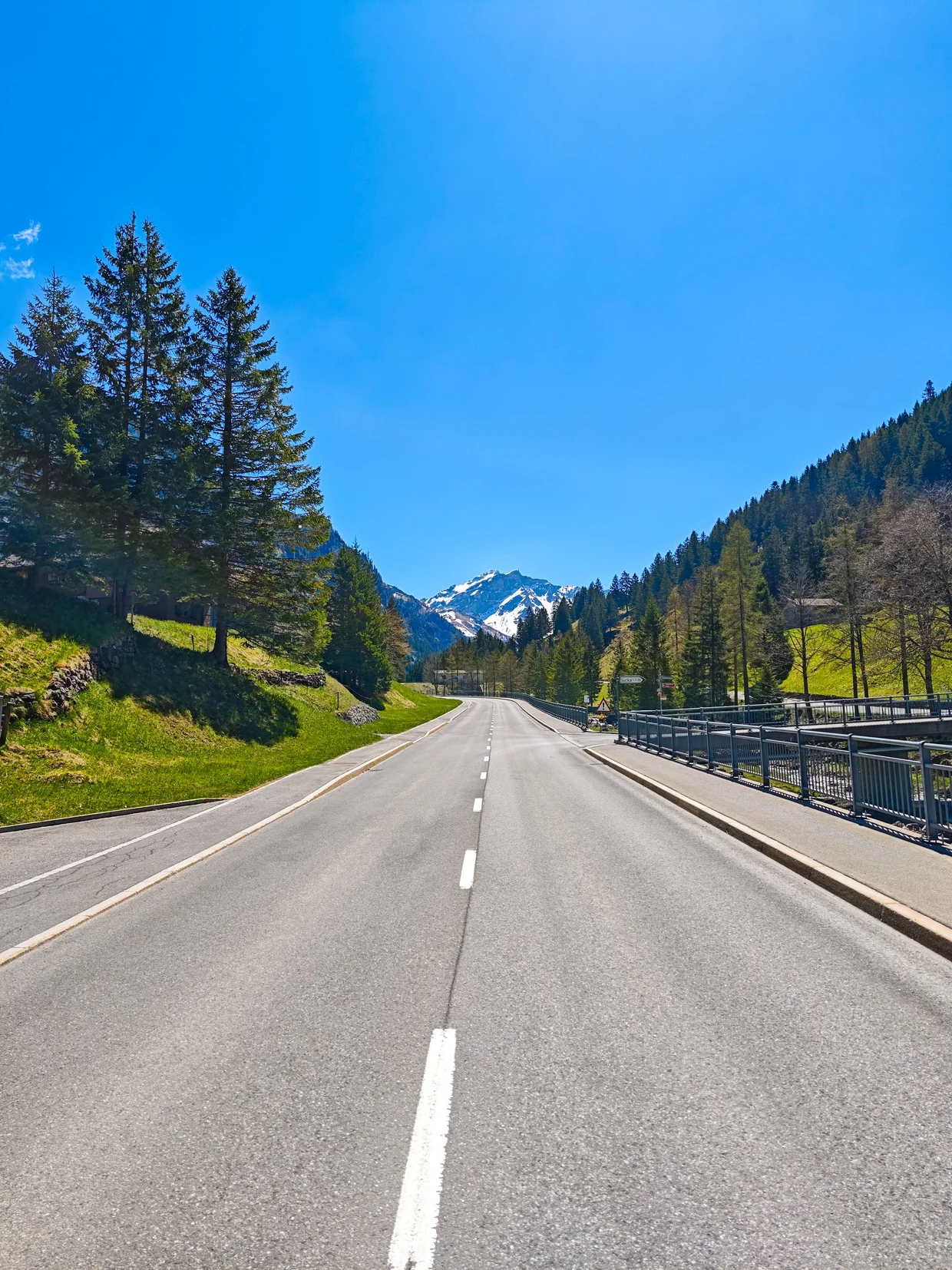
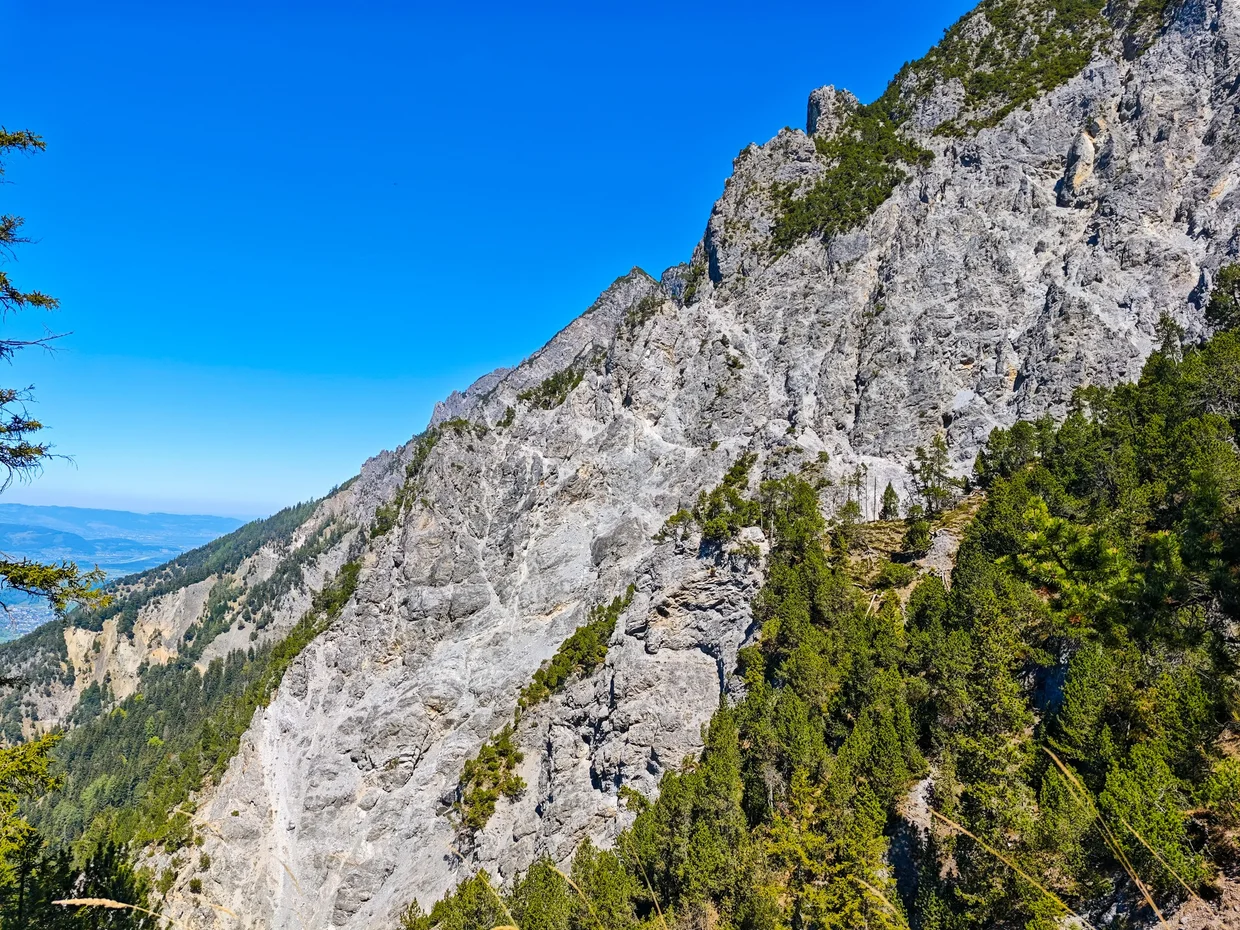
Combine Triesenberg with Malbun on the same trip up the mountain. They're 15 minutes apart by car and the route is the same.
What to Do
There are many things to experience, to see and to do in Liechtenstein. These are my personal highlights.
Gutenberg Castle (Burg Gutenberg)
Vaduz Castle (Schloss Vaduz)
Malbun & The Saminatal Valley
See the full what to do in Liechtenstein guide.
Costs: Bring Your Wallet
Liechtenstein is pricy. Like, really pricy. I want to make sure that lands properly because it's the thing that surprises people coming in from elsewhere in Europe.
The country uses the Swiss franc, shares a customs union with Switzerland, and has Swiss prices on basically everything. A coffee costs Swiss-coffee money. A meal costs Swiss-meal money. A hotel costs Swiss-hotel money.
The clearest data point I can give you: I had the most expensive McDonald's burger of my life, so far, here. By a wide margin. If a Big Mac is your benchmark for global cost-of-living, Liechtenstein is at the top of the leaderboard.
The prices shown here are meant as a rough guide and can vary over time. While I update exchange rates regularly, local prices are typically refreshed only when I revisit the destination.
If you're coming over for a single day from Switzerland or Austria, the prices will feel about the same as wherever you came from. If you're coming up from anywhere else in Europe, brace yourself.
Best Base
Where to Stay
Vaduz
Vaduz is the default and the right call for most visits. You're a five minute walk from the Städtle pedestrian zone, the Government Building, the Cathedral, and the trailhead up to Vaduz Castle. Hotels here range from boutique stays in older buildings near the centre to standard mid-range hotels along the main road. The whole town is walkable, the streets are quiet at night, and outside the immediate centre you're already among trees and tidy gardens. The trade-off is price: you're paying Swiss-franc rates for a small selection of rooms, and weekends fill up faster than you'd think for a town this small. Worth it for the location.
Getting Around
Rental car. This is what I'd recommend. Driving in Liechtenstein is genuinely calm. Roads are in immaculate condition (of course they are), traffic is light even on weekdays, and signage is in clear German with the occasional English overlay. You can pick up a rental in Zurich and be in Vaduz in around 90 minutes; from St. Gallen-Altenrhein or Feldkirch, the border is typically under an hour. The whole country is small enough that you'll never drive more than 30 minutes between any two interesting places.
Public transport. Liechtenstein has a single bus operator (LIEmobil), and the buses I saw running looked clean, frequent, and probably useful. They cover Vaduz, the surrounding villages, and the route up to Triesenberg and Malbun. I didn't actually use them (I had a car) but they appeared to be doing the job. If you're not driving, this might be a way to see the country, just expect more time spent waiting at stops.
Walking. Vaduz itself is fully walkable. Anywhere outside the capital you'll want either bus or wheels. Distances are short, but the slopes are not flat.
Trains. There's basically one stretch of track passing through the country and a handful of stations, but no useful internal rail network. If you're arriving by train you'll likely come into Sargans (Switzerland) or Buchs (Switzerland) and connect by bus from there.
Taxis and rideshare. Limited. Don't plan around them.
Best Time to Visit
Late spring through early autumn is the easy answer for Vaduz and the Rhine valley. For Malbun, treat mid-June through September as the reliable hiking window: the summer lift season usually starts in June, snow can linger into early summer, and weather decides the highest trails.
May, June, and September are the sweet spots for the country as a whole. May is excellent in the valley but still shoulder season up in Malbun; June and September are better bets for high trails, summer lift access, warm-enough weather, and the country looking its postcard best.
July and August are a notch warmer in the valley (low to mid 20s°C) and a notch busier in Malbun for hiking, but Liechtenstein "busy" is still very calm by anywhere else's standard.
Crowds are basically a non-issue. I went on a long weekend that was a public holiday in most of Europe, with flawless weather, the exact combination that should pack the place. I saw two tour groups all day (one Chinese, one Polish) and was otherwise on my own at Gutenberg Castle, the Vaduz Castle viewpoint, and every path in between. So whatever date you pick, expect a quiet country, even when logic says it shouldn't be.
December to early April is the ski-season window for Malbun, snow permitting. If you're coming for the snow, this is the window. The valley itself usually gets light snow and freezing nights, but it's not heavy alpine snowfall down there.
The mountain shoulder months (April, May, late October, November) are a gamble. Lower elevations are fine. Malbun can be half-awake or mostly closed between lift seasons, and October depends heavily on the current lift schedule and weather.
Know Before You Go
A few small things that make a trip to Liechtenstein noticeably smoother. Here are the first four, the full list covers 20.
- 1
It's not in the EU, but Schengen applies
Liechtenstein is in Schengen and the EEA, which means no border control crossing in from Switzerland or Austria, and your Schengen visa (or... - 2
The currency is the Swiss franc
Liechtenstein uses the Swiss franc (CHF) for everything. Euros are sometimes accepted in tourist-facing places at a poor exchange rate.... - 3
It is genuinely expensive
Pricing tracks Switzerland, which means food, hotels, fuel, and pretty much everything else costs noticeably more than Germany, Austria,... - 4
Two days is enough
The whole country is 25 kilometers long. You can drive its full length in 35 minutes. The two main castles, the capital, Triesenberg and...
Read the full know before you go Liechtenstein guide.
Is Liechtenstein Safe?
Liechtenstein is, statistically, one of the safest countries in the world. Forty thousand people, no army, almost no crime to report. The country logs something like one murder every couple of years and it makes the international news when it happens. You don't need to plan around personal safety here in any meaningful way. The actual things to think about are alpine: cold, weather, the road up to Malbun in winter, and a price tag that can ambush an unprepared budget.
Crime
Crime is essentially nonexistent. The numbers are too small for the usual statistics to do anything useful with. Vaduz at night is empty enough that "safe" feels like the wrong word. "Quiet" is more accurate. You'll see almost no police on the street most days because there's nothing for them to do. Doors get locked on principle, not on threat.
Petty theft could in theory happen at the busy tourist spots: the Städtle in Vaduz, the Vaduz Castle viewpoint, the parking lot at Gutenberg. In practice, your odds are extremely low. Standard travel sense (zipped bag, no phone hanging out of a back pocket) is more than enough.
Street-tourist scams are rare to the point of being a non-factor. You do not get the usual bracelet sellers, clipboard charity crews, fake petitions, taxi touts, or aggressive haggling scene around the Städtle, the Vaduz Castle viewpoint, or Gutenberg. The caveat is boring but real: online and financial scams exist everywhere, so treat investment pitches, romance messages, rental deals, and work-permit offers with normal suspicion.
Solo and women travellers are about as comfortable as it gets in Europe. The whole country is more or less a quiet residential suburb with castles, so the social fabric polices itself.
Health
No special vaccines beyond routine. The medical system is small (one hospital, in Vaduz) but tightly integrated with Swiss regional care, so serious cases may be stabilized locally and transferred or coordinated with hospitals such as Chur or St. Gallen. EHIC works for EU citizens. Pharmacies (Apotheke) are easy to find in Vaduz and Schaan, well stocked, and the staff speak English.
Tap water is excellent. Drinkable from any tap, from public fountains, and from clearly marked springs on the mountain trails. There's no reason to buy bottled.
Ticks are present in the lower forests and meadows from spring to autumn. Tick-borne encephalitis and Lyme are both regional risks. If you're hiking the slopes around Triesenberg or Malbun in summer, use repellent and check yourself at the end of the day.
If something does go wrong, 112 works across Liechtenstein, Switzerland, and Austria.
Mountain and weather
The mountain weather is alpine weather. Sunny mornings can turn into thunderstorms by mid-afternoon in summer. The trails around Malbun are well-marked but exposed in places, and the road in has long stretches with no service if you break down. Carry a layer, water, and a charged phone.
Winter changes the equation. The road up from Triesenberg to Malbun is well-maintained but steep, and snow can hit fast in November and stick into April. Winter tires are effectively required from November to April, chains in the boot are smart for the higher sections, and the road is occasionally closed for short windows during heavy snow.
Driving
Roads are immaculate, traffic is light, and signage is in clear German. The country is in the Swiss customs union, so there's no border control coming in from Switzerland and minimal hassle from Austria. Liechtenstein doesn't require a motorway Vignette of its own, but you'll likely have driven on Swiss motorways to get here, and Switzerland does. Buy the Swiss sticker (40 CHF, calendar year) at the border or at a petrol station.
The alcohol limit is 0.08, slightly looser than Switzerland's 0.05, which doesn't matter because you should be at zero if you're driving alpine hairpins.
What's actually likely to ruin your trip
Spending more than you planned, getting caught out by a closed Malbun in shoulder season, missing the Sunday window for the inside of Gutenberg Castle. That's the realistic risk list. The country is calm, clean, and as low-stakes as travel gets in Europe. Bring sensible shoes and a debit card with a healthy balance, and you'll be fine.
Published May 2026.