The Country That Can't Pick a Lane
Malaysia is three countries pretending to be one. The flashy skyscraper Kuala Lumpur with its supercharged malls and a permanent sweat layer. The colonial-and-Chinese George Town with murals on every wall and Khoo Kongsi gold inside. The misty hill towns up in Cameron Highlands where you'll genuinely want a hoodie at 3pm in December. And the food never lets up across any of it.
It's also one of those rare countries where everyone speaks English. Like, really speaks it. Signs are bilingual, ride-hailing is everywhere, and you can land at KUL and be sipping a teh tarik in a hawker center two hours later without ever needing to point at anything.
The trick is not to treat Malaysia like a checklist of icons. It works better as a country of shifts: covered walkways into temple courtyards, old shopfronts under new towers, rain-polished streets that look cinematic for ten minutes and then go straight back to normal life. It has drama, but it doesn't spend the whole day announcing it.
That's what makes the west-coast route so good. You get enough structure to relax, enough texture to stay curious, and enough contrast that the trip never flattens into one long tropical blur. Malaysia doesn't need to be the loudest country in Southeast Asia. It wins by being layered, practical, strange in quiet ways, and much easier to love than it first lets on.
What I didn't cover yet: the eastern jungle (Taman Negara) side of the peninsula, because I hit Malaysia in the wrong season for that, and Malaysian Borneo, which is still sitting there as the obvious unfinished chapter. Sabah, Sarawak, orangutan reserves, proper rainforest, Mount Kinabalu. Not skipped because it looks uninteresting. Skipped because Malaysia is bigger than one trip can pretend to solve.
Why Malaysia
It's the easy mode of Southeast Asia. Cabs work. ATMs work. The metro works. Nobody hassles you on the street. Most things are well-organized in a low-key way that you only notice once you've been somewhere that isn't. After Bangkok or Hanoi, Kuala Lumpur feels like decompression with extra chili.
The cultural mix is the real attraction. Malay, Chinese, and Indian heritage stacked on top of each other for centuries, plus the colonial British layer, plus modern Kuala Lumpur's gulf-state-meets-Singapore vibe. You can have nasi lemak for breakfast, dim sum for lunch, banana leaf rice for dinner, and not feel like you're being weird. That's just Tuesday.
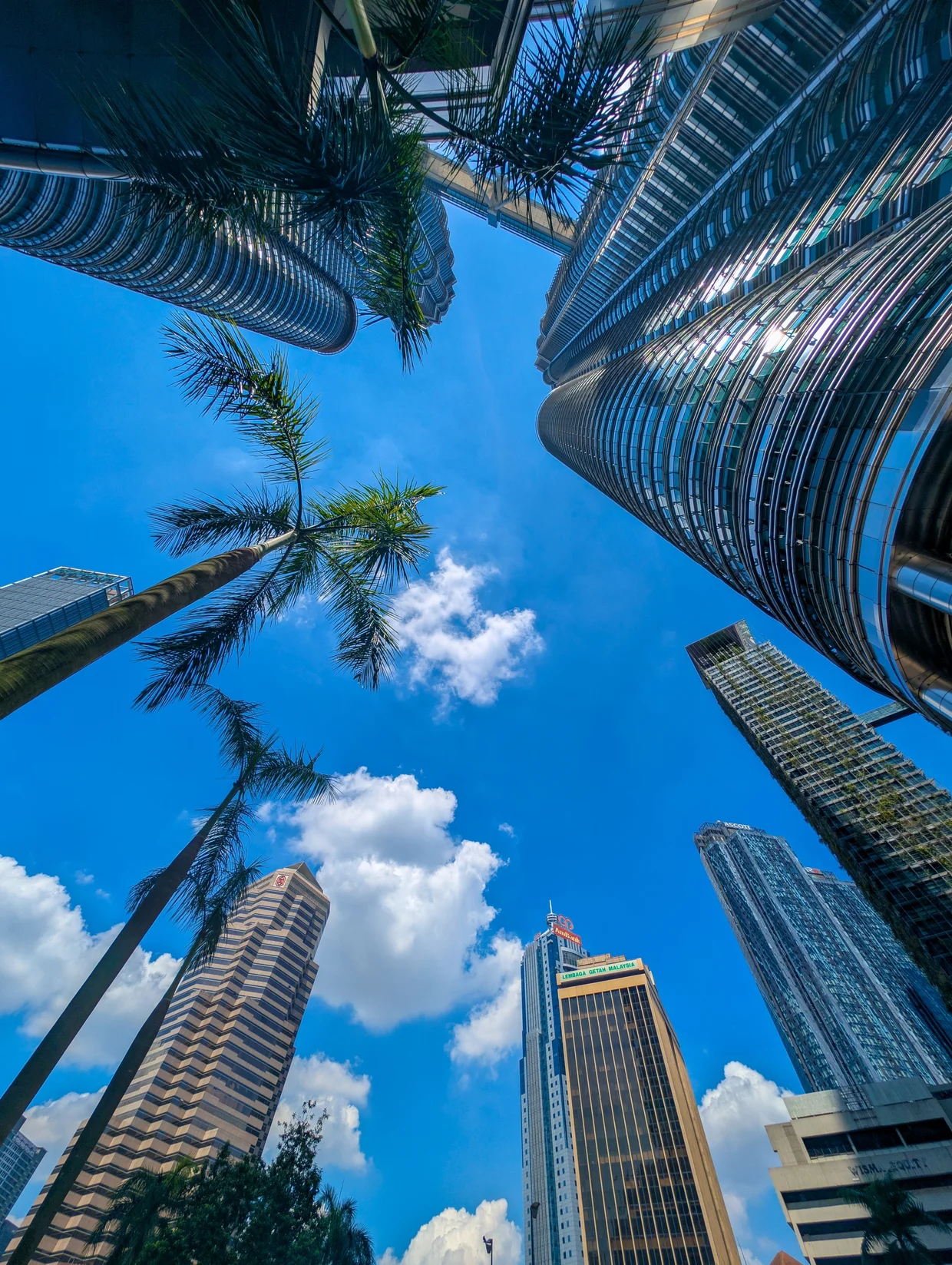
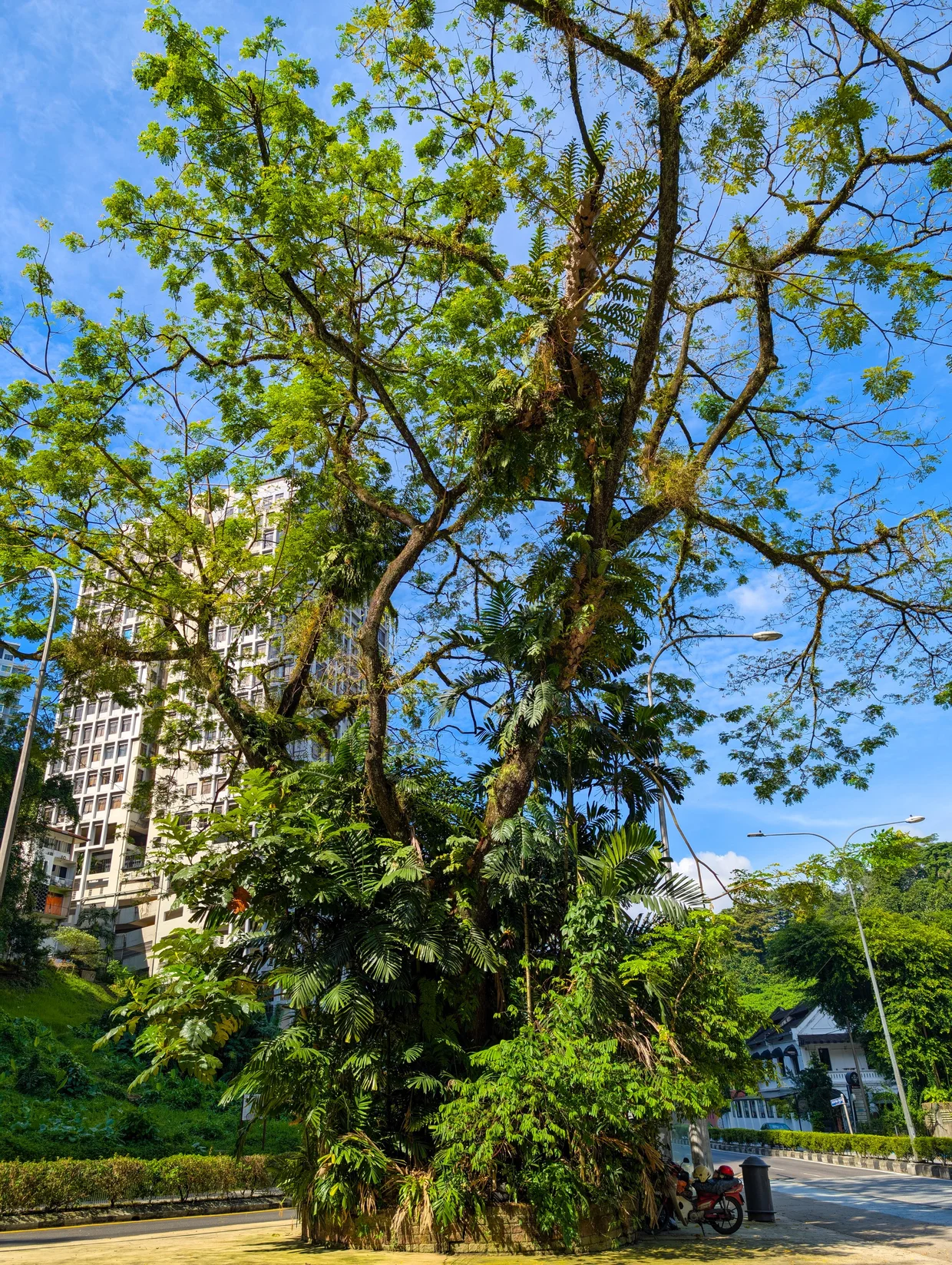
The landscapes go from skyline to rainforest in two hours. You can wake up in a 50th-floor hotel room staring at the Petronas Towers, drive 200km north, and be standing in a moss-coated forest at 1,800m by lunchtime. Few countries pivot this hard between modes without feeling stitched together.
English everywhere. It really matters when you don't have to charade your way to a bus station.
Destination Info
Quick Facts
Overview
- Best 10 to 14 days in December till February.
- At Sea level in Southeast Asia, time zone UTC+8.
- The population of 33M people speaks Malay, writes in Latin script.
- Malaysian Ringgit (MYR) is the official currency, and tipping is not expected.
Local Flavor
- Get a Teh Tarik and Nasi Lemak.
- The main festival here is Hari Raya Aidilfitri, and popular sports include Badminton.
Practicalities
- You can use Trains, buses, ride-hailing for public transportation, while driving on the left.
- You can get here mostly via Kuala Lumpur (KUL), Penang (PEN), Kota Kinabalu (BKI).
- The best area to stay is Bukit Bintang.
The Weather
Real talk: the weather in Kuala Lumpur is intense. Not "tropical and pleasant." Intense. It's 32°C with 85% humidity by 10am and the sun is hostile. You step out of an air-conditioned mall and your glasses fog. You walk three blocks and you need a shower. Locals know this. They live indoors during the worst of it. You should too.
The good news: every mall, hotel, and metro car is freezing. Kuala Lumpur is basically a network of cold rooms connected by short, sweaty walks.
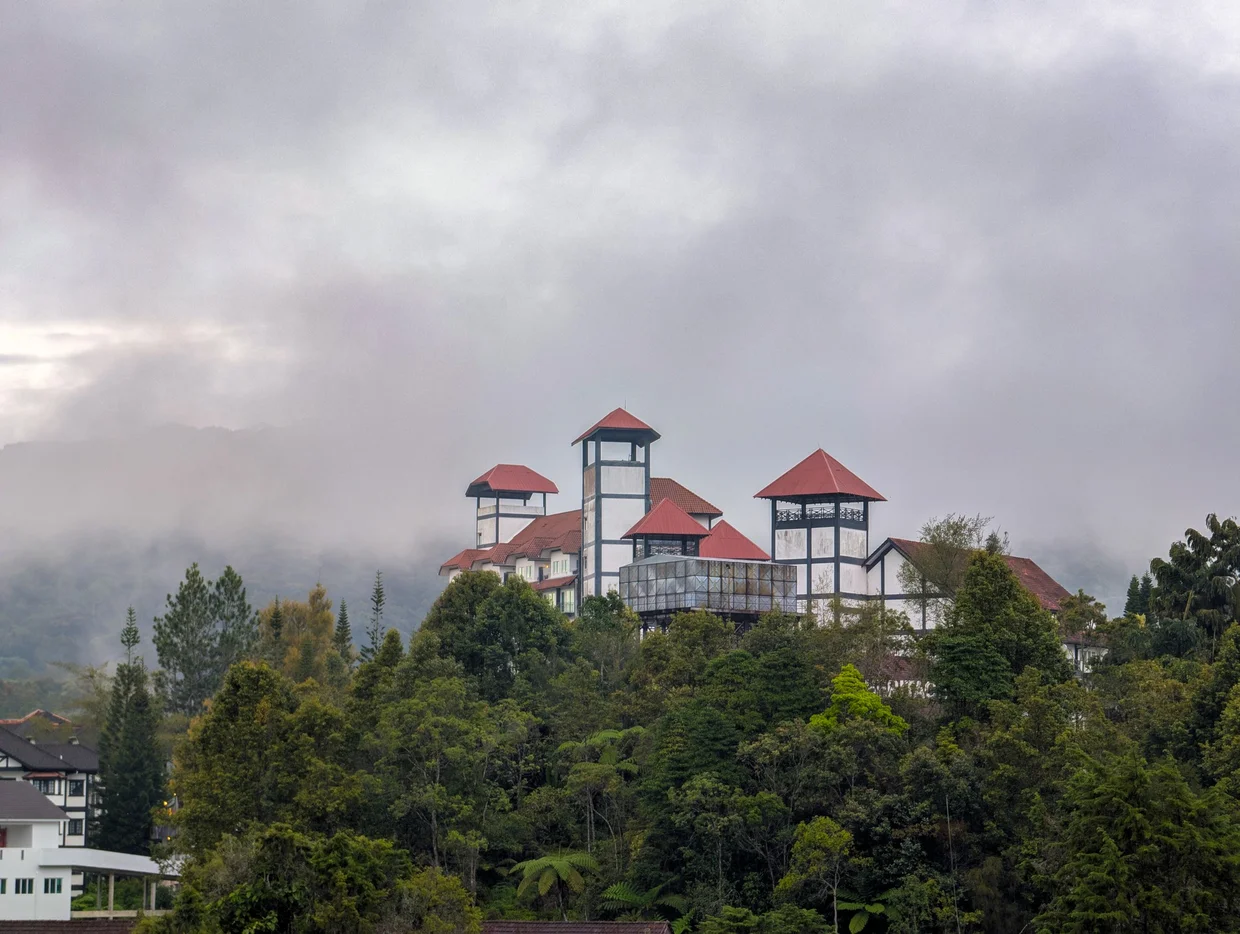
The other good news: an hour or two north, in the Cameron Highlands, the climate flips. We're talking much, much colder. Like 15°C colder. People wear puffer jackets. The fog rolls in by mid-afternoon. You can drink your tea hot and not regret it. If Kuala Lumpur has broken you, the highlands are the cure.
Best Time to Visit
Malaysia is tropical, so the temperature barely moves all year (in the lowlands). The actual variable is rain.
The west coast (Kuala Lumpur, Penang, Langkawi) is driest from December to February. That's also peak Christmas season, which sounds weird in a Muslim-majority country until you see it (more on that later).
The east coast (Perhentian, Tioman, Redang) flips: dry season is March to October, monsoon shuts the islands from November to February.
Don't overthink it. Rain in Malaysia usually means a thirty-minute thunderstorm, not a washout day. The streets dry, the heat resets, and you keep going. The only place where weather actually changes plans is the highlands in October to November when it can rain for days.
Kuala Lumpur
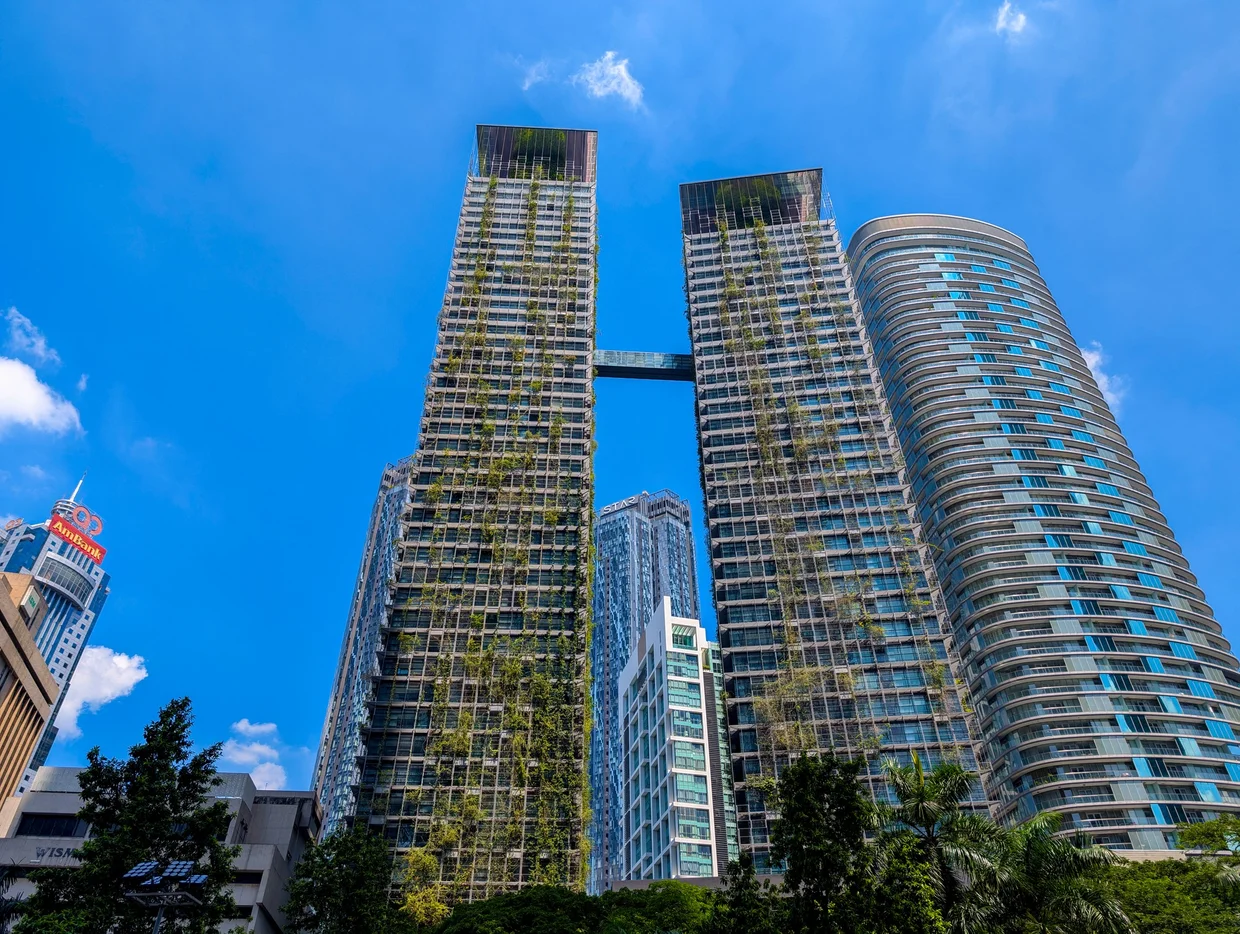
Kuala Lumpur is a strange, lovable mess of a city. Glass towers next to colonial clock towers next to Chinese shophouses next to neon-lit hawker streets. None of it tries to match. It just coexists, like the people.
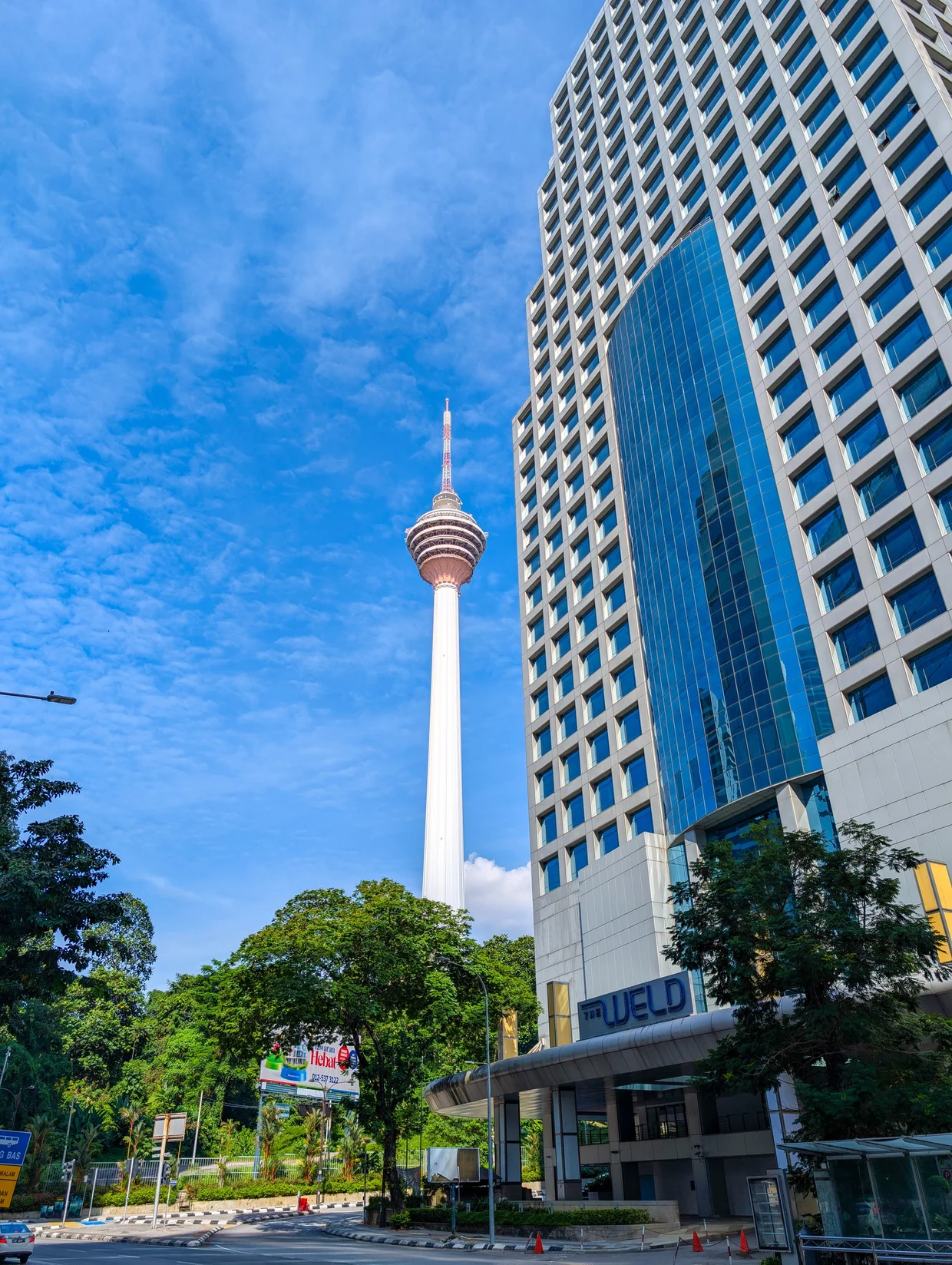
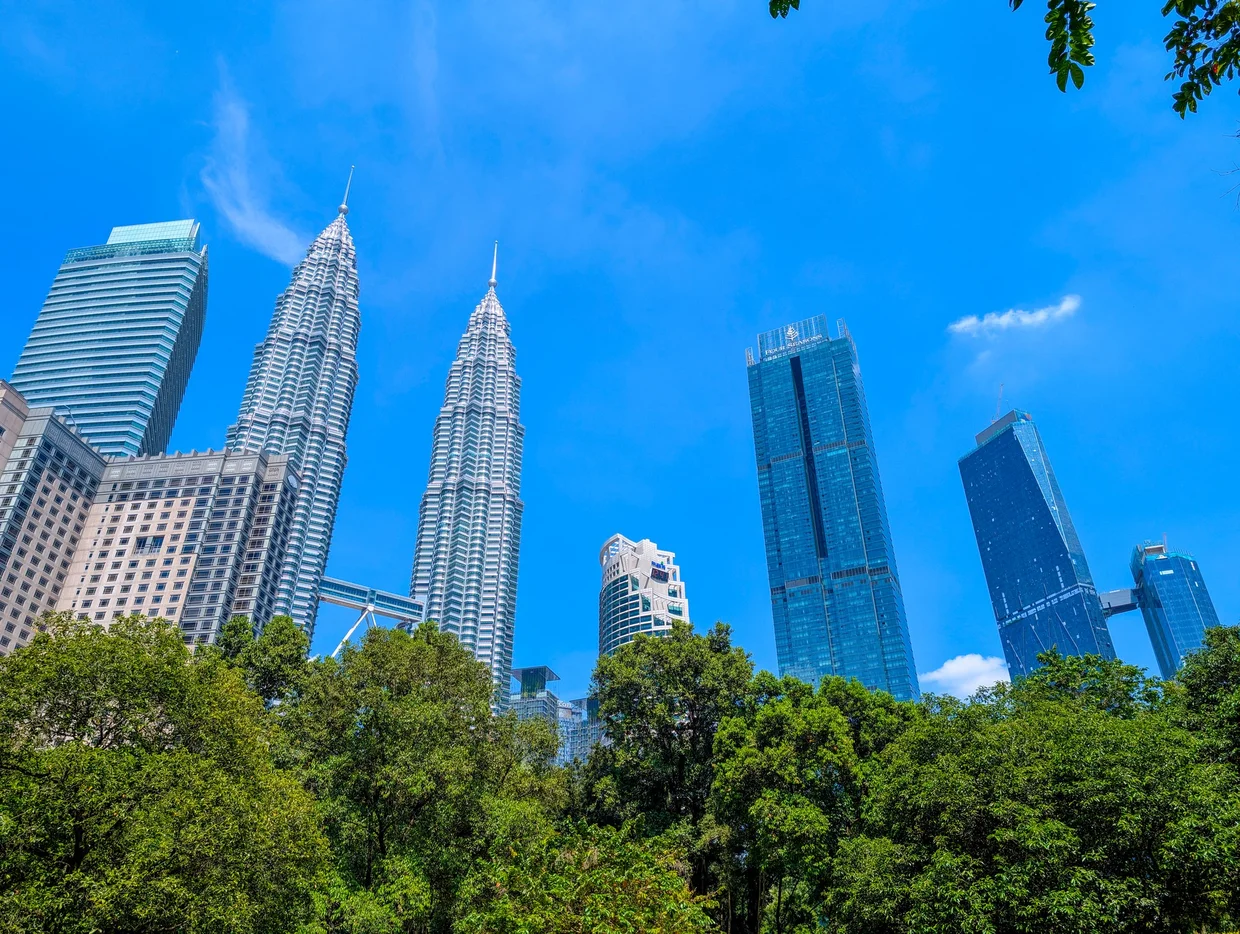
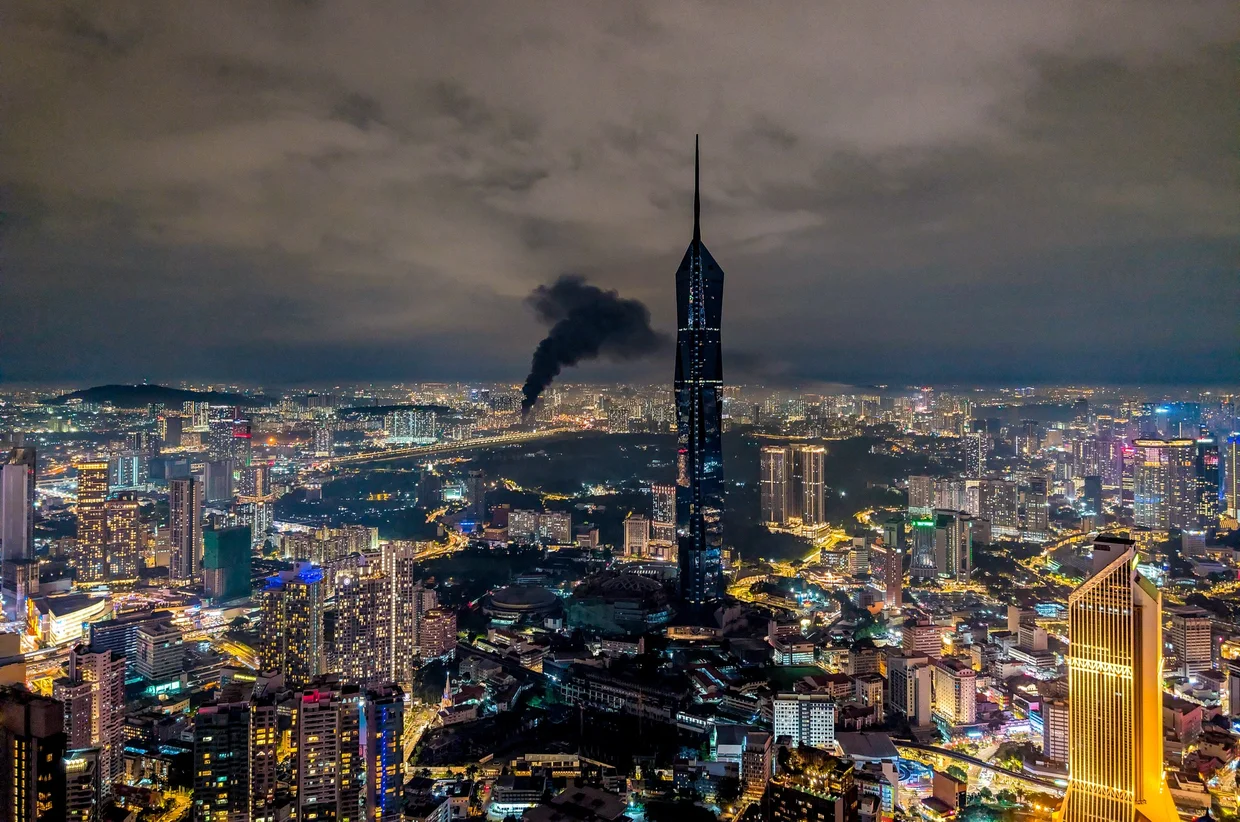
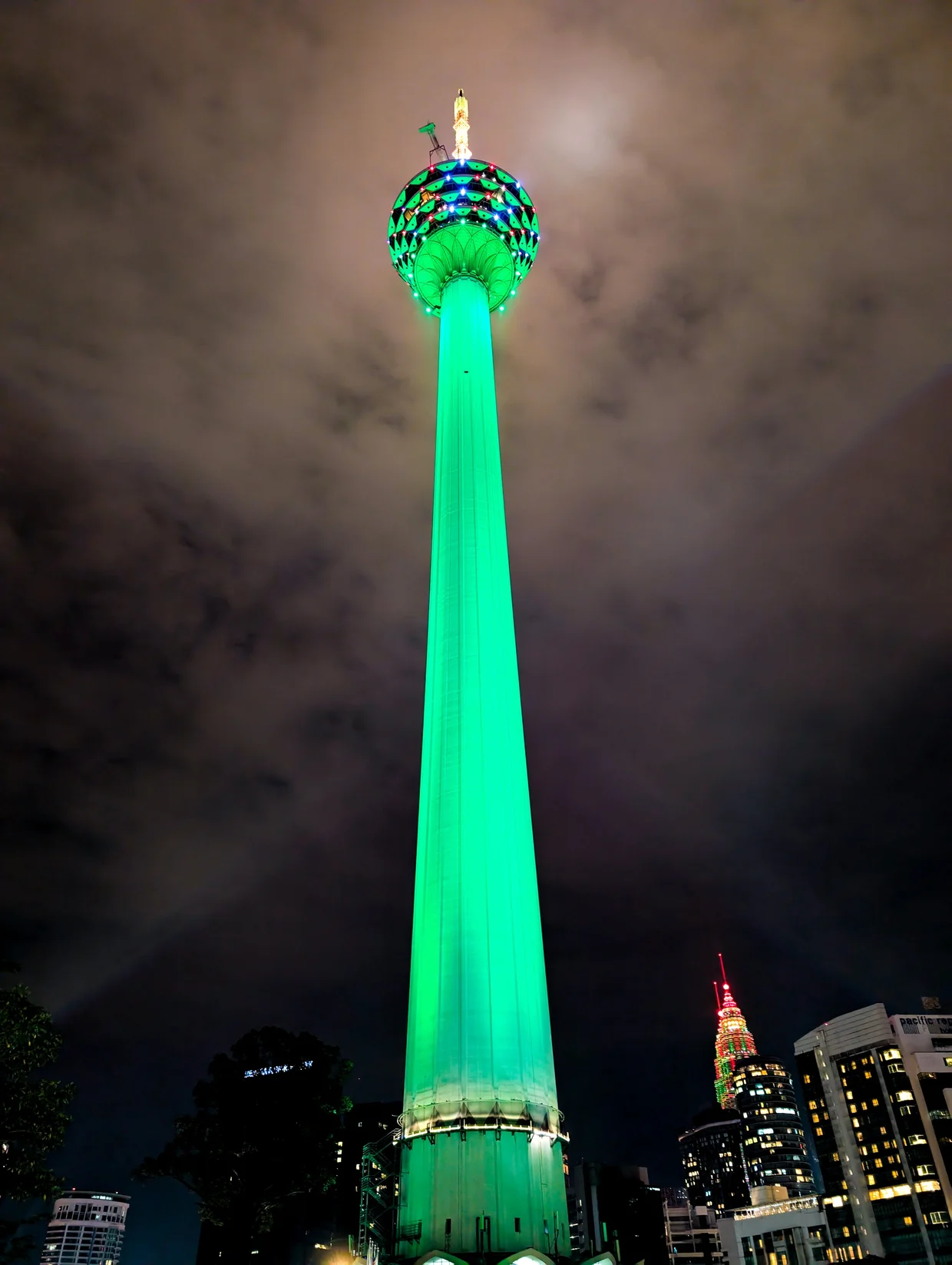
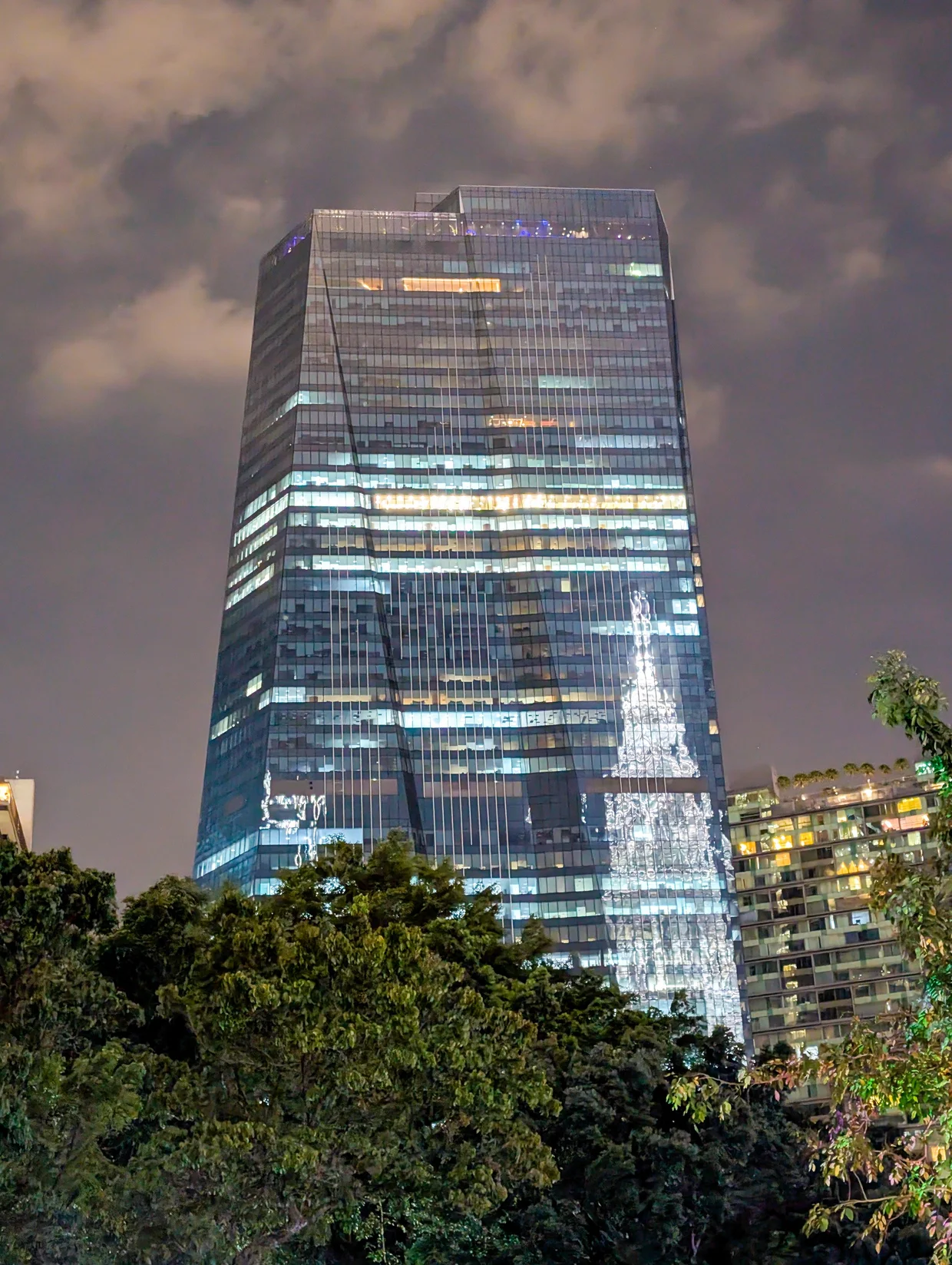
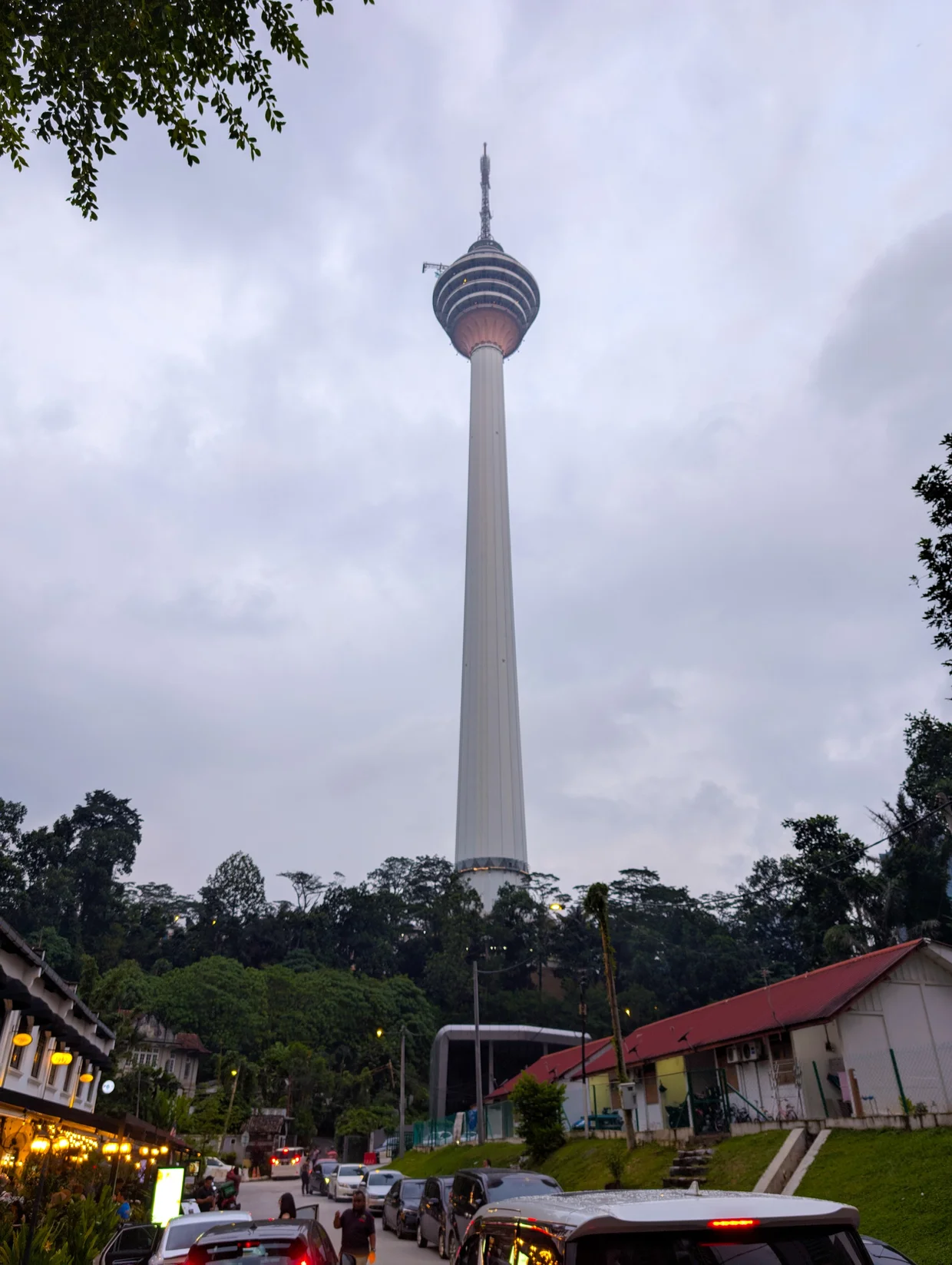
The Petronas Towers are still the centerpiece, even though Merdeka 118 (the second-tallest building on the planet) now looms behind them. The KL Tower is the third icon, sitting on a hill above the rainforest reserve. You'll see all three from random rooftops, taxi rides, and accidentally framed Instagram shots.
Chinatown and Kwai Chai Hong
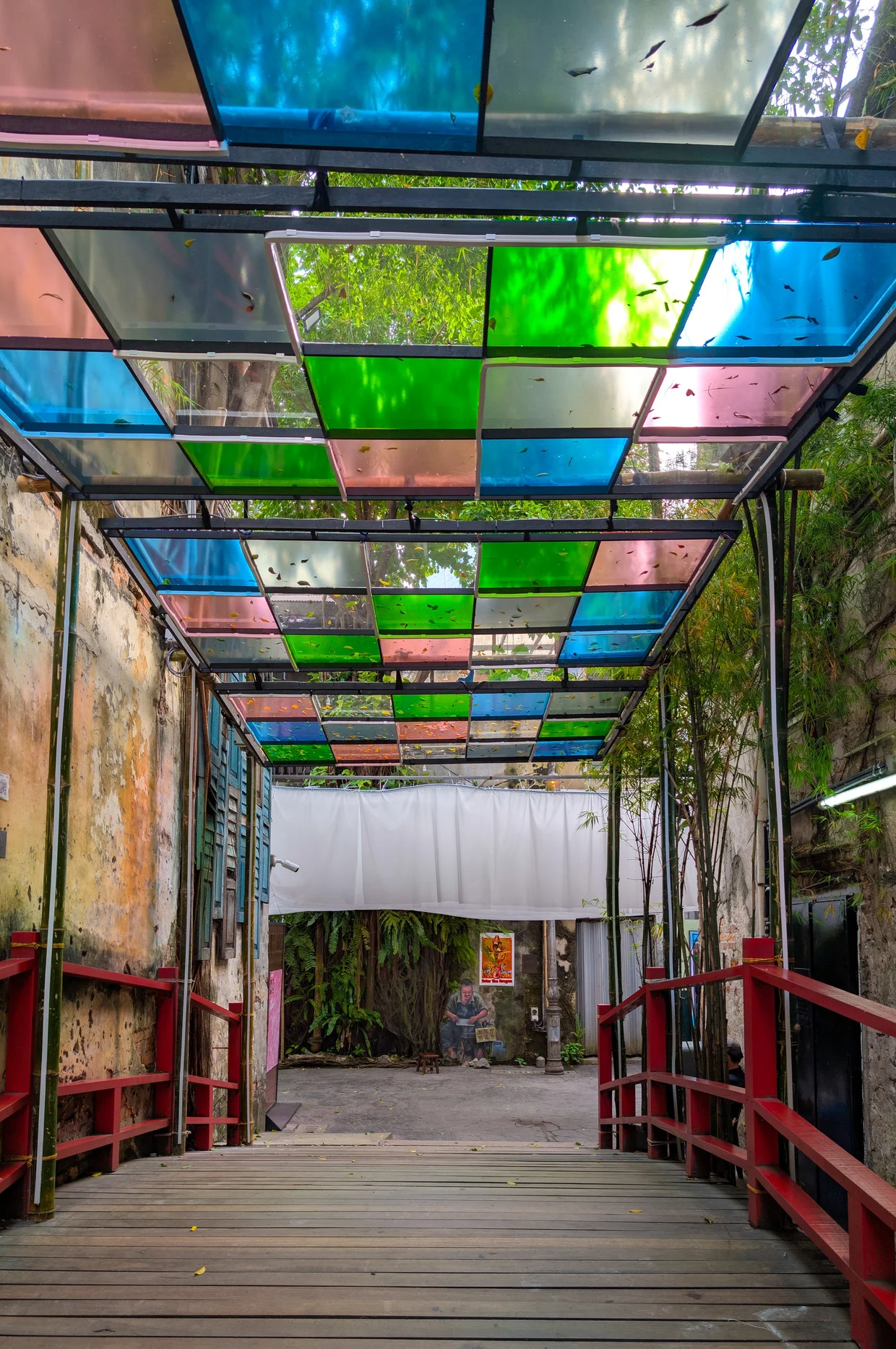
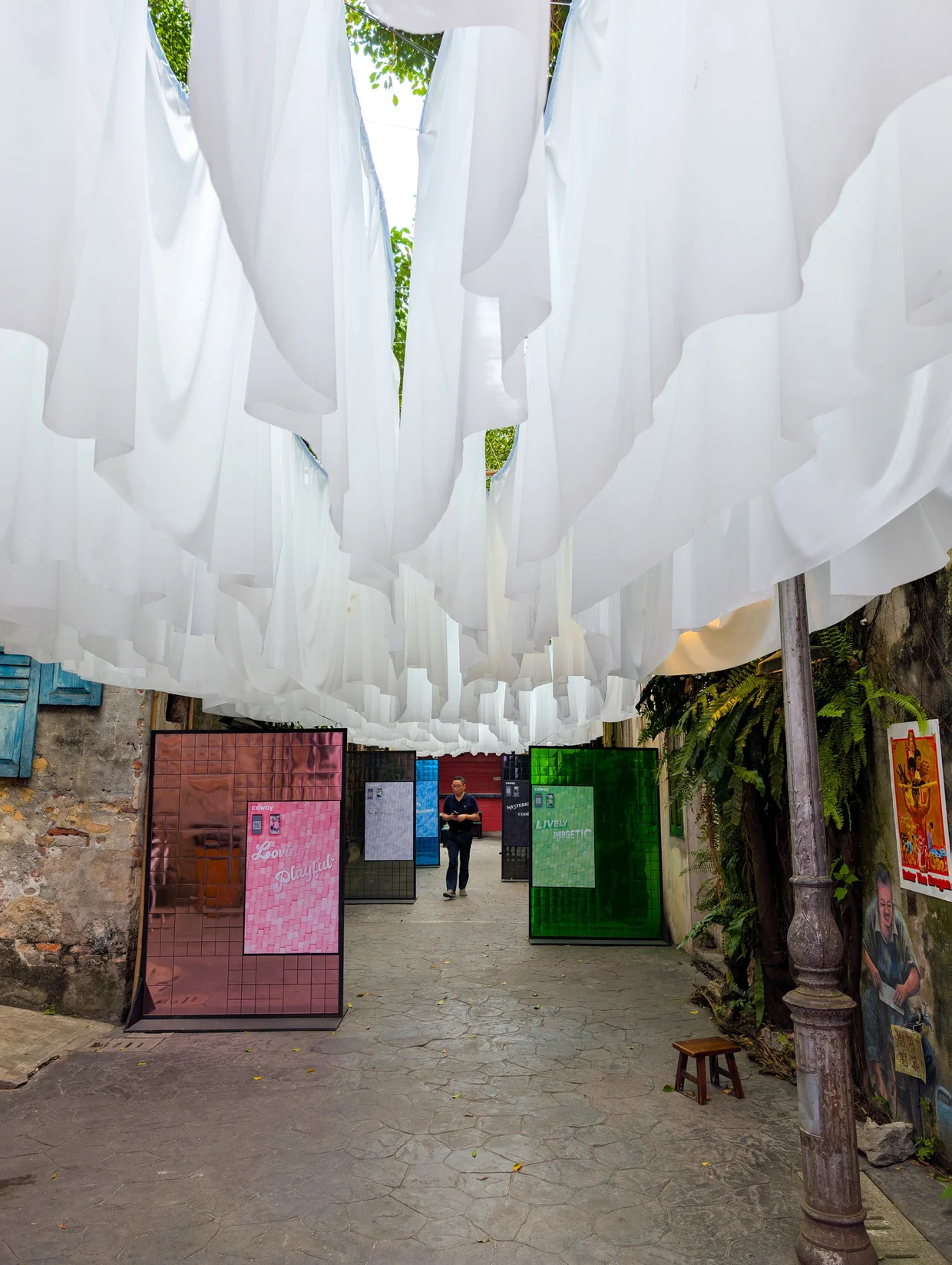
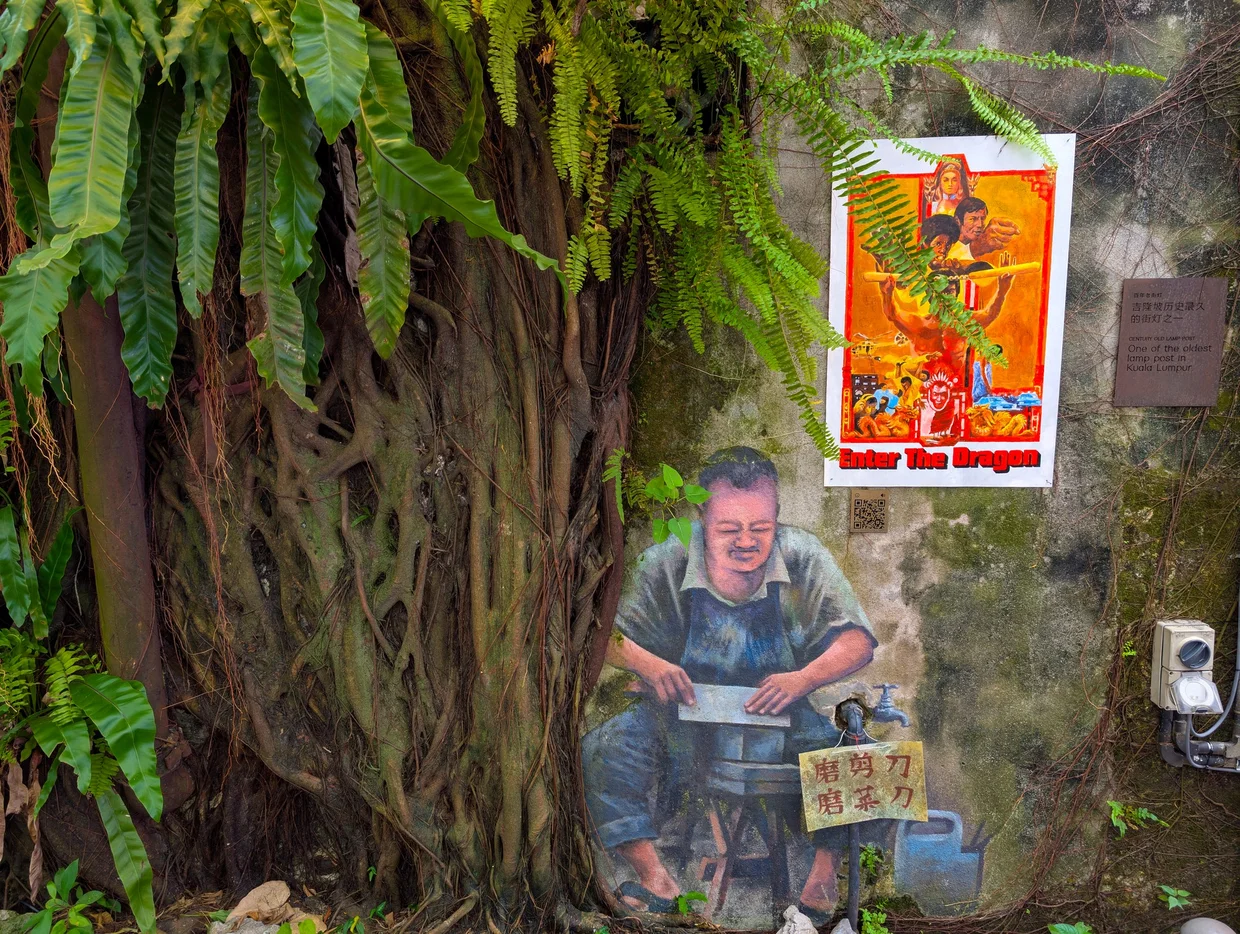
One of the most overlooked corners of Kuala Lumpur is Kwai Chai Hong, a small alley off Petaling Street that was renovated into a kind of open-air gallery. Chinese murals, glass canopies, fabric installations, 3D wall art. It's tiny and you'll be done in 30 minutes, but it's a great photo break in the middle of a Chinatown crawl.
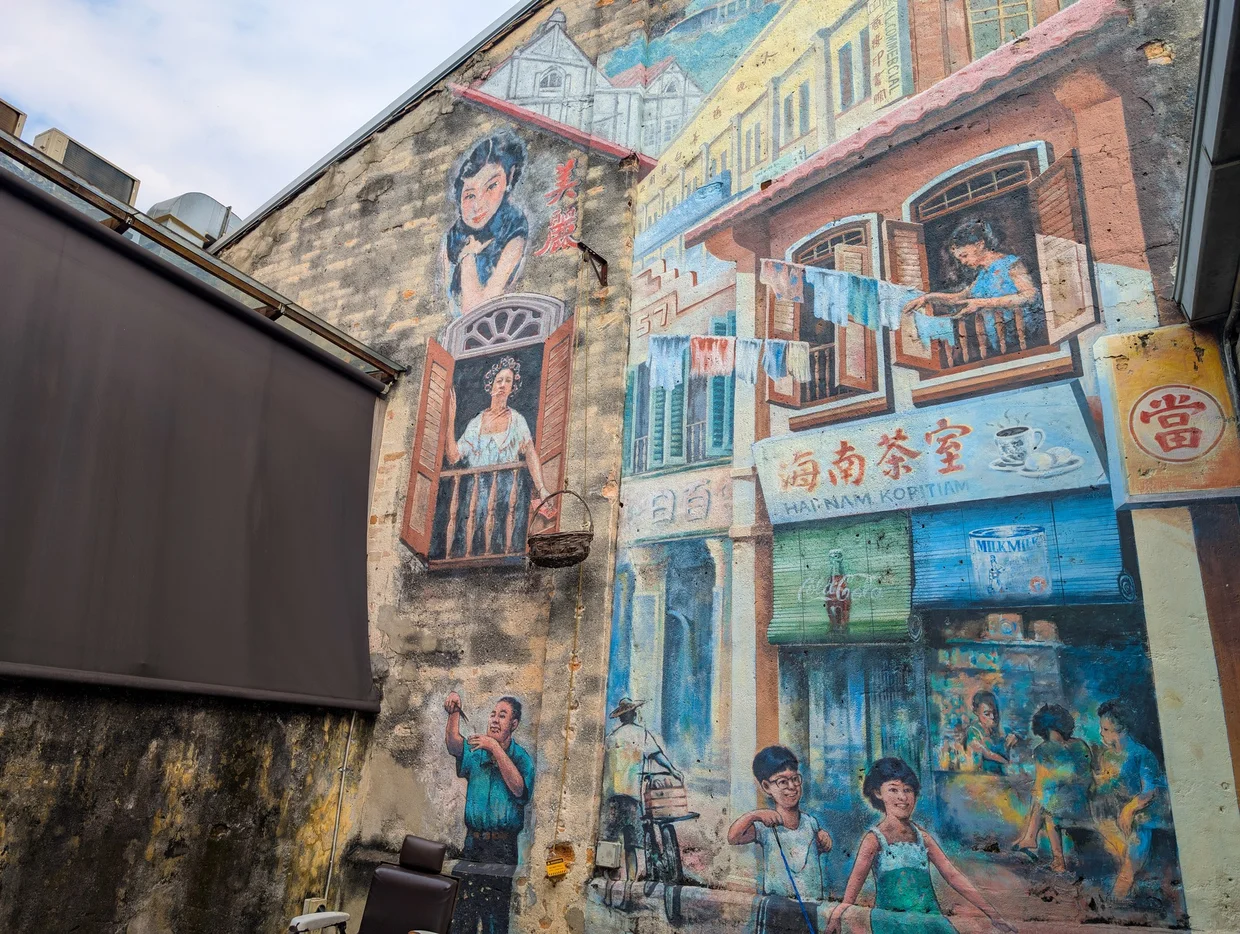
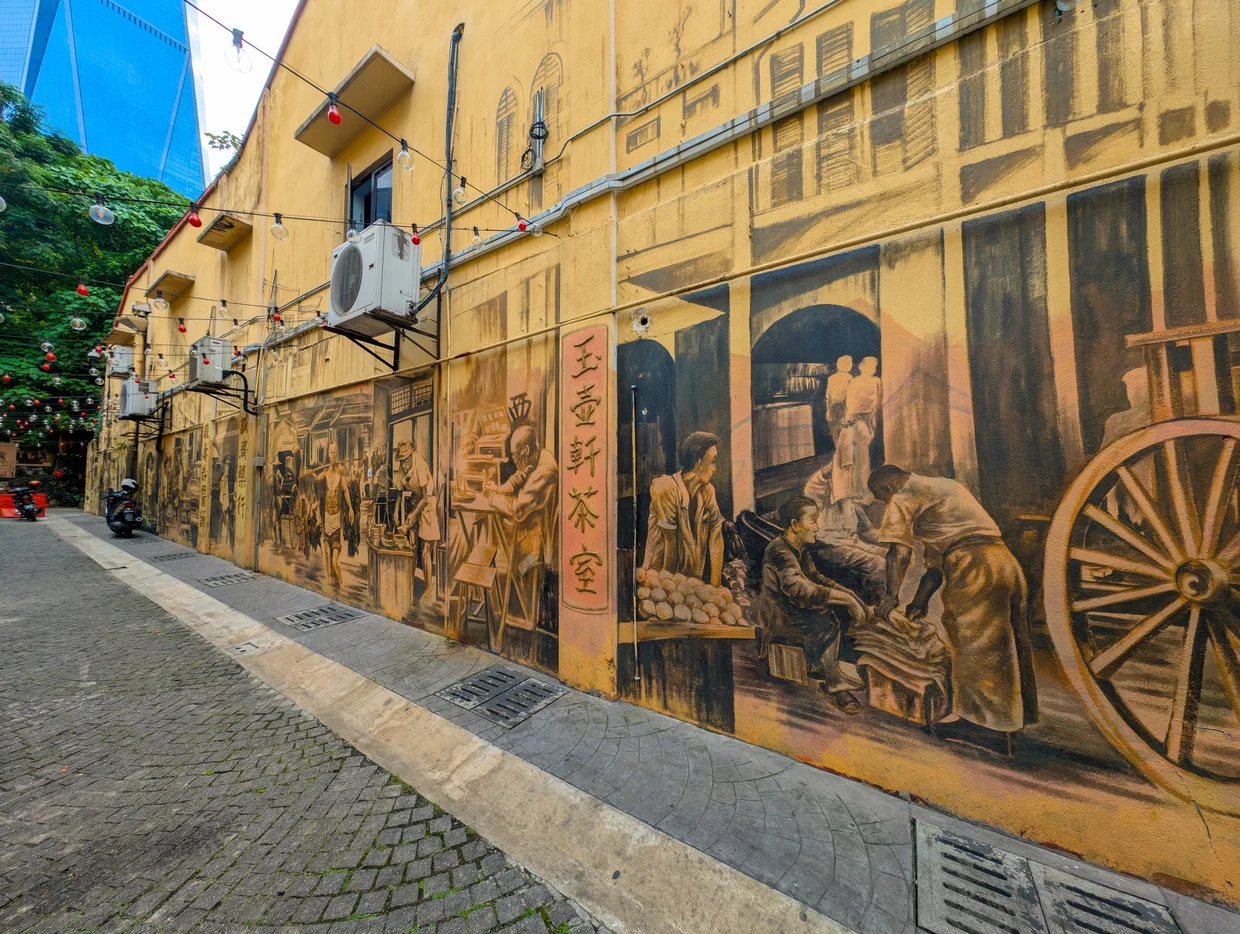
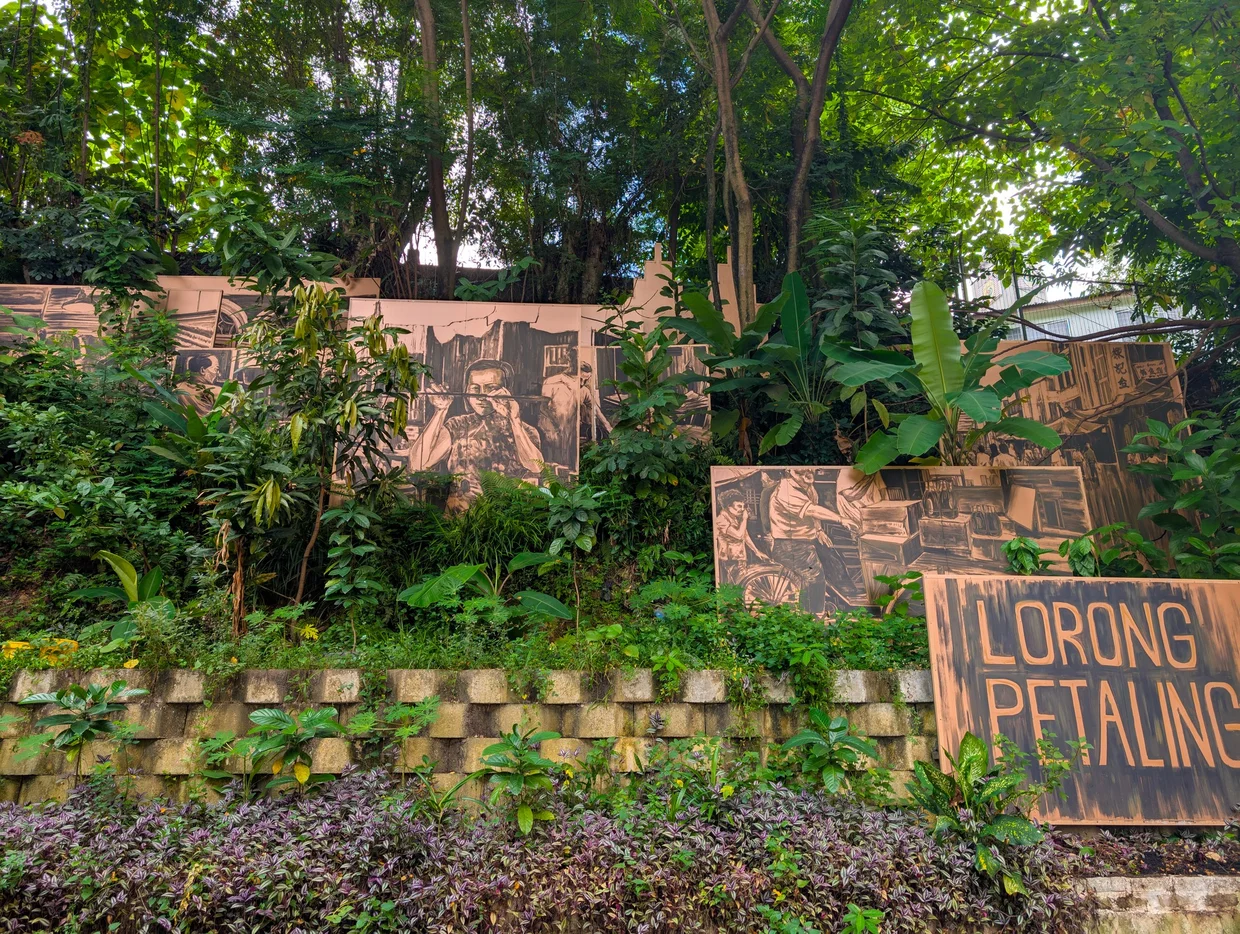
Around it, Petaling Street proper is a louder, sweatier affair: red and gold lanterns, fake luxury goods, durian smell, fruit stalls. Walk through it once for the energy, then escape into a kopitiam for an iced coffee.
Merdeka Square and the colonial core
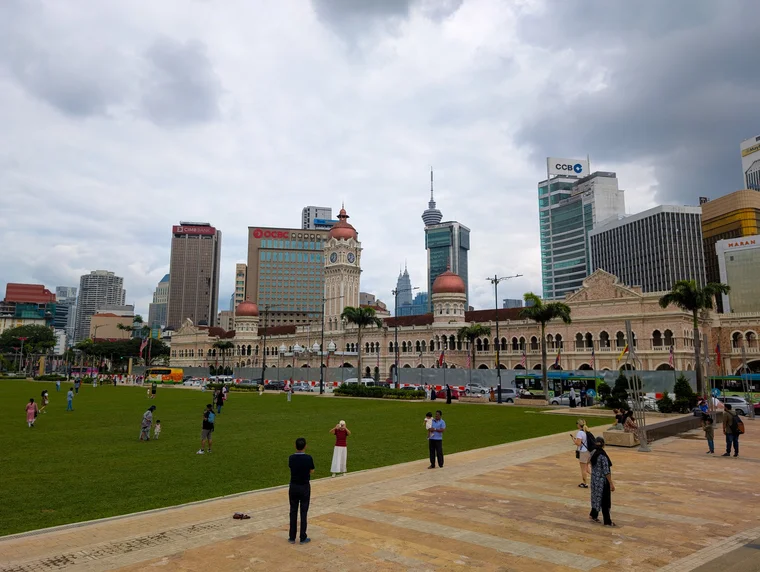
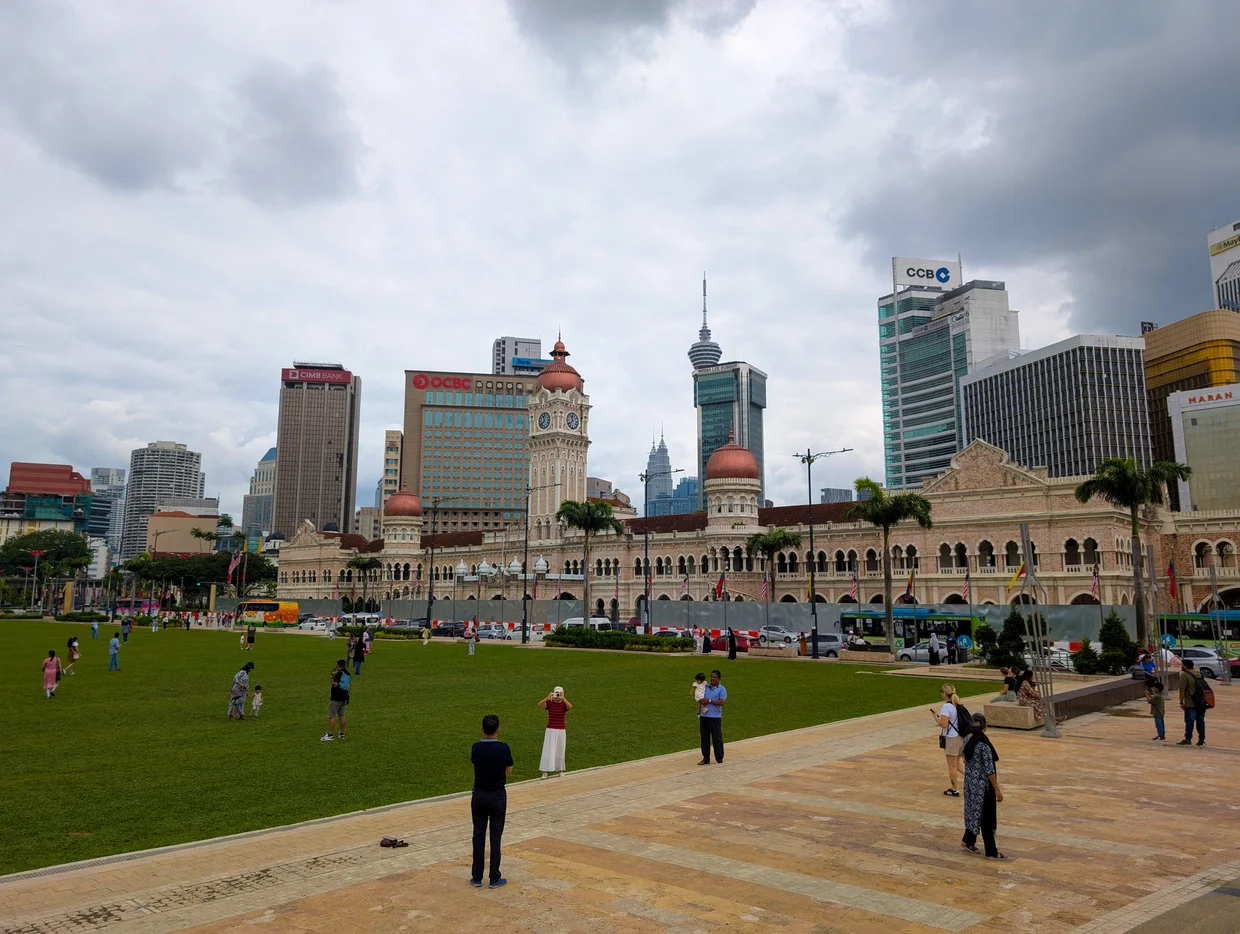
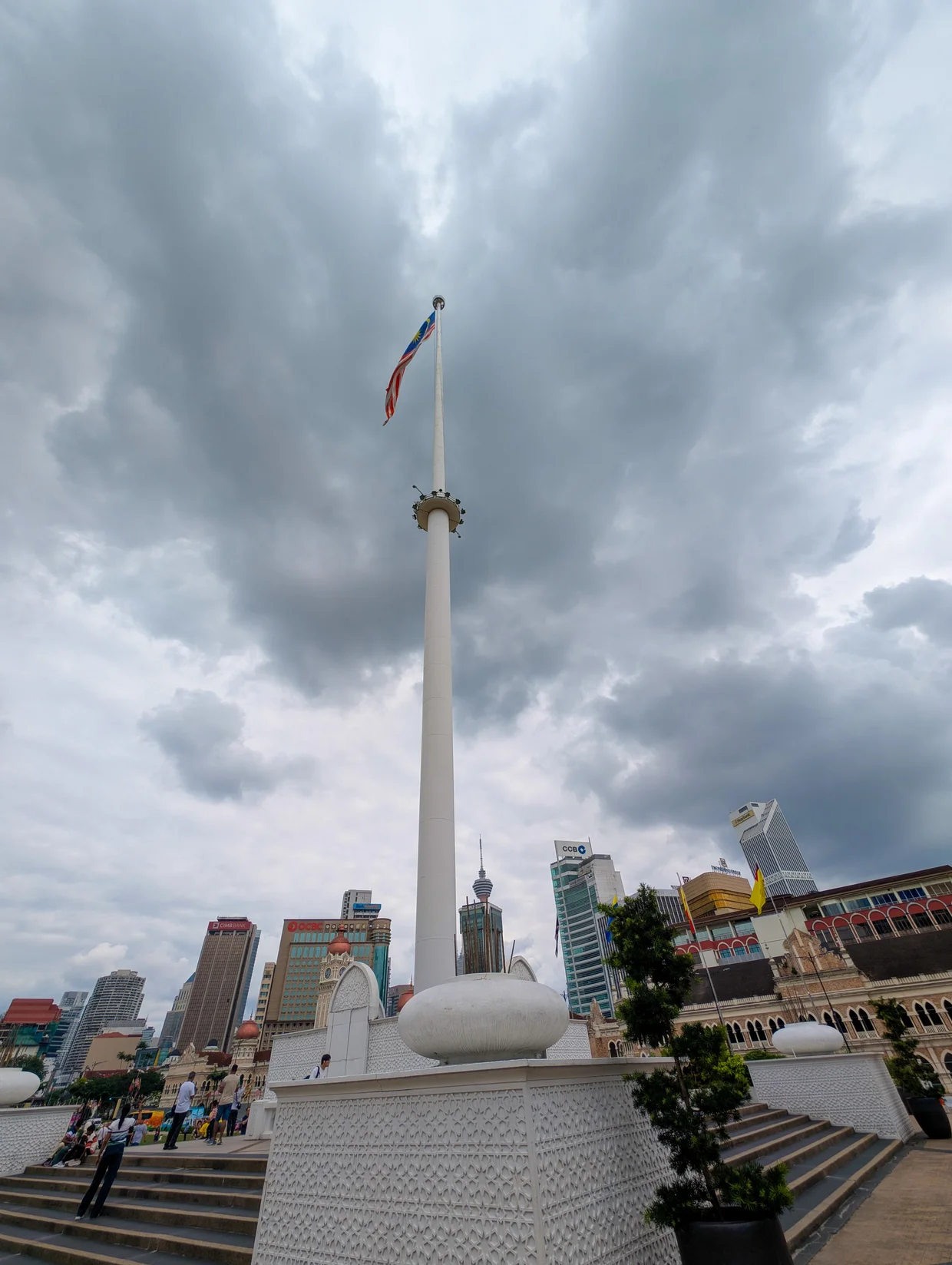
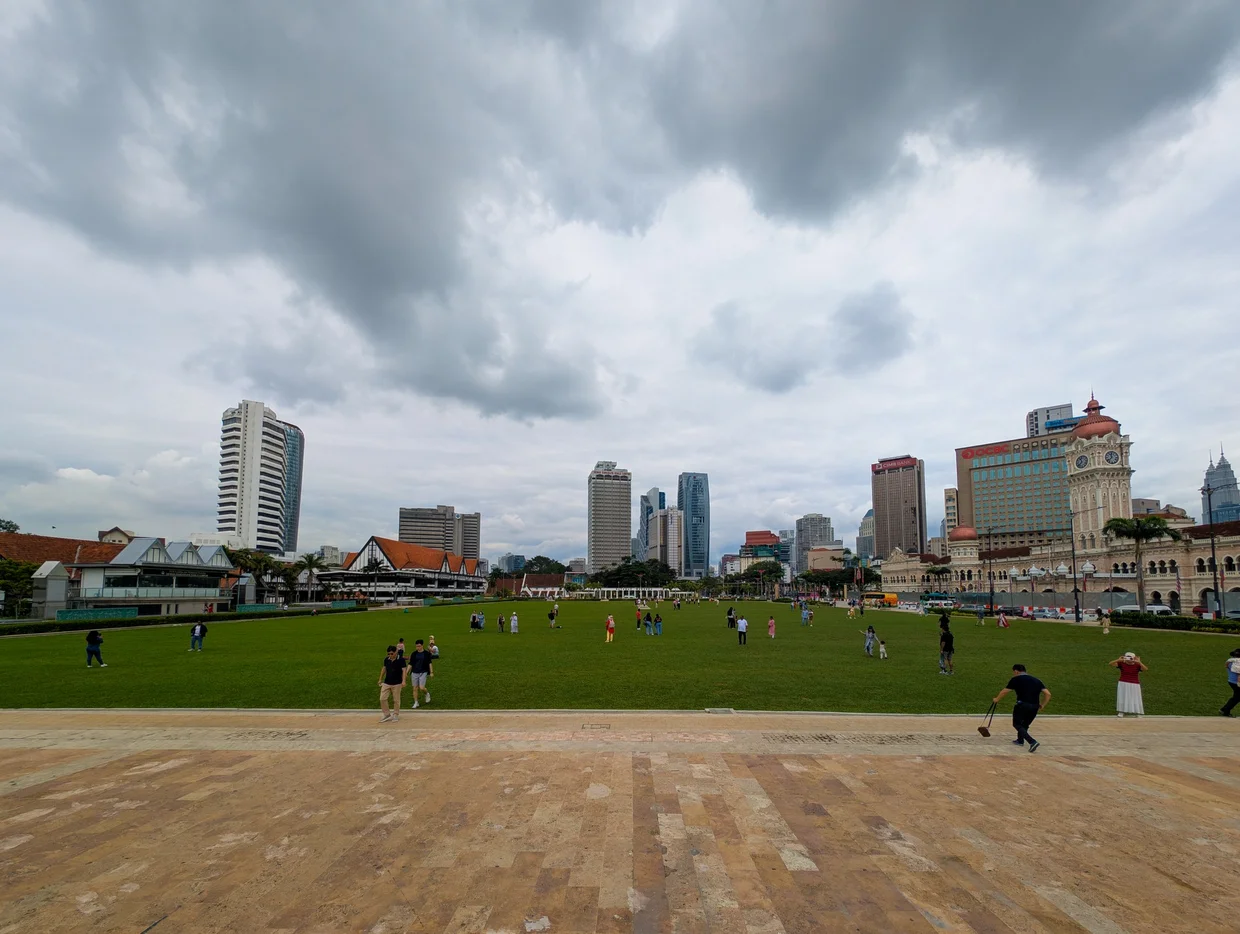
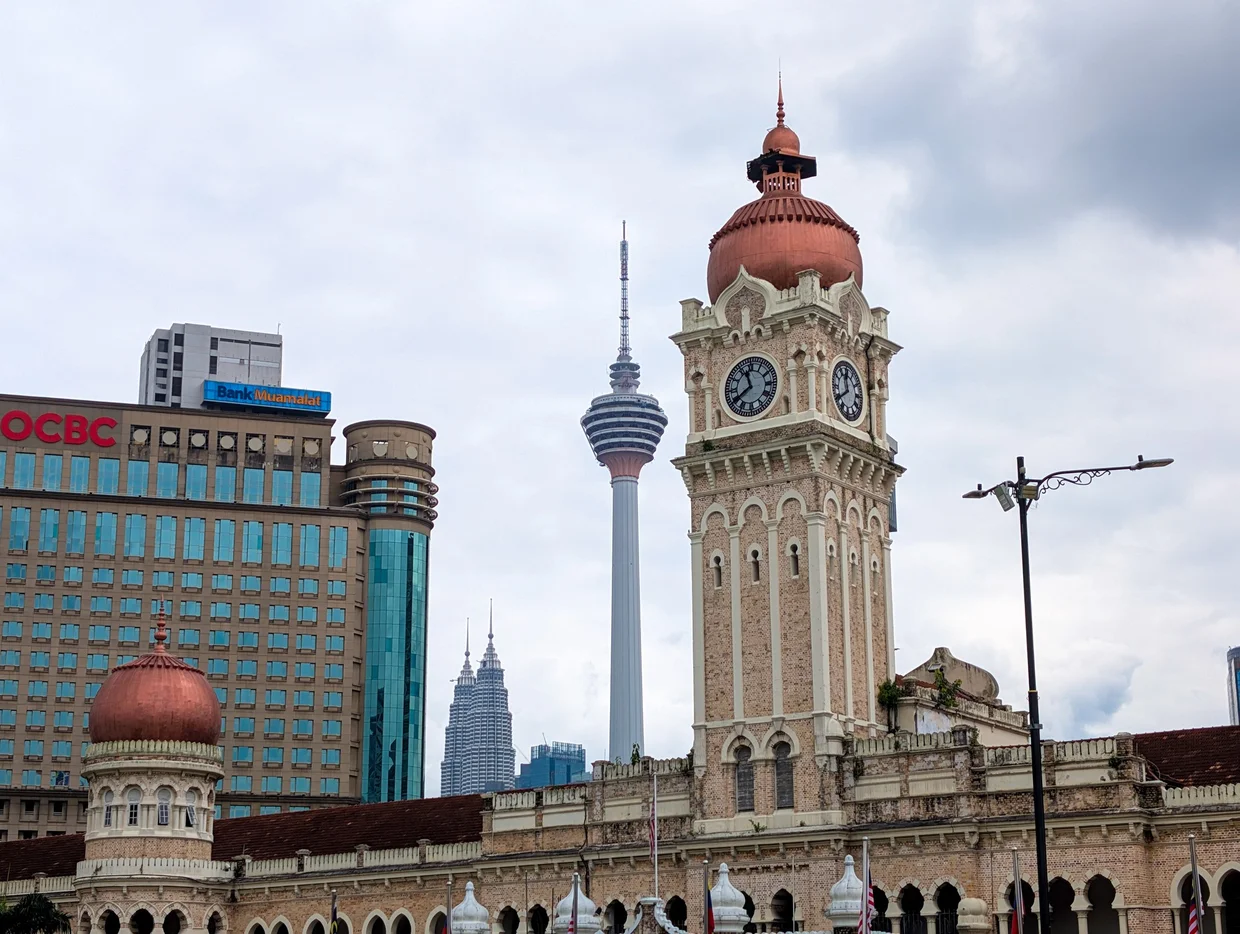
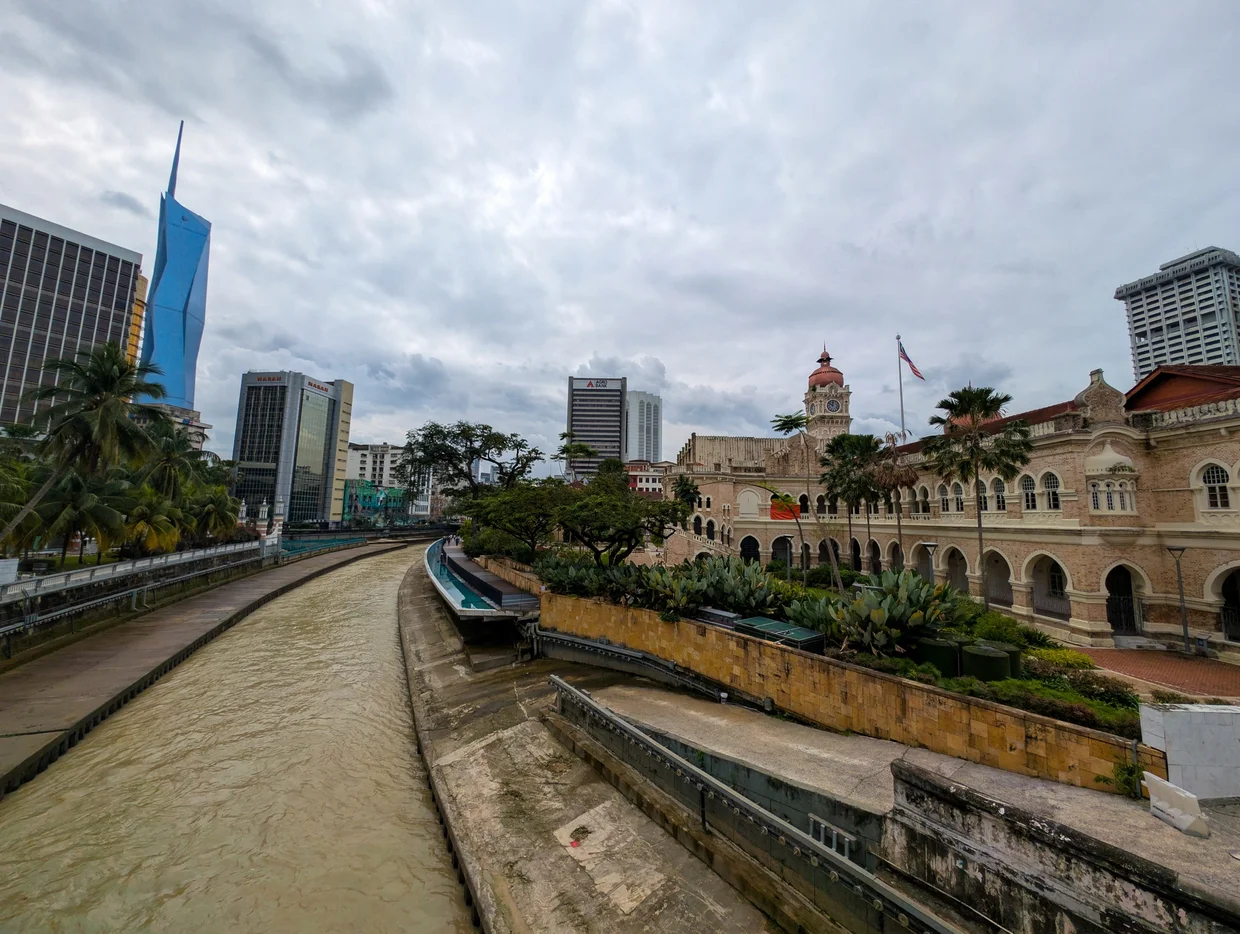
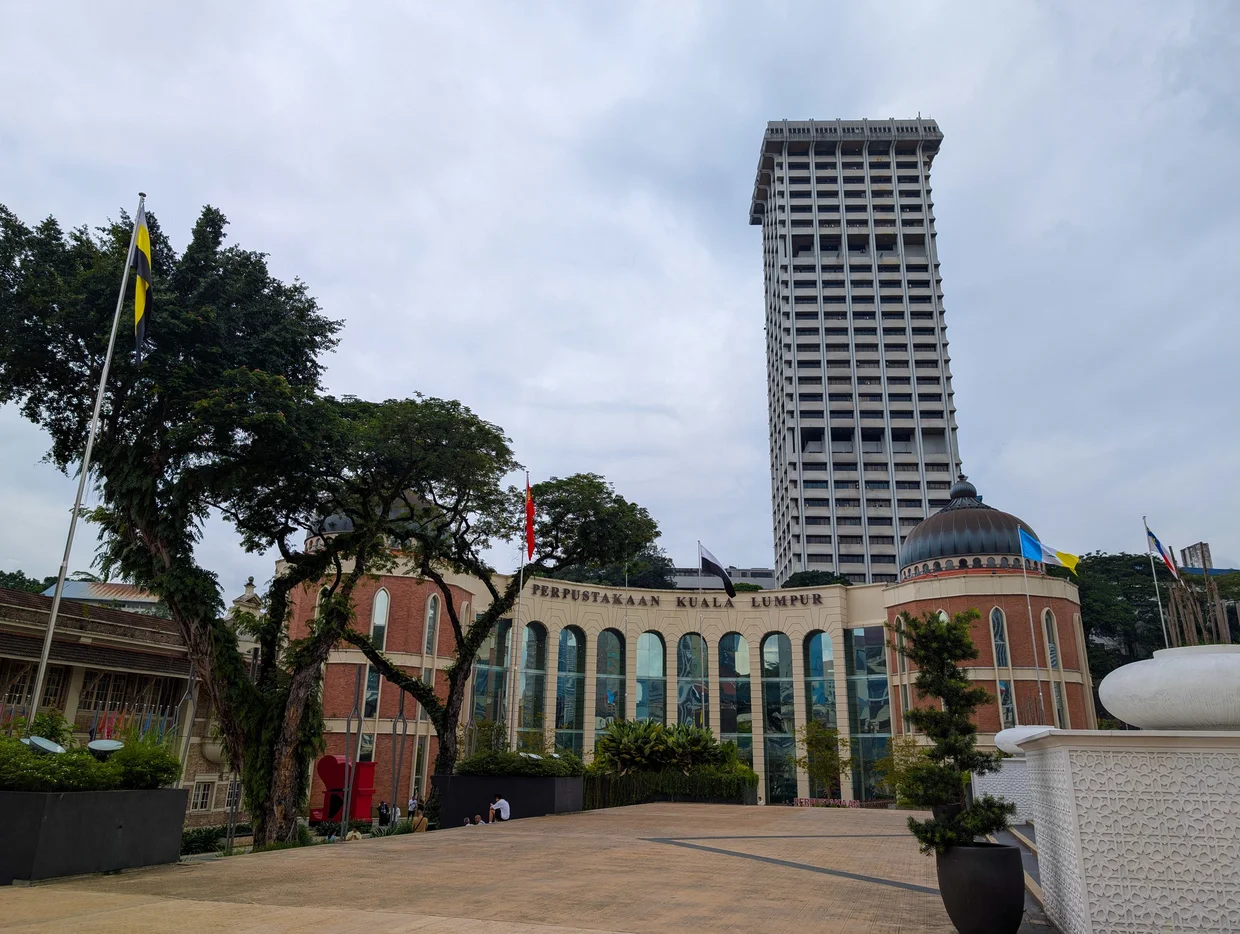
Merdeka Square (Independence Square) is where Malaysia raised its first flag in 1957, and the giant flagpole is still there. The Sultan Abdul Samad building across the lawn is a Moorish-Gothic colonial fantasy that somehow makes sense in the heat. River of Life runs alongside.
A few people sit on the lawn, but I didn't see anyone actually playing or picnicking on it the way you would on a city park lawn elsewhere.
Thean Hou Temple
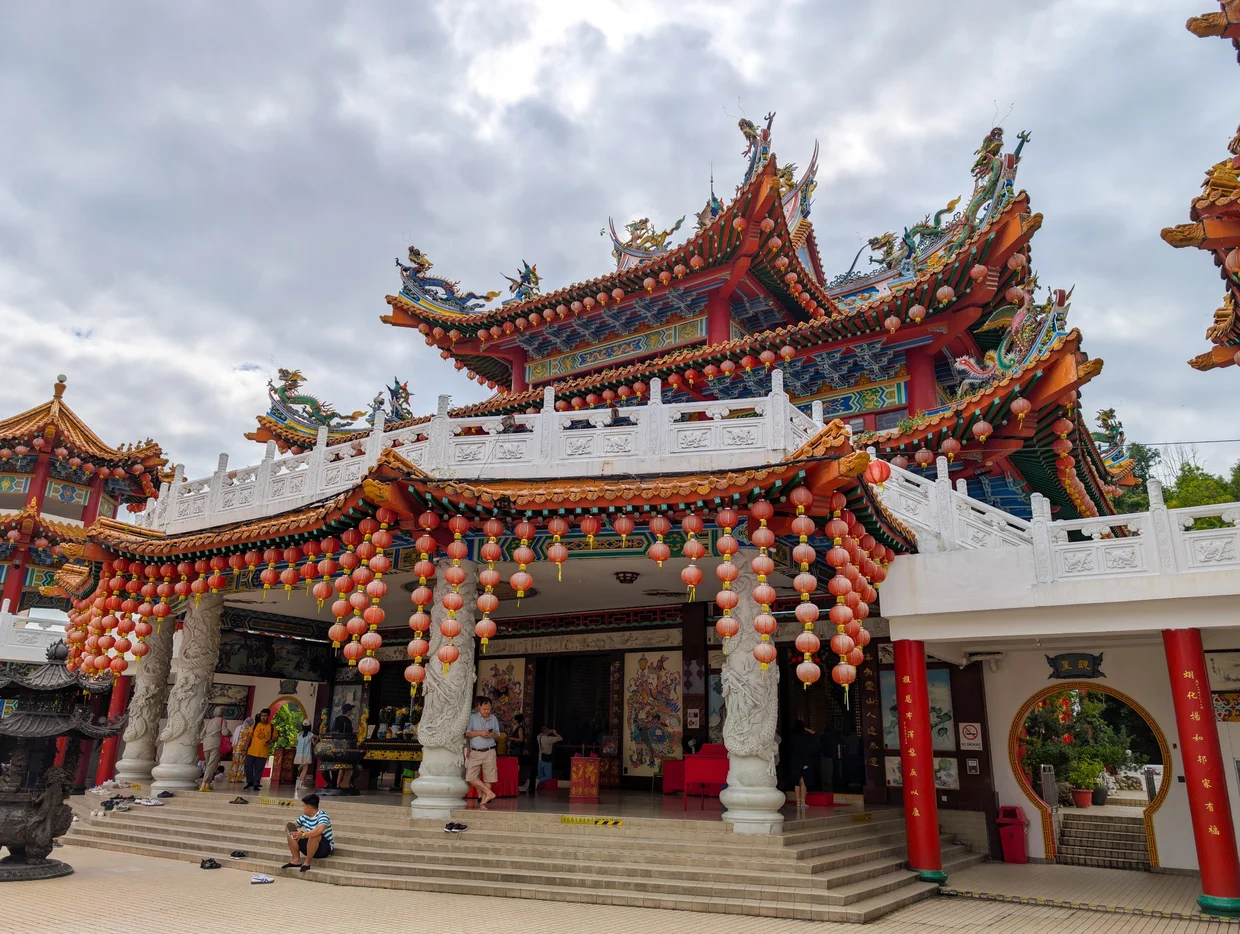
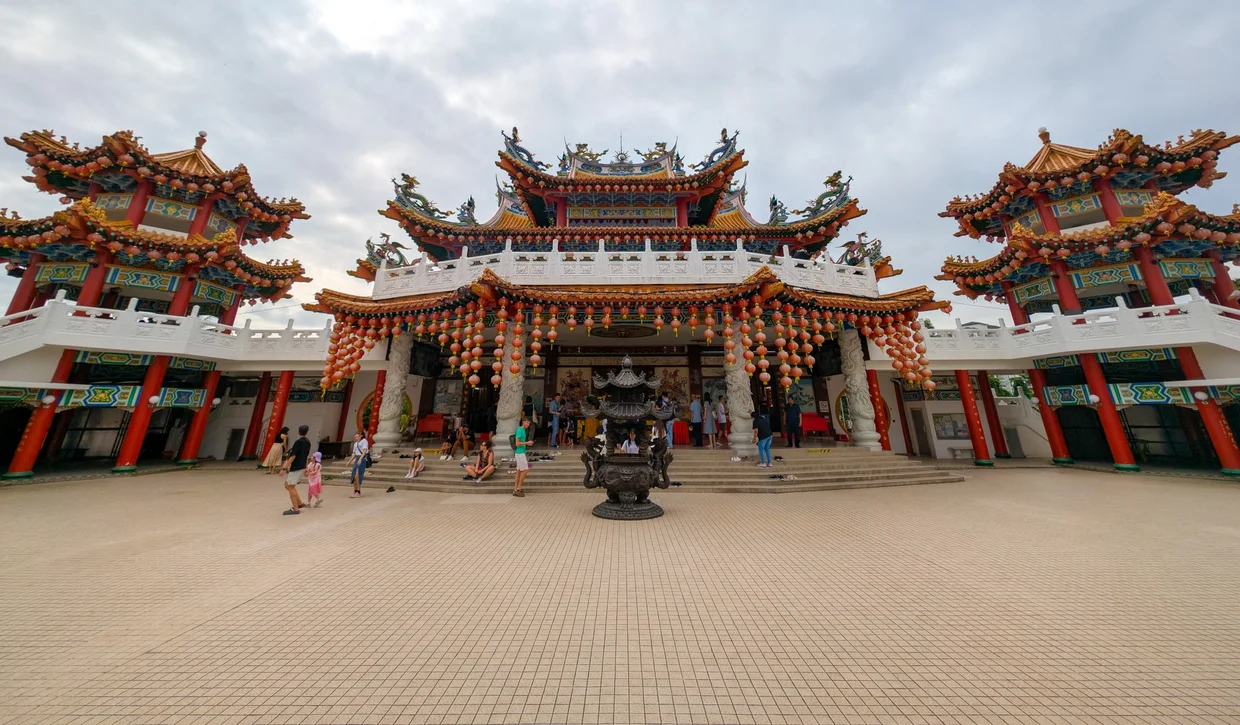
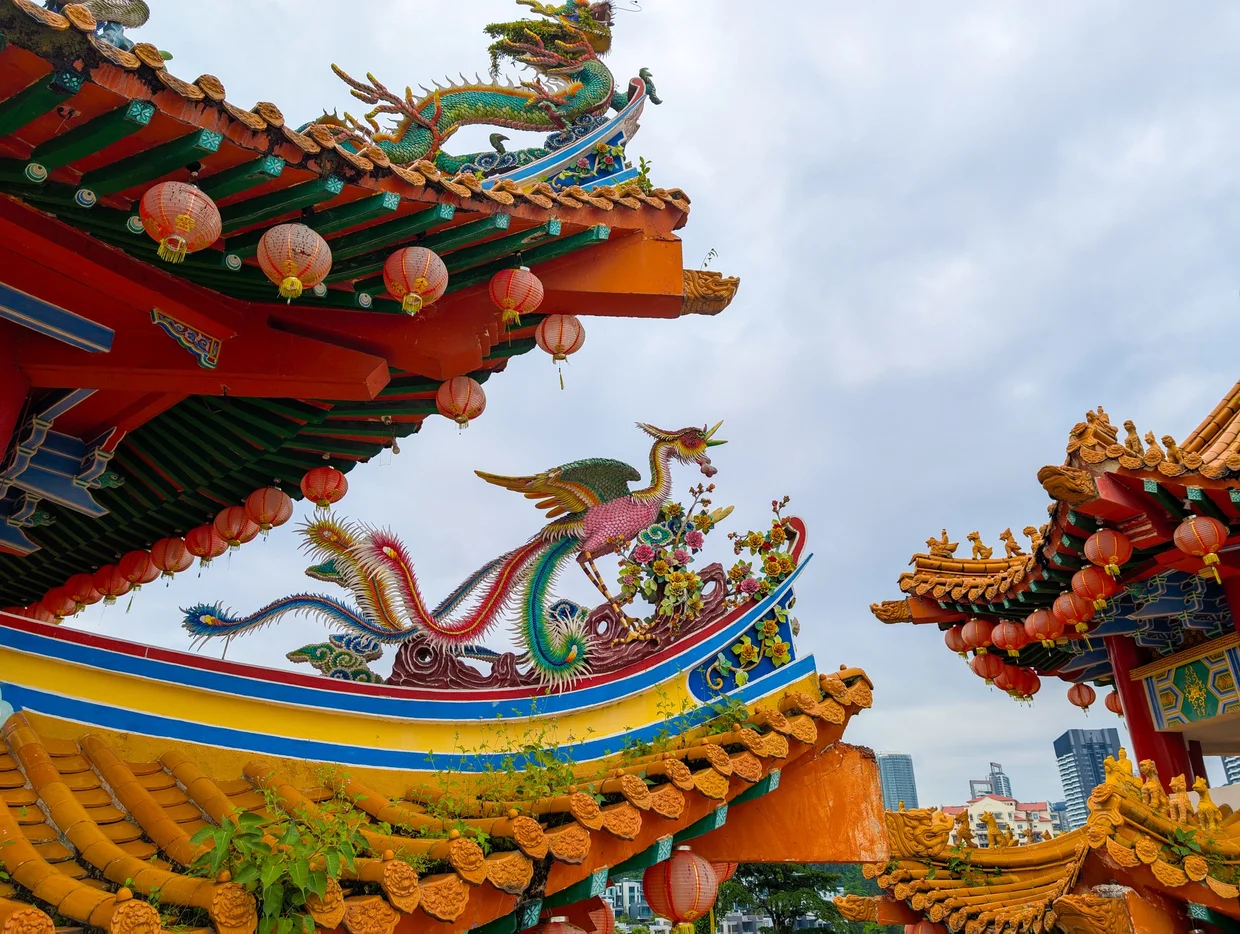
Thean Hou is a six-tiered Chinese temple on a hilltop south of the city center. It's vivid, slightly over-the-top, and has a great Kuala Lumpur skyline view from the upper terraces. Worth a half-hour Grab ride.
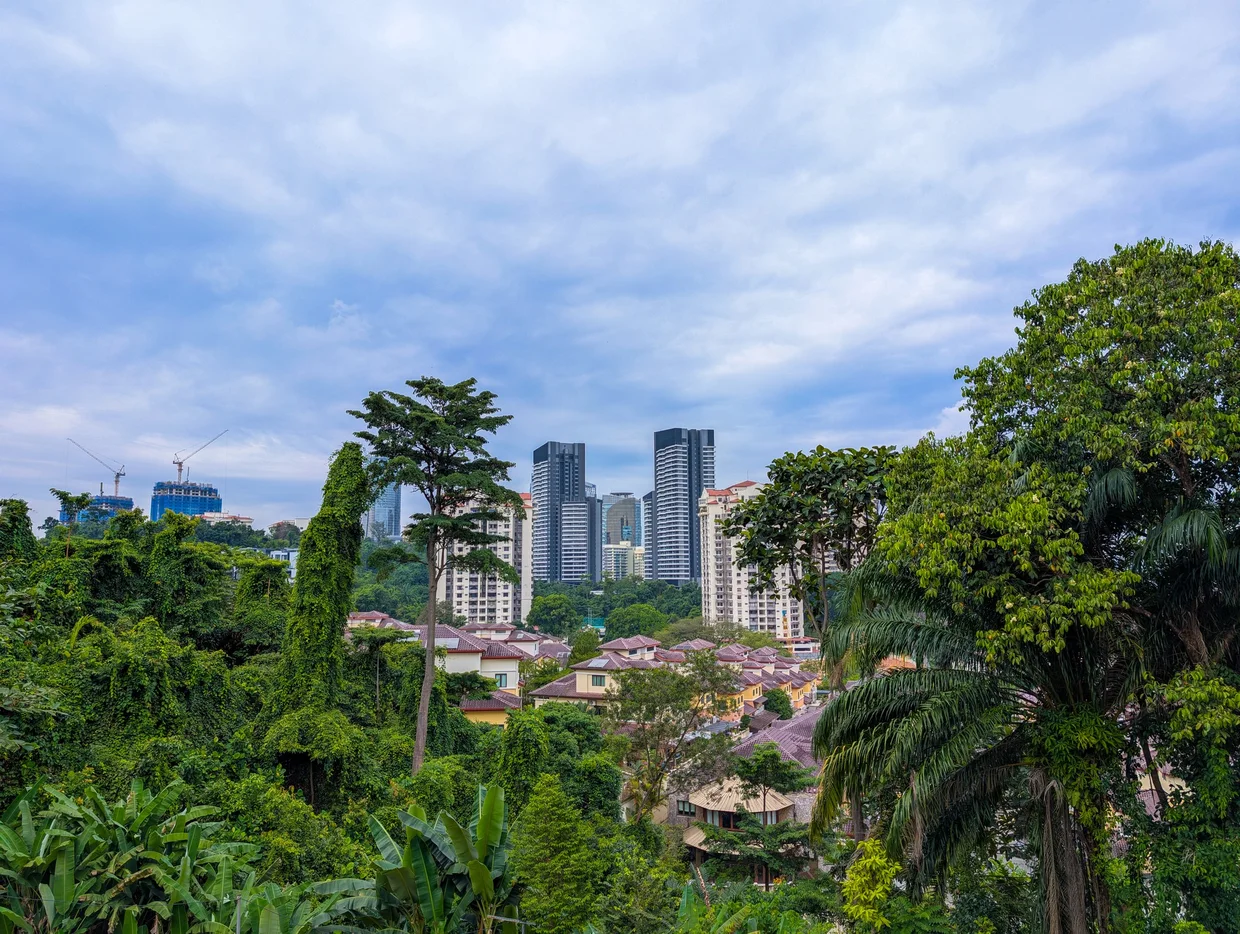
Lake Gardens, Bird Park, and the Reddest Dragonflies
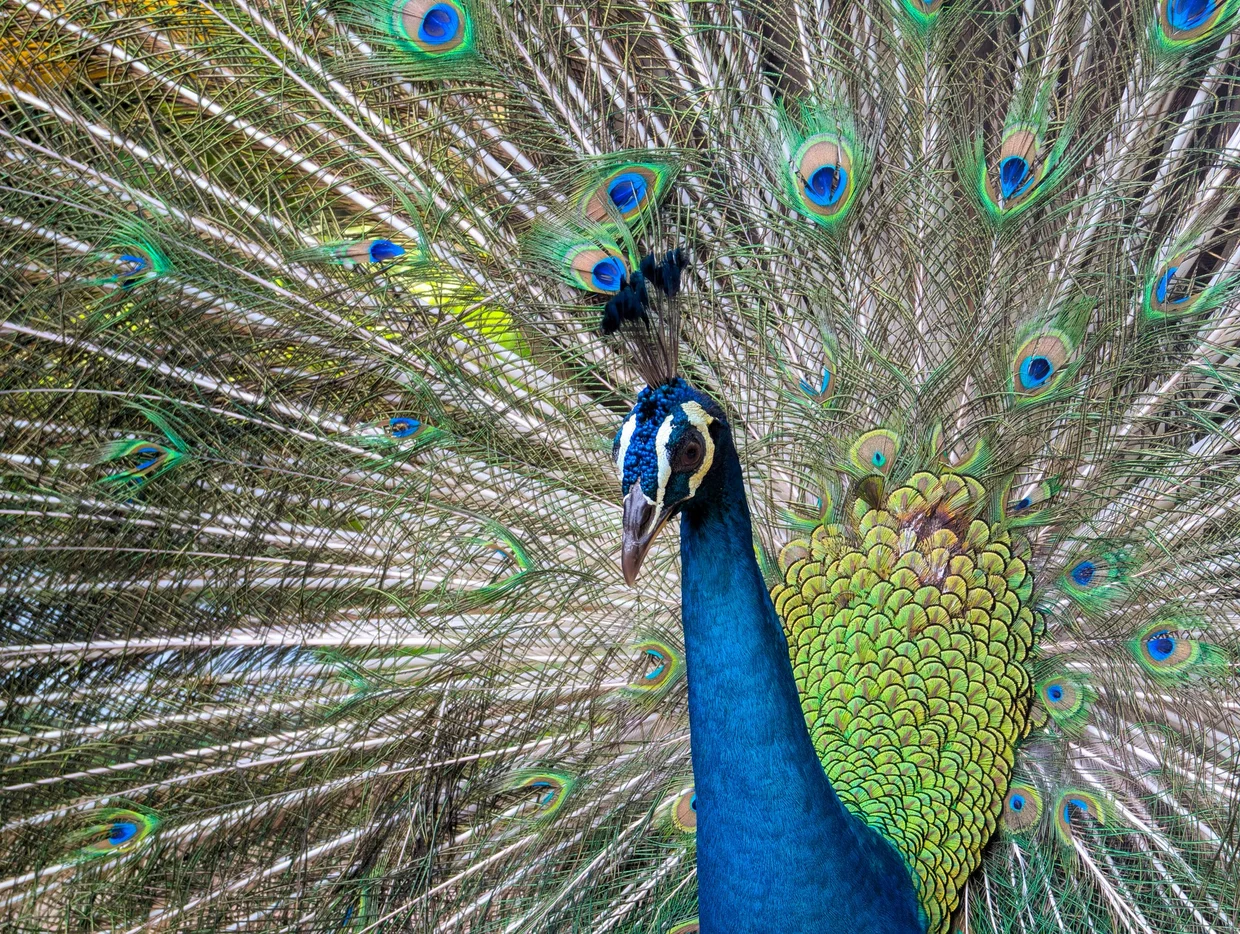
Perdana Botanical Garden (Lake Gardens) is the closest thing KL has to a real park. Inside it sits the KL Bird Park, billed as the world's largest free-flight aviary. The peacocks are unbothered and right next to you.
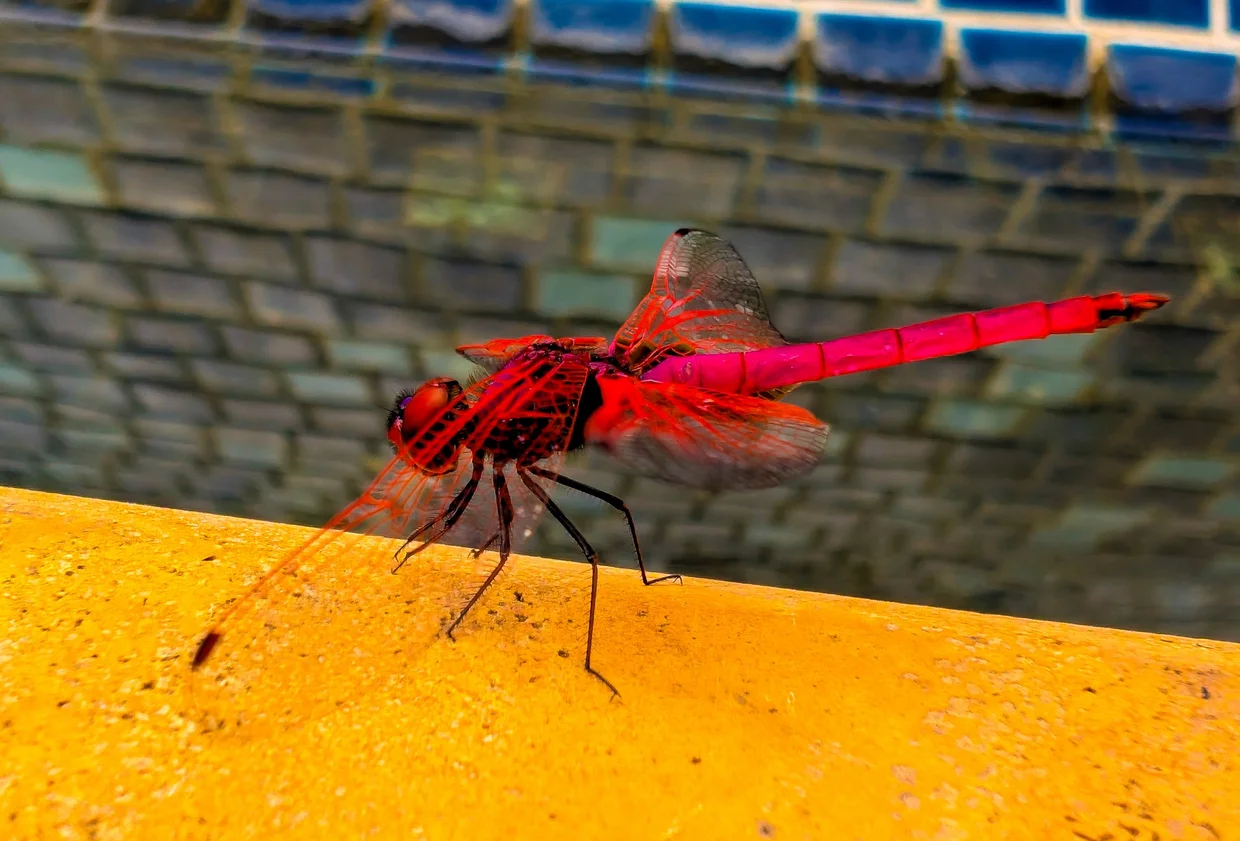
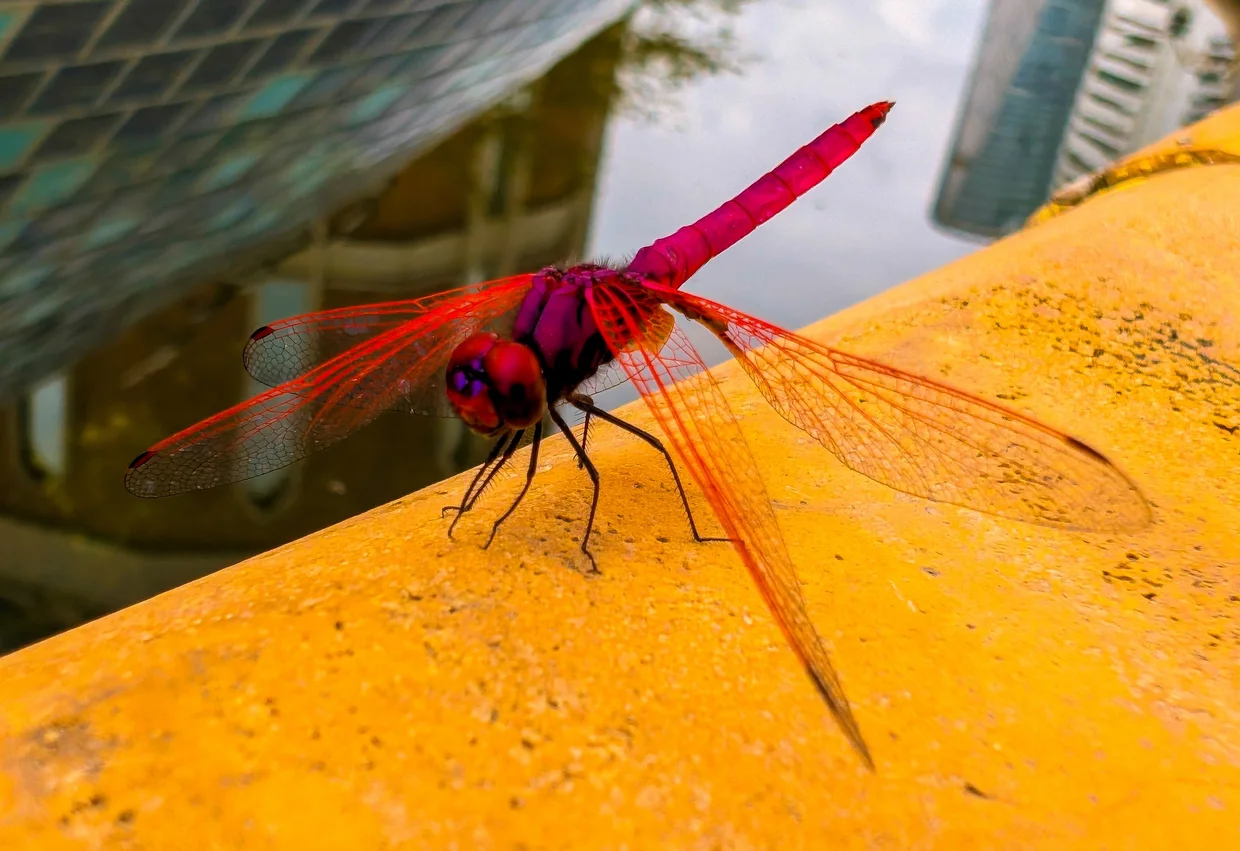
But the actual scene-stealers, for me, were the dragonflies. I've seen dragonflies in plenty of places. Never red like this. Like, that red. They sit on yellow-painted railings looking like someone Photoshopped them in.
Other corners
The KLCC park itself is a small green island in the middle of all the glass. Nighttime, with the towers lit up and the fountains running, is the move.
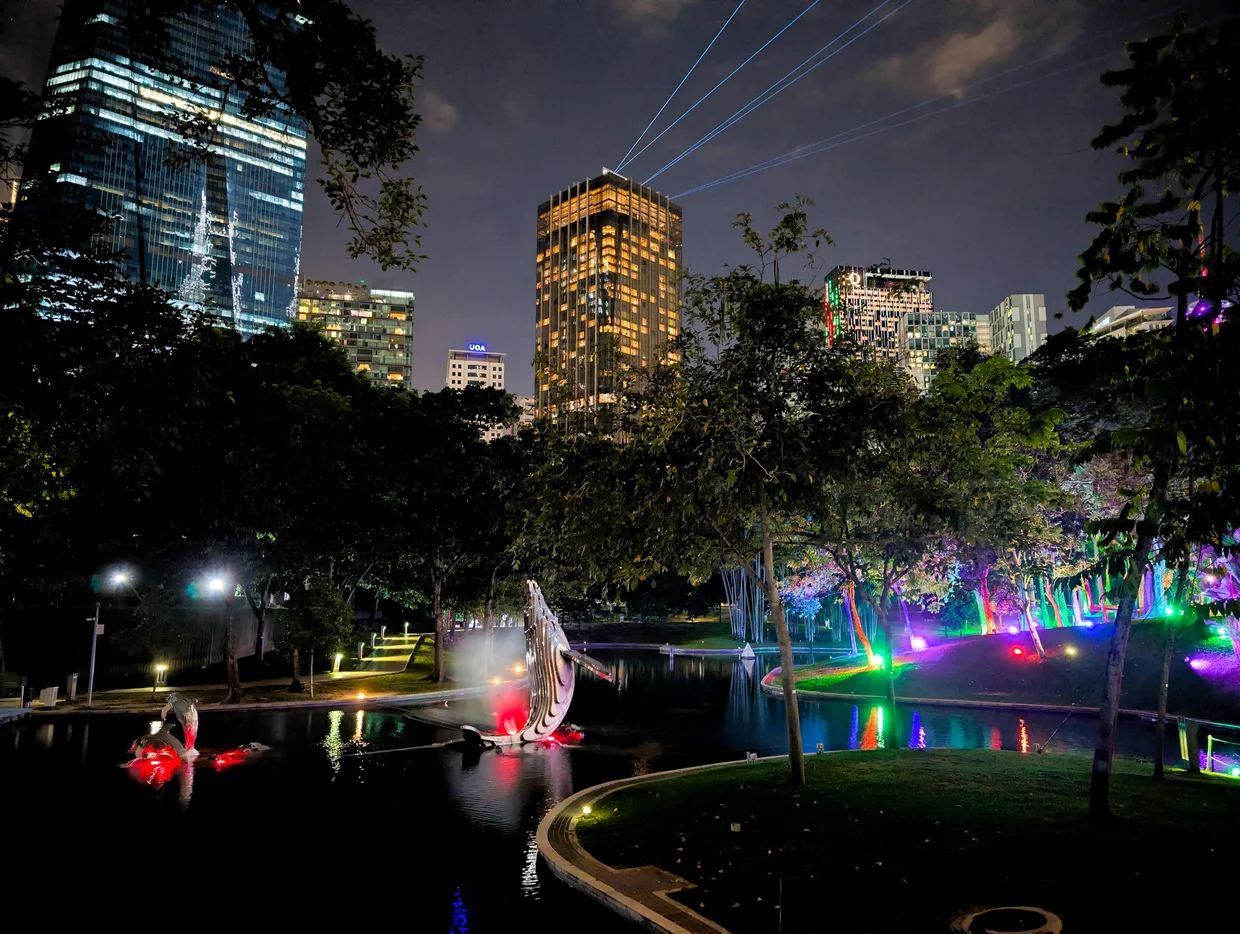
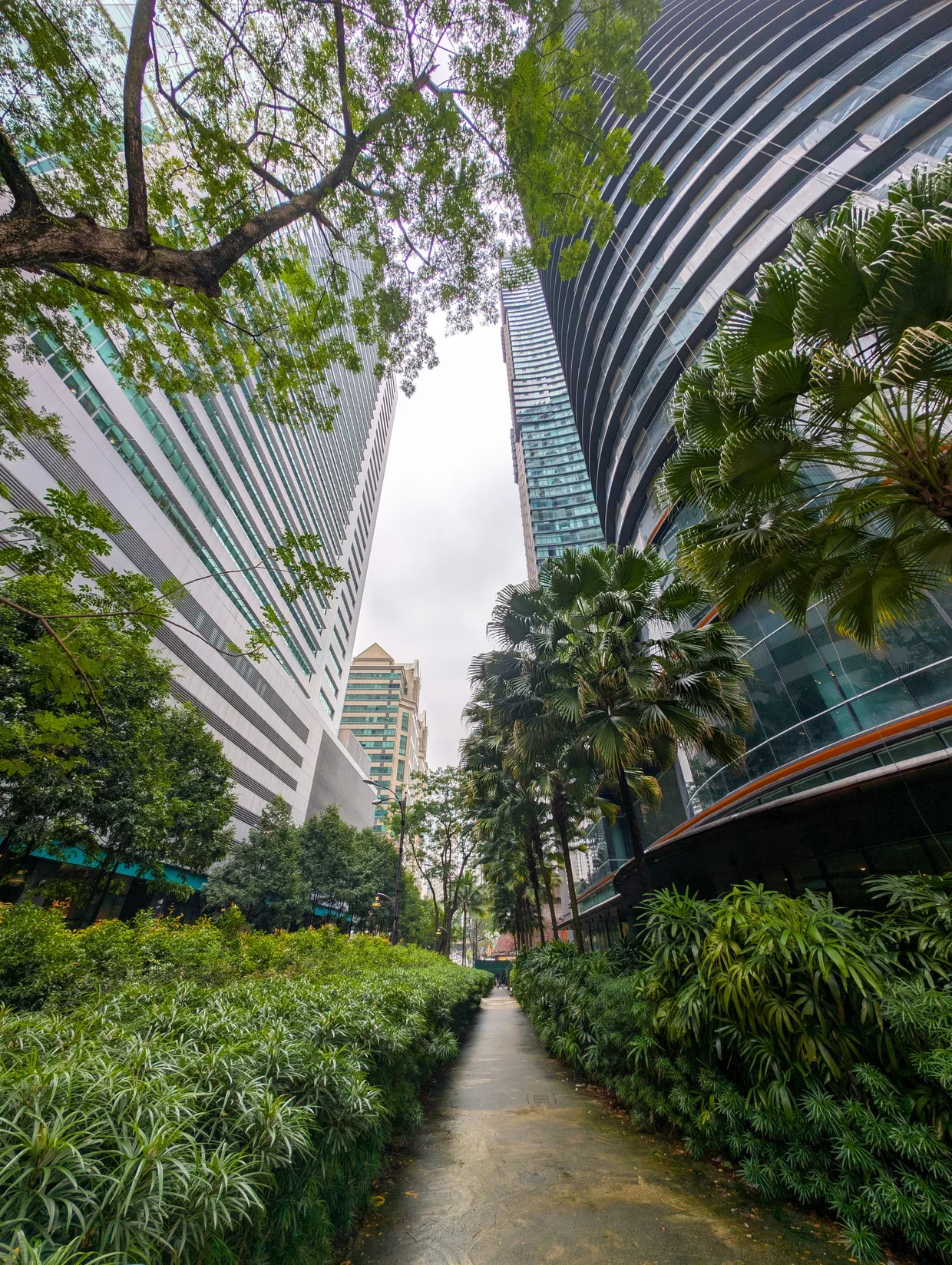
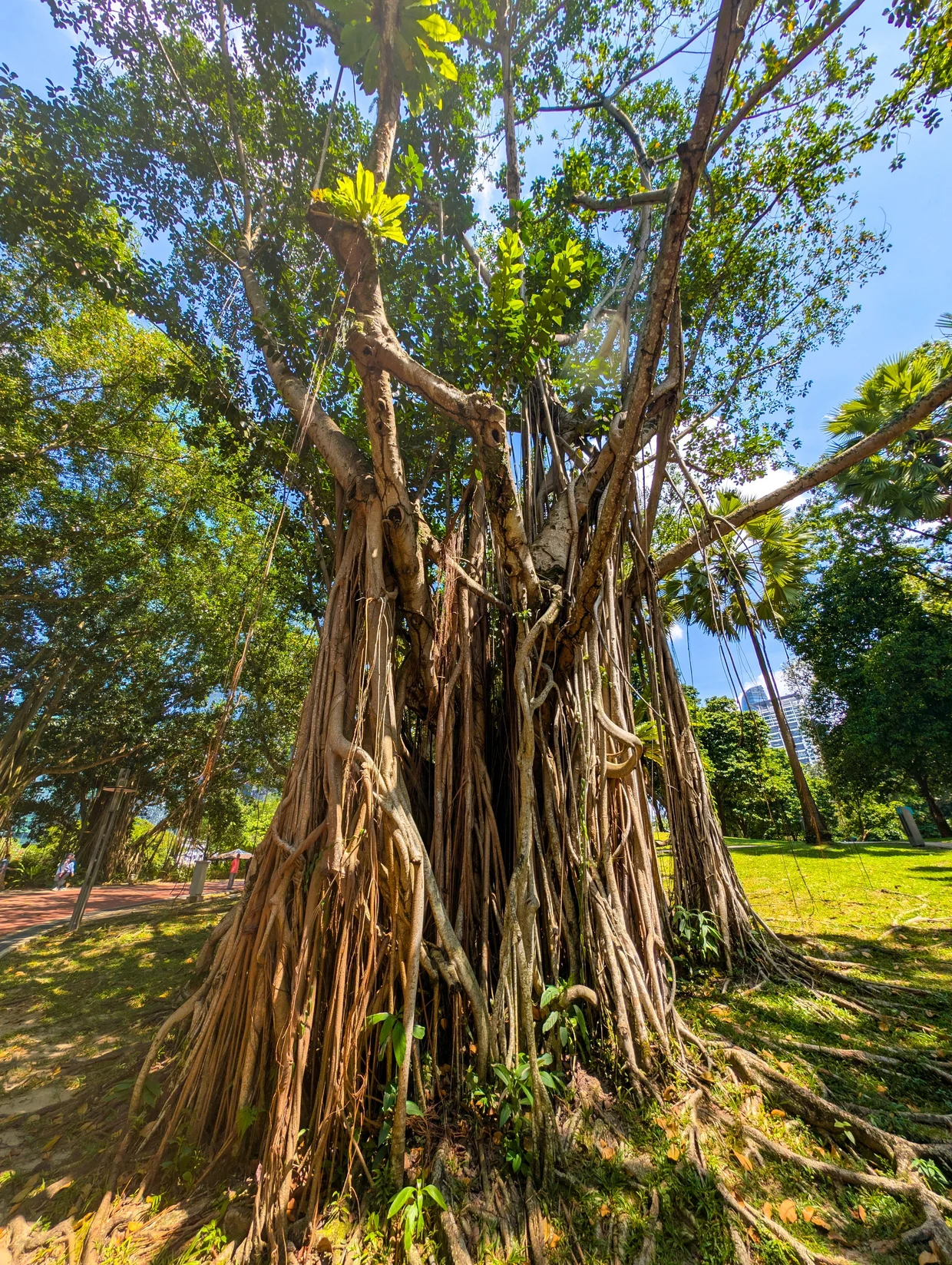
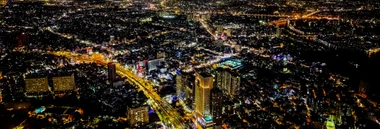
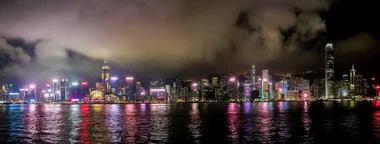
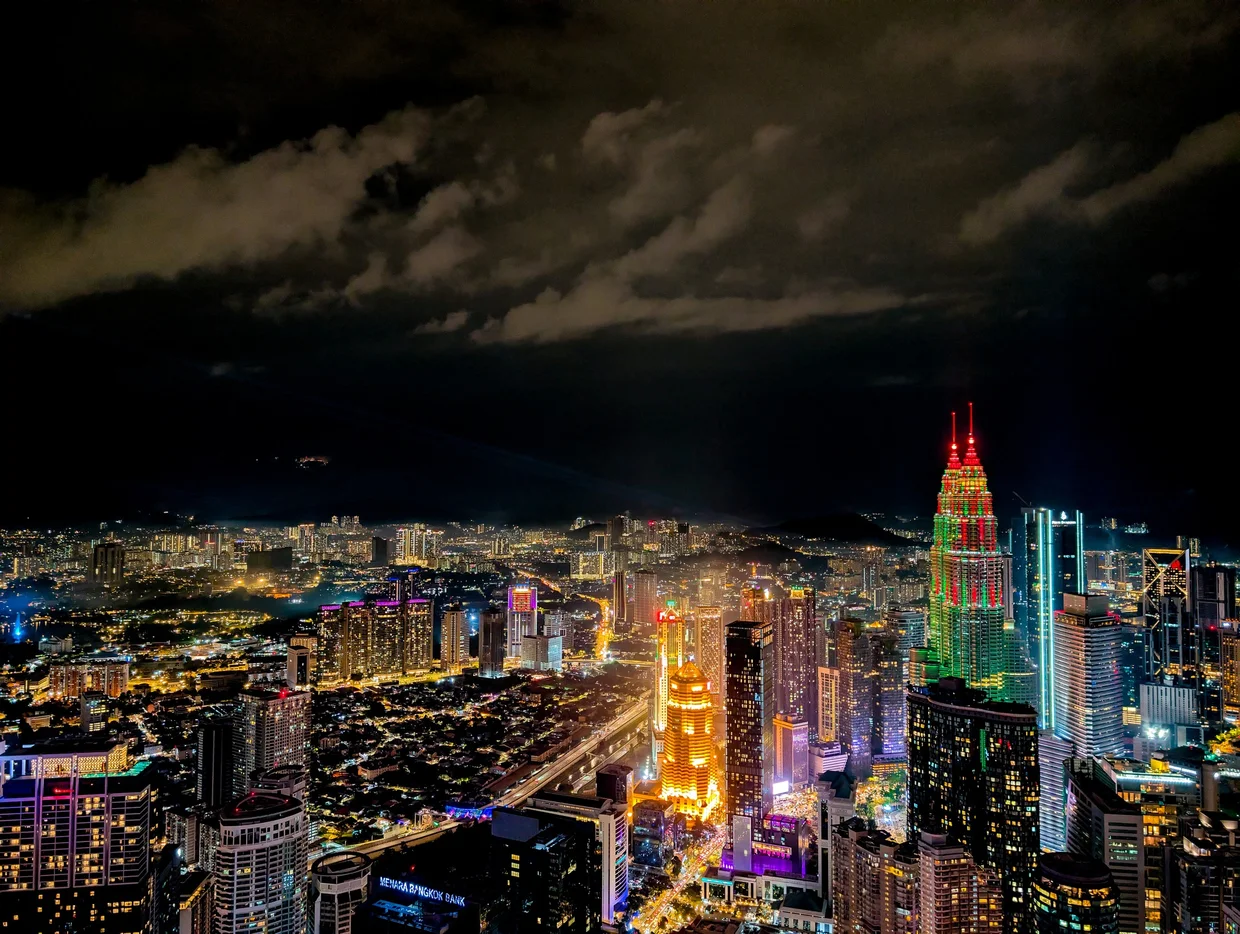
And the night skyline is genuinely one of the better in the region. The shots below are from KL Tower's observation deck, though a rooftop bar like Heli Lounge or Marini's gets you a similar view with a drink in hand. Christmas-lit Petronas glowing red and green, Merdeka 118 changing colors next to it, and a billion lights below.
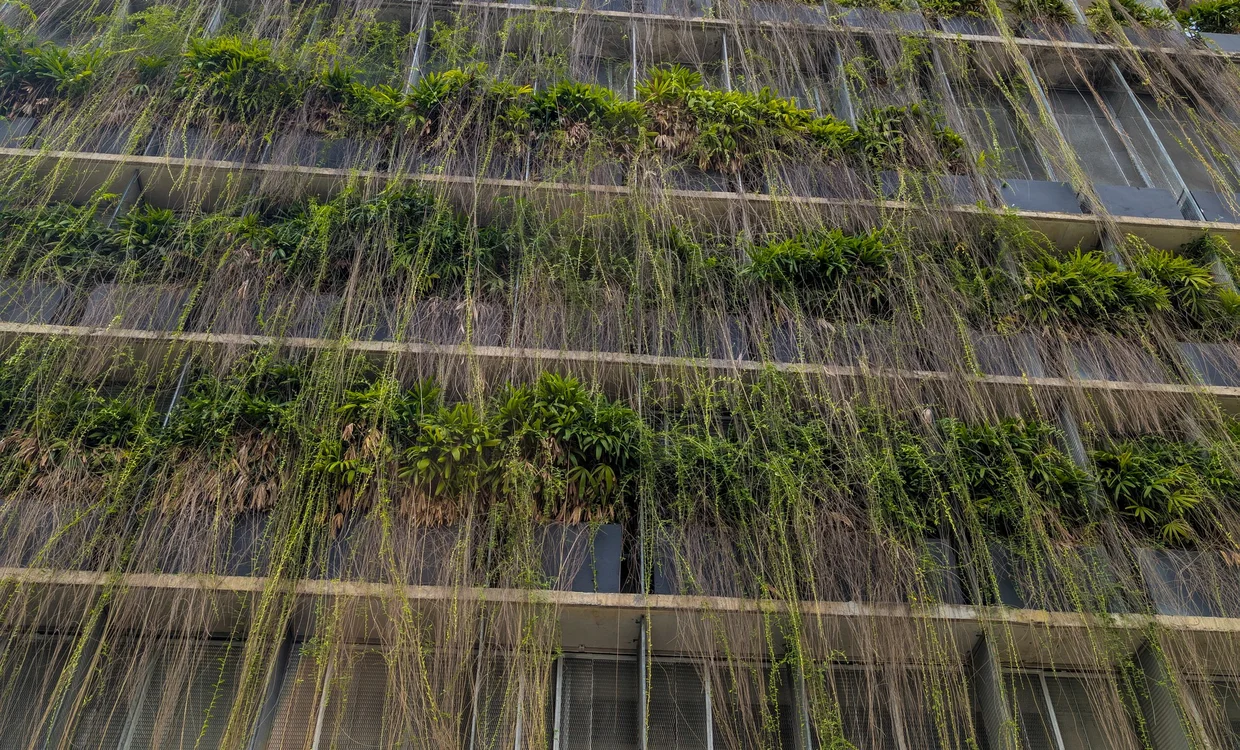
Tucked off Bukit Bintang is Lloyd's Inn Kuala Lumpur, a boutique hotel whose facade has been allowed to go fully feral. Ferns push out between the floors, vines hang past the windows, and the whole thing looks like the last remaining structure in a zombie movie, several decades after the outbreak, once even the survivors have given up pretending humans still live there. It's a working hotel, apparently.
Best Base
Where to Stay
Bukit Bintang
Bukit Bintang is the default first-timer pick and the most walkable evening base in the city. Pavilion KL is the gravitational center: the giant mall, the Christmas-fanatic plaza, the Lot 10 hawker hall across the street. South of it sits Jalan Alor, the open-air food street that's basically just a strip of tables and grilled-everything stalls running until late. North gets you up to KLCC park in a 15-minute walk under the elevated walkway, which keeps you out of the sun and rain most of the way. Hotels run from 5-star towers (W, JW Marriott, Ritz-Carlton) to small boutiques tucked off Changkat like Lloyd's Inn. The trade-off is the noise. The main strip never really quiets down, and Jalan Sultan Ismail is a permanent traffic jam in the evenings. If you're a light sleeper, ask for a room facing away from the street.
Christmas in Kuala Lumpur: A Full-Contact Sport
Kuala Lumpur goes insane for Christmas. Insane. Every mall has a tree the size of a small office building. Every hotel has a gingerbread village in the lobby. Every shop is playing carols. There's even fake snow falling, indoors and outdoors. People stand outside Pavilion KL holding umbrellas while machines spray foam from the rooftops. You will see kids with their tongues out trying to catch fake snowflakes in 30°C heat.
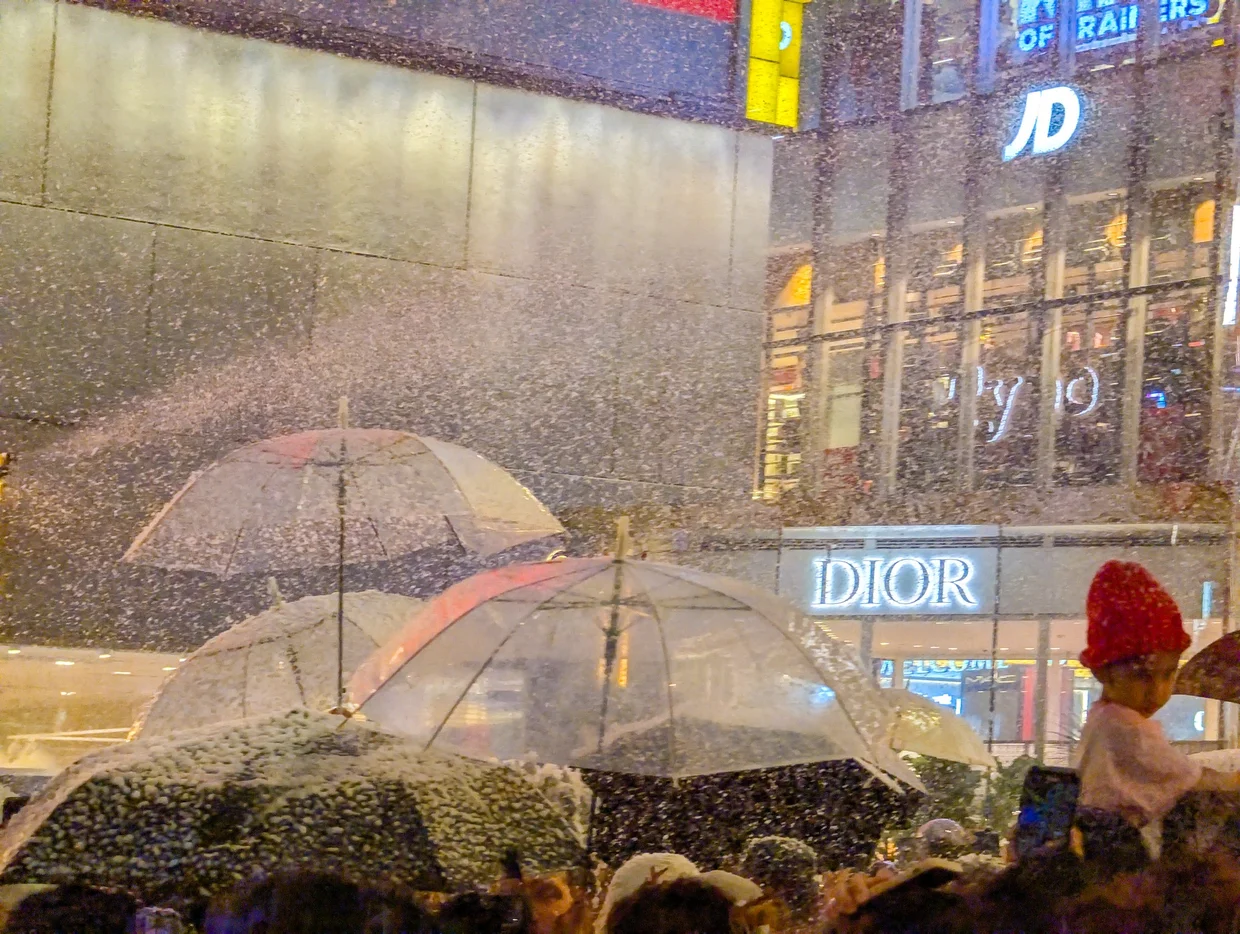
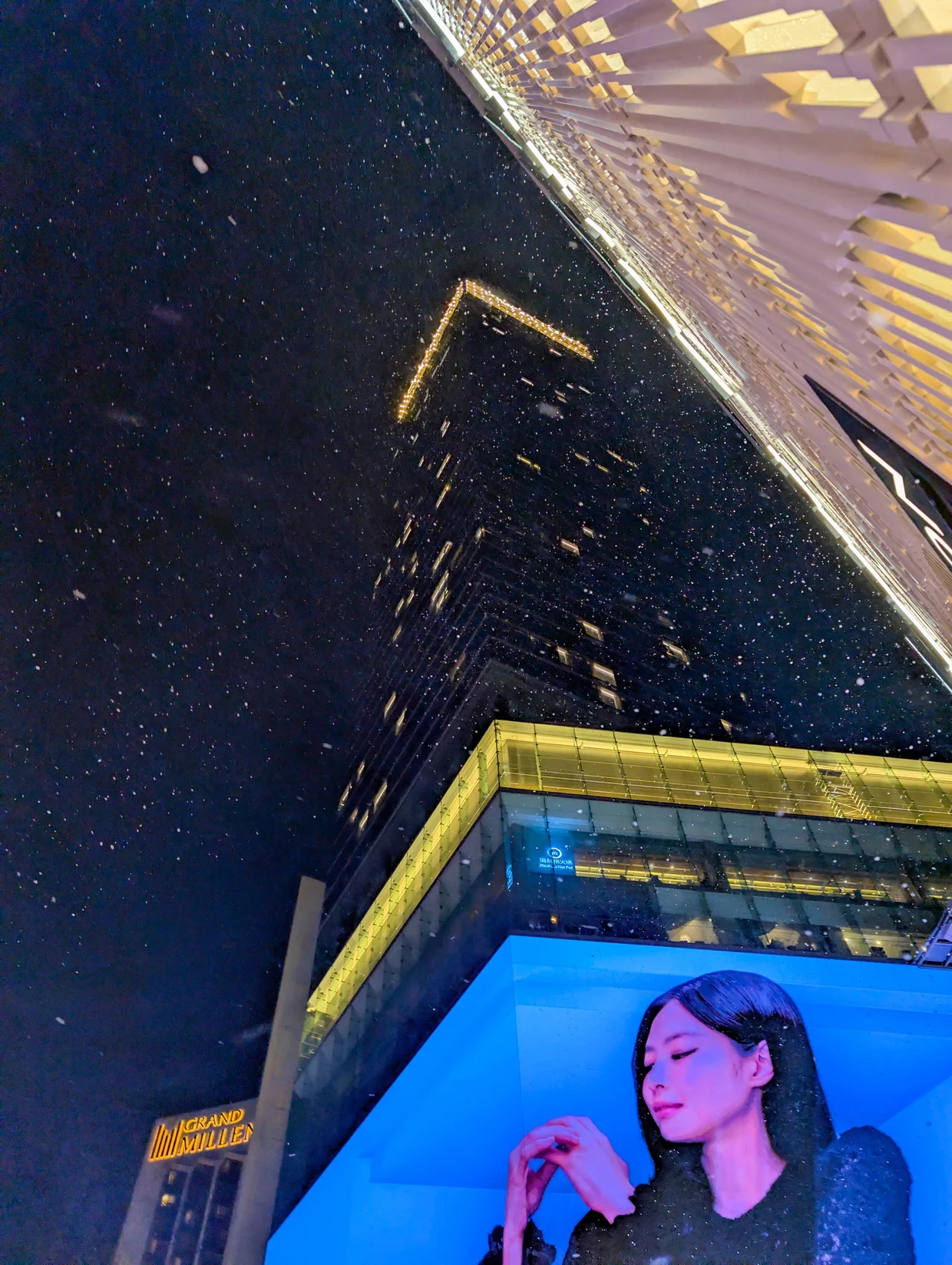
It is, unironically, one of the most committed Christmas energy I've seen anywhere. Lapland tries less. Bavaria tries less. Even the slightly rough corner shop on a side street has tinsel.
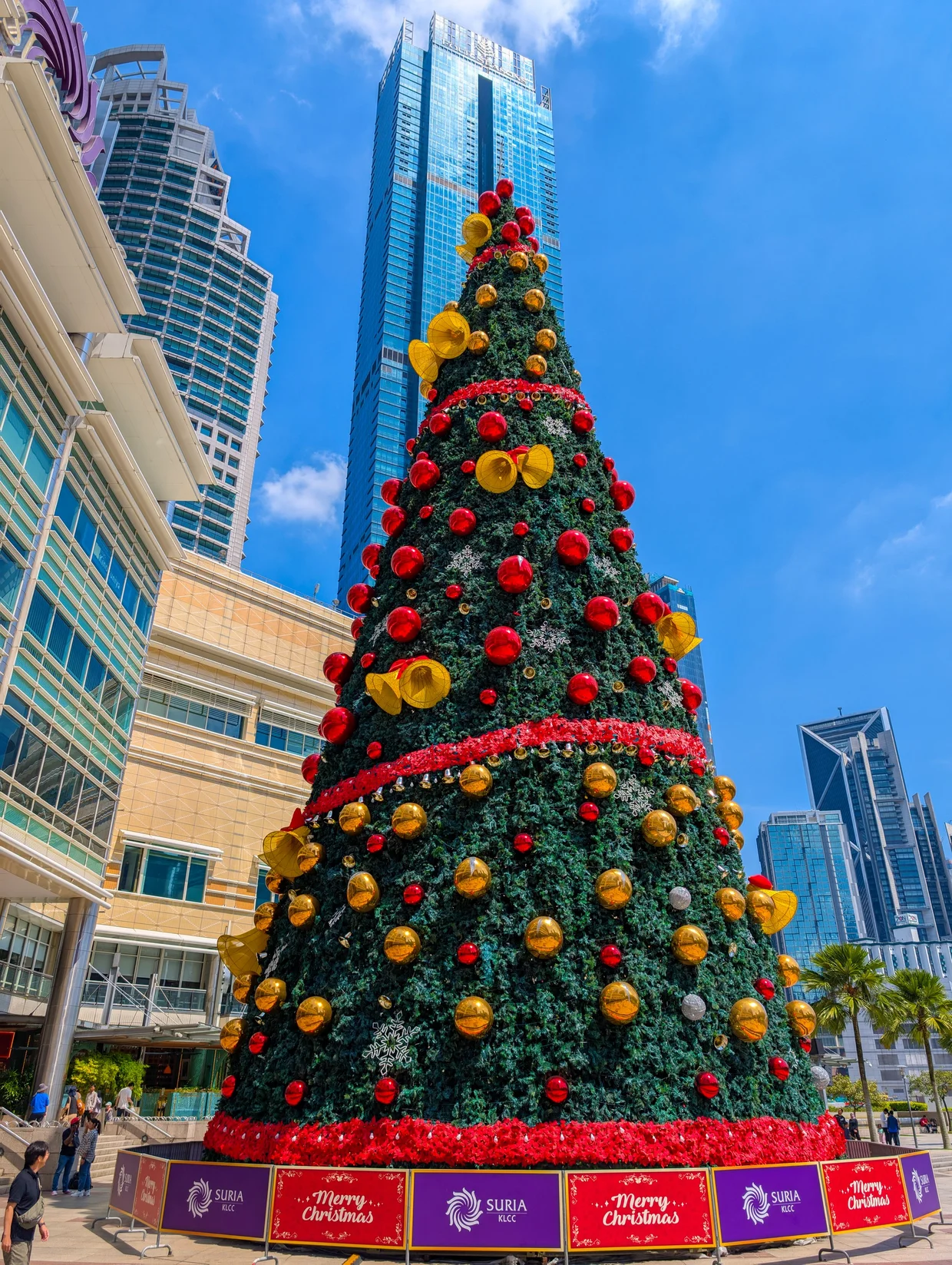
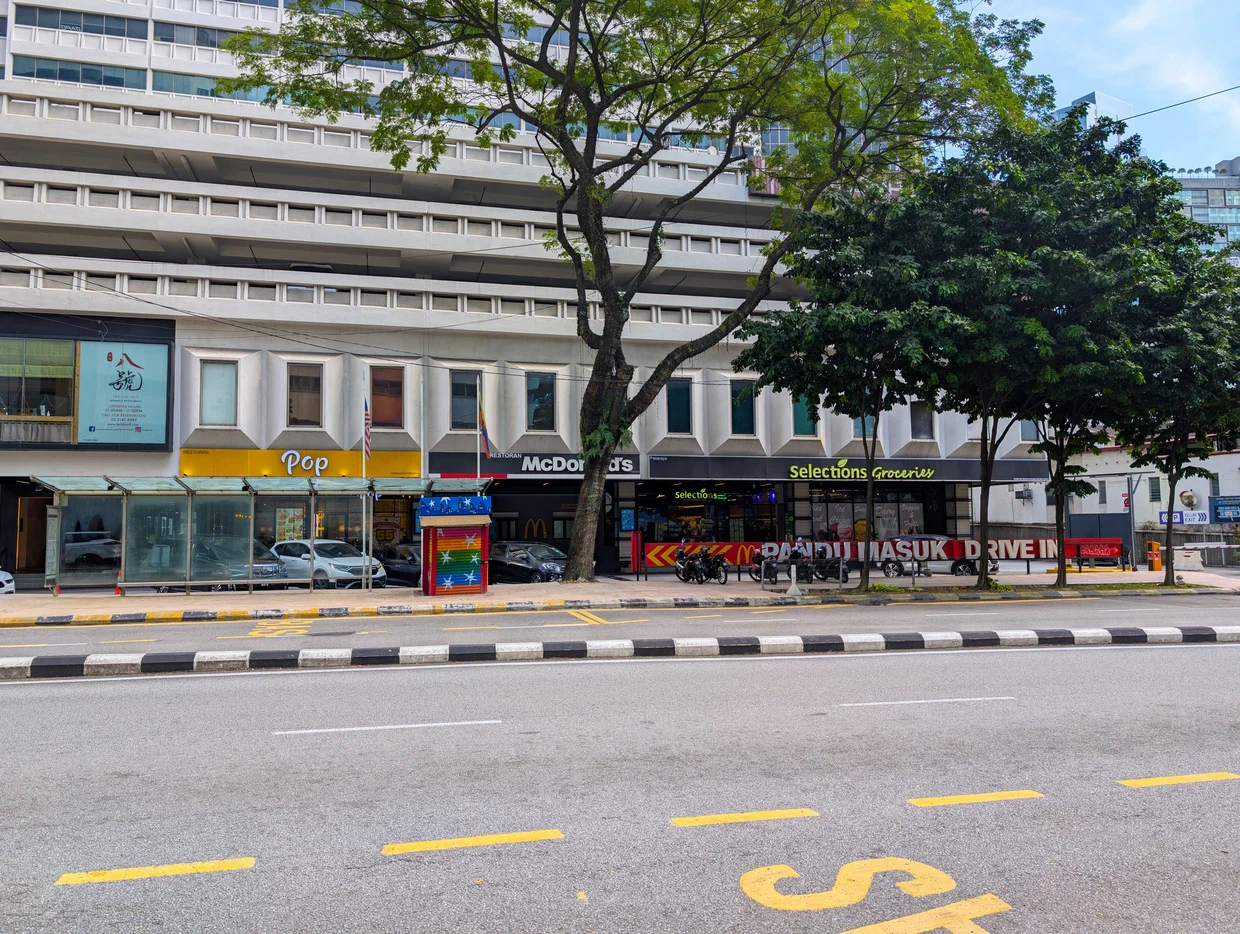
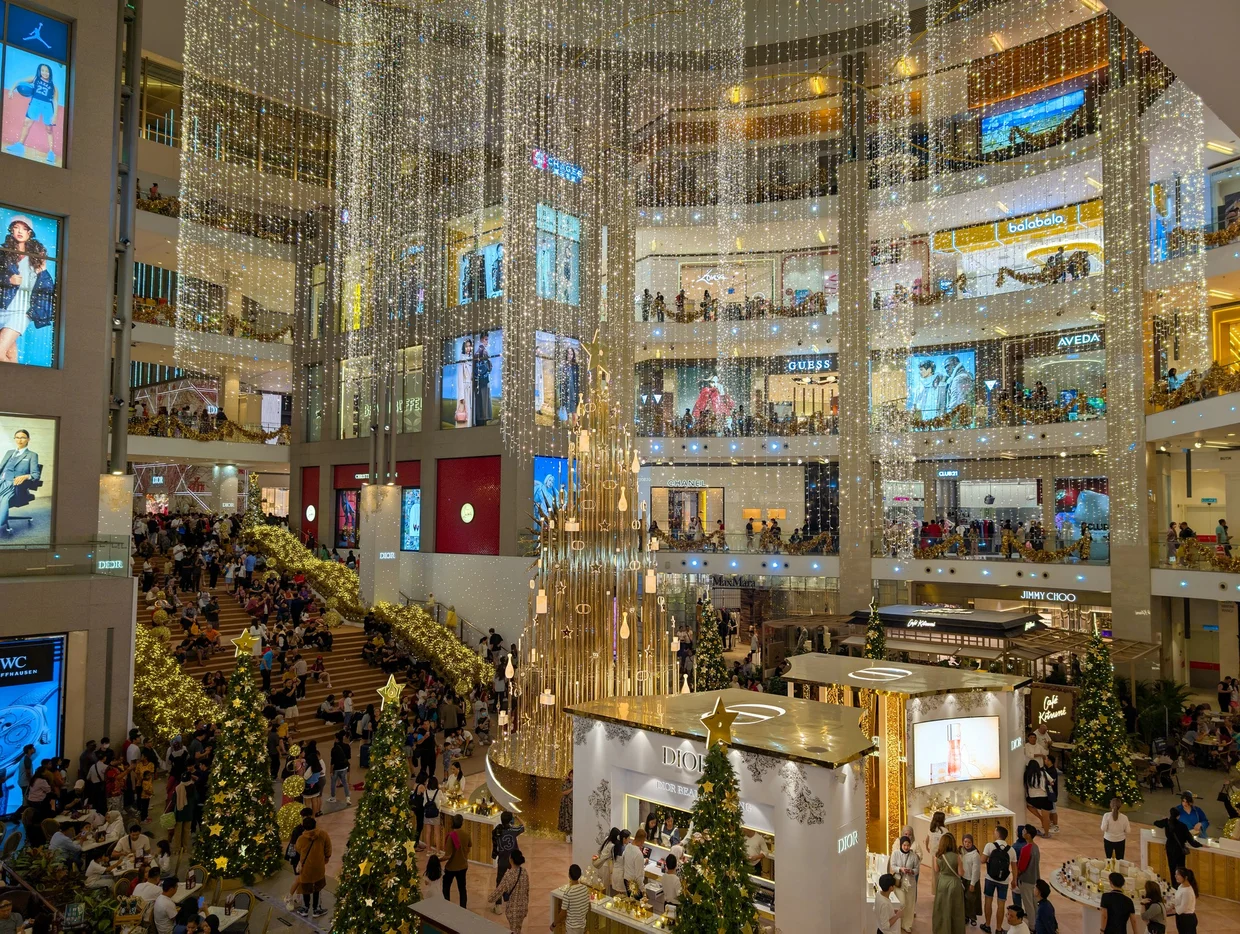
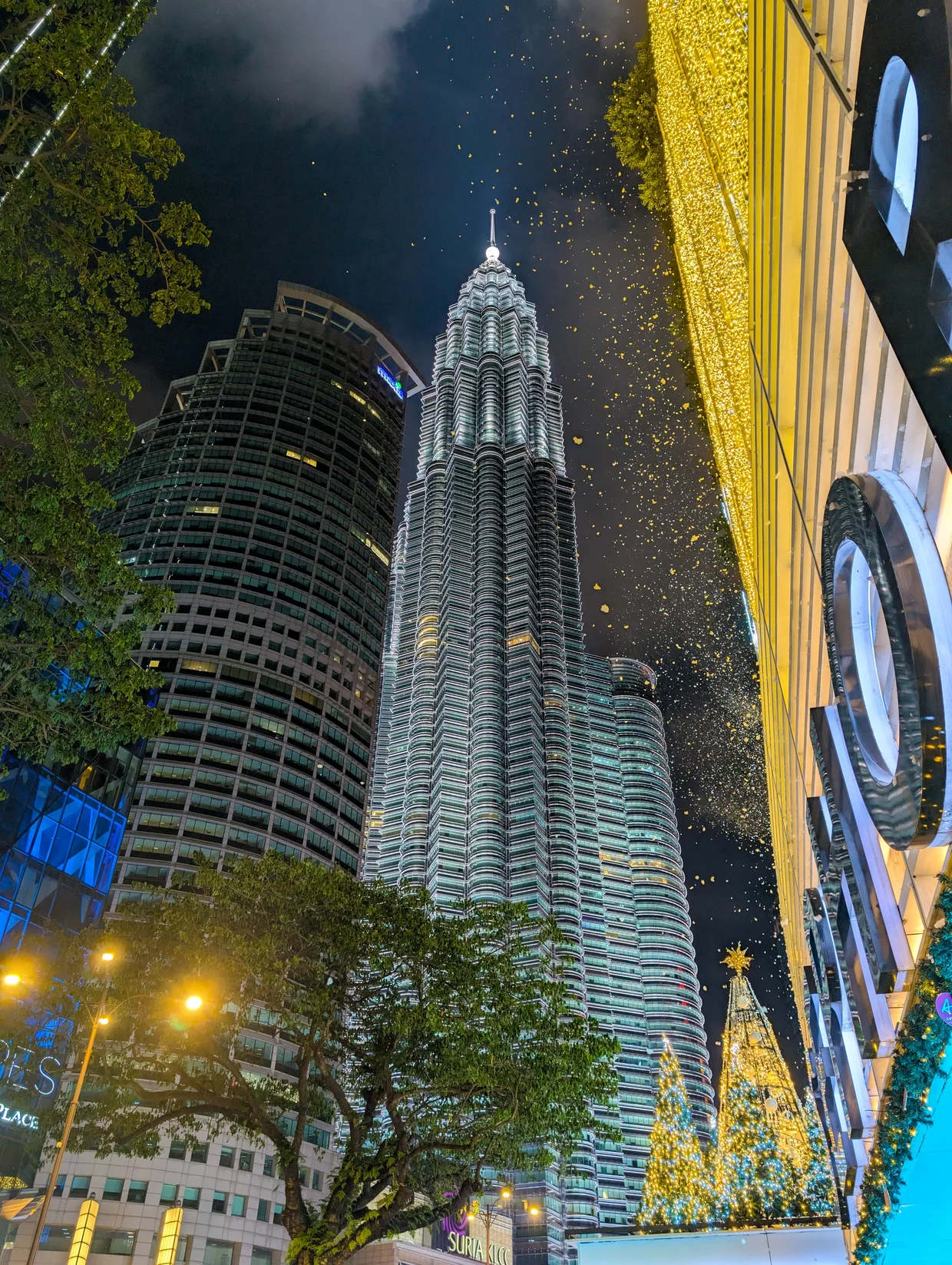
Kuala Lumpur also hosts a handful of Christmas markets across the city. Not quite the full Bavaria-mulled-wine-and-bratwurst experience, but Christmas markets nonetheless: stalls, fairy lights, the lot. I didn't spot a single Santa Claus at any of them, which feels fair. A full velvet suit and fake beard at 30°C humidity would probably qualify as torture under international law.
Malaysia is officially Muslim-majority, but it's also massively Chinese, Indian, and just commercially competitive. Malls treat Christmas as a thirty-day Instagram event. Hotels do the same. By the time you've spent three days in Kuala Lumpur in December, you'll have seen more Christmas trees than in your entire previous life.
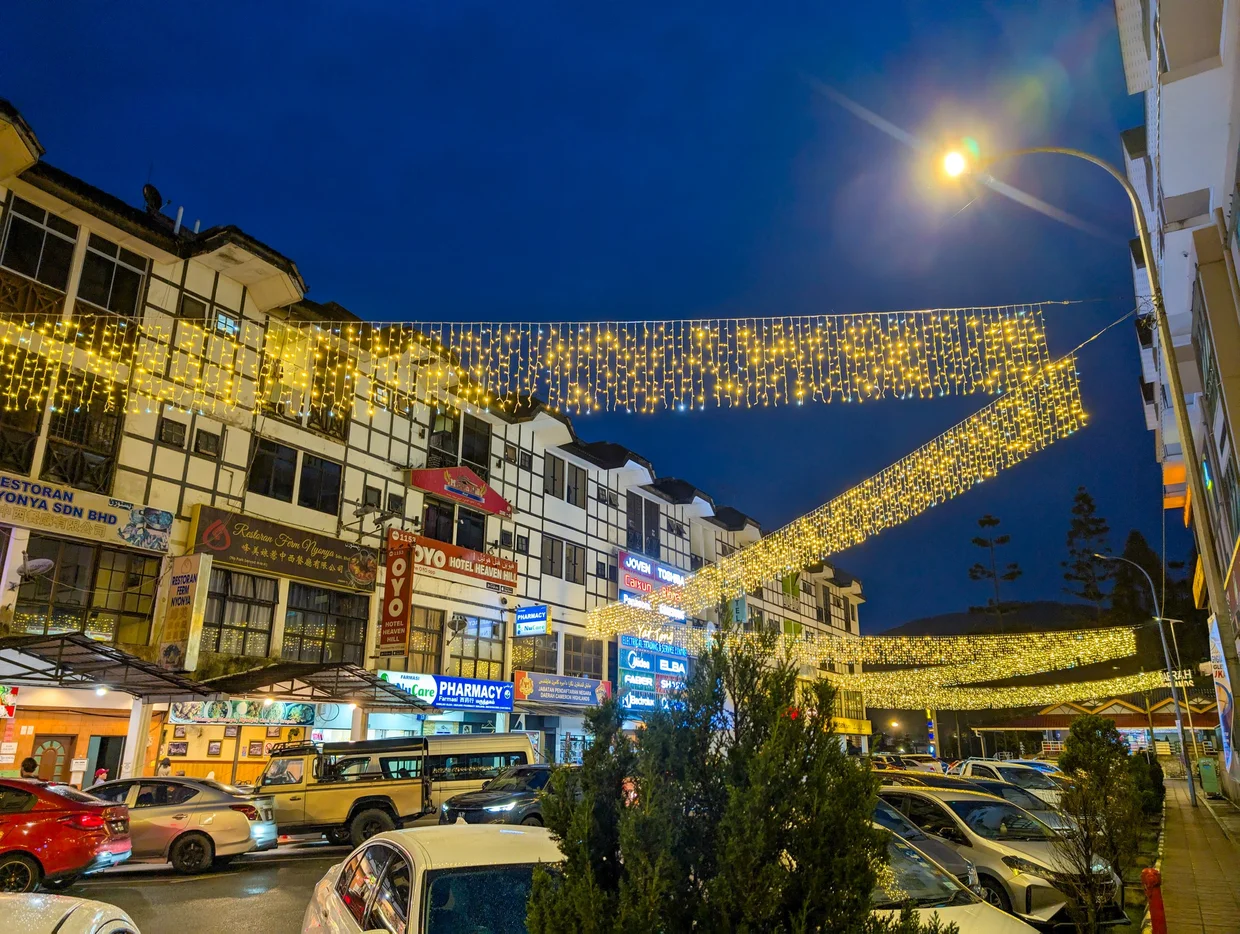
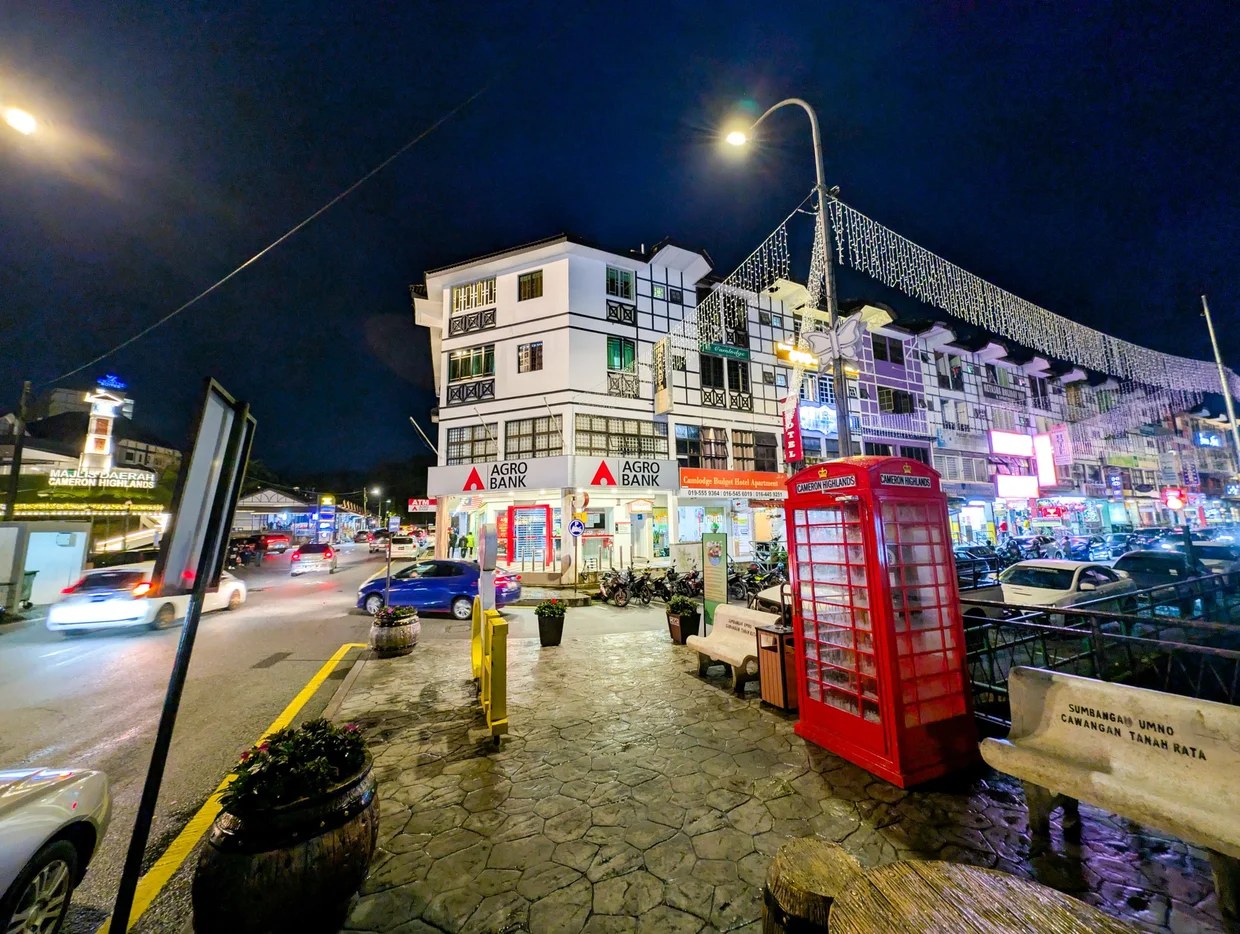
It even spreads to the highlands. Cameron Highlands does its own version, with Christmas lights strung over Tanah Rata's main street.
Penang
Penang is two trips in one. There's George Town, the UNESCO-listed colonial-Chinese-Indian-Malay heritage city. And there's the rest of the island, with rainforest, beaches, and one absurdly good botanical garden.
George Town
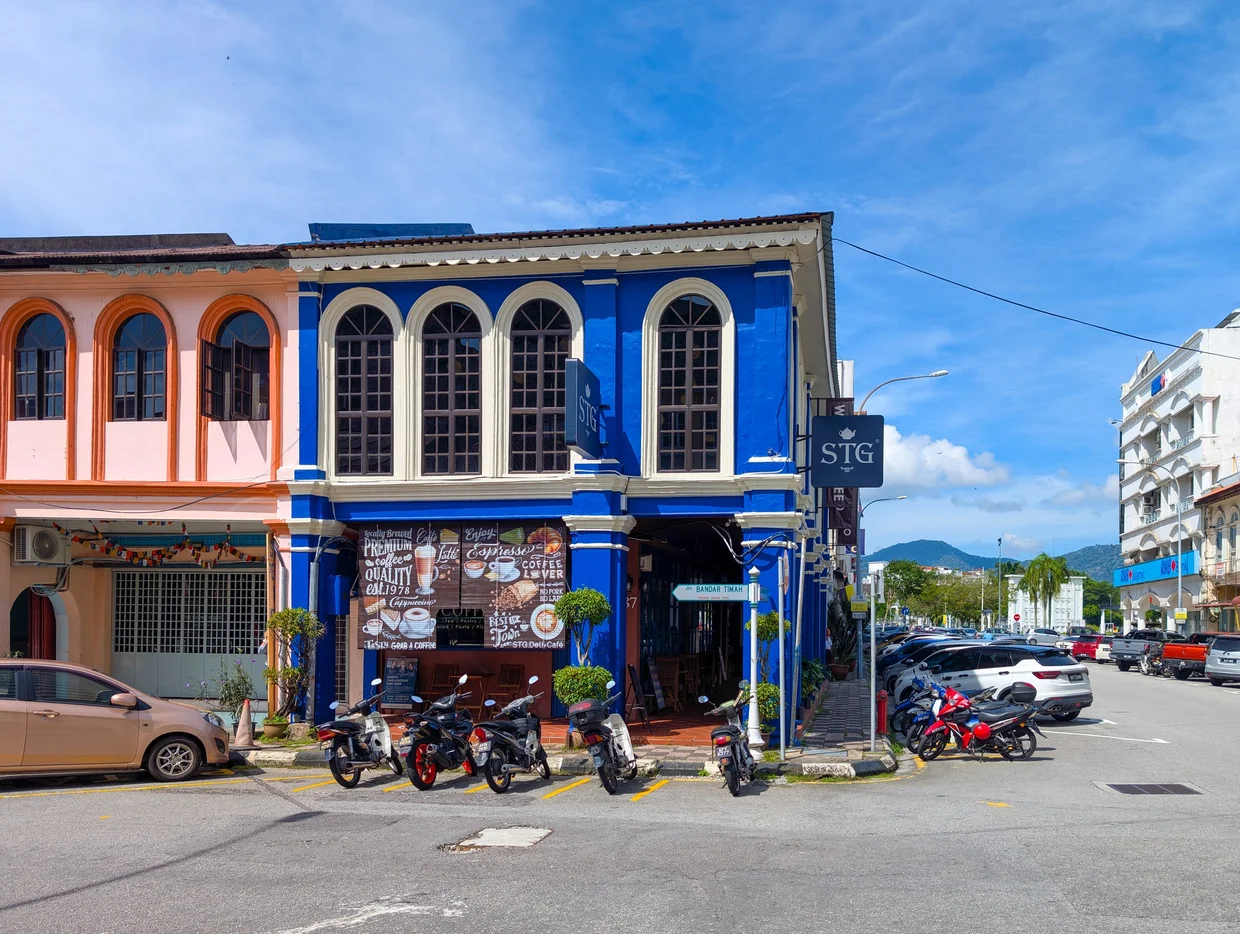
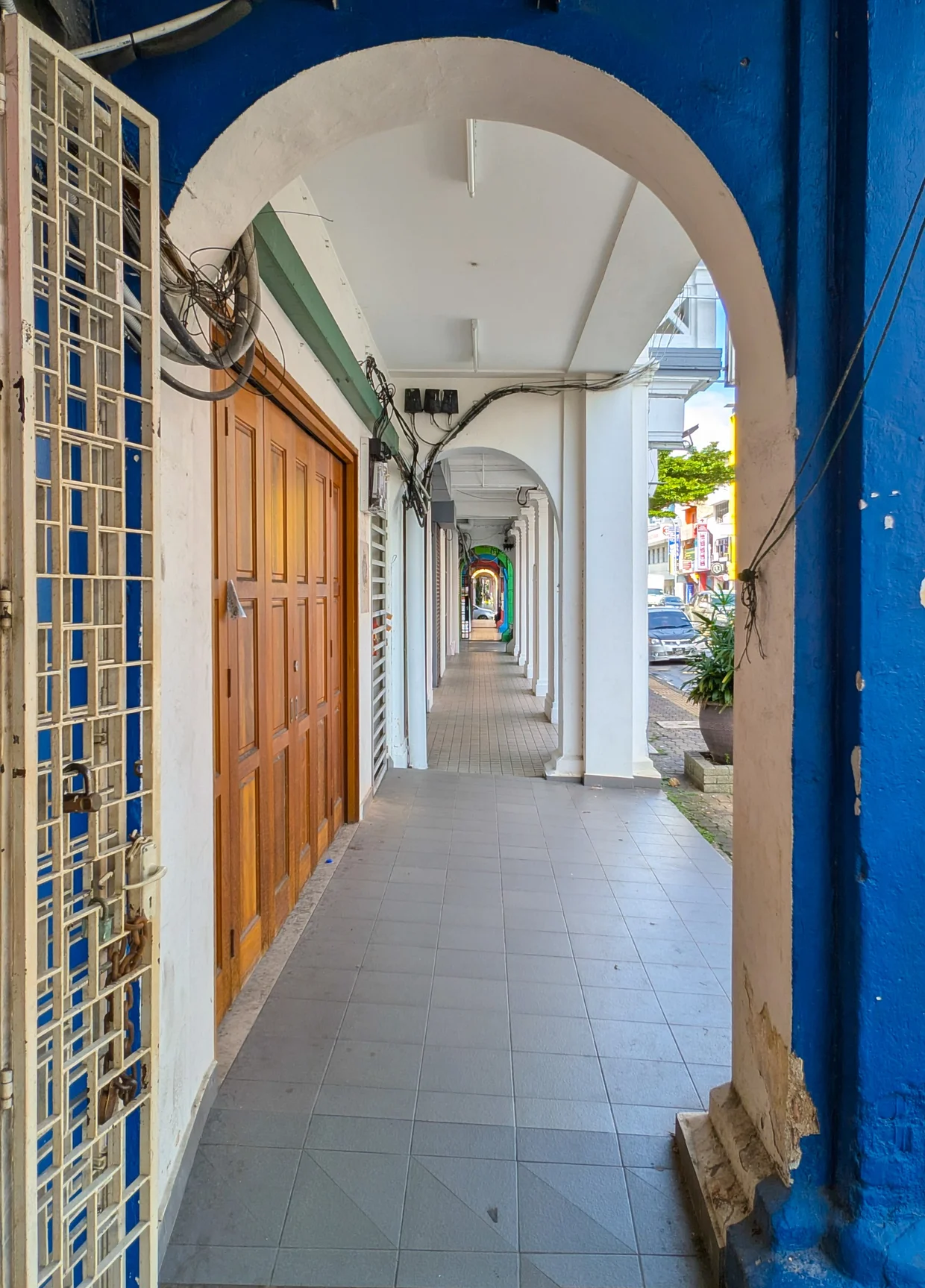
George Town's old quarter is a tangle of shophouses, clan temples, mosques, and Indian restaurants. Some of it is preserved beautifully. Some of it is falling apart in a charming way. All of it photographs well.
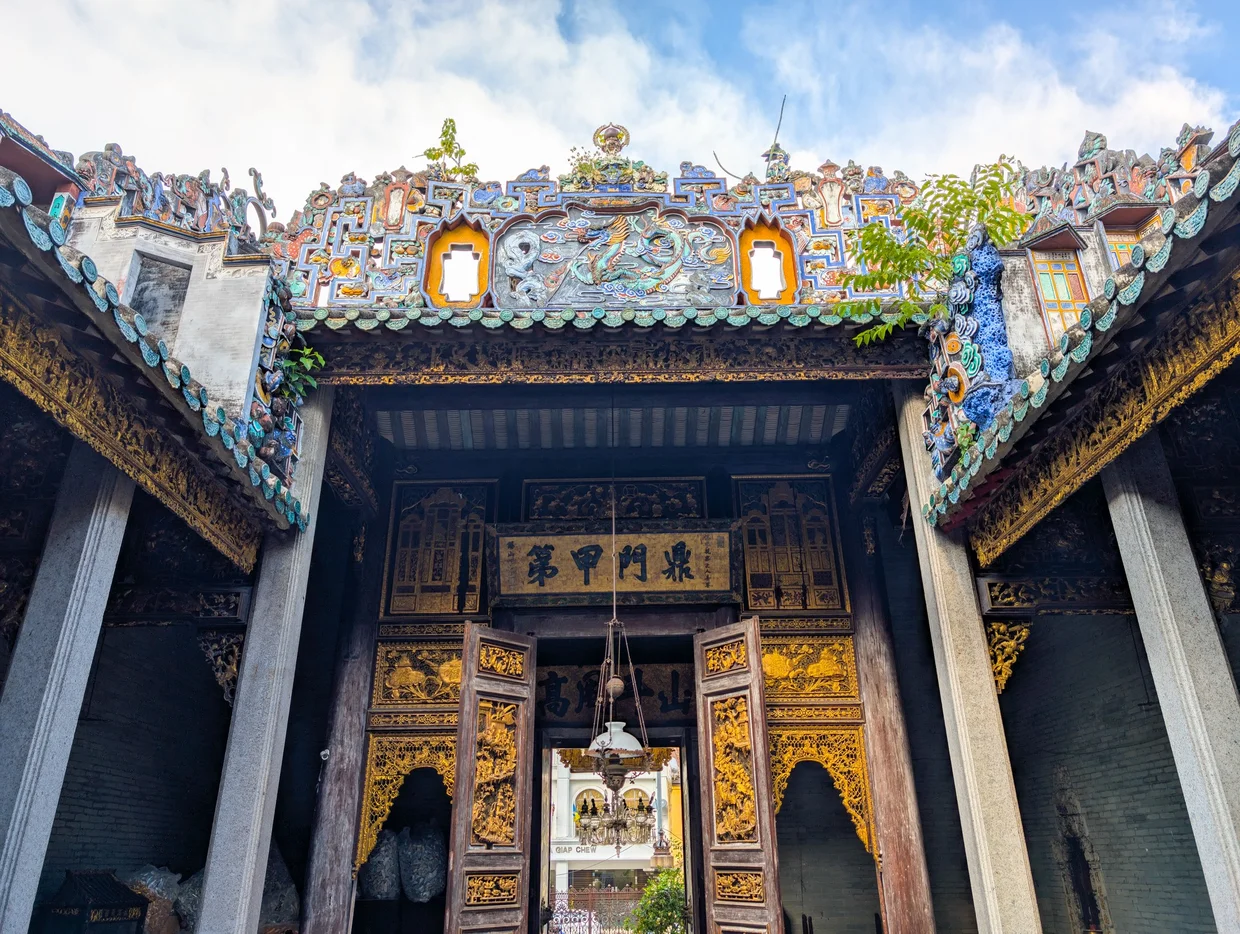
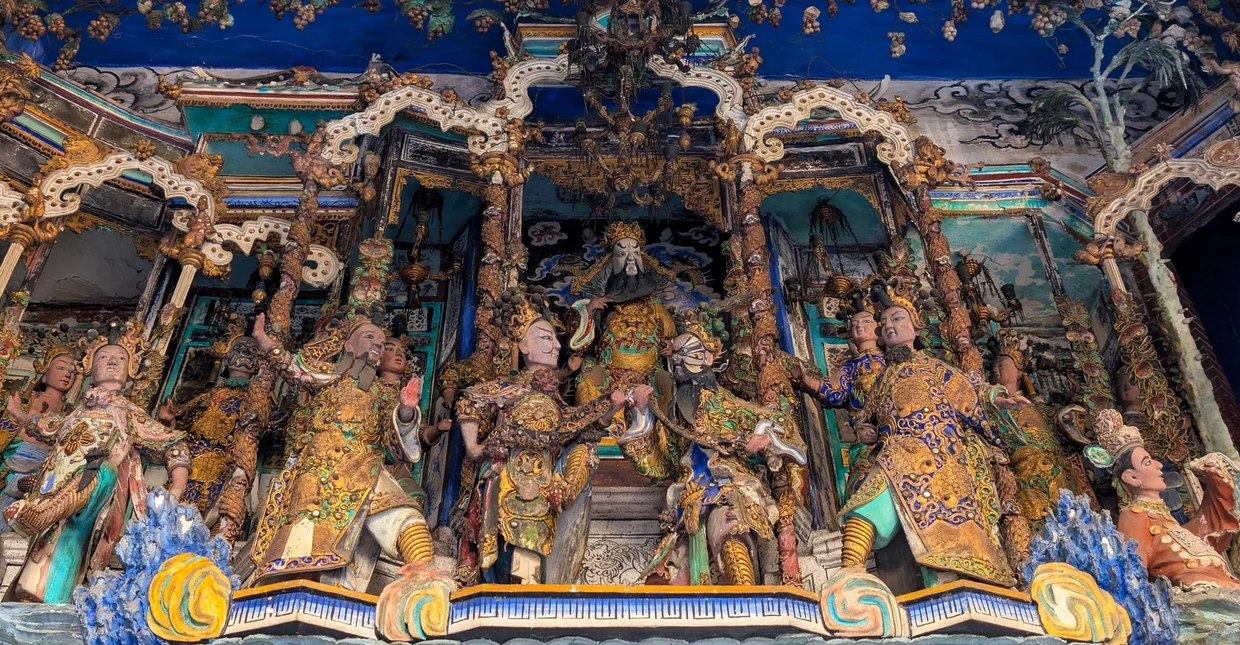
The two stops you can't skip are Khoo Kongsi (a Hokkien clan house turned over-the-top museum, with gilded everything and roof figures crawling everywhere) and the Pinang Peranakan Mansion (a wealthy Straits Chinese family's home, restored as a peranakan culture museum).
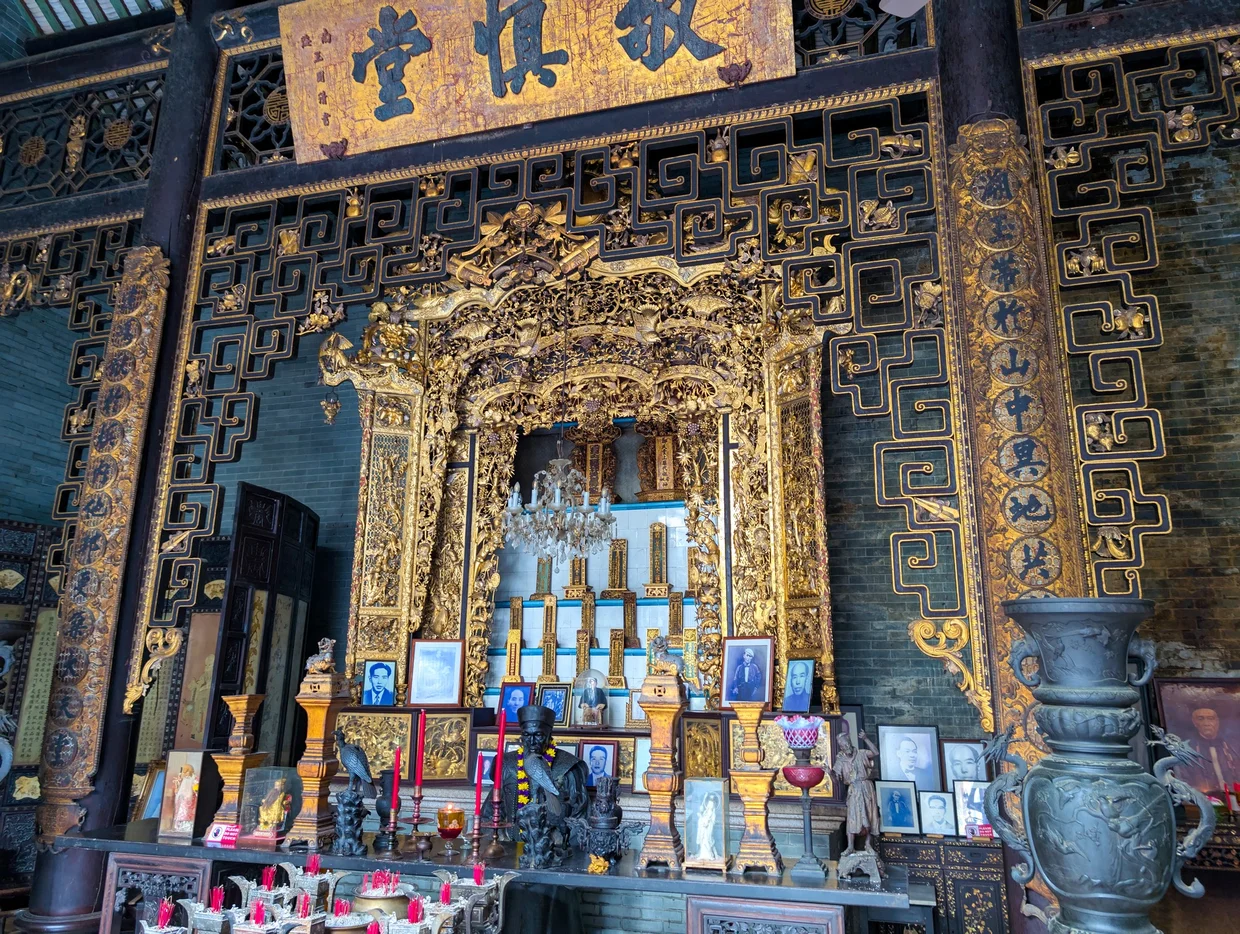
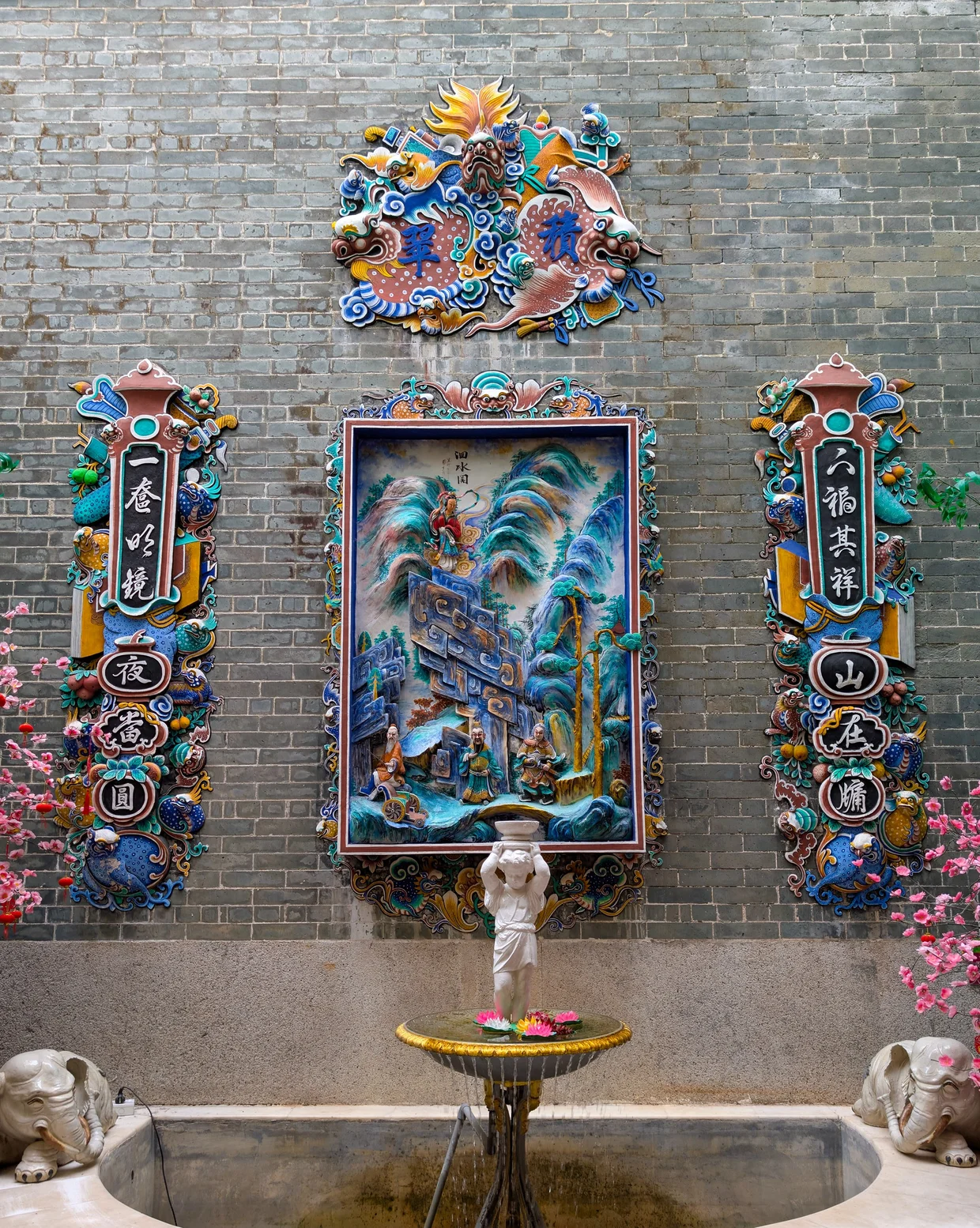
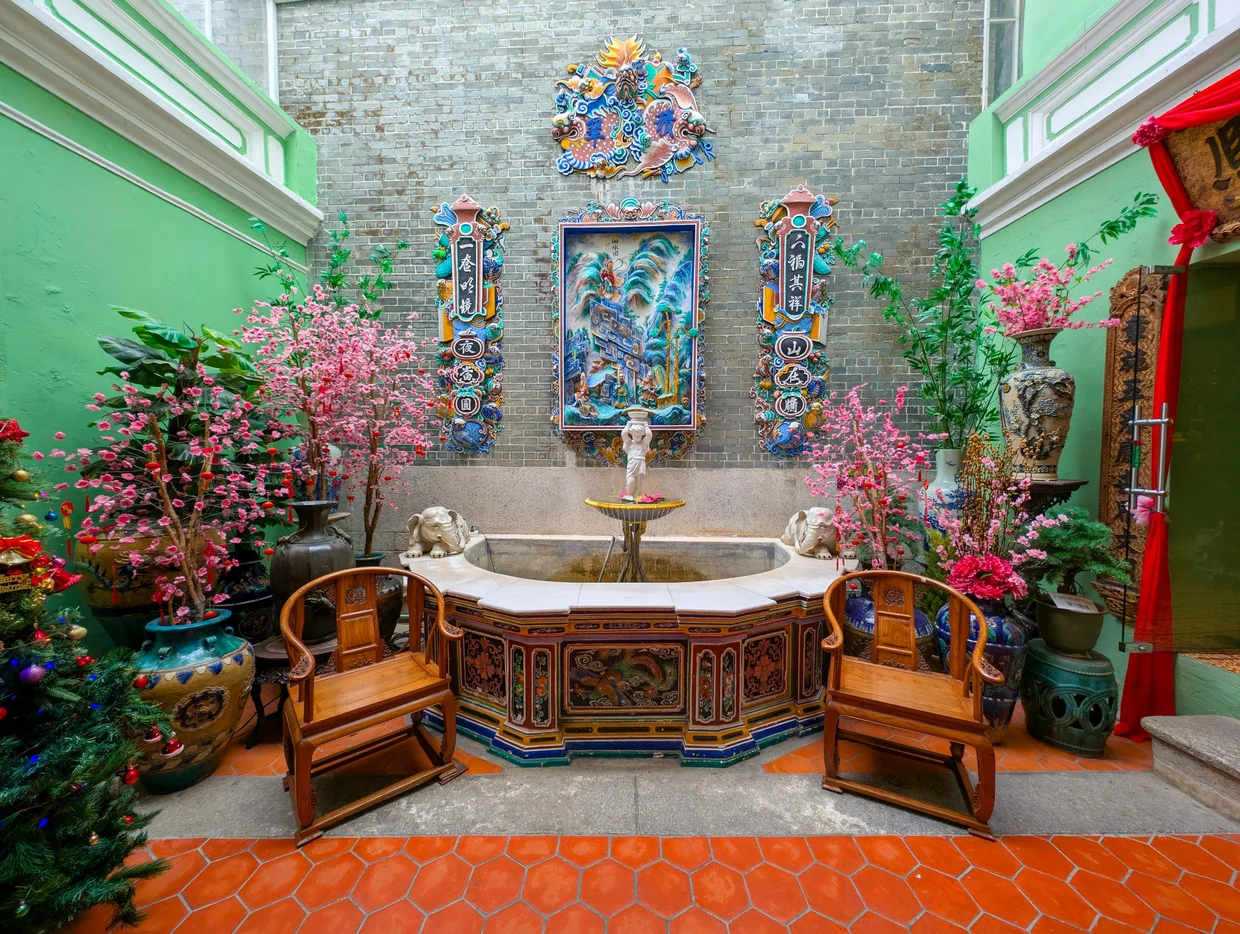
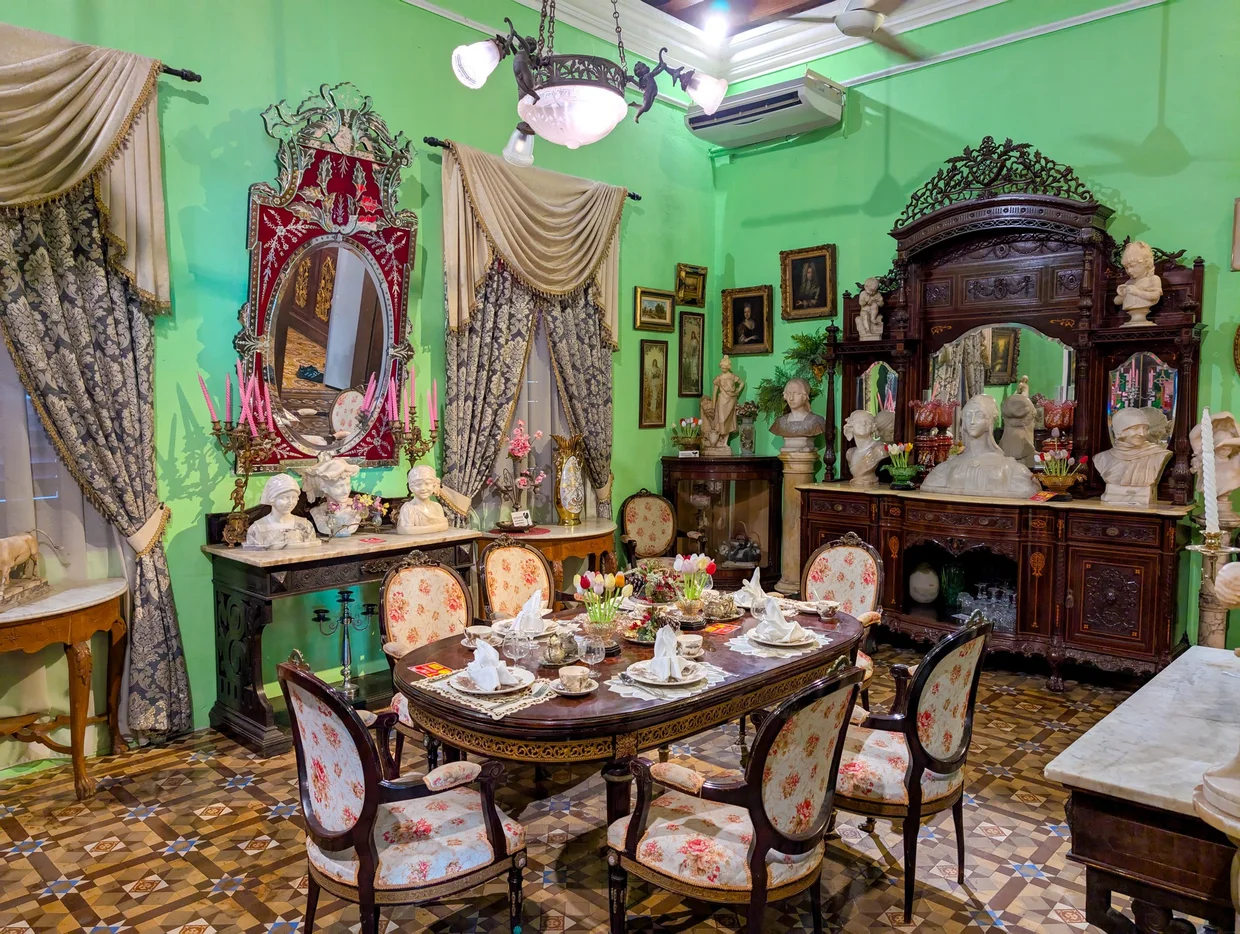
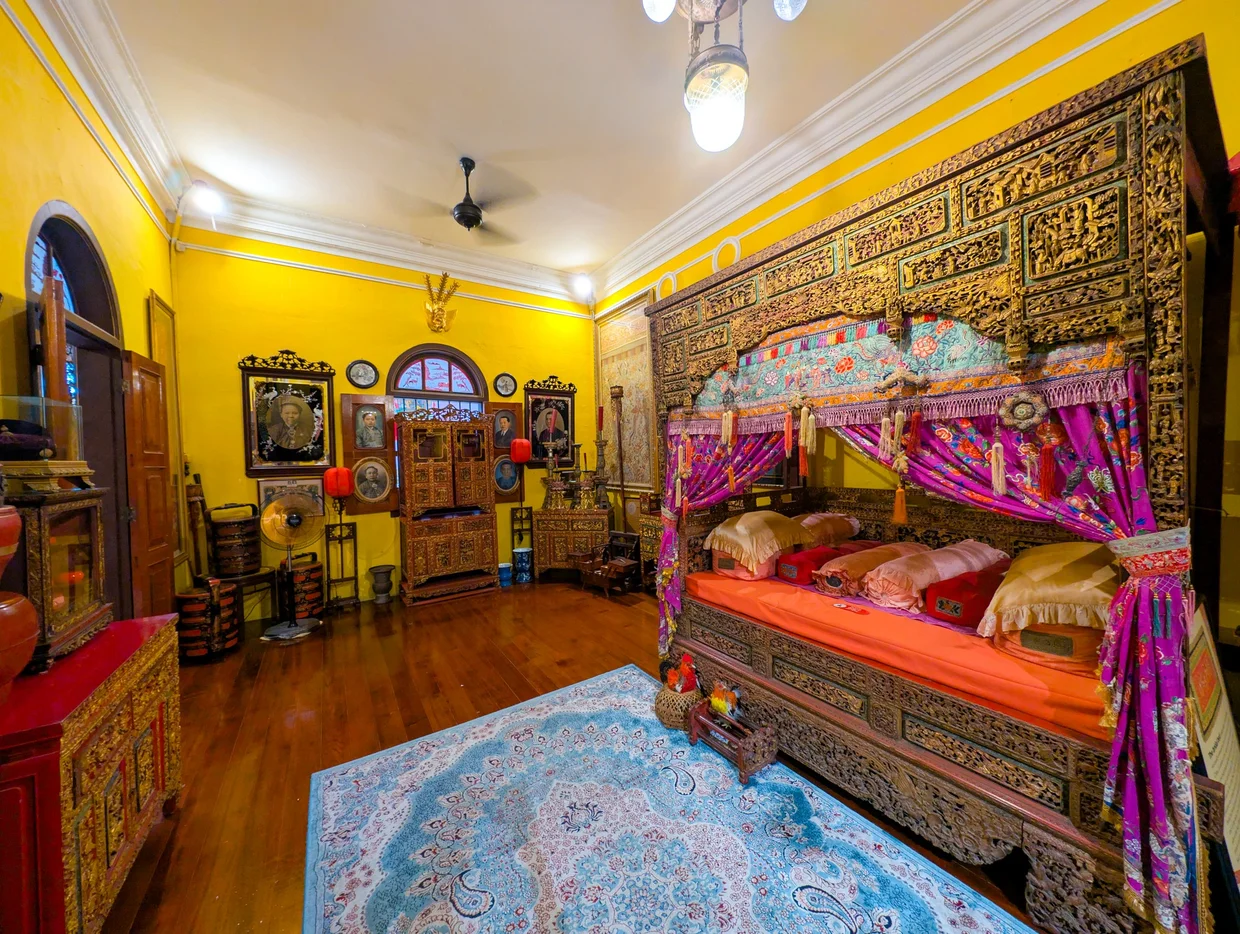
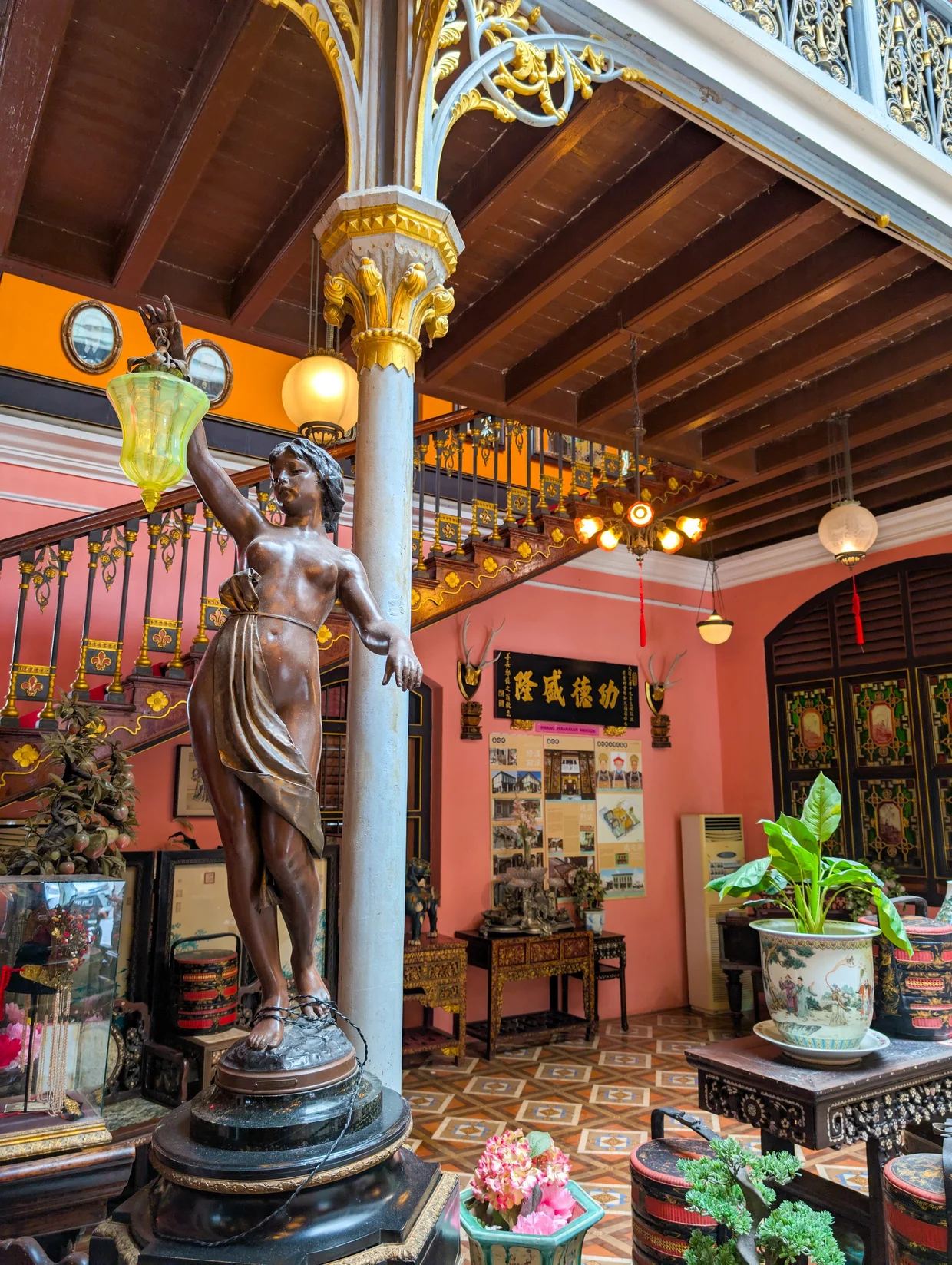
Wander after. The street art is everywhere, the kopi is strong, and you'll hit a temple every fifty meters whether you wanted to or not.
Tropical Spice Garden (Teluk Bahang)
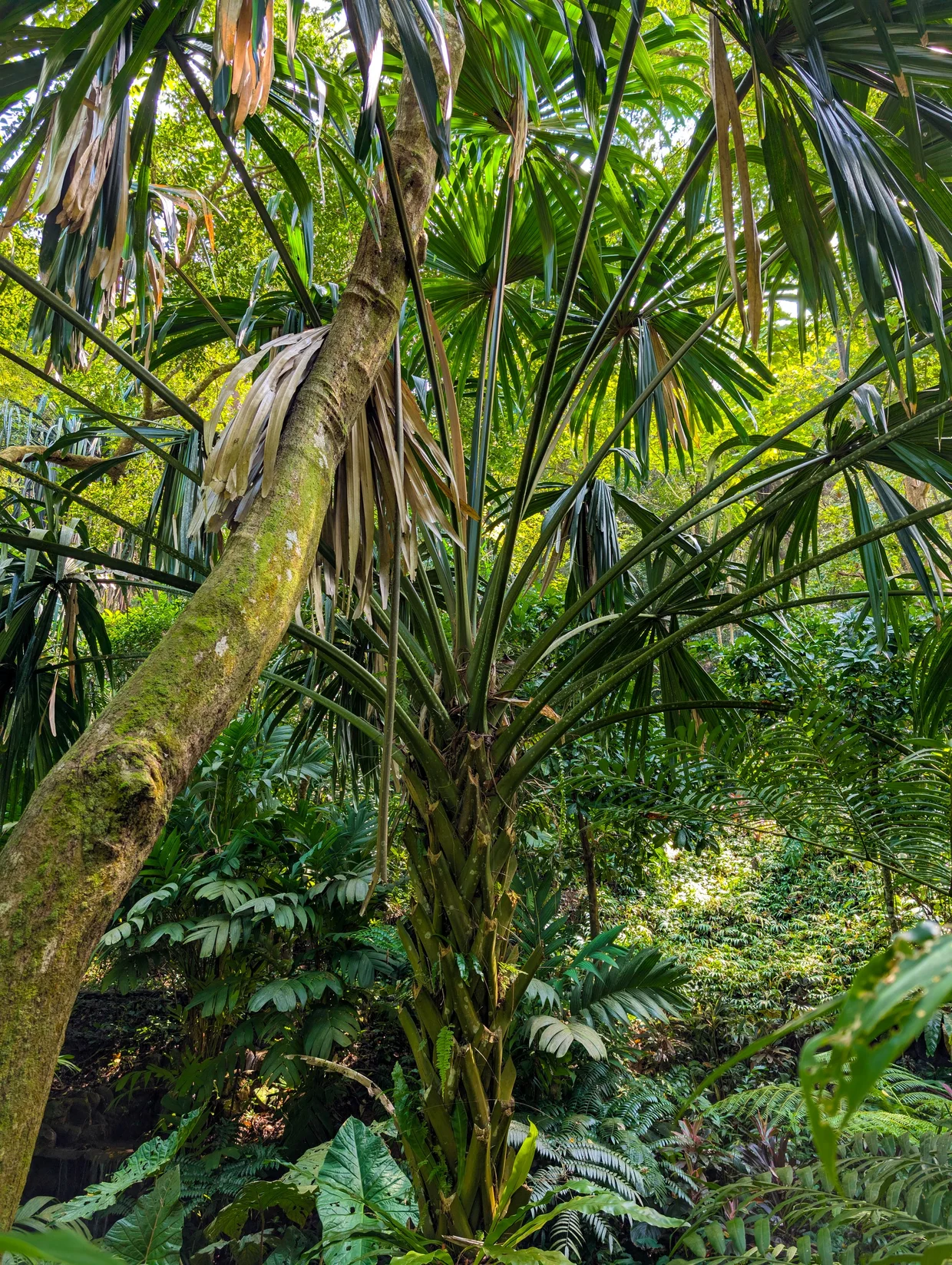
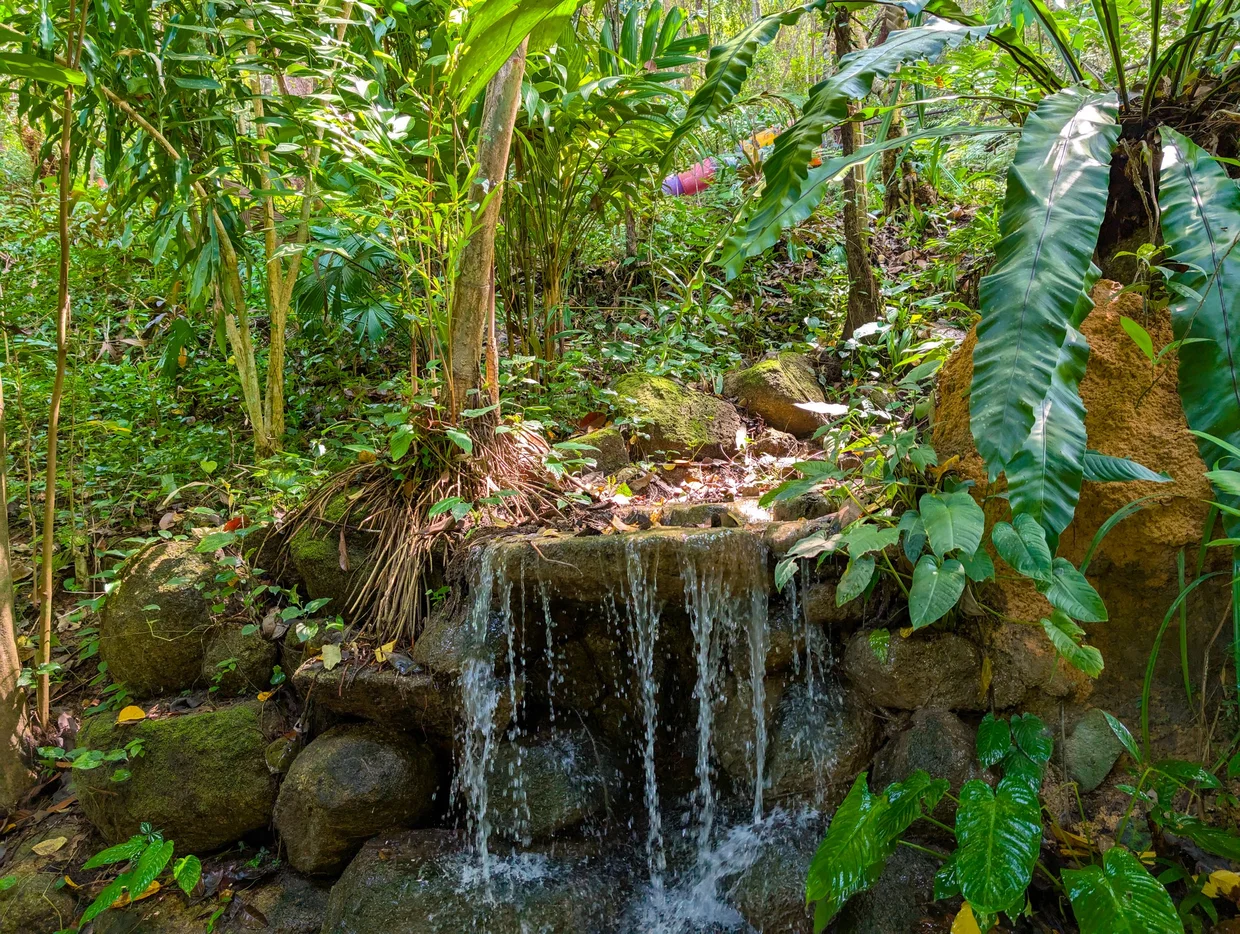
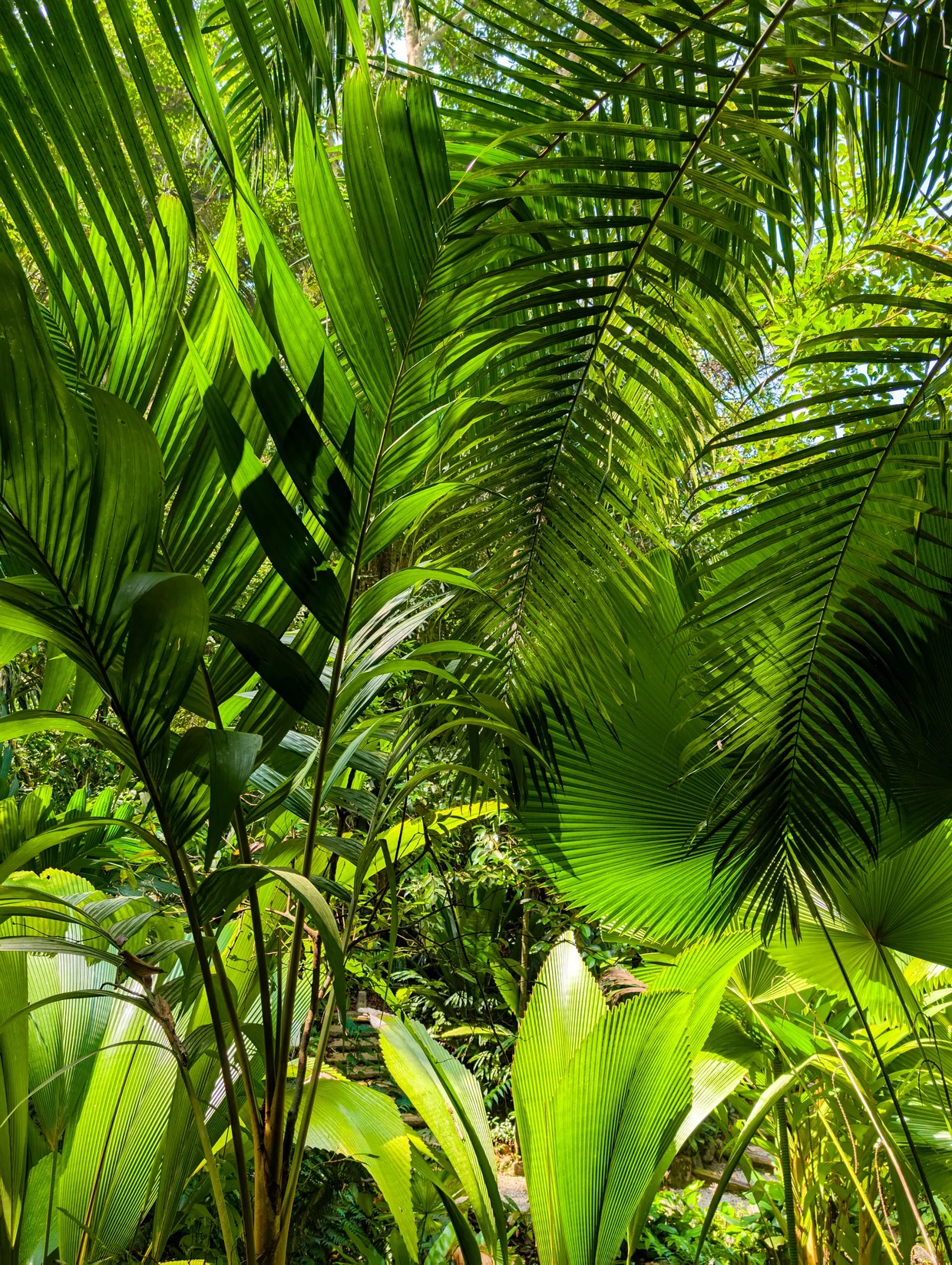
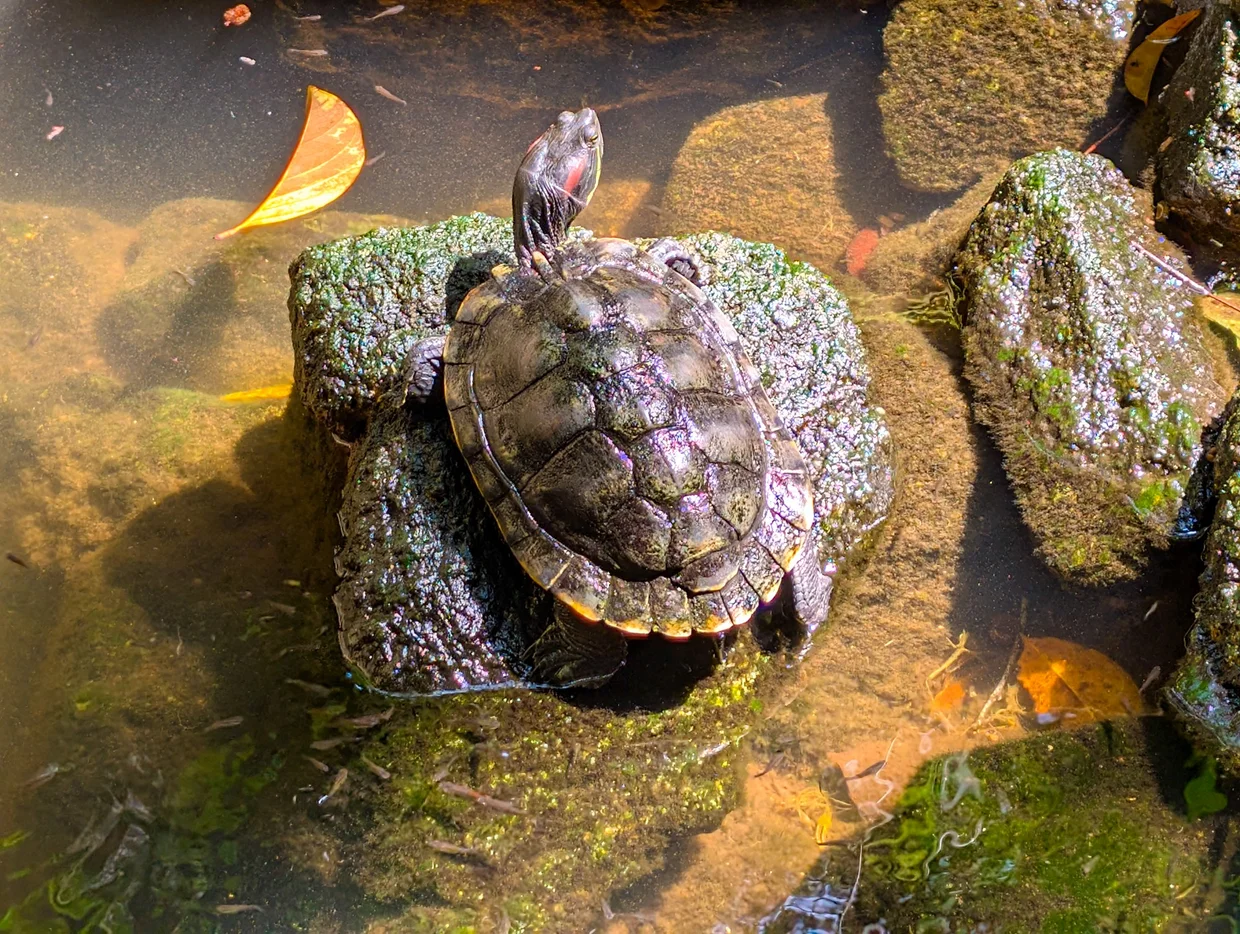
This is the Penang stop nobody talks about enough. The Tropical Spice Garden sits on the north coast, climbing up a hillside in stepped tropical garden levels. Ferns, palms, mushrooms, frogs, turtles, more ferns. It's quiet, shady, and only mildly trafficked.
Bring mosquito repellent. Like, actually bring it, and put it on before you walk in. Otherwise the mosquitoes will suck you dry by the time you reach the second pond. They do sell repellent at the ticket booth, but trying to slather it on when you're already hot and sweating is a losing battle. Apply it dry, beforehand, and thank yourself later.
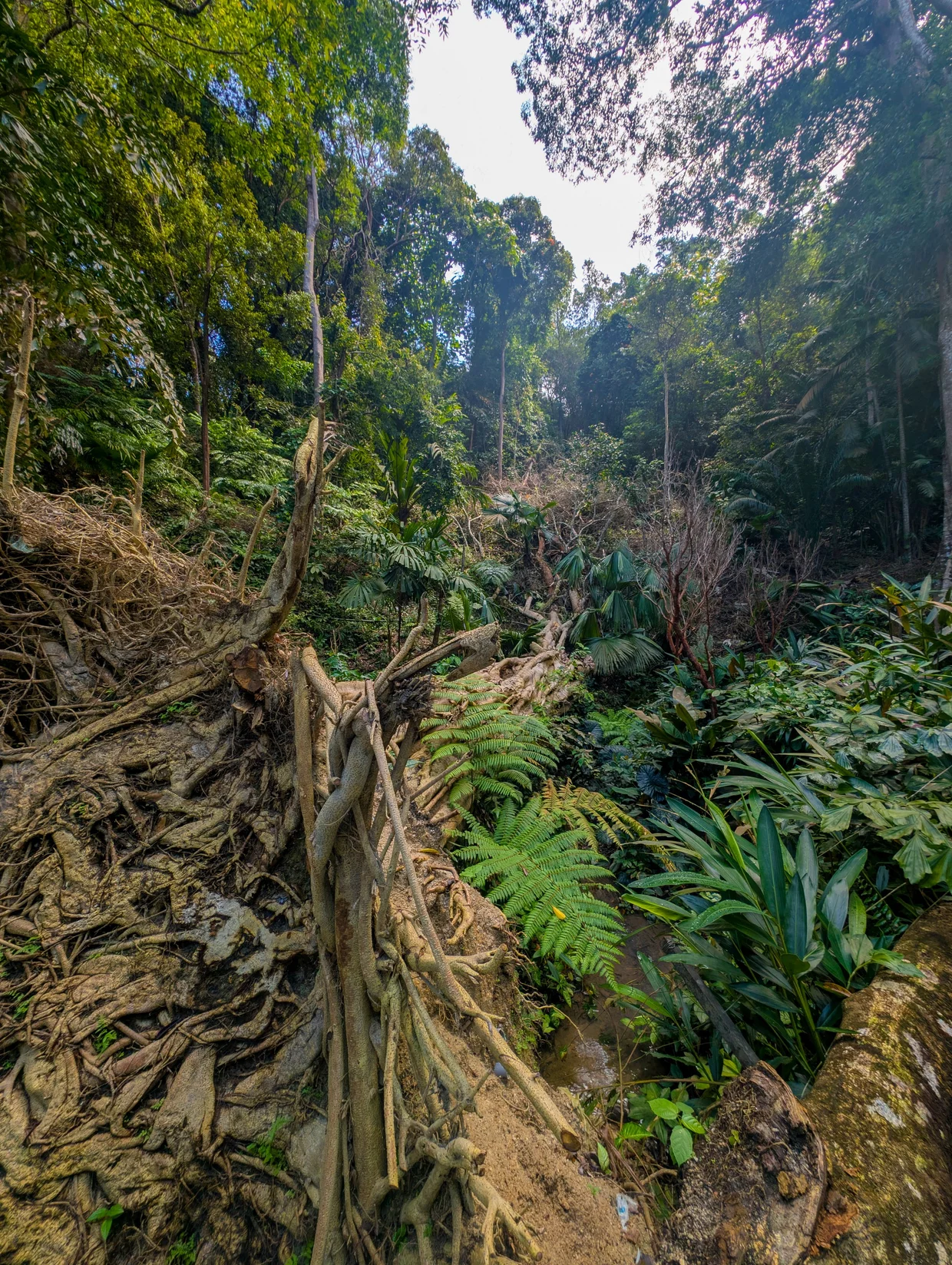
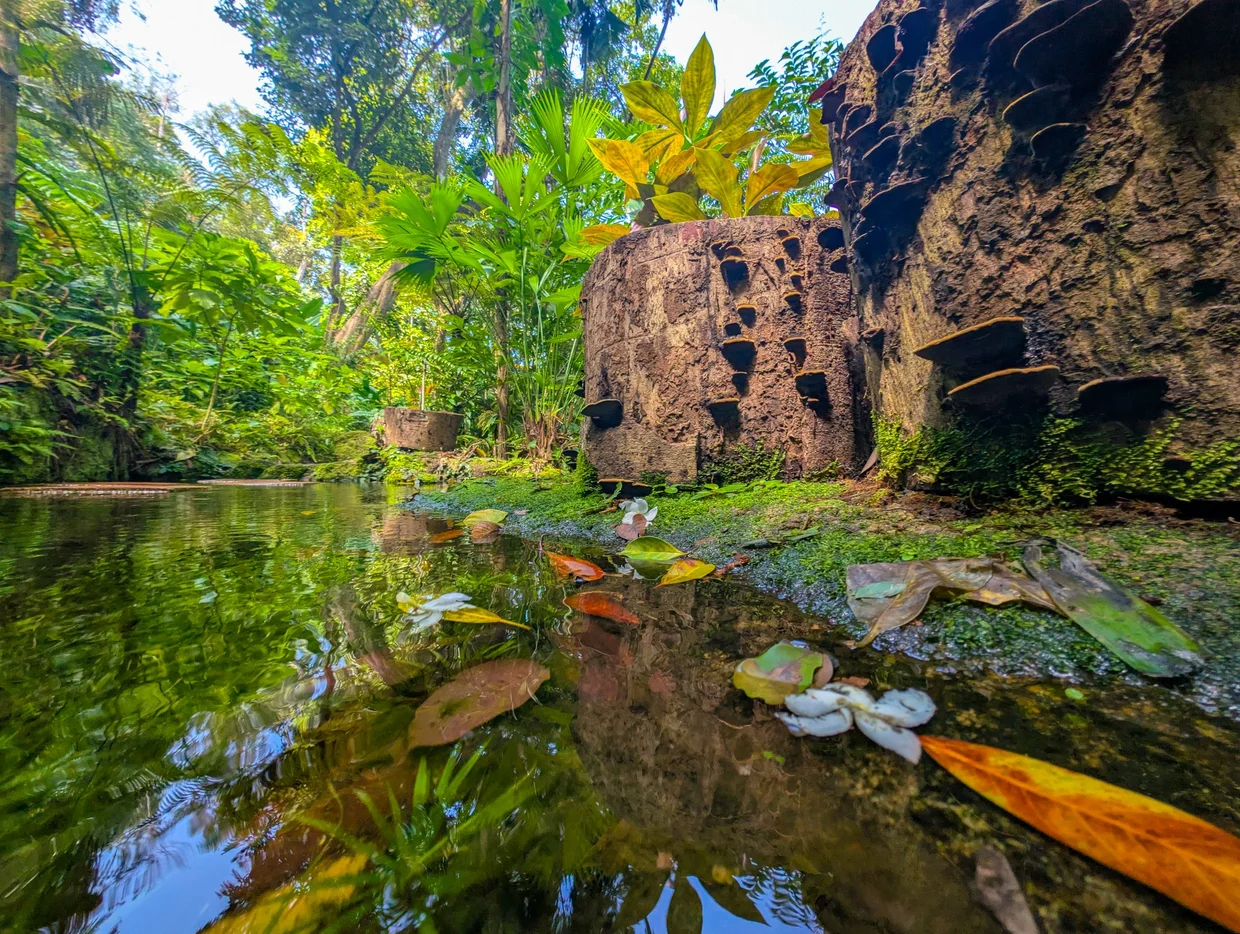
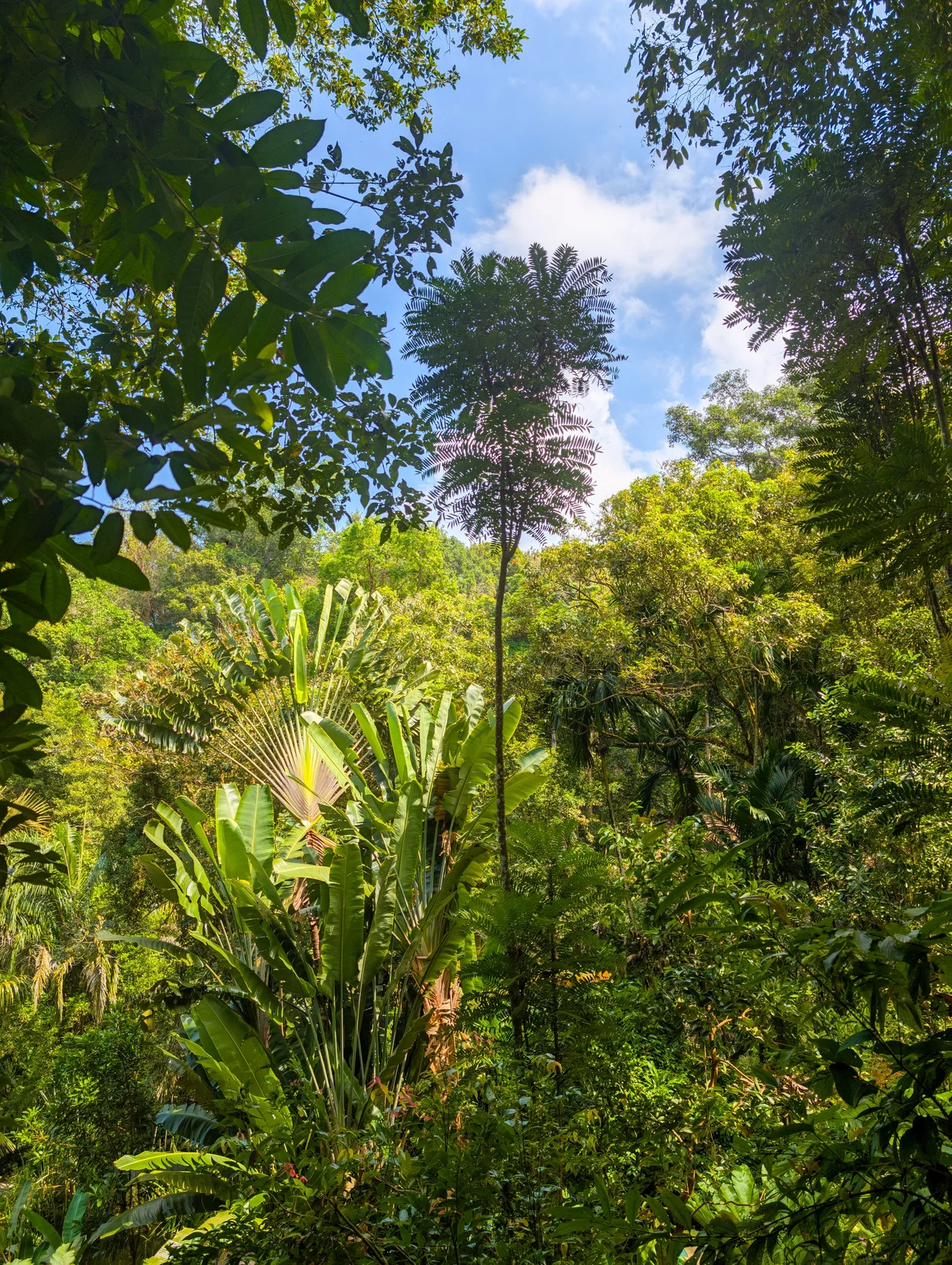
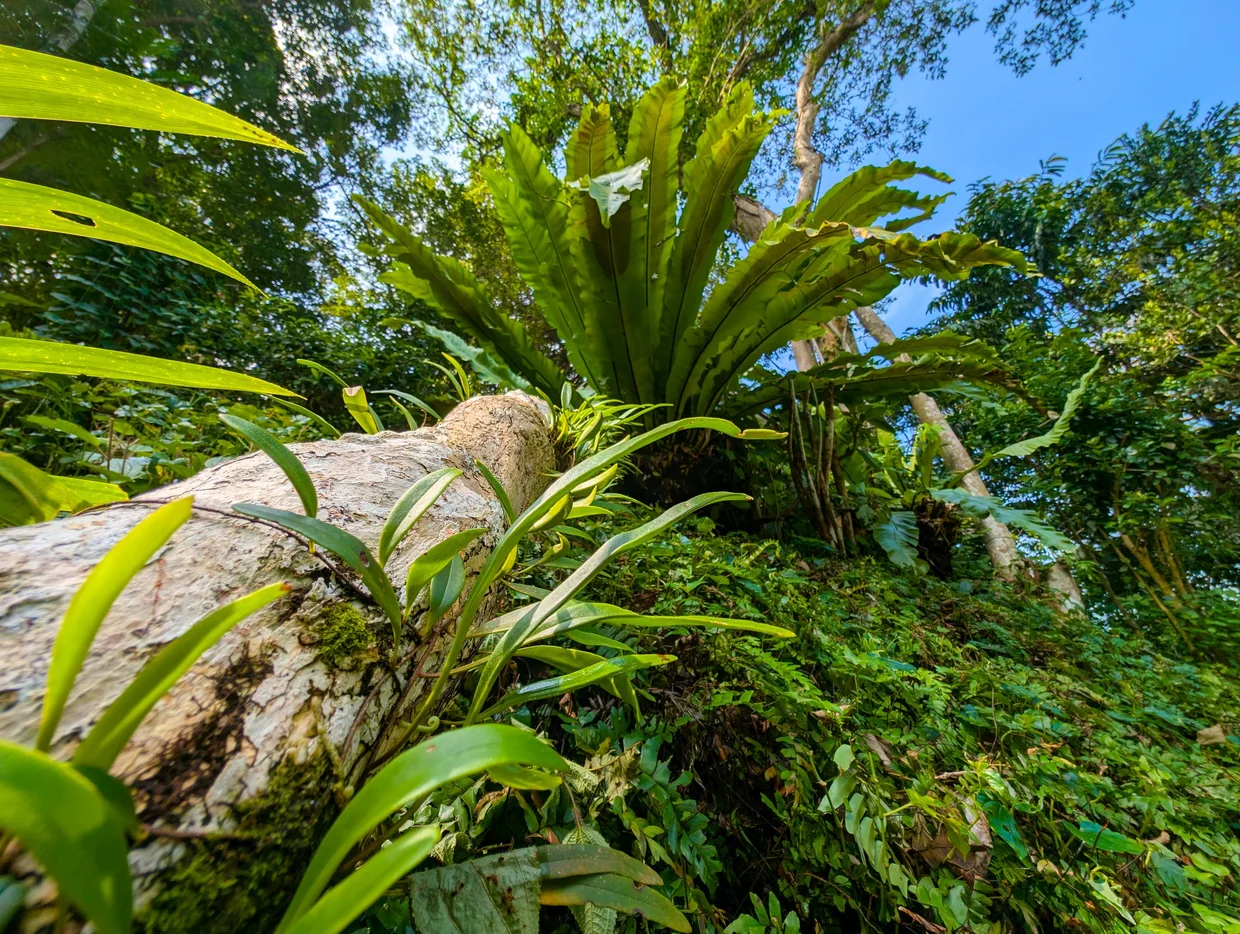
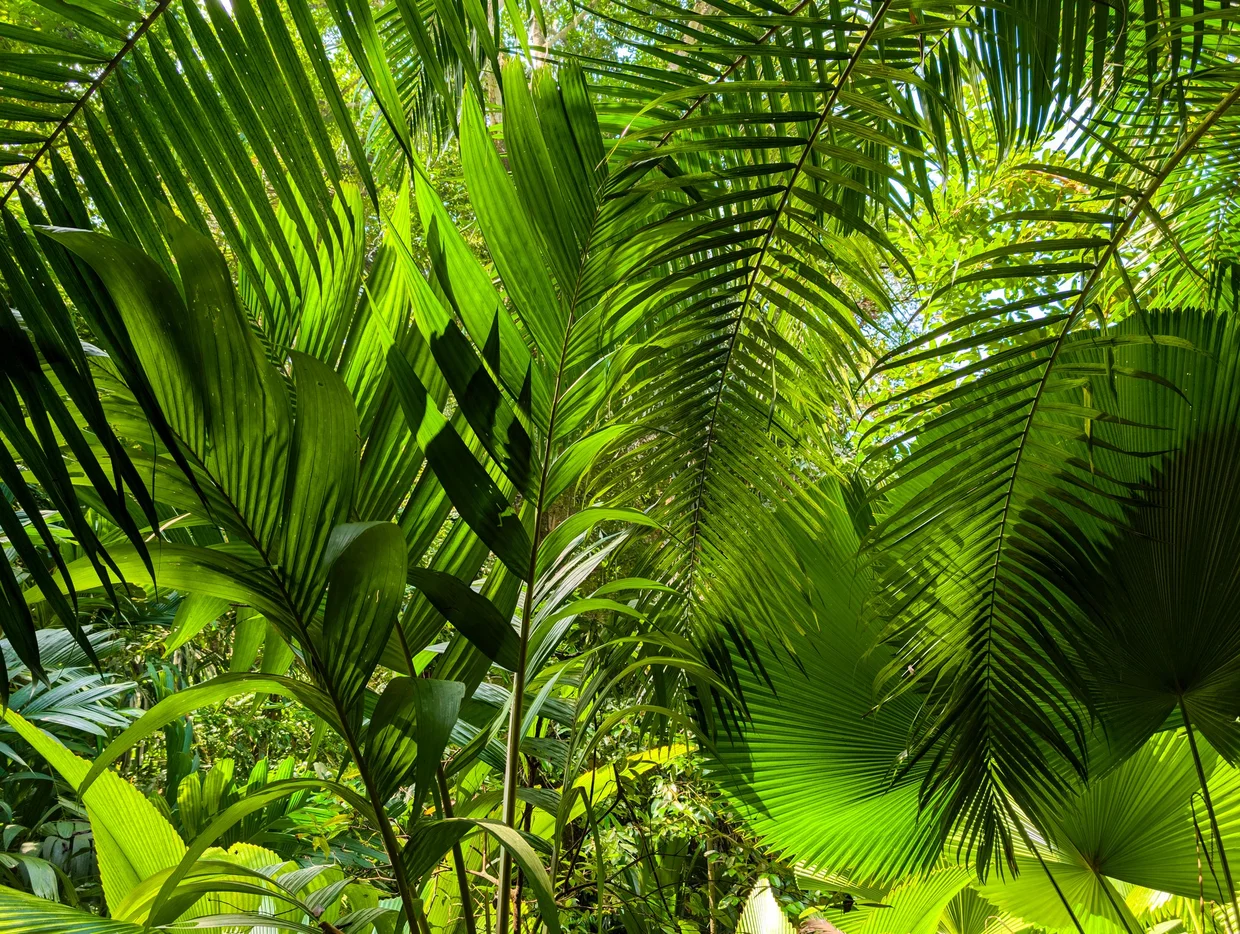
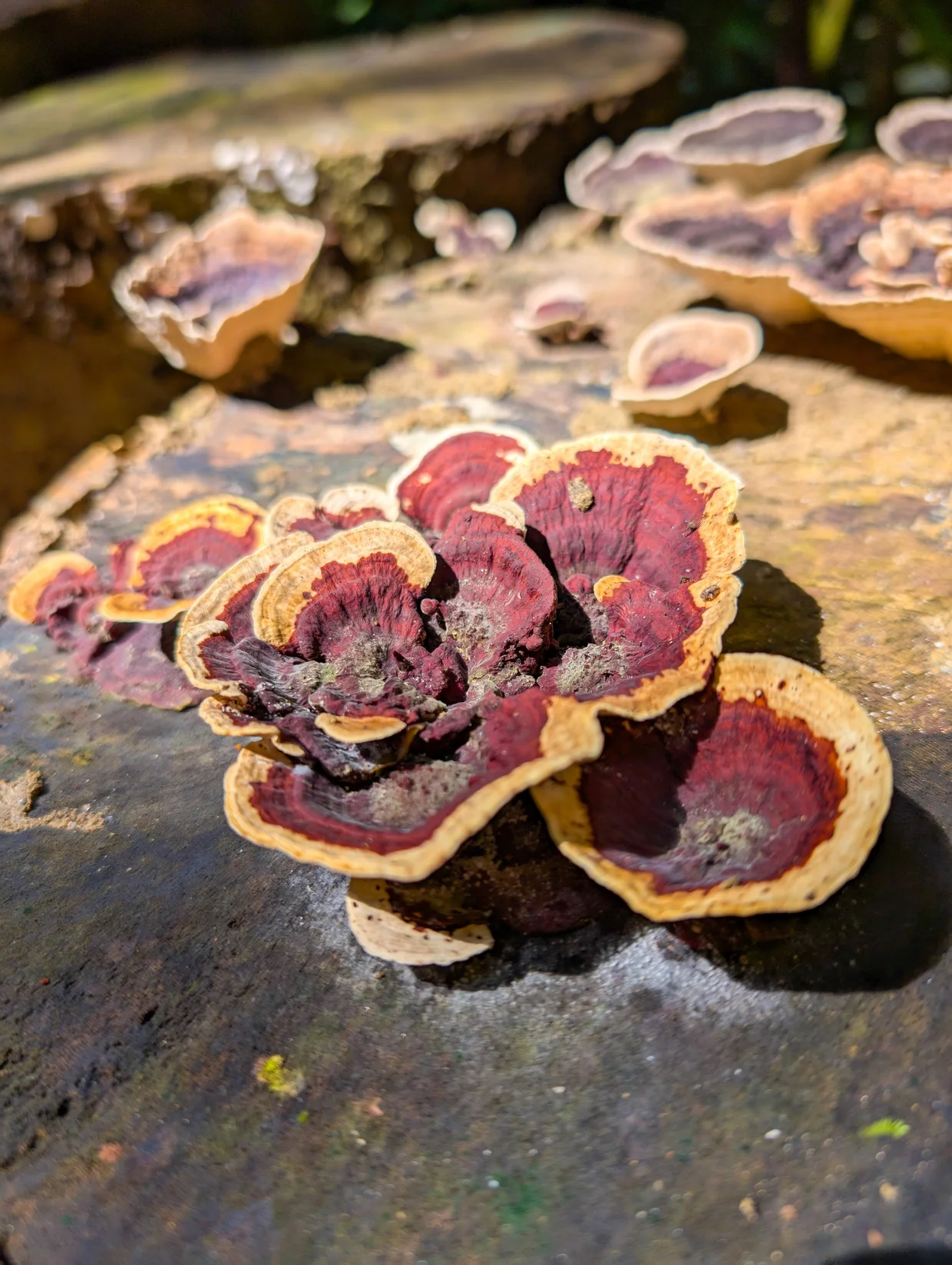
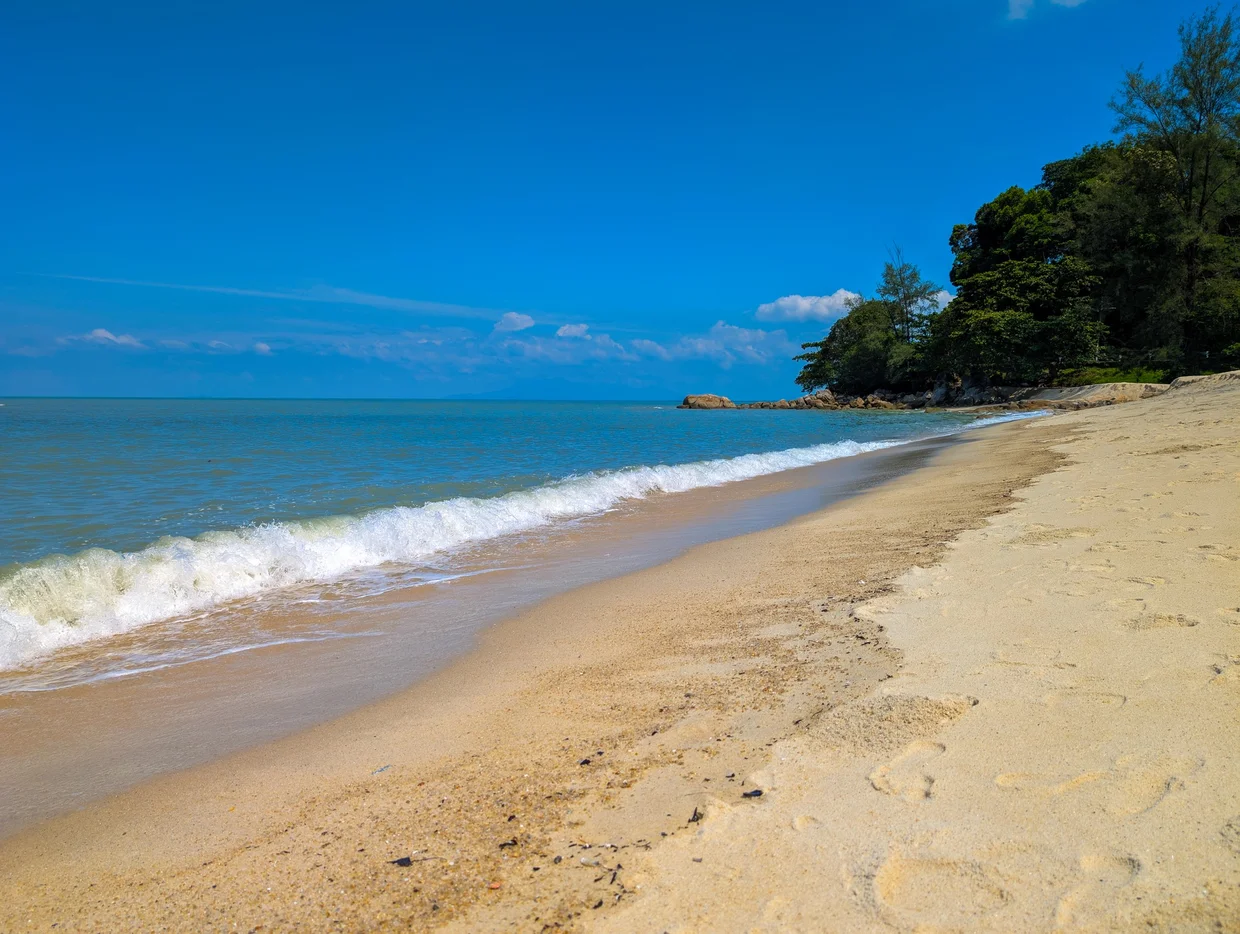
Right next door is Teluk Bahang Beach. It's not Langkawi. It's not Perhentian. But it's a real beach with no crowds, and a good place to dunk yourself between garden and George Town.
Ipoh
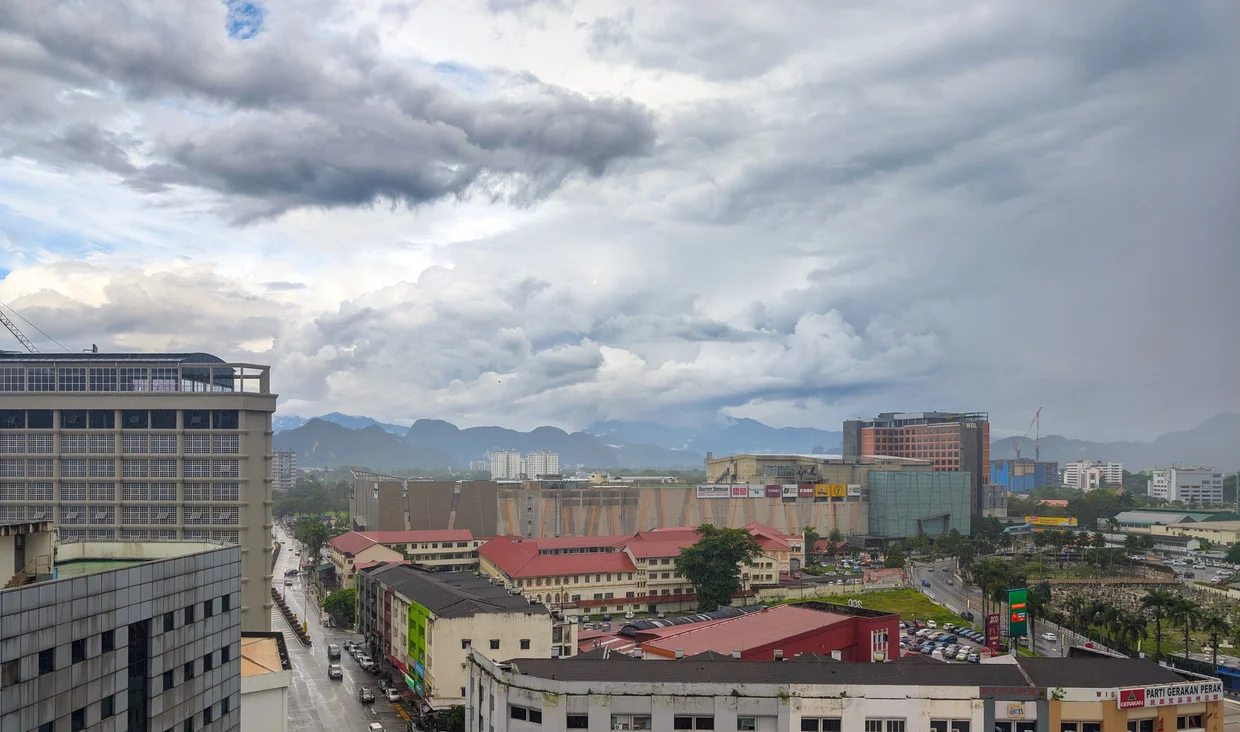
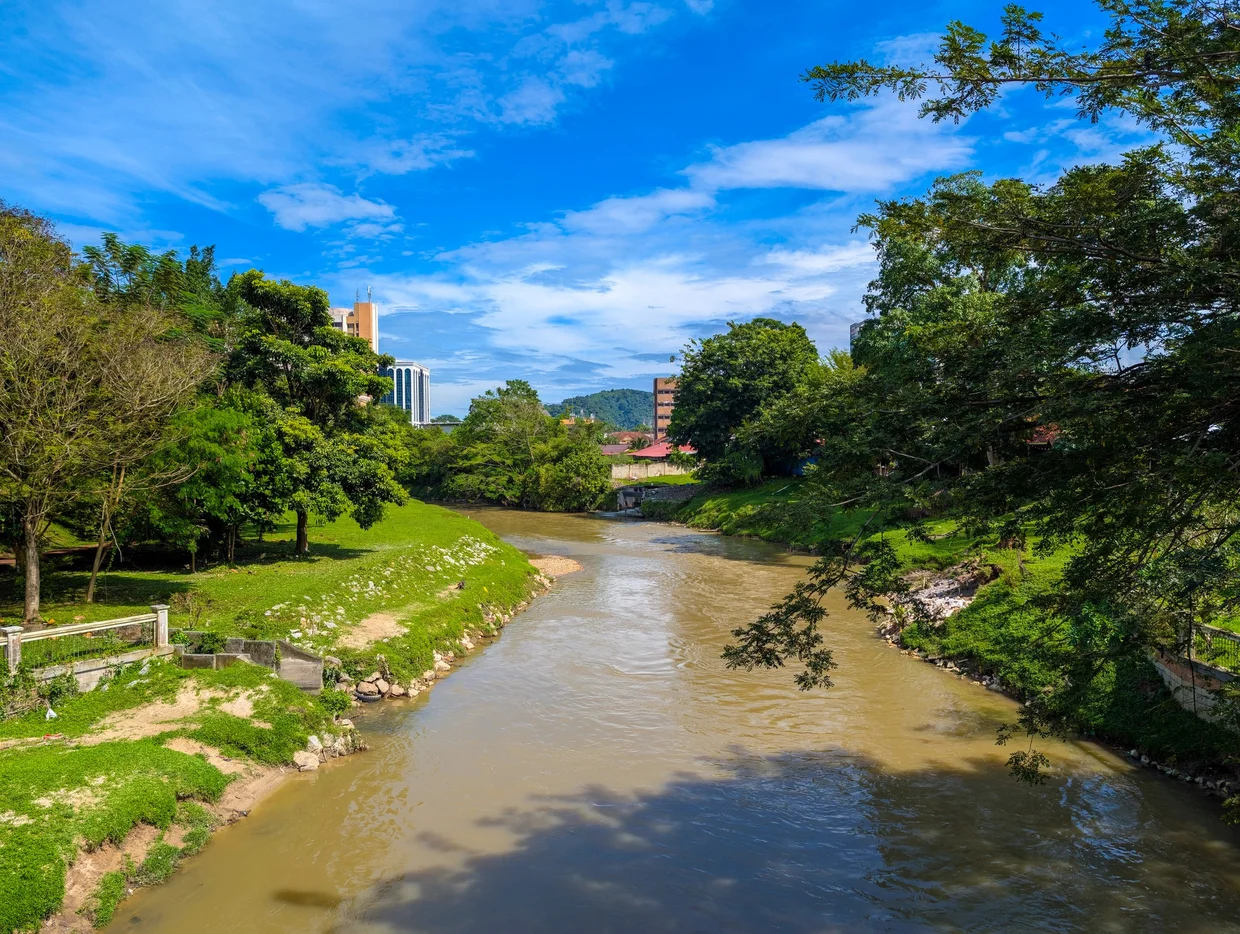
Ipoh is the underdog stop on the Kuala Lumpur to Penang corridor. A former tin-mining town with a heritage core full of pastel shophouses, narrow concubine lanes, and some of the most committed kopitiam culture in the country.
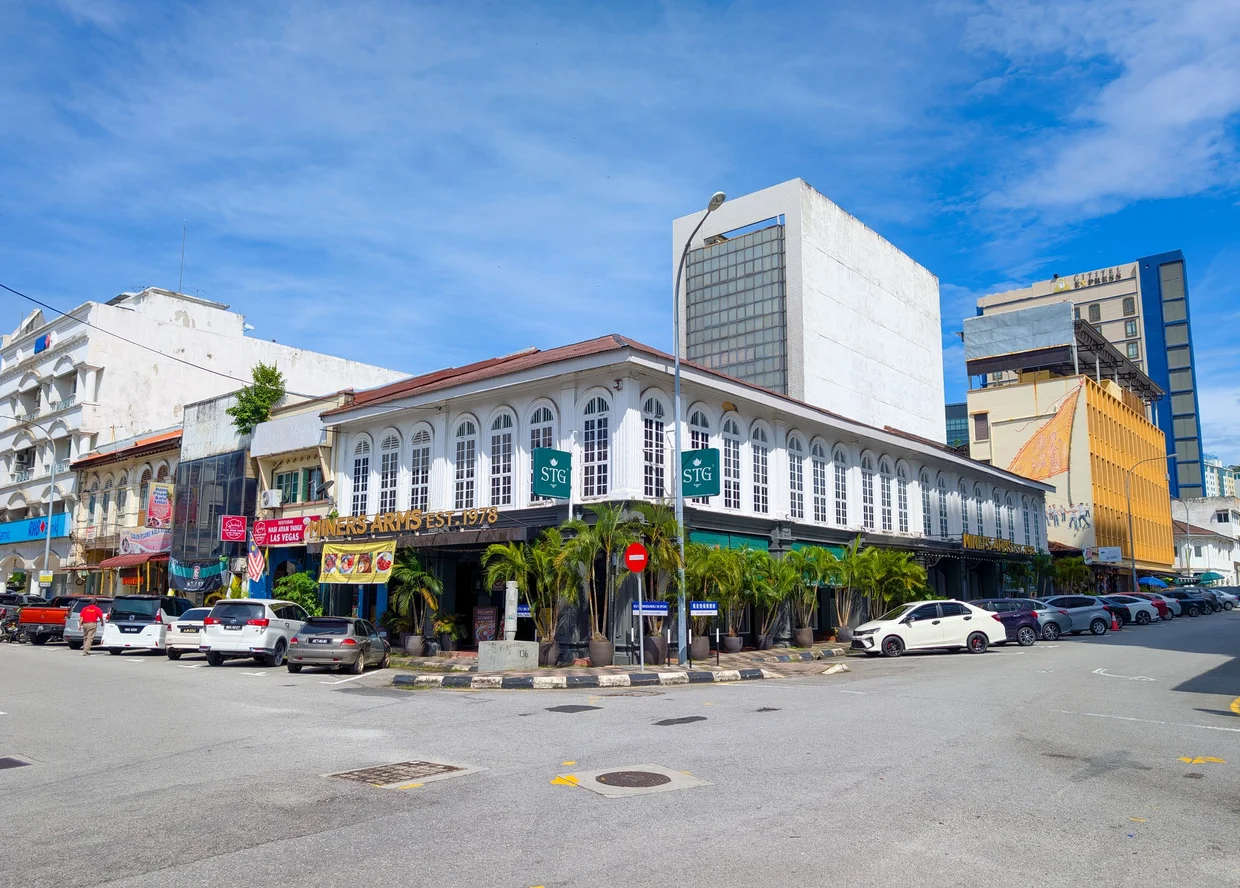
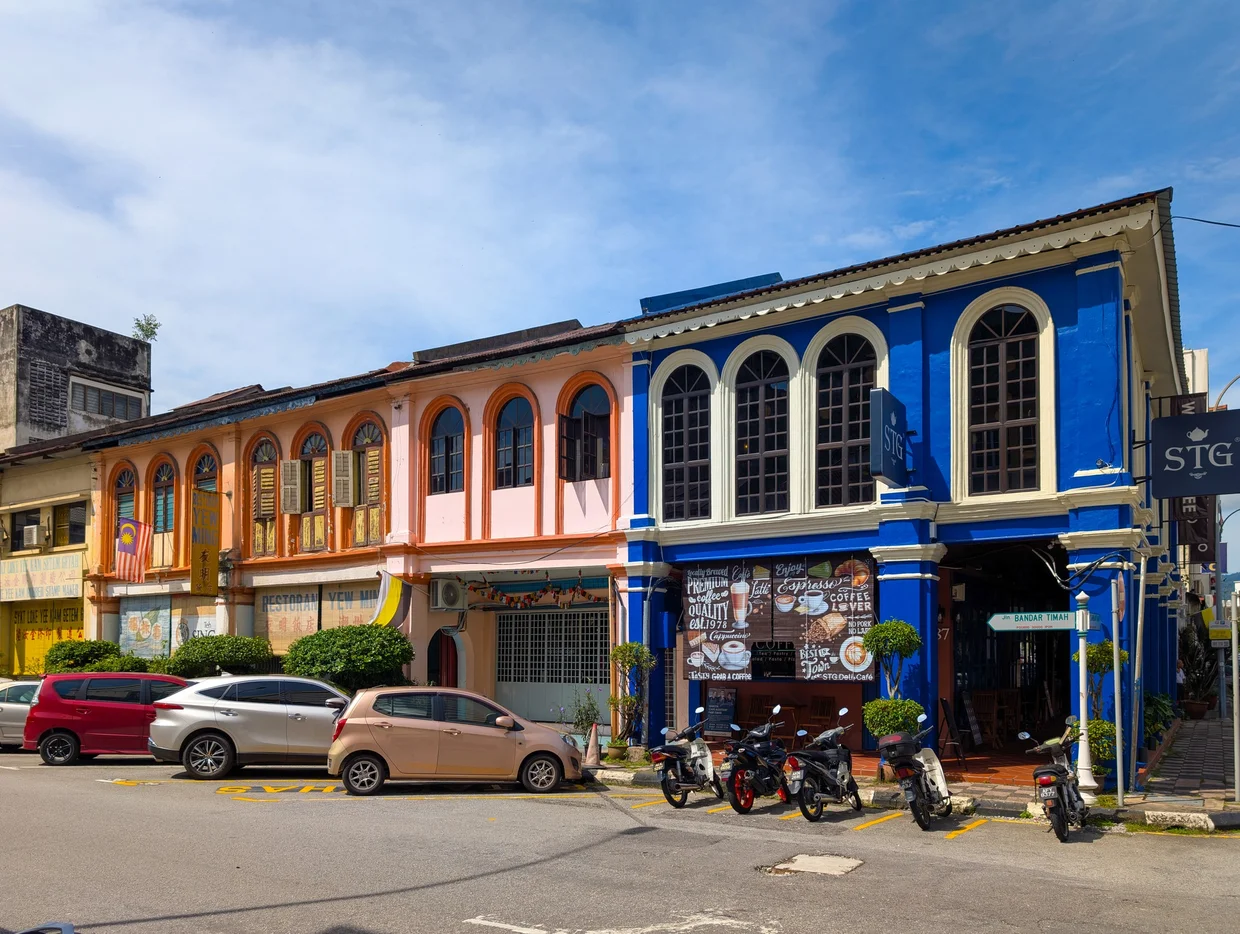
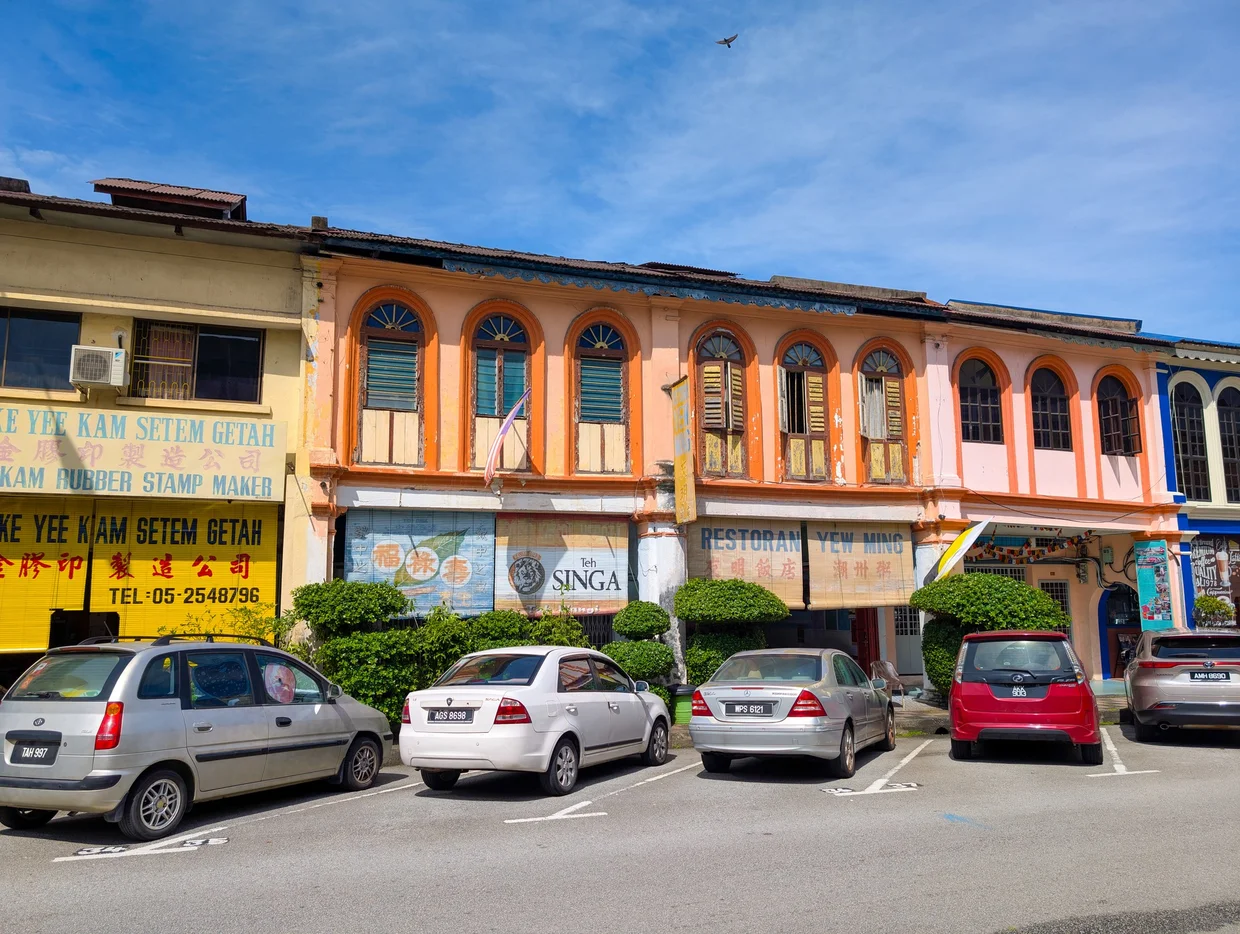
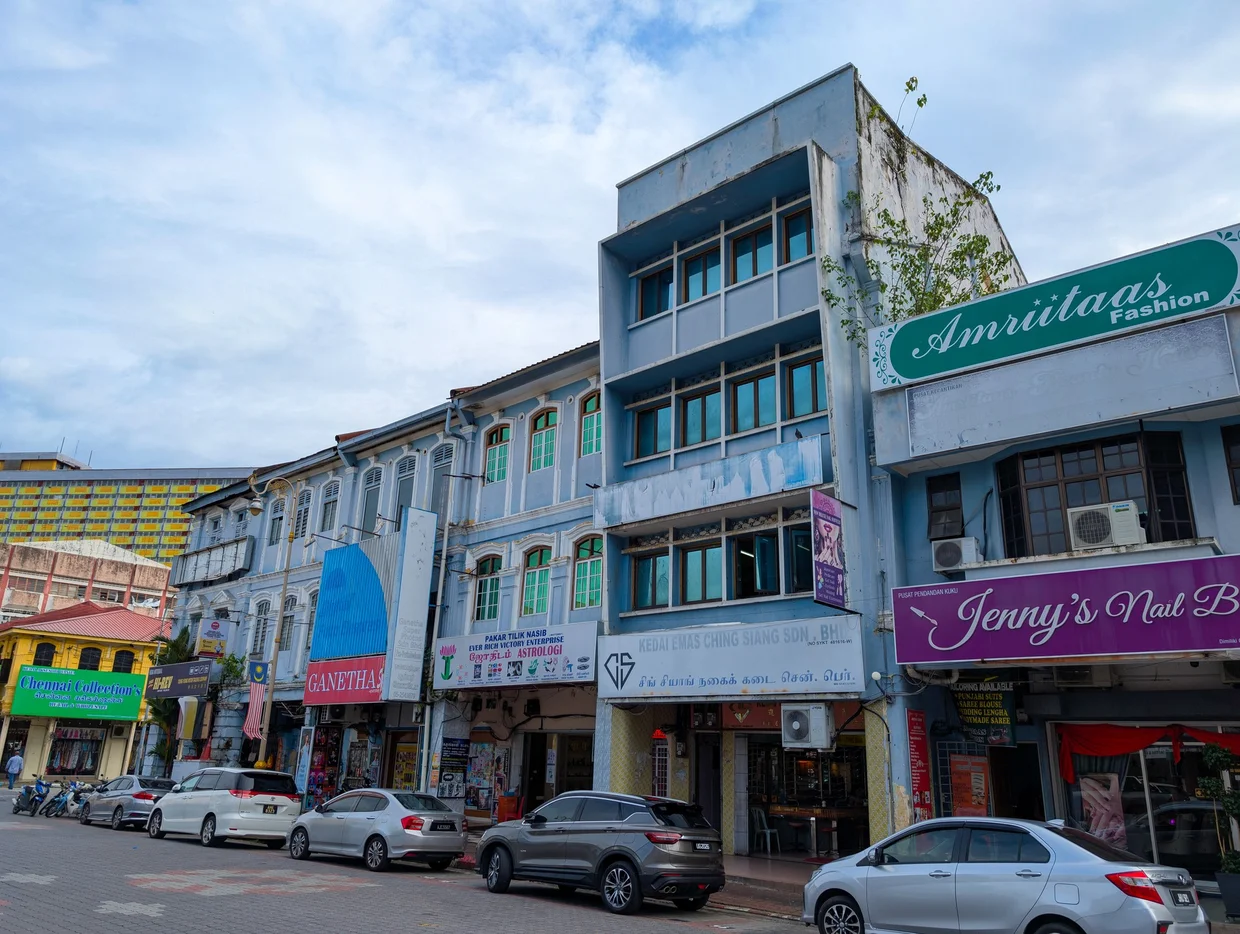
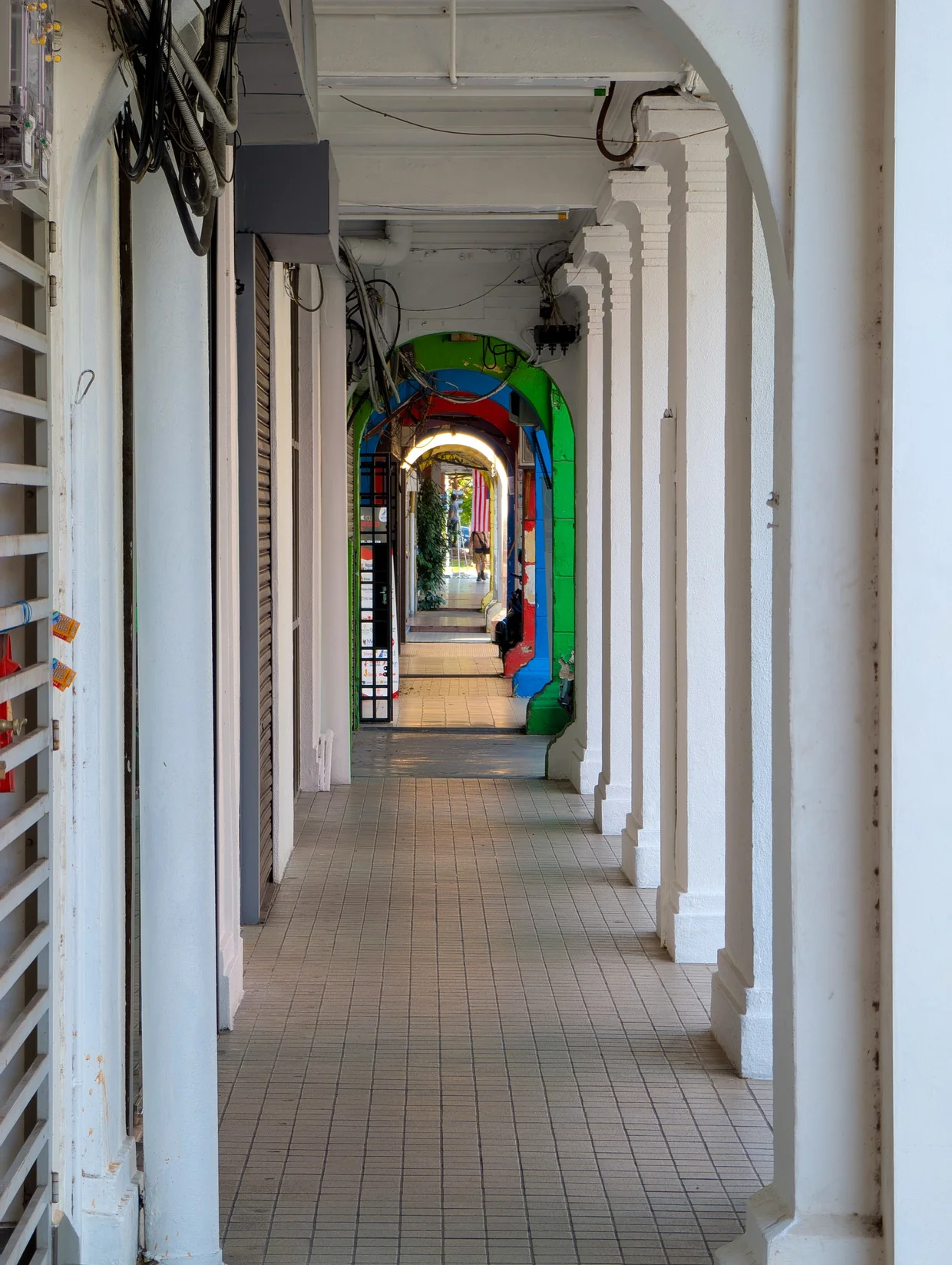
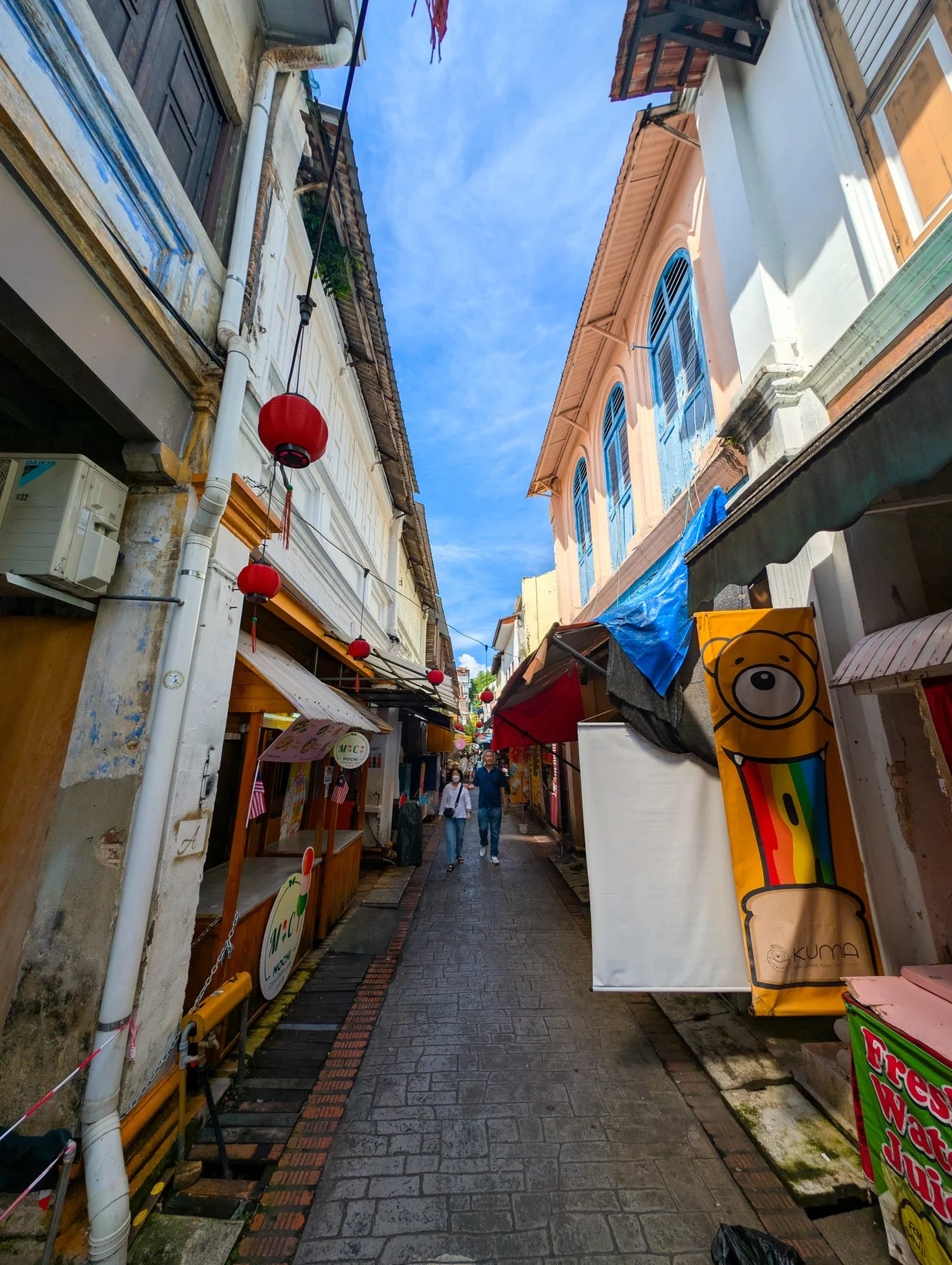
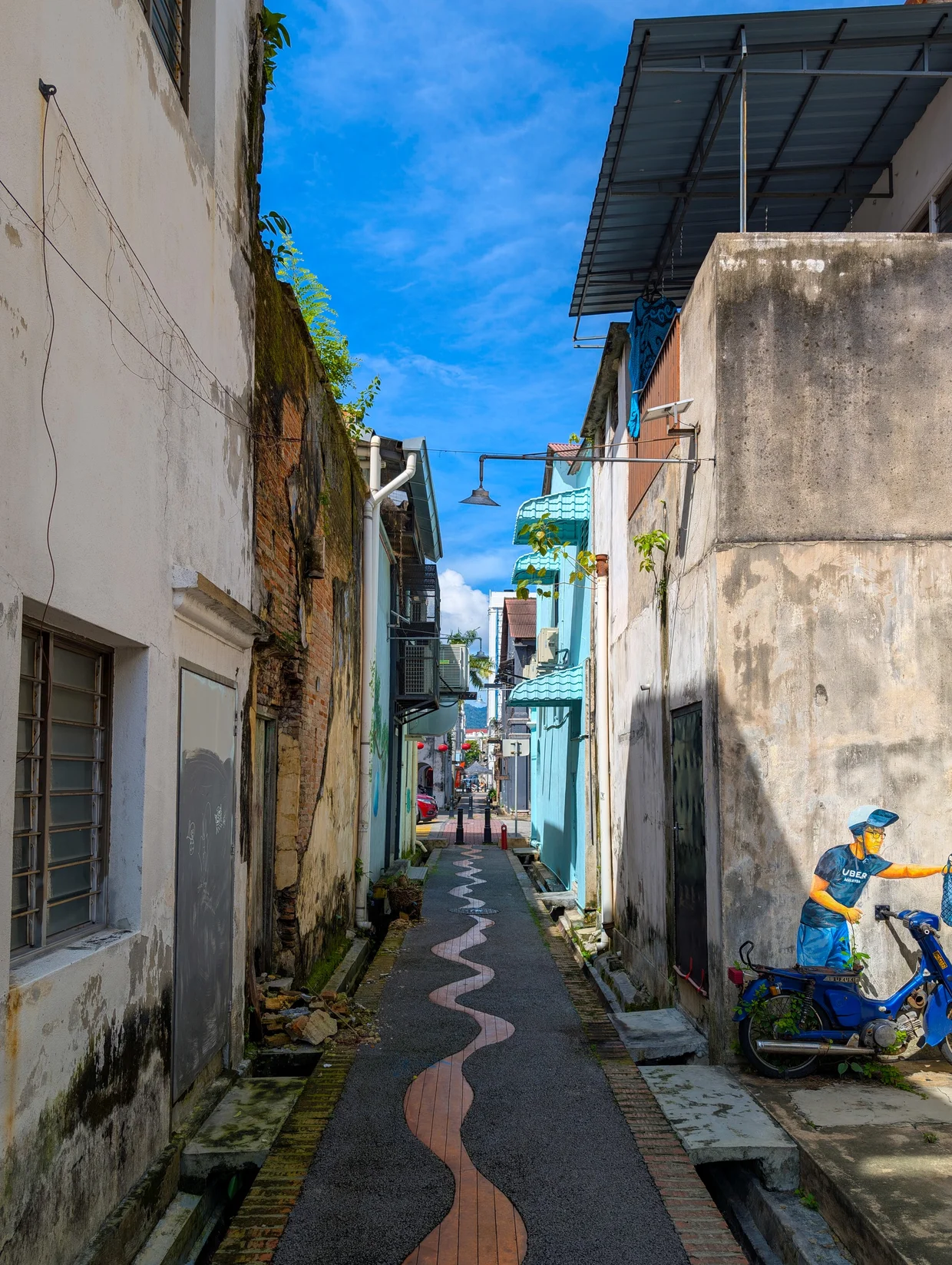
The whole heritage area is walkable in a half day. Add in coffee at one of the old kopitiams (Sin Yoon Loong is the famous one) and a bowl of Ipoh-style hor fun, and you're sorted.
The Caves Outside Town
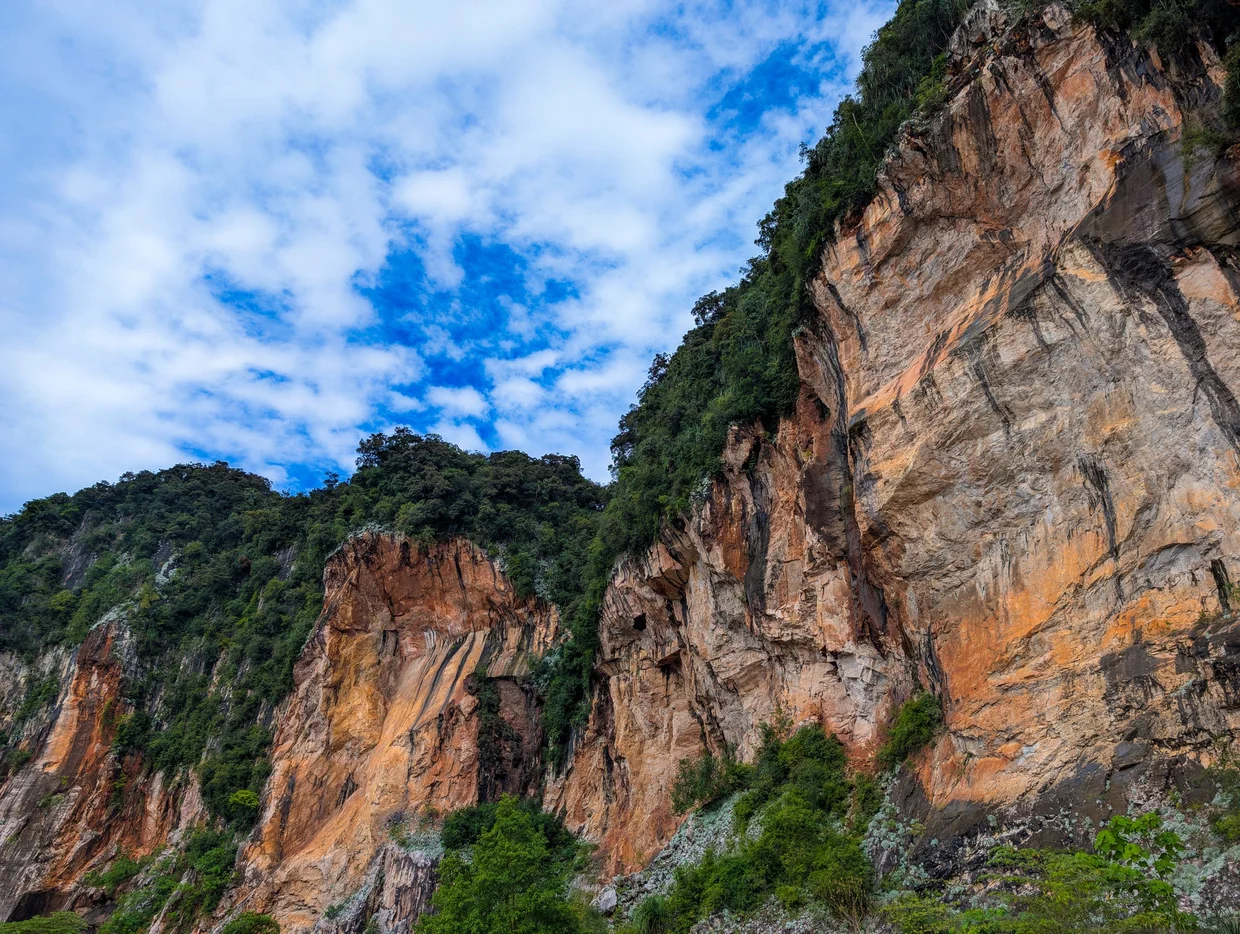
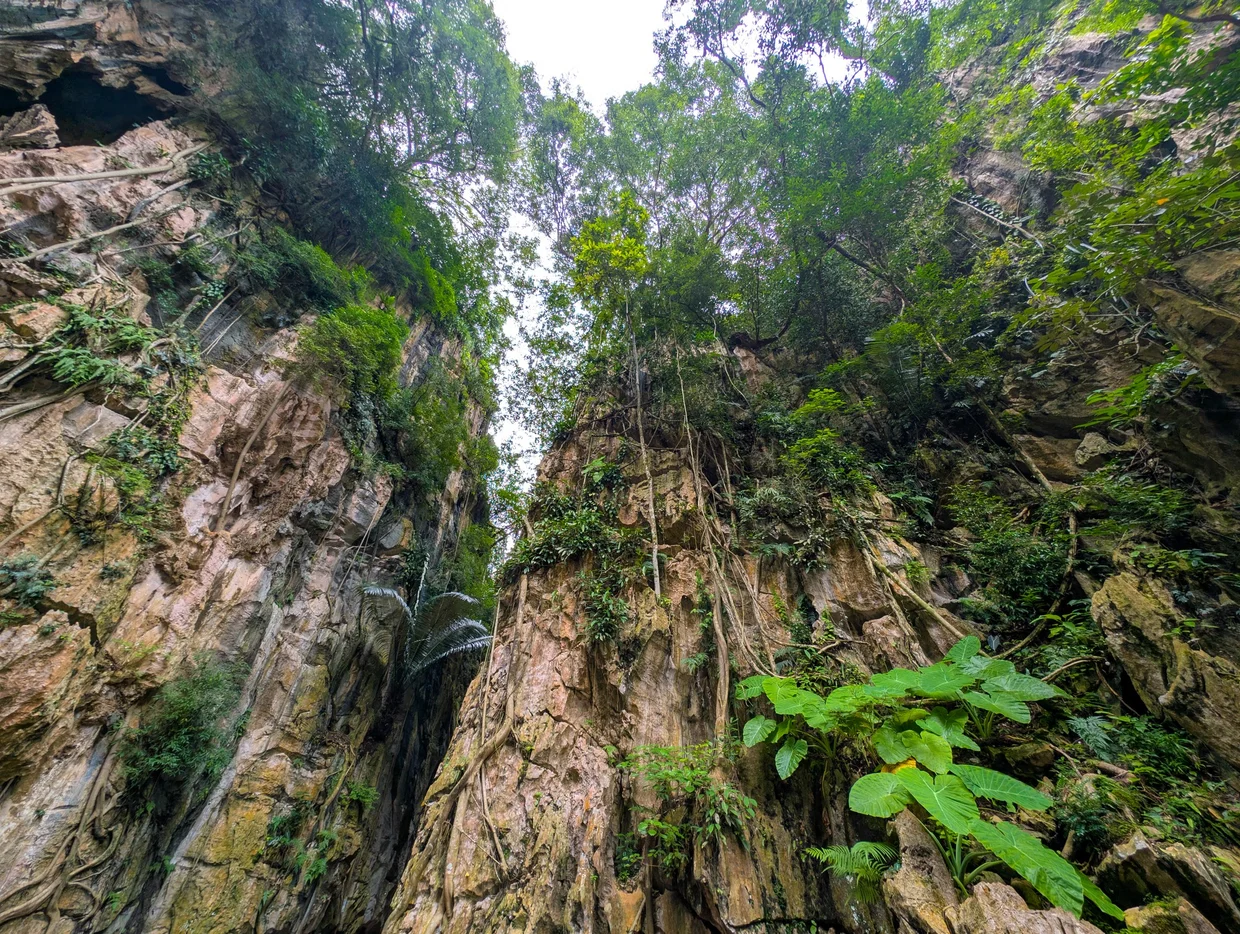
Ipoh sits in a basin surrounded by limestone karsts, and several of them have been turned into cave temples. The most photogenic part isn't the temple itself, it's the natural skylights where the cave roof opens up and trees grow out of the rock walls.
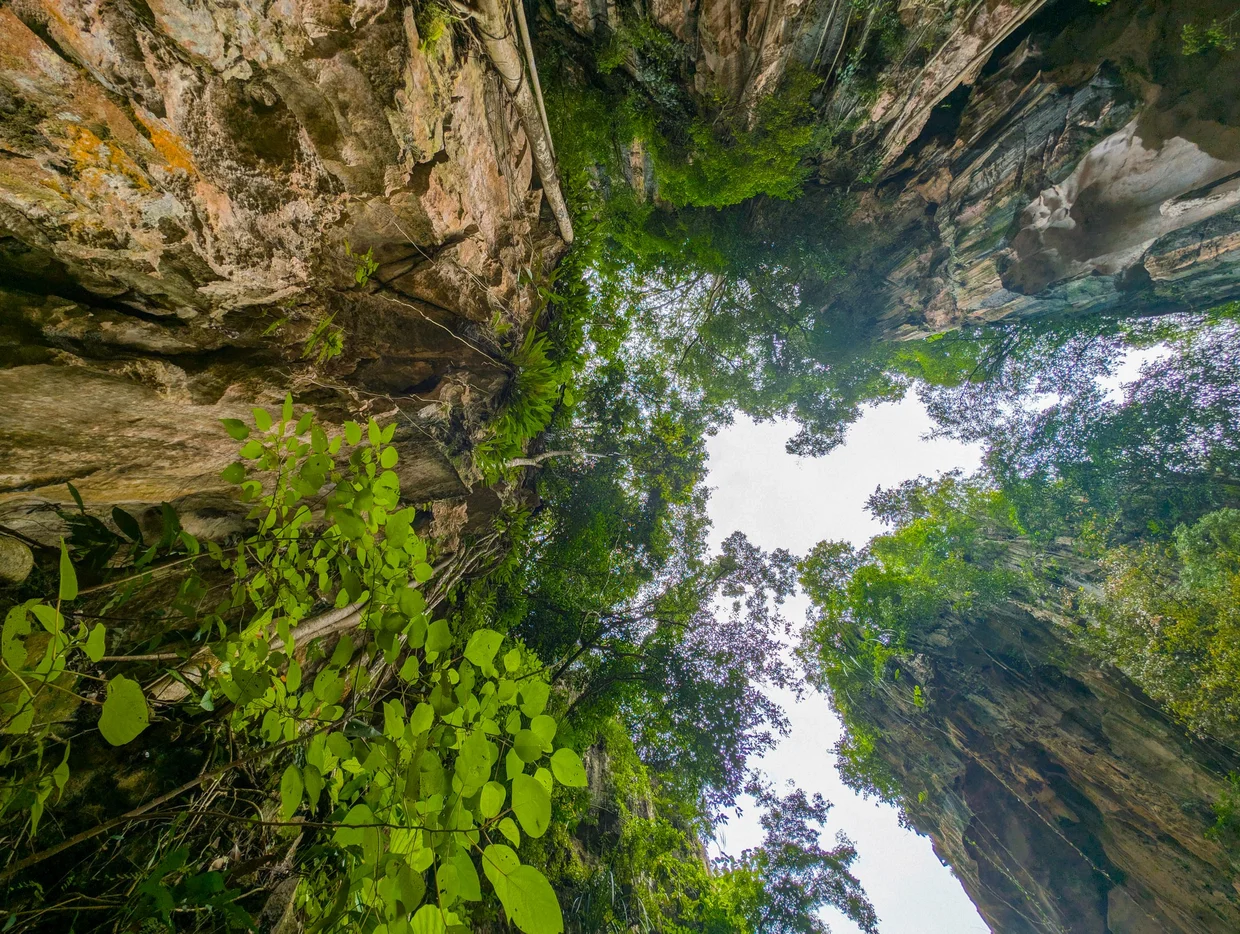
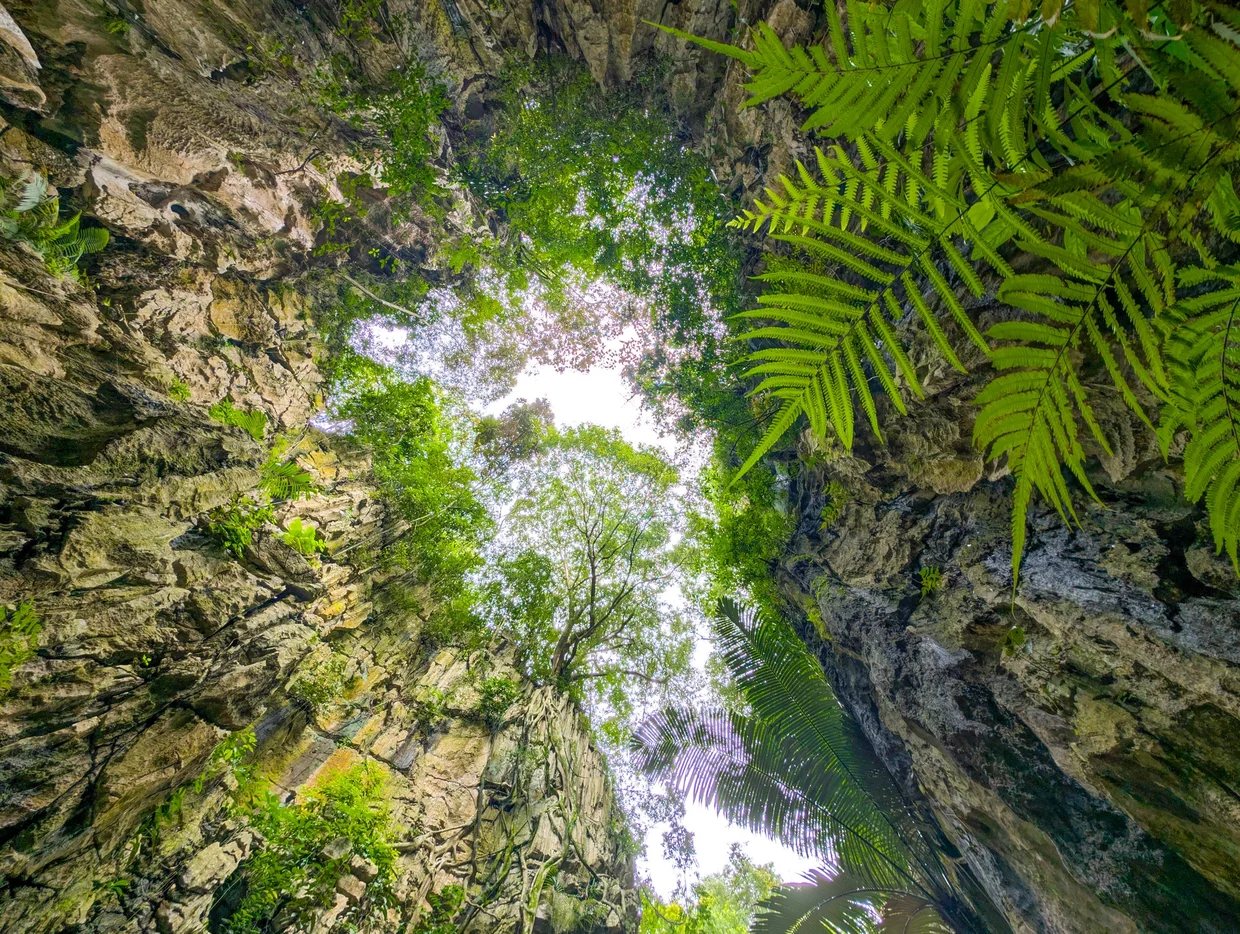
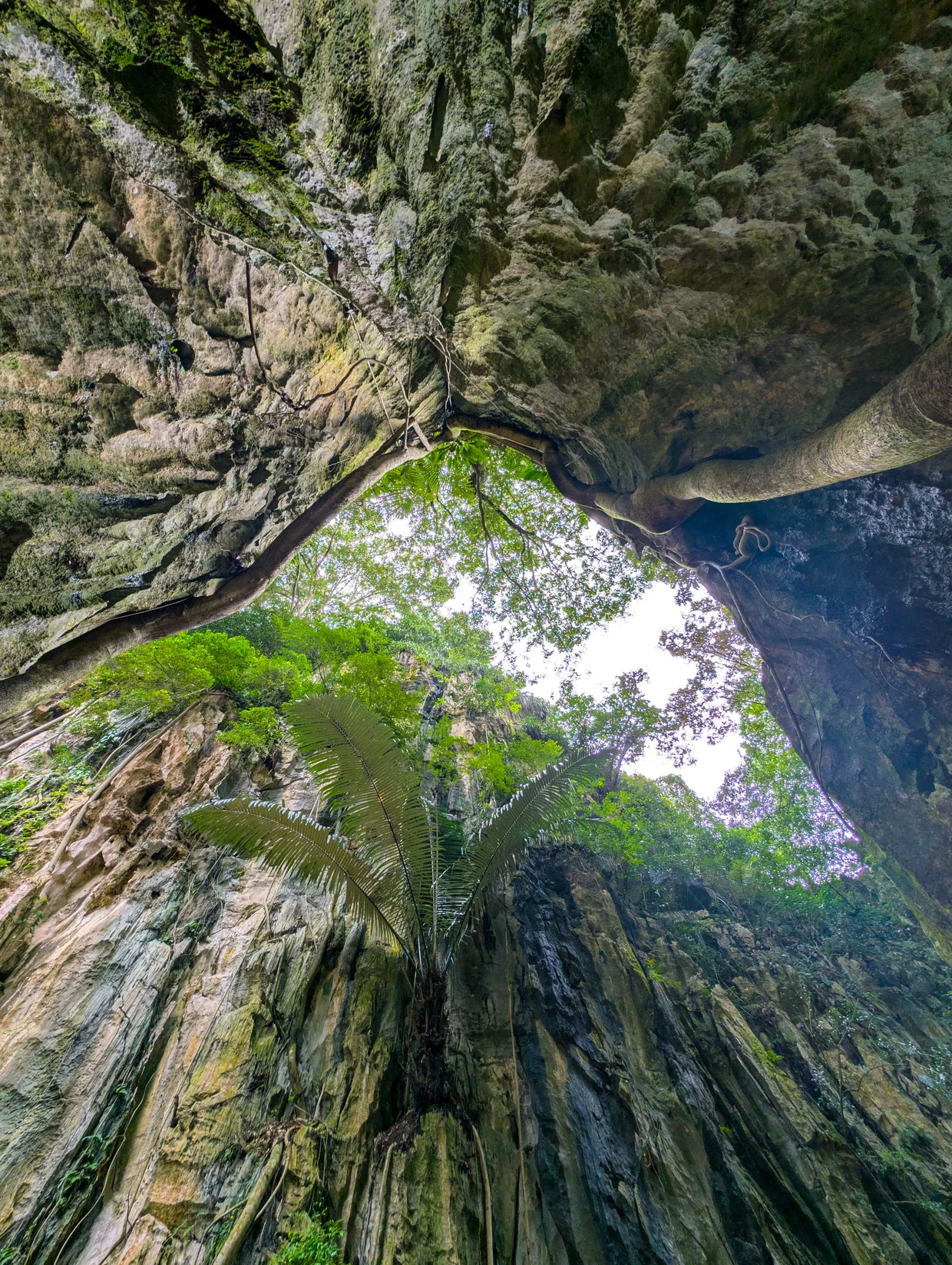
You can do Ipoh as a stop on the train between Kuala Lumpur and Penang, or as a base for the caves and Cameron Highlands. With a rental car, you can stitch all of it into one loop.
Cameron Highlands
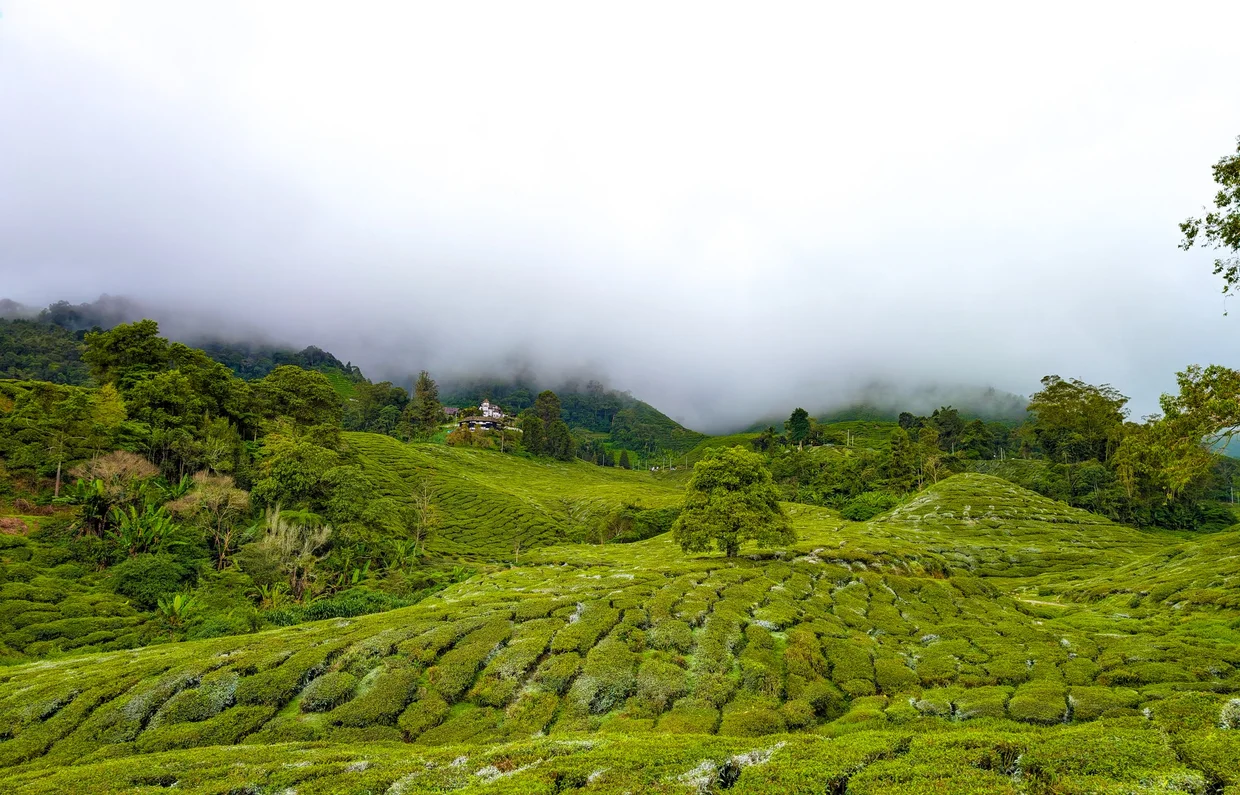
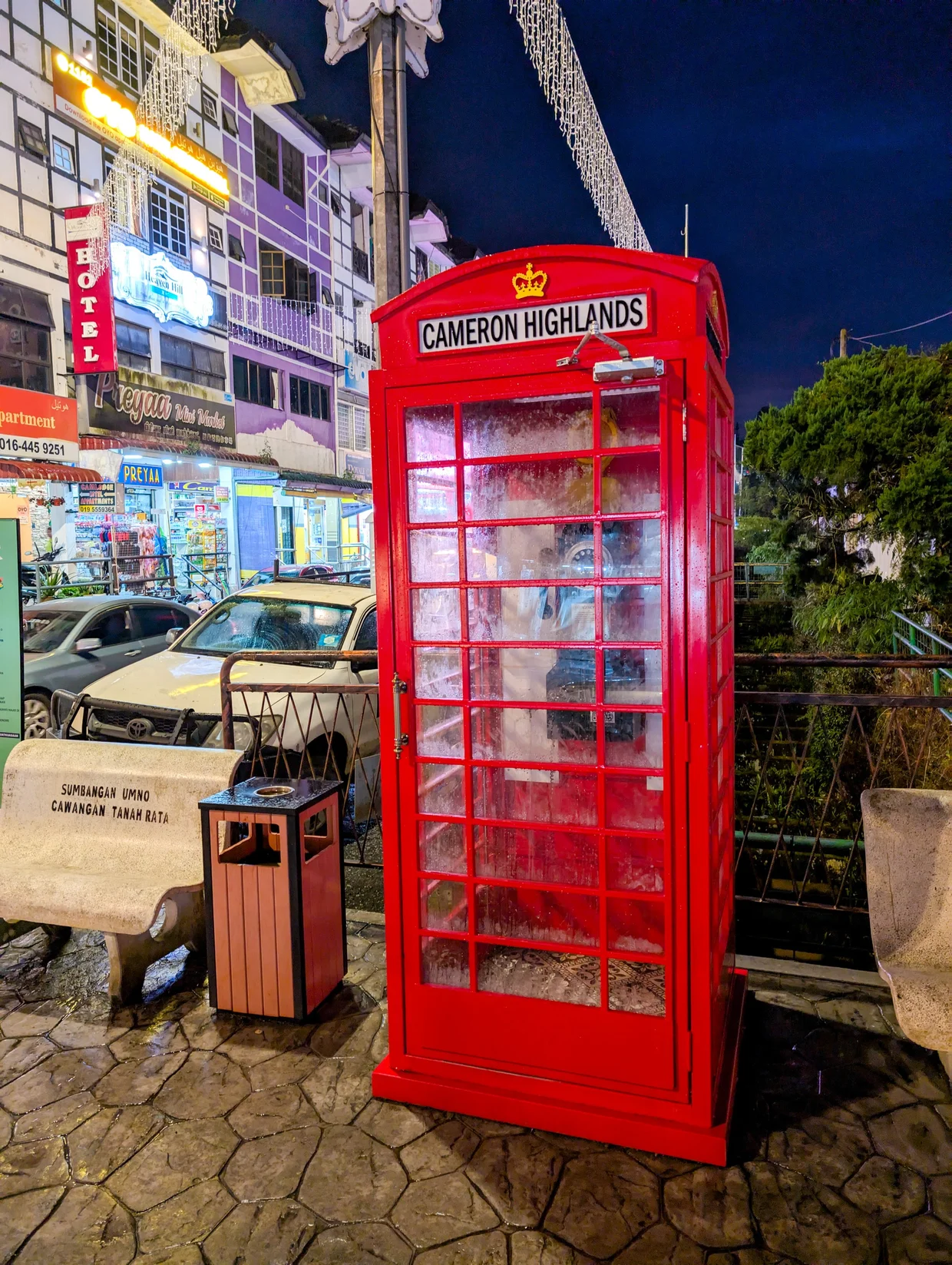
This is where Malaysia gets cold. Properly cold. 1,500m up, foggy, drizzly, and full of tea plantations stacked across green hillsides. The British set it up in the 1920s as a hill station retreat from the lowland heat, and the influence sticks: Tudor hotels, scones, the red phone booth thing.
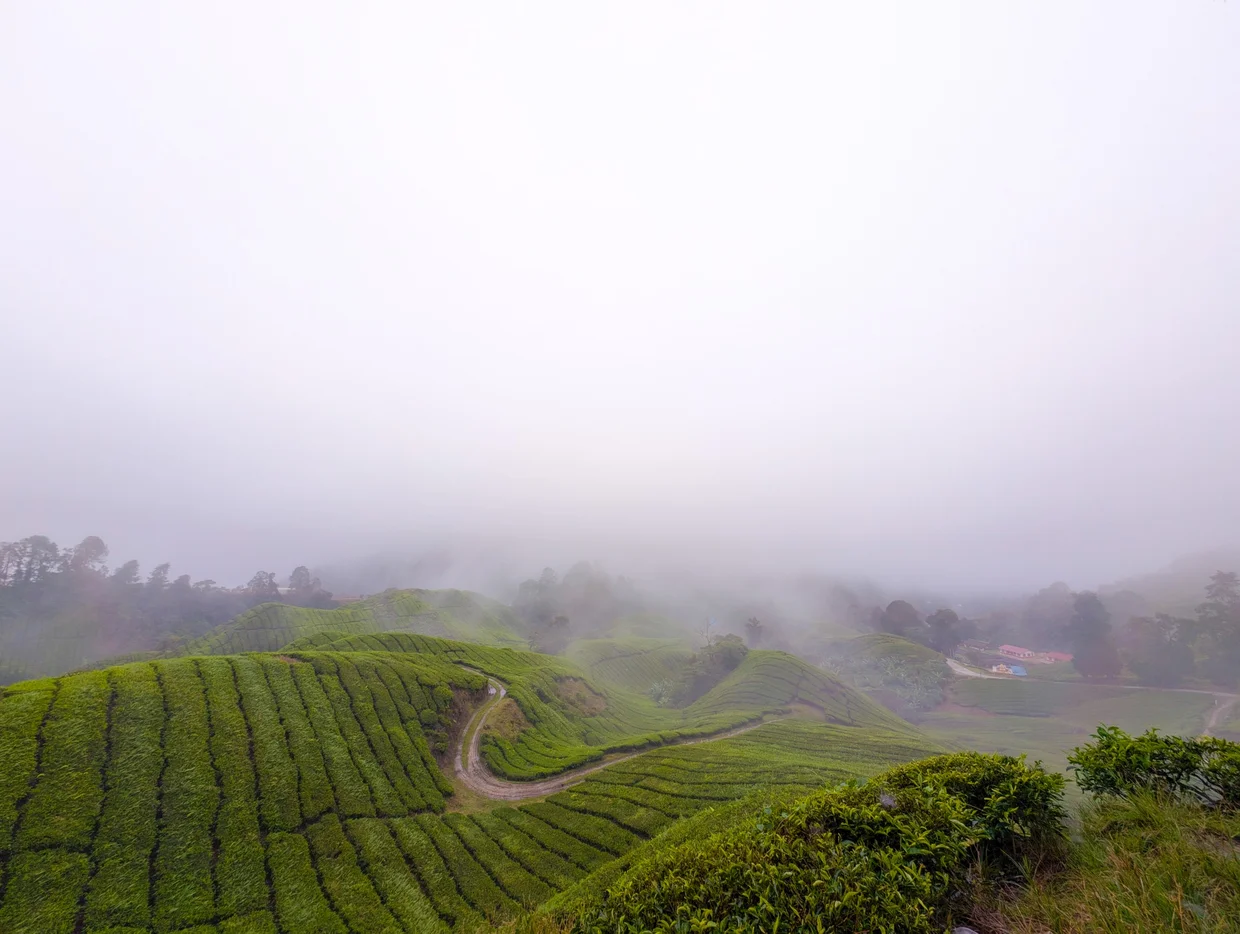
Two main towns: Tanah Rata (the central one, most accommodation) and Brinchang (a bit higher, more hotels and the touristy strip). You'll hop between them by car or local minibus.
The signature thing to do is BOH Tea Plantation. The Sungei Palas estate has a viewpoint cafe perched out over the rows. Order a pot of BOH, try a scone, watch the mist roll across.
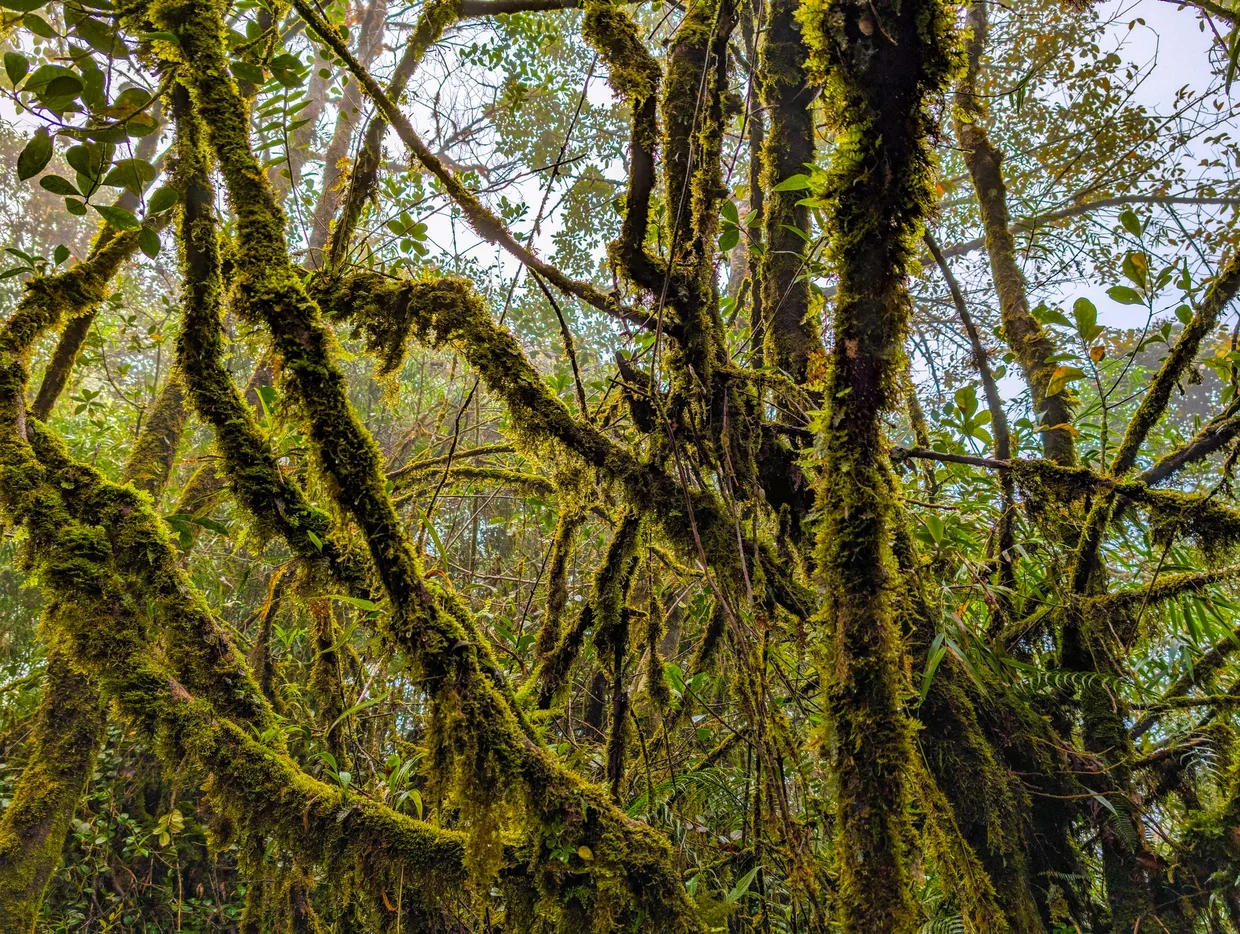
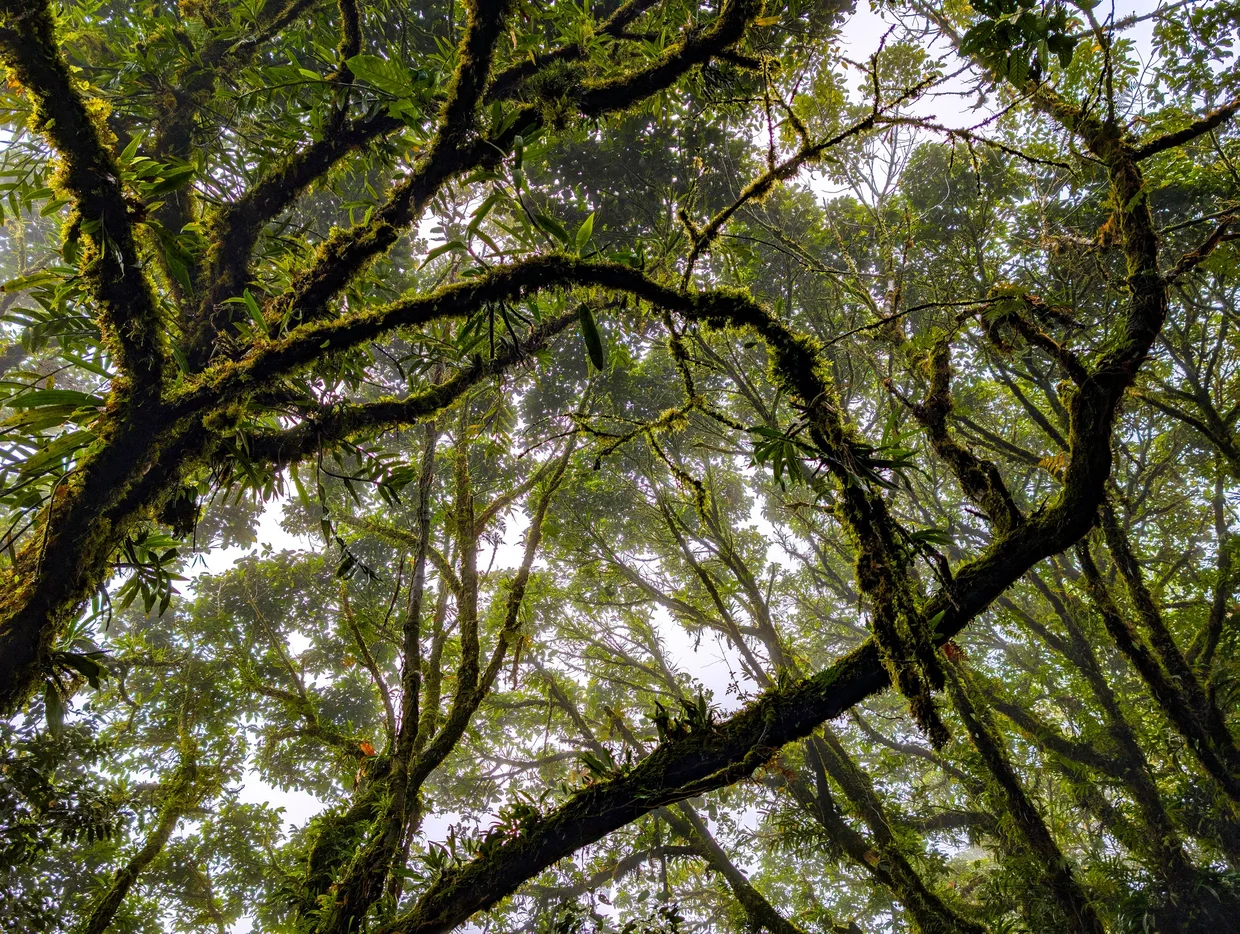
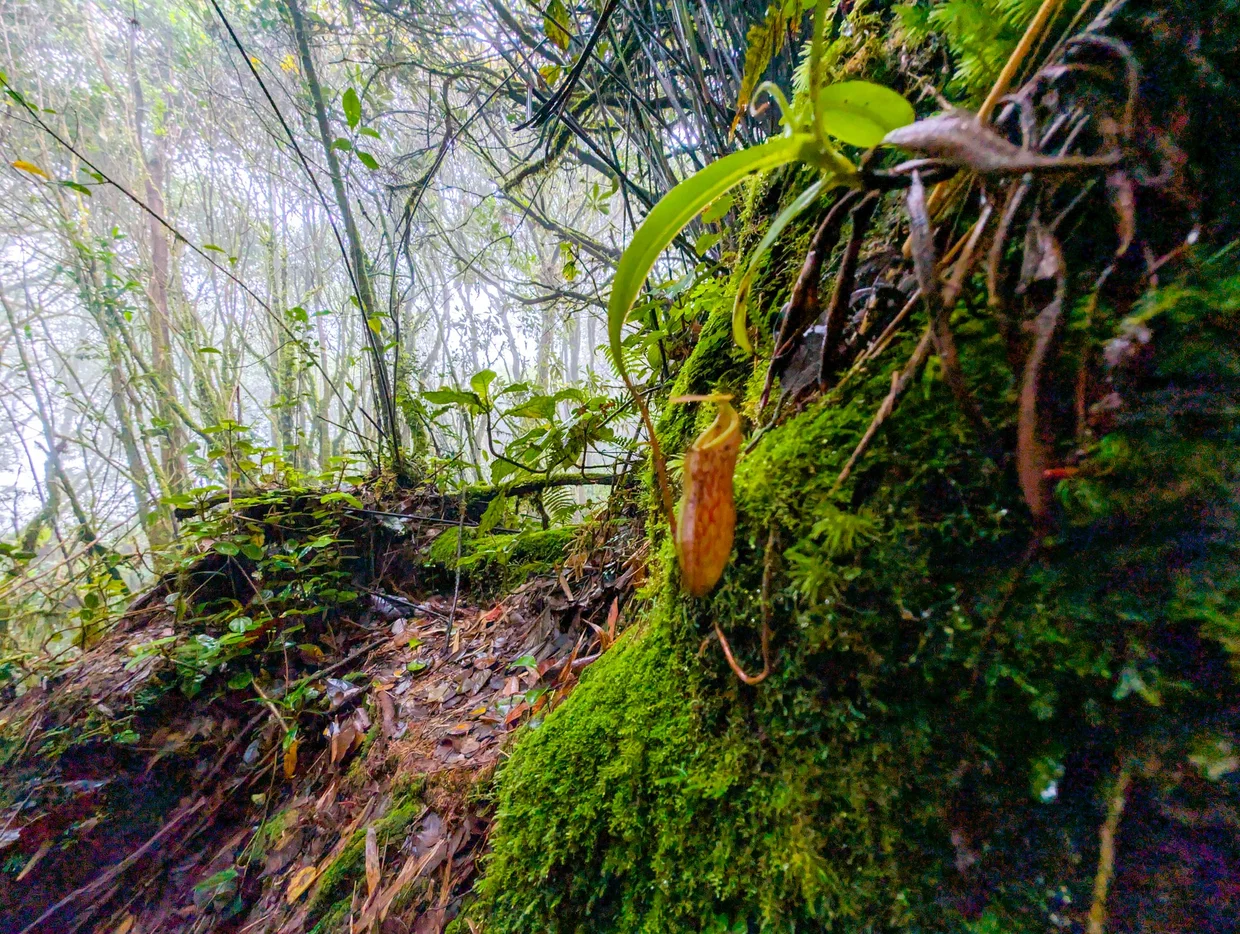
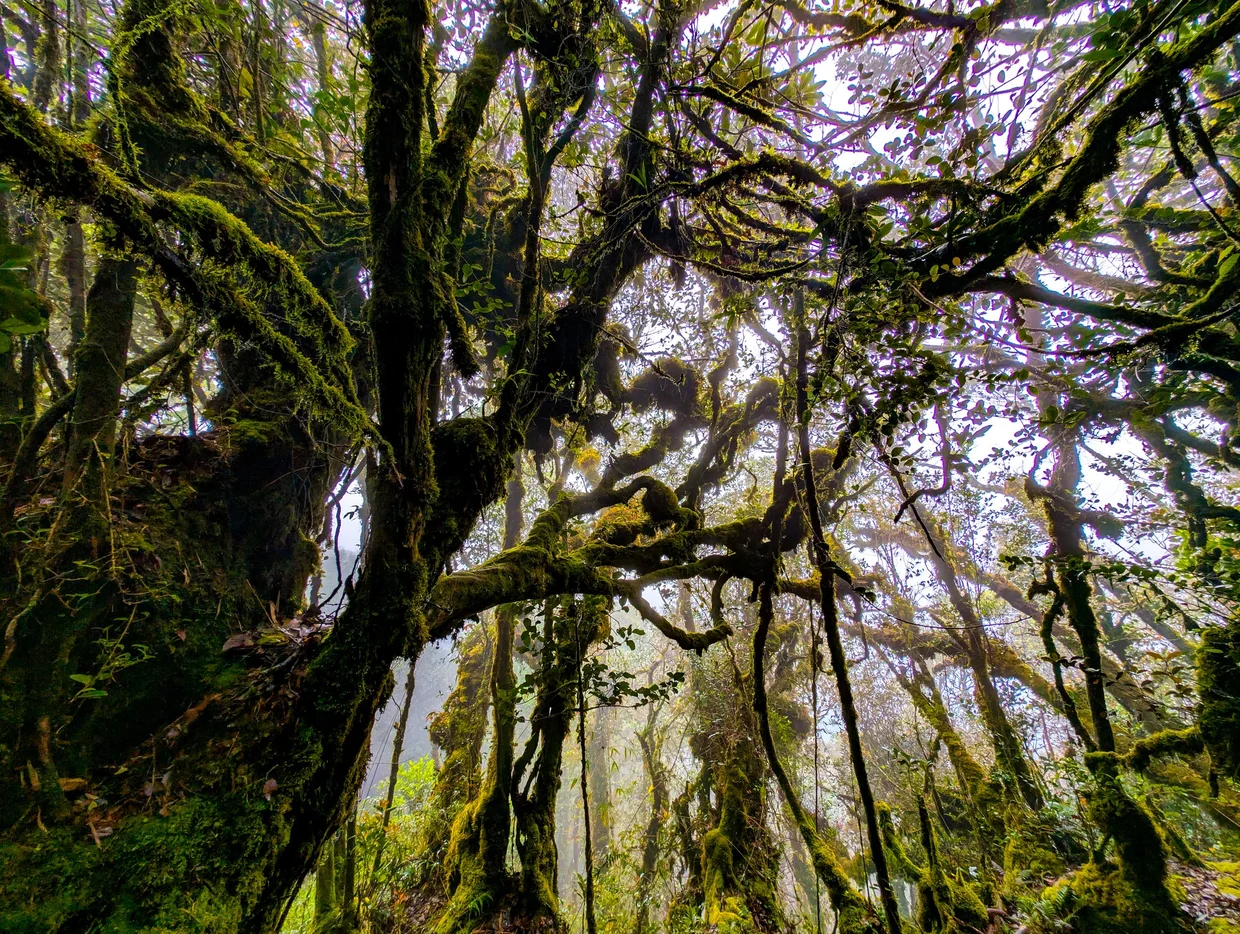
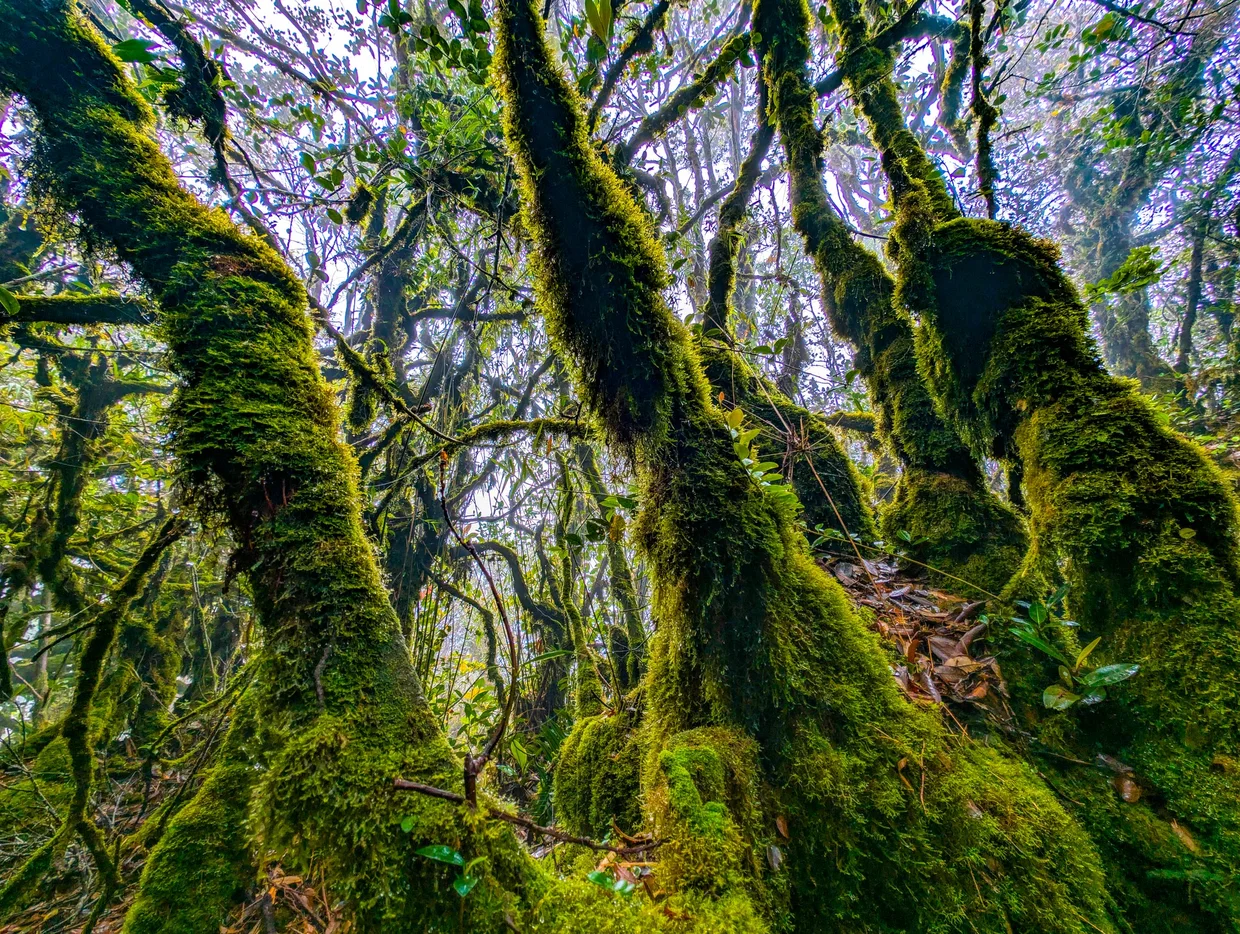
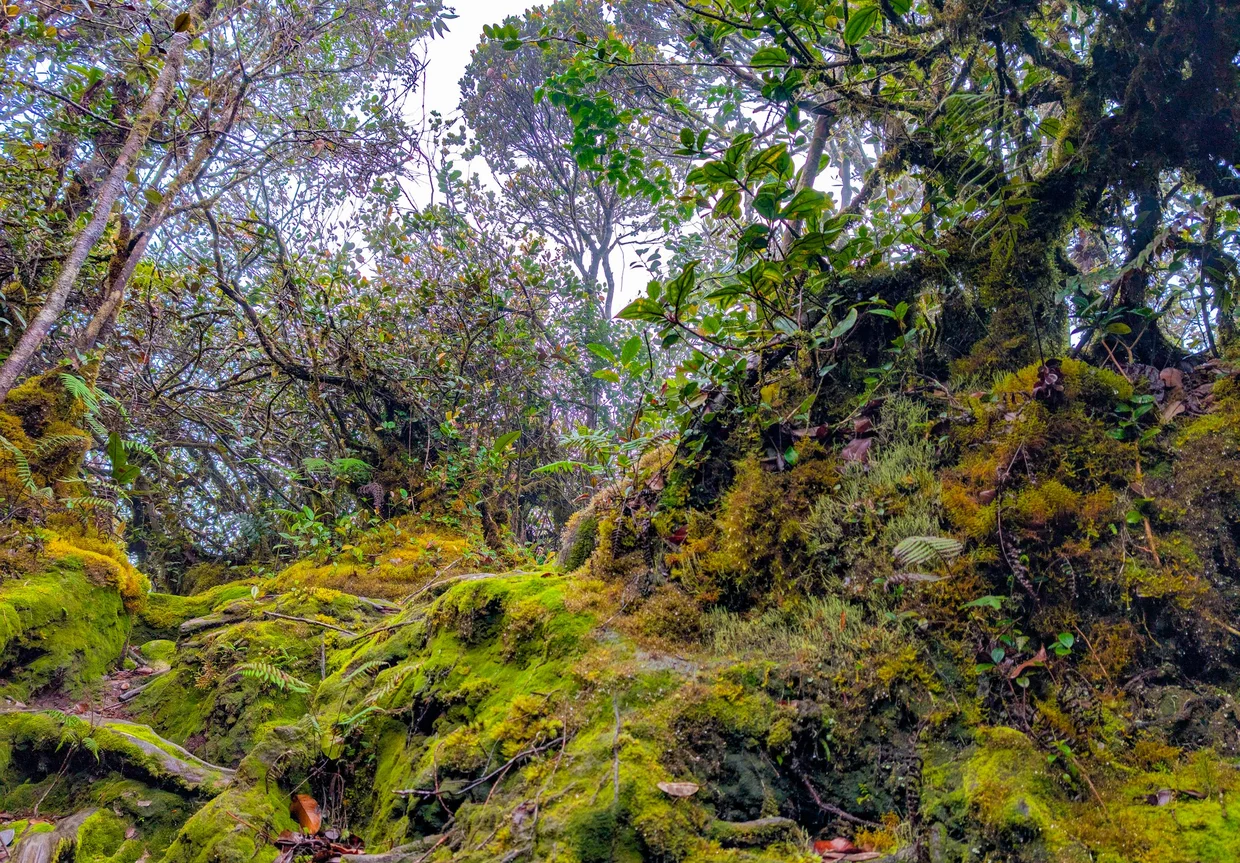
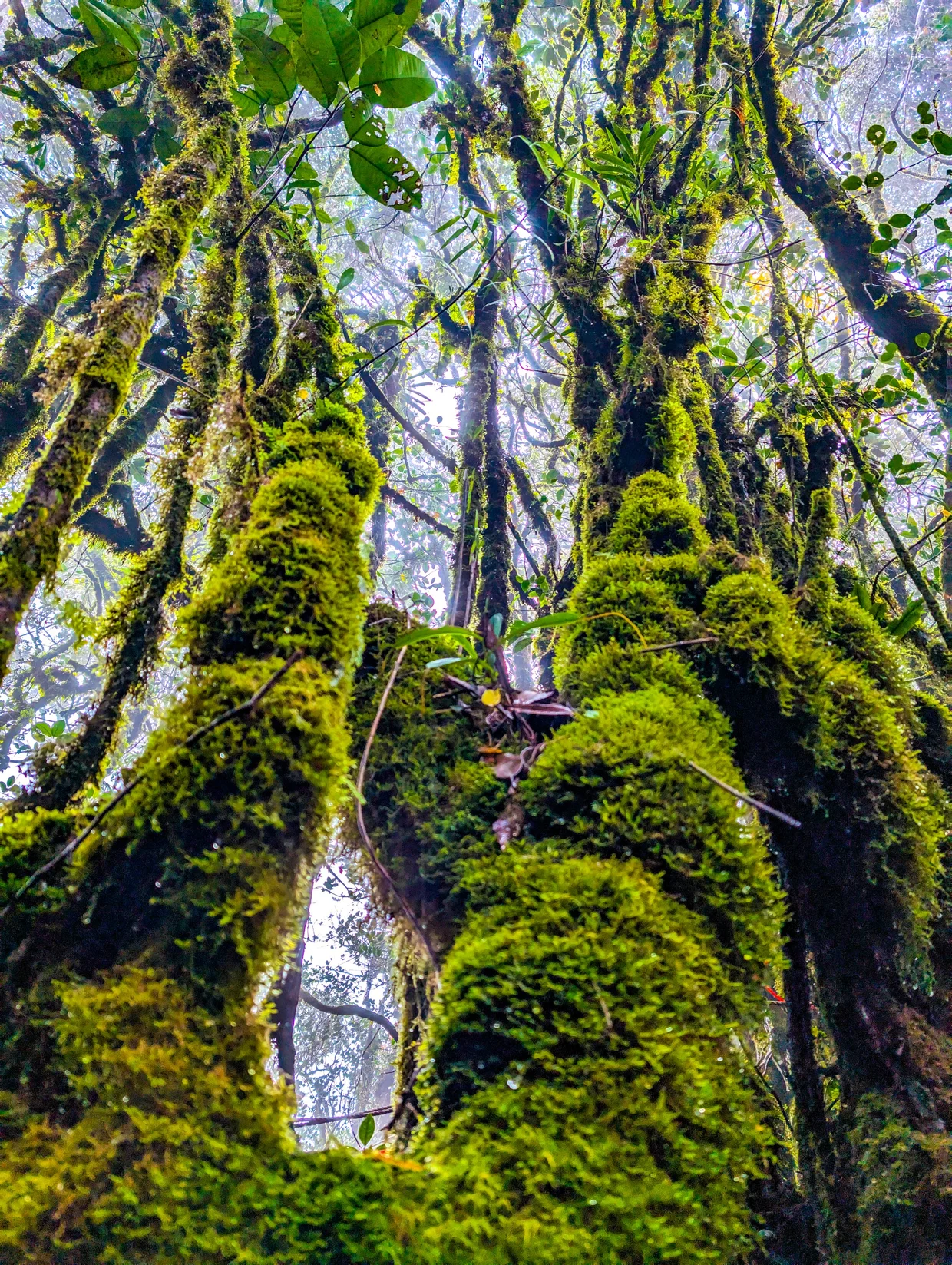
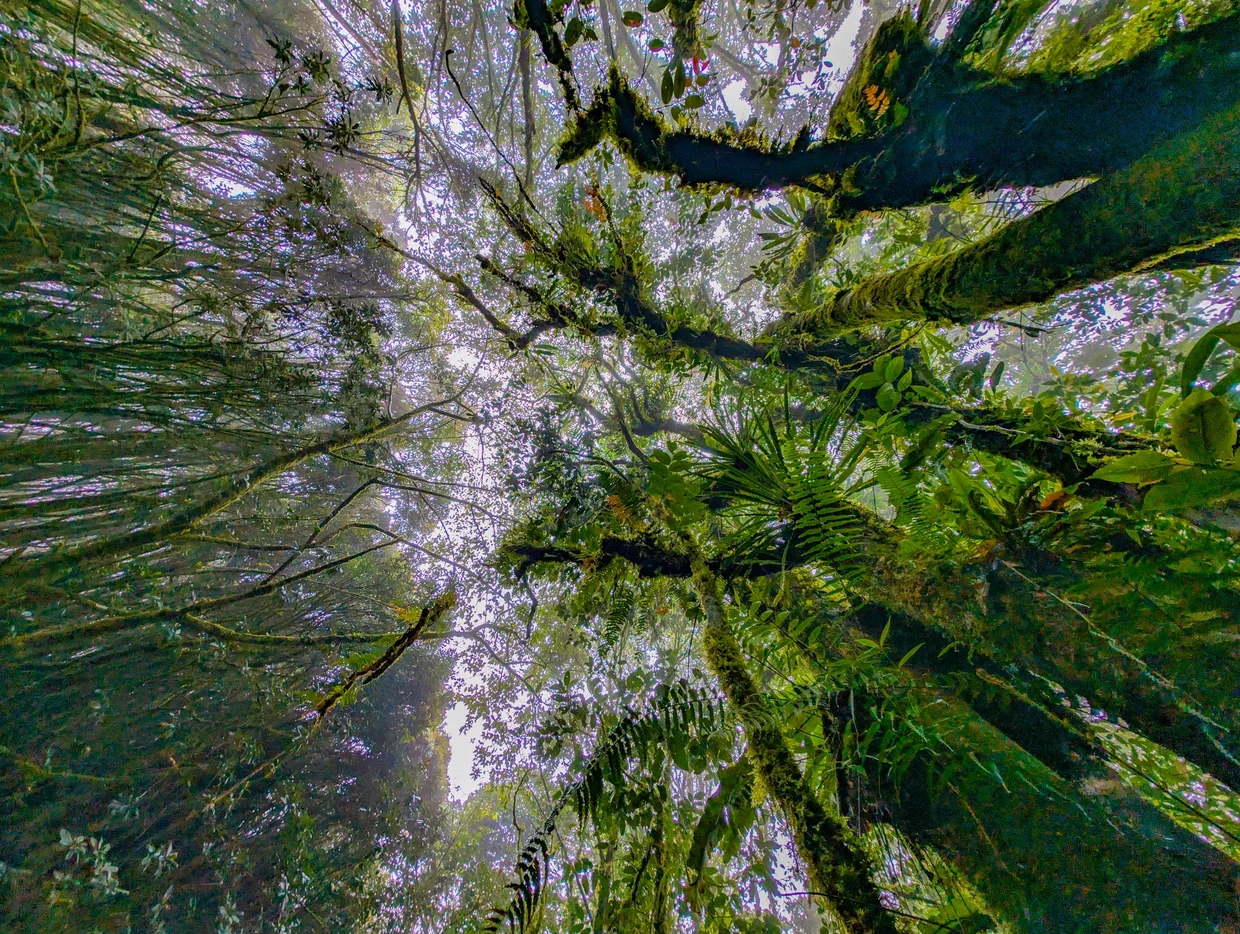
The other signature thing is the Mossy Forest. Up at 2,000m on Gunung Brinchang, the trees are wrapped in thick layers of moss and lichen because clouds basically live there permanently. It's surreal. Ghibli-coded. Wear actual shoes, the boardwalk is wet at all times.
Get a guide. The boardwalk loop is easy enough to do yourself, but the deeper sections are guide-only, and conditions change fast up there. When I went, the whole forest was officially closed to independent visitors due to adverse weather and only accessible with registered guides. So check the situation beforehand and book a guide either way: you'll see more, you'll be allowed in if it's restricted, and the locals know which trees are doing the most.
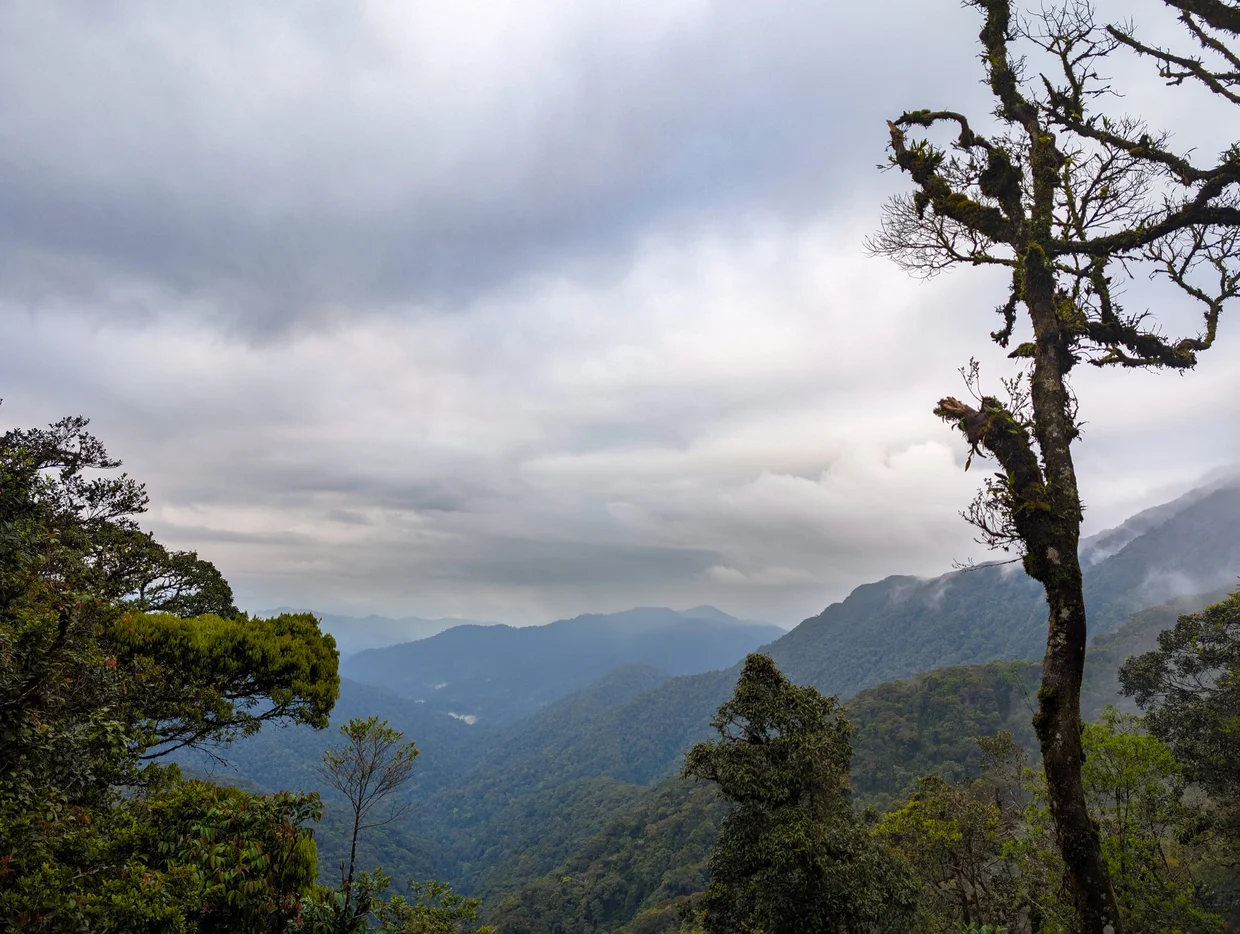
Around Tanah Rata, the town itself is small and easygoing. Steamboat (Chinese hotpot) is the regional dish, which makes sense at this altitude. Strawberry farms are weirdly everywhere. Strawberry-everything is sold in every gift shop.
The strawberries are a real commercial operation: cultivating them in Southeast Asia is hard because of the heat, and the cool Cameron climate is one of the few spots on the peninsula where it actually works. But the farms are also heavily tourist-oriented, and that side of it only really took off in the last few decades. So you'll see actual greenhouses producing actual fruit, sitting next to pick-your-own attractions, strawberry-print everything, and gift shops aimed entirely at day trippers.
What to Eat
I'm not a foodie, so this'll be short. Malaysian food is genuinely all over the place because the country is. Here's the shortlist:
Nasi lemak. The national dish. Coconut rice with sambal, peanuts, anchovies, egg, and usually fried chicken or curry on top. Eaten any time of day. Cheap.
Char kway teow. Stir-fried flat rice noodles with prawns, egg, bean sprouts, and a smoky wok flavor. Penang does the famous version.
Roti canai. Indian-Malay flatbread, flaky, served with dhal or curry. Breakfast food, sold for one or two ringgit at any mamak (Indian-Malaysian) stall.
Laksa. Big variety. Penang asam laksa (sour fish broth) and curry laksa (coconut-based) are the two main families. Worth trying both.
Satay. Skewered grilled meat with peanut sauce. Standard. Good with a beer at a hawker center.
Steamboat. Chinese hotpot, the highland favorite when it's actually cold enough.
Teh tarik. Pulled milk tea, the unofficial national drink. Frothy, sweet, perfect with roti.
The kopitiam culture (small old-school coffee shops) is worth a stop wherever you are. They serve kopi (strong dark coffee), kaya toast (coconut jam on toast), and soft-boiled eggs you crack into a saucer with soy and pepper. Cheap, fast, and the closest thing to a proper Malaysian breakfast ritual.
And one entirely non-traditional wildcard: McDonald's spicy burgers. Most McDonald's countries run a spicy variant in some form, and they're my default order anywhere I find one. Malaysia is the best version of it I've had, full stop. The sauce is doing something different, and the result is, no exaggeration, the best spicy burger I've eaten at any McDonald's, anywhere. Beef or chicken both work. Spicy beef rotates in and out of the menu depending on the season, but the spicy chicken seems to live there permanently.
Costs
Malaysia is a mid-priced Southeast Asian country. Cheaper than Singapore or Thailand's tourist zones, more expensive than Vietnam or Cambodia. You can do Kuala Lumpur on a tight budget, or burn through cash at the rooftop bars without trying.
The prices shown here are meant as a rough guide and can vary over time. While I update exchange rates regularly, local prices are typically refreshed only when I revisit the destination.
Alcohol is the budget surprise. Malaysia taxes it hard, so a beer can cost more than a meal. Wine and spirits get even worse. Plan accordingly if that matters to you.
Getting Around
Rental car. The best way to do peninsular Malaysia if you're comfortable driving on the left. The highways are excellent, signs are in English and Malay, and a car opens up the highlands and the Ipoh caves and the Tropical Spice Garden in a way that buses and trains don't. KL has bad traffic, so I'd grab the car when leaving the city, not on day one.
Trains. The KTM ETS train links KL to Ipoh to Butterworth (Penang) and is comfortable, on time, and cheap. Probably the easiest non-driving option for the west coast spine.
Domestic flights. AirAsia covers everywhere. KL to Penang, KL to Langkawi, KL to Kota Kinabalu. Cheap if you book ahead, less so on the day. Worth using to skip long bus or car days.
Grab. Works in every city, including Ipoh and Tanah Rata. It's how you'll get around in town. Prices are fixed and shown upfront. No haggling. One caveat: don't bother with Grab in central Kuala Lumpur during rush hour. You'll be faster on foot, no exceptions. I sat in stationary traffic on Bukit Bintang multiple times, and if I could've read the drivers' minds, they were absolutely cursing the dumb tourist who'd put them there.
Buses. The intercity buses are also fine and very cheap. Less interesting now that the train and AirAsia exist, but a fallback for routes neither covers.
Is Malaysia Safe?
Malaysia is one of the easier countries to travel in Southeast Asia. Violent crime against tourists is rare, cities feel calm at night, and the scam catalog is thinner than in some of its neighbors. The real risks are practical: heat, mosquitoes, traffic, and the occasional bag-grab in a crowd.
Crime and petty theft
Petty theft is the main thing to watch for, and it sticks to the obvious places: Bukit Bintang and Chinatown in Kuala Lumpur, the busy stretches of George Town, any mall on a weekend. Crossbody bag, on the wall side away from traffic, no phone hanging out of a back pocket. Snatch theft from passing motorbikes is reported but rare, and the front-pocket habit kills it dead.
Scams are mild by regional standards. The classic was inflated airport taxi fares; Grab fixed most of that. The other one to ignore is the "your hotel is closed, let me take you somewhere better" routine. It isn't.
Solo and women travelers are comfortable across the west-coast route. KLCC, Bukit Bintang, George Town, and Tanah Rata are fine to walk at night. Dress is relaxed in Kuala Lumpur and Penang, more conservative in mosques and in the east-coast Muslim-majority states.
Nightlife is concentrated in KL's Bukit Bintang and Changkat strips and a few George Town spots. Drink spiking happens as it does anywhere; watch your glass. Alcohol is heavily taxed but legal and easy to find.
Health and environment
Heat is the biggest real risk. Kuala Lumpur and Penang sit in 30°C-plus heat with 80% humidity year-round. Heat exhaustion sneaks up, especially if you're not a tropical regular. Drink constantly, take aircon breaks, don't try to power-walk through Petaling Street at 1pm. The locals don't, and neither should you.
Dengue is endemic and there's no easy vaccine. Cases spike in rainier months. Repellent with DEET or picaridin, especially at dawn and dusk, and especially in the Tropical Spice Garden, the Mossy Forest, and anywhere near standing water. Long sleeves help in the highlands.
Tap water is officially treated but most locals boil or filter it. Bottled water is cheap and everywhere. Ice in restaurants, malls, and proper hawker centers is factory-made and fine.
Food hygiene. Stick to busy stalls. High turnover is the green light. Hawker centers in KL, Penang, and Ipoh are well-managed. Your stomach may need a day or two to adjust to the chili load. Normal.
Sun. Equatorial UV is no joke even on overcast days. Sunscreen, hat, sunglasses. The cloud cover lies.
Vaccines. Routine ones plus Hepatitis A and B. Typhoid is worth considering if you plan to eat a lot of street food. No malaria pills needed for the west coast or for Borneo's main tourist zones; ask a travel doctor if you're going deep into rural Sabah or Sarawak. Pharmacies are everywhere in cities and well-stocked, but bring what you actually need anyway.
Driving and transport
Driving on the left, with European-quality highways. The North-South Expressway between KL and Penang is excellent. The road up to Cameron Highlands is slow and gets slippery in heavy rain. Take the switchbacks carefully if you're not used to them.
Motorbike rentals are mostly an island thing. Standard Southeast Asia rules: proper helmet, insurance that actually covers a bike, no flip-flops.
Where caution steps up
East Sabah on Borneo, around Lahad Datu and the islands off Semporna, has had historic kidnapping advisories from several governments. Most reputable dive operators on the inner islands (Mabul, Kapalai) run normally and have for years, but check your country's travel advisory and book with established operators.
The northern border with Thailand. The Thai side, in the deep south (Pattani, Yala, Narathiwat), has an active separatist insurgency, and most Western governments advise against travel there. The Malaysian side, in northern Kelantan and the Perak border country, isn't part of the conflict, but several advisories flag the immediate border zone for spillover risk and recommend extra caution near the crossings. The standard west-coast route (KL, Ipoh, Penang, Cameron Highlands) is well clear of any of this. If you're crossing overland into southern Thailand, do it by day, on a direct bus or train, and don't wander.
East coast islands (Perhentian, Tioman, Redang) are very safe but seasonal. The northeast monsoon shuts most operations from November to February.
That's the list. Compared to almost anywhere else in the region, Malaysia is a soft country to travel in. The main danger is forgetting to drink water.
Published April 2026.